









spicy در ۳۰ ثانیه
- Spicy food has a hot flavor from spices like chili or pepper.
- It causes a warm or burning feeling in your mouth.
- You use it to describe dishes you eat or your taste preferences.
- Be careful not to confuse it with 'hot' temperature.
The Zesty Kick: Understanding 'Spicy'
When we talk about food being 'spicy,' we're describing a particular sensation that tickles our taste buds and warms us up from the inside. It's that exciting, sometimes intense, flavor that comes from ingredients like chili peppers, black pepper, ginger, and various other spices. Think of the pleasant tingle from a dash of paprika or the fiery punch of a jalapeño. This isn't just about heat; it's a complex flavor profile that can range from a gentle warmth to a powerful burn. People use the word 'spicy' to describe dishes that have this characteristic flavor. It's a common adjective in everyday conversation, especially when discussing food, cooking, or dining out. You might hear it at a restaurant, when sharing a recipe, or even when describing your personal taste preferences. Someone might say, 'I love spicy food,' or 'This curry is a bit too spicy for me.' It’s a word that evokes a strong sensory experience.
- Flavor Profile
- Spicy food typically contains ingredients that create a sensation of heat or pungency, such as chili peppers, cayenne pepper, or ginger.
- Sensation
- The primary characteristic is a warm or burning feeling in the mouth, which can vary in intensity.
- Common Ingredients
- Chili peppers (fresh or dried), black pepper, white pepper, ginger, horseradish, mustard, and certain types of curry powder are common sources of spiciness.
This salsa is wonderfully spicy.
Beyond just heat, spiciness can add depth and complexity to dishes. It can enhance other flavors, create an exciting contrast, and even be a source of comfort for some. For instance, a mild spiciness might be used to balance the sweetness of a sauce, while a more intense heat can be the star of a dish, like a vindaloo curry. The perception of spiciness can also be subjective, influenced by individual tolerance and cultural background. What one person finds pleasantly spicy, another might find overwhelmingly hot. This subjectivity often leads to discussions about food and personal preferences. When ordering food, you might be asked about your preferred level of spice, further highlighting its importance in culinary experiences. It's a term that directly relates to our sense of taste and the enjoyment we derive from food.
Contexts for 'Spicy'
You'll commonly hear 'spicy' in contexts related to:
- Ordering food at restaurants (e.g., "Can I have the chicken vindaloo, extra spicy?")
- Discussing recipes (e.g., "Add more chili flakes if you like it spicy.")
- Describing personal taste preferences (e.g., "I don't usually like spicy food, but this is delicious.")
- Reviewing food or meals (e.g., "The tacos had a nice spicy kick.")
- Shopping for groceries (e.g., "Look for the spicy sausage in aisle three.")
It’s a versatile adjective that adds a specific dimension to descriptions of food and its preparation. The sensation of spiciness is unique and often sought after by those who enjoy a bit of excitement in their meals. It’s a key descriptor that helps us communicate our culinary experiences and preferences effectively.
The kimchi stew was quite spicy, but very flavorful.
- Culinary Arts
- In cooking, 'spicy' refers to dishes prepared with ingredients that provide a hot or pungent flavor, often using chili peppers or other spices.
- Personal Preference
- Individuals often express their liking or disliking for 'spicy' foods, indicating their tolerance for heat and pungent flavors.
Crafting with 'Spicy': Sentences for Every Occasion
Using 'spicy' correctly in a sentence is straightforward, but understanding its nuances allows for more descriptive and engaging communication. As an adjective, it modifies nouns, primarily referring to food or flavors. It can describe the food itself, the preparation method, or even a general preference.
Describing Food Directly
The most common use is to describe a dish that has a hot or pungent flavor. You can place 'spicy' directly before the noun it modifies.
- Basic Structure
- [Article/Determiner] + spicy + [Food Noun]
We ordered a spicy chicken curry.
The chef is known for his very spicy chili con carne.
Expressing Preferences
You can use 'spicy' to talk about what kind of flavors you enjoy or avoid. This often involves the verb 'like' or 'prefer'.
- Preference Structure
- I/You/He/She/They + like/prefer + spicy food/dishes.
My brother loves anything spicy.
She prefers milder flavors and finds very spicy food too intense.
Describing the Degree of Spiciness
You can use adverbs to indicate how spicy something is, or use comparative and superlative forms.
- Degree Adverbs
- very spicy, a little spicy, quite spicy, not too spicy
This sauce is a little spicy, but it has a great flavor.
The Thai green curry was surprisingly spicy.
In Questions
'Spicy' is frequently used in questions to inquire about the flavor profile of food.
Is this dish very spicy?
Would you recommend the spicy option?
Figurative Use (Less Common for A1)
While less common at the A1 level, 'spicy' can sometimes be used figuratively to describe something exciting or provocative, though this is usually applied to topics rather than food.
The argument became quite spicy as they disagreed.
Common Patterns to Remember
- It's spicy.
- This dish is spicy.
- Do you like spicy food?
- How spicy is it?
- I can't eat very spicy food.
By practicing these sentence structures, you'll quickly become comfortable using 'spicy' to describe flavors and preferences accurately.
The Sound of Flavor: Hearing 'Spicy' in Real Life
The word 'spicy' is a staple in everyday conversations, particularly those revolving around food. You'll encounter it frequently in various real-world scenarios, making it a highly relevant word for learners.
At Restaurants and Cafes
This is perhaps the most common place to hear 'spicy.' Waitstaff might describe menu items, or customers might ask questions about the heat level of a dish. You'll hear phrases like:
- "Would you like the mild or the spicy version of the curry?"
- "This is a really spicy dish, are you sure you want it?"
- "I ordered the spicy tacos, but they're not hot enough for me."
The waiter warned us that the special was very spicy.
In Homes and Kitchens
When people are cooking, sharing recipes, or discussing meals at home, 'spicy' is frequently used. You might hear:
- "I added some extra chili powder to make it spicy."
- "My grandmother's salsa recipe is famously spicy."
- "Can you pass the hot sauce? I like my noodles extra spicy."
He prefers his stir-fry to be quite spicy.
During Grocery Shopping
When selecting ingredients or prepared foods, 'spicy' helps differentiate products.
- "Look for the label that says 'spicy tomato sauce'."
- "Do they have any spicy chips?"
In Food Reviews and Blogs
Food critics, bloggers, and even casual reviewers often use 'spicy' to describe the taste experience.
- "The appetizer had a delightful spicy kick that woke up my palate."
- "While the flavors were good, the dish wasn't nearly spicy enough for my liking."
This chili is wonderfully spicy and satisfying.
Conversations About Personal Taste
People often discuss their preferences for certain flavors.
- "I usually avoid spicy food, but this looks amazing."
- "My friend loves really spicy food; she adds hot sauce to everything."
The word 'spicy' is deeply embedded in culinary culture. By paying attention to how and when it's used in these everyday contexts, you'll gain a practical understanding of its meaning and application.
Navigating the Heat: Avoiding Pitfalls with 'Spicy'
While 'spicy' is a common word, learners sometimes make mistakes that can lead to confusion or miscommunication. Understanding these common errors can help you use the word more accurately.
1. Confusing 'Spicy' with 'Hot' (Temperature)
The most frequent mistake is using 'spicy' when you mean 'hot' in terms of temperature. In English, 'hot' can refer to both temperature (like a hot drink) and flavor intensity (like a hot pepper). 'Spicy' specifically refers to the flavor sensation from spices, not the temperature.
- Incorrect Usage
- The soup is very spicy.
- Correct Usage (if referring to flavor)
- The soup is very spicy (meaning it has chili or pepper flavor).
- Correct Usage (if referring to temperature)
- The soup is very hot (meaning it is at a high temperature).
Mistake: This coffee is too spicy.
Correct: This coffee is too hot.
2. Overusing 'Spicy' for Any Strong Flavor
'Spicy' refers to a specific type of flavor – the heat and pungency from spices. It's not a general term for any strong or intense flavor. For example, a very sour lemon or a very bitter coffee isn't 'spicy'; it's sour or bitter.
- Incorrect Usage
- This lemon is very spicy.
- Correct Usage
- This lemon is very sour.
Mistake: The dark chocolate is too spicy.
Correct: The dark chocolate is too bitter.
3. Grammatical Placement
As an adjective, 'spicy' should typically come before the noun it modifies or after a linking verb (like 'is', 'seems', 'tastes'). Placing it incorrectly can sound unnatural.
- Incorrect Usage
- I like food spicy.
- Correct Usage
- I like spicy food.
- Correct Usage
- The food tastes spicy.
4. Forgetting the Nuance of 'Spices'
Remember that 'spicy' comes from 'spices'. While it's most commonly associated with chili peppers, it can technically apply to other spices that create a warming or pungent sensation, like ginger or black pepper. However, the primary association for most English speakers is with chili heat.
By being mindful of these common mistakes, you'll enhance your ability to use 'spicy' accurately and effectively in your English conversations.
Beyond 'Spicy': A Spectrum of Flavor Descriptors
While 'spicy' is a very useful word, there are many other words that describe similar or related flavor sensations. Understanding these alternatives can help you communicate more precisely and add variety to your vocabulary.
Words for Heat and Pungency (Similar to Spicy)
These words describe a similar sensation of heat or a sharp, strong flavor.
- Hot
- Often used interchangeably with 'spicy' for chili-based heat, but 'hot' also refers to temperature. Context is key. 'This chili is hot!' can mean it's spicy or it's temperature-hot.
- Piquant
- Describes a pleasantly sharp, stimulating, or appetizing flavor, often with a hint of spice or tang. It suggests a more subtle and refined heat than 'spicy'.
- Fiery
- Suggests a very intense, strong heat, like fire. It's a more dramatic word than 'spicy'.
- Peppery
- Specifically refers to the flavor of pepper, which can be sharp and slightly hot, but usually less intense than chili-based spiciness.
- Zesty
- Describes a lively, sharp, and refreshing flavor, often associated with citrus or spices that add a bright kick. It can sometimes overlap with mild spiciness.
The ginger sauce had a pleasant, piquant quality.
Words for Lack of Flavor (Antonyms/Opposites)
These words describe food that lacks strong or interesting flavors, the opposite of spicy.
- Mild
- Not strong in flavor or heat. This is the most direct opposite of spicy when referring to heat level.
- Bland
- Lacking flavor or interest; dull. This suggests a general lack of taste, not just a lack of heat.
- Tasteless
- Having no taste at all. This is a stronger term than bland.
The chicken was cooked well but was quite bland.
Words for Other Intense Flavors (Not Spicy)
These describe strong flavors that are not related to heat.
- Sour
- Having an acidic taste like lemon or vinegar.
- Bitter
- Having a sharp, pungent, often unpleasant taste, like black coffee or unsweetened chocolate.
- Sweet
- Having the taste of sugar or honey.
- Salty
- Having the taste of salt.
The salad dressing was wonderfully zesty.
By learning these related words, you can paint a more detailed picture of flavors and understand descriptions of food more fully.
چقدر رسمی است؟
نکته جالب
The word 'species' in biology, meaning a distinct group of organisms, shares the same Latin root as 'spice'. Both words stem from the idea of a particular 'kind' or 'sort'. The evolution of 'spice' from a general term for commodity to specific aromatic substances highlights how language adapts to describe our needs and trade.
راهنمای تلفظ
- Mispronouncing the vowel sound in the first syllable (e.g., saying 'spuh-see' instead of 'spai-see').
- Incorrectly stressing the second syllable.
- Confusing the 's' sound with a 'z' sound.
- Adding an extra syllable.
- Pronouncing the final 'y' as a short 'i'.
سطح دشواری
The word 'spicy' is very common in food-related texts. Understanding its primary meaning related to heat and flavor is straightforward for most learners. Advanced texts might explore figurative uses or scientific explanations, increasing difficulty.
Using 'spicy' correctly in basic sentences describing food is easy. More advanced use involves nuanced descriptions, comparative forms, or figurative language, which requires a higher proficiency.
Pronouncing 'spicy' is generally easy. Using it accurately in conversations about food is common and expected. Difficulty arises when trying to describe precise levels of heat or using figurative meanings.
'Spicy' is frequently heard in everyday contexts, especially when discussing food. Its meaning is usually clear from context, making it easy to understand.
بعداً چه یاد بگیریم؟
پیشنیازها
بعداً یاد بگیرید
پیشرفته
گرامر لازم
Adjectives before Nouns
Spicy is an adjective that usually comes before the noun it describes. Example: a spicy curry, spicy noodles.
Adjectives after Linking Verbs
Spicy can also follow linking verbs like 'is', 'seems', 'tastes'. Example: The curry is spicy. This tastes spicy.
Comparative and Superlative Adjectives
You can compare levels of spiciness using 'less spicy', 'more spicy', 'the least spicy', 'the most spicy'. Example: This dish is less spicy than that one. This is the most spicy dish.
Adverbs Modifying Adjectives
Adverbs like 'very', 'a little', 'too', 'extremely' can modify 'spicy'. Example: It's very spicy. It's a little spicy. It's too spicy.
Negation
To say something is not spicy, use 'not spicy'. Example: This soup is not spicy.
مثالها بر اساس سطح
This curry is very spicy.
This curry has a strong, hot flavor.
'Spicy' is an adjective describing the curry.
I like spicy food.
I enjoy food with hot flavors.
'Spicy' modifies the noun 'food'.
Is this soup spicy?
Does this soup have a hot flavor?
Used in a question to inquire about flavor.
The chili is a little spicy.
The chili has a mild hot flavor.
'A little' modifies the intensity of 'spicy'.
She doesn't like spicy food.
She does not enjoy food with hot flavors.
Negation with 'doesn't like'.
This sauce is too spicy for me.
This sauce is excessively hot for my taste.
'Too' indicates an excessive level.
We ordered the spicy noodles.
We chose the noodles that have a hot flavor.
'Spicy' describes the type of noodles.
Add more pepper to make it spicy.
Put more pepper in to give it a hot flavor.
Used in an imperative sentence.
The restaurant is famous for its spicy tacos.
The eatery is well-known for its tacos that have a hot flavor.
'Spicy' modifies 'tacos'.
He found the new dish surprisingly spicy.
He discovered the new meal was unexpectedly hot.
'Surprisingly' modifies the adjective 'spicy'.
Could you make the stir-fry less spicy next time?
Would it be possible for you to prepare the stir-fry with less heat in the future?
Comparative 'less spicy' used in a polite request.
Many people enjoy the complex flavors of spicy Indian cuisine.
A lot of individuals appreciate the intricate tastes found in hot Indian food.
'Spicy' describes 'Indian cuisine'.
I'm not a big fan of overly spicy food.
I don't particularly like food that is too hot.
'Overly' intensifies 'spicy'.
This hot sauce adds a nice spicy kick to salads.
This sauce provides a pleasant spicy sensation to salads.
'Spicy' modifies 'kick'.
The chef recommended the spicy seafood pasta.
The cook suggested the seafood pasta that has a hot flavor.
'Spicy' describes the pasta dish.
Be careful, that pepper is extremely spicy!
Be cautious, that type of pepper is very, very hot!
'Extremely' intensifies 'spicy'.
While I appreciate the flavor, this dish is a bit too spicy for my palate.
Although I enjoy the taste, this meal has a level of heat that is slightly excessive for my personal preference.
'Palate' refers to a person's ability to taste and discern flavors.
The chef uses a blend of spices to create a subtly spicy flavor profile.
The cook combines various spices to achieve a taste that is gently hot and complex.
'Subtly spicy' indicates a mild but noticeable heat.
For those who prefer milder options, there's a non-spicy version of the curry available.
Individuals who favor less intense flavors can choose a version of the curry that does not contain spices.
'Non-spicy' is a compound adjective acting as an antonym.
The fiery salsa was the highlight of the meal for the adventurous eaters.
The intensely hot salsa was the most memorable part of the food for those willing to try strong flavors.
'Fiery' is a stronger synonym for very spicy.
Learning to balance spicy elements with other flavors is key in Thai cooking.
Understanding how to combine hot ingredients with different tastes is essential in preparing Thai food.
'Spicy elements' refers to ingredients that cause heat.
He described the jerky as having a smoky and satisfyingly spicy taste.
He characterized the dried meat as having a flavor that was both smoky and pleasingly hot.
'Satisfyingly spicy' suggests the heat level is enjoyable.
The recipe calls for a pinch of cayenne pepper to give it that signature spicy warmth.
The instructions require a small amount of cayenne pepper to impart its characteristic warming and hot sensation.
'Spicy warmth' describes the sensation of heat.
She requested that her dish be prepared without any spicy ingredients due to her sensitive stomach.
She asked for her meal to be made without any ingredients that cause heat because her stomach is easily upset.
'Spicy ingredients' refers to the components that make food hot.
The culinary team experimented with various chili peppers to achieve a nuanced spicy profile that wouldn't overwhelm the delicate seafood.
The group of chefs worked with different types of chili peppers to create a subtle and complex hot flavor that would not overpower the sensitive taste of the seafood.
'Nuanced spicy profile' implies a sophisticated and layered heat.
While traditionally served mild, many restaurants now offer a 'spicy' option for diners seeking a more robust experience.
Although typically prepared without heat, numerous eateries now provide a hotter version for customers looking for a more intense culinary sensation.
'Spicy option' refers to a preparation with added heat.
The author's vivid descriptions of the food, from the 'cool mint' to the 'fiery, spicy curry,' engaged all the reader's senses.
The writer's powerful and clear portrayals of the meals, ranging from the 'refreshing mint' to the 'intensely hot curry,' stimulated the reader's entire sensory perception.
'Fiery, spicy curry' uses multiple adjectives to describe the dish.
His aversion to anything remotely spicy meant he stuck to the safest dishes on the menu.
His strong dislike for even slightly hot food meant he chose only the most common and least likely to be spicy items from the selection.
'Remotely spicy' implies even a slight degree of heat.
The fermentation process can develop complex flavors, sometimes resulting in a spicy undertone.
The method of preserving food through fermentation can create intricate tastes, occasionally leading to a secondary flavor that has a mild heat.
'Spicy undertone' suggests a background note of heat.
Chefs often use a combination of fresh chilies and dried spices to achieve the perfect level of spicy.
Cooks frequently employ both fresh chili peppers and ground spices together to reach the ideal intensity of heat.
'Perfect level of spicy' refers to the desired degree of heat.
She found the lingering spicy sensation after the meal quite pleasant, appreciating the warmth it provided.
She discovered that the heat that remained in her mouth after eating was quite enjoyable, valuing the comforting feeling it gave her.
'Lingering spicy sensation' describes the aftertaste.
The dish was described as having a 'volcanic' level of spicy, warning potential diners of its extreme heat.
The meal was characterized as having an extremely high level of heat, advising those considering ordering it about its intense spiciness.
'Volcanic level of spicy' is a hyperbolic description of extreme heat.
The chef's daring use of ghost peppers imparted a formidable spicy character to the dish, a testament to his adventurous palate.
The chef's bold incorporation of extremely hot ghost peppers gave the dish a powerful and intense spicy quality, demonstrating his daring taste preferences.
'Formidable spicy character' suggests a significant and impressive level of heat.
Beyond mere heat, the complexity of the spices created a lingering, multifaceted spicy experience that evolved with each bite.
More than just simple intensity, the intricate combination of spices produced a persistent and varied hot sensation that changed throughout the meal.
'Multifaceted spicy experience' implies layers of flavor and heat.
While the initial taste was sweet, an unexpected, yet welcome, spicy afterburn developed, adding a delightful dimension.
Although the first flavor encountered was sweet, a surprising but appreciated hot sensation emerged afterward, enhancing the overall taste.
'Spicy afterburn' describes the heat felt after swallowing.
The dish's spicy allure was undeniable, drawing in those who craved a culinary challenge.
The attractive quality of the dish's heat was impossible to ignore, tempting individuals who sought an exciting food experience.
'Spicy allure' suggests an appealing and tempting quality of heat.
Navigating the fine line between intensely spicy and unpalatable requires a deep understanding of capsaicin's interaction with taste receptors.
Successfully managing the delicate balance between extremely hot and unpleasant to eat demands thorough knowledge of how the compound capsaicin affects the sense of taste.
'Intensely spicy' indicates a very high level of heat.
The regional variations in spice usage mean that what is considered 'spicy' in one area might be perceived as mild elsewhere.
Differences in how spices are employed across various locations indicate that the level of heat deemed 'spicy' in one region could be considered moderate in another.
'Considered 'spicy'' highlights the subjective nature of the term.
He attributed his robust digestive system to a lifelong diet rich in spicy foods.
He credited his strong digestive health to having consistently eaten meals containing a lot of spices throughout his life.
'Rich in spicy foods' implies frequent consumption.
The chef's masterful manipulation of heat created a symphony of flavors, where the spicy notes were perfectly harmonized.
The cook's expert control over the level of heat resulted in a complex and balanced combination of tastes, where the hot elements were skillfully integrated.
'Spicy notes' refers to the specific flavors of heat within the dish.
The chef's audacious deployment of fermented chili pastes resulted in a profoundly spicy and umami-rich experience, pushing the boundaries of conventional flavor profiles.
The chef's daring utilization of aged and processed chili pastes yielded an intensely hot and deeply savory culinary encounter, significantly extending the limits of established taste combinations.
'Profoundly spicy' indicates an extreme and deeply felt heat.
Her dissertation explored the hedonic responses to capsaicin, analyzing the threshold at which 'spicy' transitions from pleasurable stimulation to aversive sensory overload.
Her academic thesis investigated the psychological and physiological reactions to the heat compound capsaicin, scrutinizing the critical point where the sensation of 'spicy' shifts from enjoyable stimulation to an unpleasant and overwhelming sensory input.
'Pleasurable stimulation' vs. 'aversive sensory overload' defines the range of 'spicy'.
The nuanced interplay between the cooling menthol notes and the underlying spicy warmth created an enigmatic and utterly captivating flavor journey.
The subtle and complex interaction between the refreshing qualities of menthol and the gentle heat that formed the foundation produced a mysterious and completely enthralling progression of tastes.
'Underlying spicy warmth' suggests a subtle, foundational heat.
He possessed an almost preternatural tolerance for chili heat, consuming dishes that would render the average diner incapacitated by their sheer spicy intensity.
He exhibited an extraordinary, almost supernatural, capacity to withstand the effects of chili peppers, consuming meals that would overwhelm and disable most people due to their extreme hotness.
'Sheer spicy intensity' emphasizes the overwhelming degree of heat.
The traditional preparation method, involving slow roasting and the infusion of indigenous spices, resulted in a signature spicy complexity unique to the region.
The customary way of preparing the food, which included gradual roasting and the absorption of native spices, produced a distinct and complex hot flavor that was characteristic of that specific geographical area.
'Signature spicy complexity' denotes a unique and layered heat profile.
While often perceived as a simple descriptor, the term 'spicy' encapsulates a vast spectrum of gustatory experiences, from a gentle tingle to a searing inferno.
Although frequently regarded as a basic adjective, the word 'spicy' actually encompasses a wide range of taste sensations, varying from a mild prickle to an intensely burning heat.
'Vast spectrum of gustatory experiences' highlights the range of 'spicy'.
The restaurant prides itself on offering a curated selection of globally inspired dishes, each with its own distinct spicy narrative.
The establishment takes pride in presenting a carefully chosen collection of meals inspired by international cuisines, with each dish telling its own unique story of heat and flavor.
'Distinct spicy narrative' suggests each dish has a unique story told through its heat.
His research delved into the ethnobotany of Capsicum species, examining how cultural practices have shaped the perception and utilization of spicy elements in global cuisines.
His academic inquiry focused on the study of chili pepper plants within their cultural context, investigating the ways in which traditions have influenced how spicy components are understood and employed in the food of different nations.
'Utilization of spicy elements' refers to the practical use of ingredients that create heat.
ترکیبهای رایج
عبارات رایج
— Expressing a preference for hot-flavored food.
My friend loves spicy food, so she always orders the hottest dishes.
— Indicating a mild level of heat.
This sauce is good, it's a little spicy but not too much.
— Saying the heat level is uncomfortably high.
I tried a bite, but it was too spicy for me.
— Requesting to make the food hotter or more flavorful with spices.
Could you add some more chili flakes? I like it extra spicy.
— A noticeable but often pleasant burst of heat.
The tacos had a nice spicy kick that made them exciting.
— Describing food that does not have any heat.
I need something not spicy because I have a sensitive stomach.
— A version of a dish that includes spicy ingredients.
They have a regular and a spicy option for the chicken sandwich.
— A meal that is characterized by its hot flavor.
The restaurant's signature spicy dish is a must-try.
— The taste sensation of heat and pungency.
I enjoy the complex spicy flavor of this chili.
اغلب اشتباه گرفته میشود با
'Hot' can mean both spicy (flavor) and high temperature. Context is crucial. 'This soup is hot' could mean it's temperature-hot or spicy-hot. 'Spicy' almost always refers to flavor.
'Warm' can describe a mild spicy sensation, but 'spicy' implies a stronger heat. A dish might be 'warm' in temperature or have a 'mildly spicy' flavor.
'Pungent' describes a sharp, strong flavor, which can include spiciness, but also other strong tastes like strong cheese or certain herbs. 'Spicy' specifically refers to heat.
اصطلاحات و عبارات
— To make something more interesting, exciting, or lively. This is a figurative use, not directly related to food heat.
The meeting was boring, so the manager decided to put some spice into it by introducing a new challenge.
Informal— A conversation or argument that is heated, intense, or controversial. Figurative.
The debate between the two politicians became quite a spicy exchange.
Informal— To add excitement, variety, or interest to one's life. Figurative.
Feeling bored? Try taking up a new hobby to spice up your life!
Informal— Can refer to food being too hot, or figuratively, something being too intense or sensationalized.
The news report had too much spice, focusing on drama rather than facts.
Figurative, Informal— Refers to the variety, excitement, and interesting experiences that make life enjoyable.
Variety is the spice of life; trying new things keeps things interesting.
General— A piece of information that is sensational, scandalous, or provocative.
The gossip column revealed some spicy details about the celebrity couple.
Informal— A physical rack or shelf where spices are kept in a kitchen. Literal.
She organized her spice rack alphabetically.
Literal— A mixture of different spices. Literal.
He created his own secret spice blend for barbecue.
Literal— To make a conversation more engaging or interesting, perhaps by introducing a surprising or controversial topic.
He tried to spice up the conversation by telling a funny story.
Informal— Juicy, exciting, or scandalous information about other people.
She loves to share spicy gossip with her friends over coffee.
Informalبهراحتی اشتباه گرفته میشود
Both 'hot' and 'spicy' can describe the sensation from chili peppers.
'Hot' is more general and can refer to temperature (a hot day, hot water) or flavor intensity (hot sauce). 'Spicy' specifically refers to the flavor caused by spices like chili peppers, implying pungency and heat. You would say 'The coffee is hot' (temperature), but 'The curry is spicy' (flavor).
The weather is hot today. The curry is spicy tonight.
'Mild' is often used in direct contrast to 'spicy' when discussing heat levels.
'Mild' means not strong or intense, especially in flavor or heat. It is the opposite of spicy in terms of heat level. A dish can be 'mildly spicy,' meaning it has a little bit of heat but is not overpowering.
I prefer mild flavors, so I ordered the non-spicy version. This dish is mildly spicy.
Both 'bland' and 'not spicy' describe a lack of strong flavor.
'Bland' means lacking flavor or interest; dull. It suggests a general absence of taste. 'Not spicy' specifically means lacking heat from spices. A dish can be bland *and* not spicy, or it could have other flavors but lack heat.
The plain rice was bland. The chicken was not spicy, but it was also quite bland.
'Piquant' describes a pleasantly sharp and stimulating flavor, which can overlap with mild spiciness.
'Piquant' suggests a lively, tangy, or appetizing taste that is stimulating, often with a hint of spice or acidity. 'Spicy' focuses more directly on the heat sensation from spices. A dish might be piquant due to lemon and herbs, or it might be piquant *because* it has a subtle spicy element.
The salad dressing was piquant with lemon and herbs. The appetizer had a piquant, spicy flavor.
Both 'fiery' and 'spicy' describe intense heat.
'Fiery' is a more intense and dramatic term for spiciness, suggesting a very strong, almost aggressive heat, like fire. 'Spicy' is a more general term that can range from mild to very hot. 'Fiery' is often used for extremely hot dishes.
The ghost pepper sauce was described as fiery. This dish is spicy, but not overwhelmingly fiery.
الگوهای جملهسازی
This [noun] is spicy.
This salsa is spicy.
I like [adjective] food.
I like spicy food.
Is this [noun] spicy?
Is this curry spicy?
It's a little spicy.
It's a little spicy, but I can eat it.
This [noun] is too spicy for me.
This chili is too spicy for me.
He/She prefers [adjective] food.
He prefers spicy food.
The [noun] had a [adverb] spicy [noun].
The dish had a wonderfully spicy kick.
Could you make it less spicy?
Could you make the sauce less spicy next time?
خانواده کلمه
اسمها
فعلها
صفتها
مرتبط
نحوه استفاده
Very high, especially in contexts related to food.
-
Using 'spicy' for temperature.
→
The soup is hot (temperature). The curry is spicy (flavor).
Native speakers use 'hot' for both temperature and intense flavor. 'Spicy' is specifically for flavor heat from spices. Confusing them can lead to misunderstandings.
-
Using 'spicy' for any strong flavor.
→
This lemon is sour. This coffee is bitter.
'Spicy' refers to heat from spices. Other strong flavors like sour, bitter, or intensely sweet are described with different words.
-
Incorrect word order.
→
I like spicy food. The food tastes spicy.
'Spicy' is an adjective. It typically goes before the noun ('spicy food') or after a linking verb ('food tastes spicy'). Saying 'I like food spicy' is less common and can sound unnatural.
-
Confusing 'spicy' with 'bland'.
→
This dish is not spicy, but it's also quite bland.
'Not spicy' means lacking heat. 'Bland' means lacking flavor overall. A dish can be not spicy but still flavorful, or it can be both not spicy and bland.
-
Overusing 'spicy' for mild warmth.
→
This ginger tea has a mild warmth.
While ginger can be considered a spice, 'spicy' usually implies a more noticeable heat, often from chili peppers. For a gentle warming sensation from ginger or cinnamon, 'warm' or 'mildly spiced' might be better.
نکات
Distinguish from Temperature
Remember that 'spicy' refers to flavor, not temperature. While 'hot' can mean both, use 'spicy' specifically for the heat from spices like chili. If a drink is hot, it's usually temperature; if a curry is hot, it's usually spicy.
Explore Related Words
Learn words like 'mild,' 'bland,' 'piquant,' and 'fiery.' Understanding these related terms will help you describe flavors more precisely and appreciate the spectrum of tastes beyond just 'spicy'.
Practice the 'sp' sound
Focus on the initial 'sp' sound in 'spicy' and the long 'i' vowel sound. Practice saying 'spicy' clearly, stressing the first syllable: 'SPY-see'.
Listen in Restaurants
Pay attention when ordering food or listening to menu descriptions. Native speakers frequently use 'spicy' to describe dishes, ask about heat levels, and express preferences.
Adjective Placement
Use 'spicy' as an adjective before a noun (a spicy curry) or after a linking verb (The curry is spicy). Avoid placing it directly after the noun unless it's part of a figurative phrase.
Cultural Significance
Understand that the love for spicy food is culturally significant in many parts of the world. It's not just about heat; it's often about tradition, flavor complexity, and social enjoyment.
Visual Association
Create a mental image: imagine a tiny red chili pepper with sunglasses, looking cool and confident – that's the 'spicy' vibe!
Describe Your Food
Make it a habit to describe the food you eat. Ask yourself: Is it spicy? How spicy? Or is it mild/bland? This active recall strengthens your understanding.
Beyond Food
Be aware that 'spicy' can be used figuratively for conversations or information that is exciting, controversial, or scandalous. Understand the context to differentiate literal from figurative use.
Levels of Heat
Learn phrases to describe degrees of spiciness: 'a little spicy,' 'very spicy,' 'too spicy,' 'not spicy at all.' This allows for more nuanced communication.
حفظ کنید
روش یادسپاری
Imagine a **SPY** eating a very **SPICY** pepper, making a funny face! The 'SPY' sounds like the beginning of 'spicy', and the image of the spy reacting to the heat helps remember the meaning.
تداعی تصویری
Picture a small, red chili pepper with tiny cartoon eyes and a mischievous grin, giving a thumbs-up. This visual represents the exciting, sometimes intense, flavor of spicy food.
شبکه واژگان
چالش
Try describing three different dishes you ate recently using the word 'spicy' (or its absence). For example, 'The soup was not spicy, but the salad had a slightly spicy dressing.'
ریشه کلمه
The word 'spicy' originates from the word 'spice'. 'Spice' itself comes from the Old French 'espece', meaning 'kind, sort, or spice'. This, in turn, derives from the Latin 'species', meaning 'kind, sort, appearance, or commodity'. Initially, 'spice' referred to a commodity or goods, and later narrowed down to mean aromatic substances used in food.
معنای اصلی: Originally referred to a 'kind' or 'sort' of thing, then specifically to aromatic substances used for flavor or medicine.
Indo-European > Italic > Latin > Romance > French > Englishبافت فرهنگی
Some people have a lower tolerance for spicy food due to physiological reasons (e.g., fewer capsaicin receptors) or cultural upbringing. It's important to be mindful of others' preferences when serving or recommending food. Using terms like 'mild,' 'medium,' or 'hot' helps cater to different levels of spice tolerance.
In English-speaking cultures, 'spicy' is a common descriptor for foods containing chili peppers or other heat-inducing spices. It's used both literally (describing the food's heat) and sometimes figuratively (describing something exciting or provocative). Preferences for spicy food vary widely among individuals and regions.
تمرین در زندگی واقعی
موقعیتهای واقعی
Ordering food at a restaurant
- Is this dish spicy?
- Can I have it less spicy?
- I'd like the spicy option.
- How spicy is it?
Discussing food preferences
- I love spicy food.
- I don't like spicy food.
- It's a little spicy for me.
- My friend prefers very spicy meals.
Describing a meal you cooked or ate
- The curry was perfectly spicy.
- This sauce has a nice spicy kick.
- It was surprisingly spicy.
- The chili was not spicy at all.
Shopping for groceries
- Do you have any spicy chips?
- Look for the spicy sausage.
- I need a spicy salsa.
- Is this sauce labeled as spicy?
Talking about recipes
- Add more chili for a spicier taste.
- The recipe calls for spicy ingredients.
- Make sure it's not too spicy for the kids.
- Adjust the spice level to your liking.
شروعکنندههای مکالمه
"What's your favorite spicy dish?"
"Do you prefer your food spicy or mild?"
"Have you ever tried a dish that was too spicy to eat?"
"What's the spiciest thing you've ever eaten?"
"Do you think spicy food is an acquired taste?"
موضوعات نگارش
Describe a time you ate something surprisingly spicy. What happened?
Write about your favorite spicy food. Why do you like it so much?
Imagine you are creating a new spicy dish. What ingredients would you use and what would you call it?
Do you think spicy food is healthy? Why or why not?
How does the level of spiciness affect your enjoyment of a meal?
سوالات متداول
10 سوالIn English, 'hot' can refer to temperature (like hot water) or flavor intensity (like hot sauce). 'Spicy' specifically refers to the flavor sensation caused by spices, particularly chili peppers, which creates a warming or burning feeling. So, coffee is 'hot' due to temperature, while a curry might be 'spicy' due to chili. Sometimes, 'hot' is used interchangeably with 'spicy' when referring to chili heat, but 'spicy' is more precise for flavor.
Yes, 'spicy' can be used figuratively. For example, a 'spicy exchange' refers to a heated or controversial conversation, and 'spicy gossip' means scandalous or exciting information. However, in its primary meaning, it describes food with a hot flavor.
The most common ingredients that make food spicy are chili peppers (like jalapeños, cayenne, habaneros) and their derivatives (like chili powder and hot sauce). Other spices like ginger, black pepper, and mustard can also contribute a pungent or warming sensation, but the term 'spicy' is most strongly associated with chili heat.
No, 'spicy' can describe a range of heat levels. A dish can be 'mildly spicy,' 'a little spicy,' 'very spicy,' or 'extremely spicy.' The intensity depends on the ingredients and the amount used. It's common to ask about the level of spiciness when ordering food.
The main opposites of 'spicy' when referring to food heat are 'mild' (not spicy) and 'bland' (lacking flavor). 'Tasteless' means having no flavor at all. 'Sweet,' 'sour,' and 'bitter' describe different flavor profiles that are not related to heat.
Preference for spicy food is influenced by several factors, including genetics (individual sensitivity to capsaicin, the compound in chili peppers that causes heat), cultural background (exposure to spicy food from a young age), and personal experience. Some people develop a tolerance and even enjoy the stimulating sensation.
Try describing the food you eat using 'spicy' or its opposites ('mild,' 'bland'). When you're at a restaurant, ask questions like 'Is this dish spicy?' or 'Can you recommend something not too spicy?' You can also write sentences about your favorite spicy or non-spicy foods.
Not at all. For many people, 'spicy' food is highly enjoyable and adds excitement to meals. The 'heat' from spices can be perceived as pleasant, stimulating, or even comforting, especially when balanced with other flavors.
'Spicy' specifically refers to heat and pungency from spices like chili. 'Piquant' describes a pleasantly sharp, stimulating, or appetizing flavor, which might include a hint of spice but also often involves tanginess or zestiness from ingredients like lemon or vinegar. Piquant is often a more subtle and refined sensation.
Yes, though less commonly than food. Drinks like mulled wine, some cocktails, or certain herbal teas might be described as 'spicy' if they contain ingredients like cinnamon, ginger, or chili that provide a warming or pungent sensation.
خودت رو بسنج 10 سوال
/ 10 درست
نمره کامل!
Summary
Spicy describes food with a hot, pungent flavor from spices like chili peppers, causing a warming sensation in the mouth. It's a key term for discussing food preferences and dishes.
- Spicy food has a hot flavor from spices like chili or pepper.
- It causes a warm or burning feeling in your mouth.
- You use it to describe dishes you eat or your taste preferences.
- Be careful not to confuse it with 'hot' temperature.
Distinguish from Temperature
Remember that 'spicy' refers to flavor, not temperature. While 'hot' can mean both, use 'spicy' specifically for the heat from spices like chili. If a drink is hot, it's usually temperature; if a curry is hot, it's usually spicy.
Explore Related Words
Learn words like 'mild,' 'bland,' 'piquant,' and 'fiery.' Understanding these related terms will help you describe flavors more precisely and appreciate the spectrum of tastes beyond just 'spicy'.
Practice the 'sp' sound
Focus on the initial 'sp' sound in 'spicy' and the long 'i' vowel sound. Practice saying 'spicy' clearly, stressing the first syllable: 'SPY-see'.
Listen in Restaurants
Pay attention when ordering food or listening to menu descriptions. Native speakers frequently use 'spicy' to describe dishes, ask about heat levels, and express preferences.
مثال
This is very spicy.
محتوای مرتبط
در ویدیوها ببینید
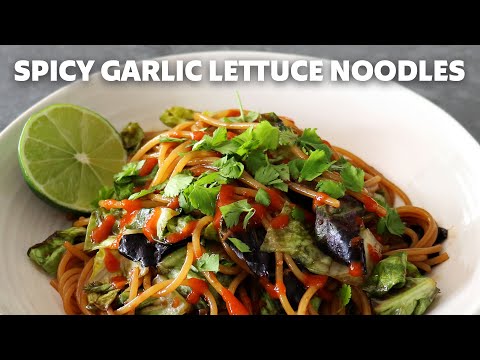
آن را در متن یاد بگیرید
این کلمه در زبانهای دیگر
عبارات مرتبط
واژههای بیشتر Food
wheat
B1گندم یک گیاه غلهای است که به طور گسترده به عنوان منبع اصلی غذا برای انسان و حیوانات کشت میشود. این گیاه معمولاً برای تهیه آرد جهت پخت نان، پاستا و شیرینی پودر میشود.
buttermilk
B21. این پنکیکهای باترمیلک (buttermilk) بسیار ترد و خوشمزه هستند. 2. سس باترمیلک طعم تند و تیزی به سالاد میدهد.
salt
A2نمک یک ماده معدنی است که برای چاشنی و نگهداری غذا استفاده می شود. 'لطفاً نمک را به من بدهید.'
pineapple
A1آناناس یک میوه گرمسیری بزرگ با پوستی سفت و فلسدار و تاجی از برگهای سبز است.
mushrooms
B1قارچها اندامهای بارده قارچها هستند که بسیاری از انواع آنها خوراکی و در آشپزی محبوب هستند.
truffles
C1ترافلها یا قارچهای خوراکی کمیابی هستند که در زیر زمین رشد میکنند و یا نوعی شیرینی شکلاتی غنی هستند. هر دو به عنوان خوراکیهای لوکس شناخته میشوند.
snack
A1میان وعده مقدار کمی غذا است که بین وعده های اصلی غذا خورده می شود.
coca
B1کوکا گیاهی است بومی کوههای آند که برگهای آن خاصیت محرک دارد.
corn
A1ذرت گیاهی بلند است که دانههای زرد و خوراکی تولید میکند.
salmon
B1ماهی سالمون یک ماهی بزرگ با گوشت صورتی است که برای تخمریزی به رودخانه بازمیگردد.

