Big Shops in France
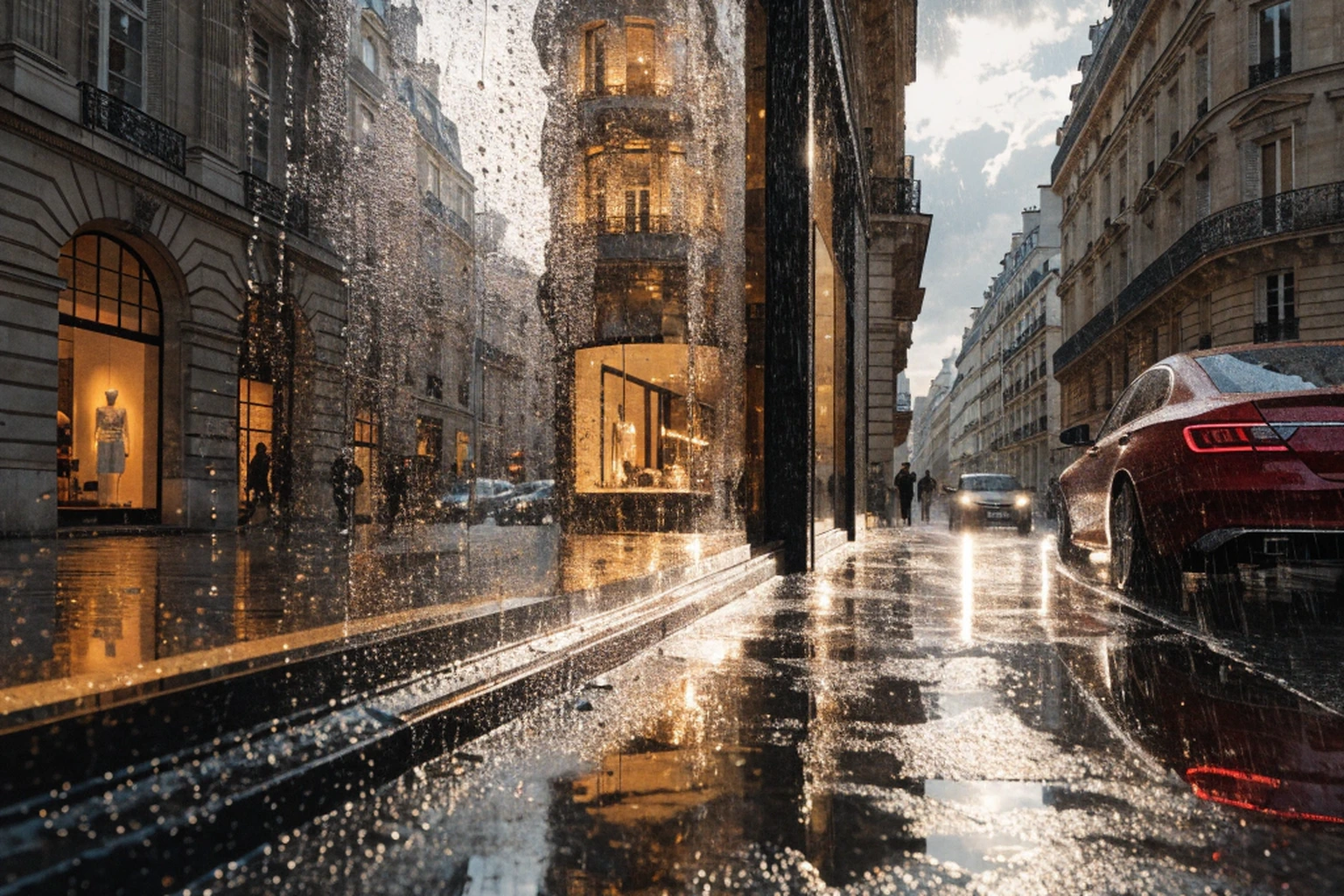
France is a country in Europe. It is famous for many beautiful things. Big shops in Paris sell nice clothes, bags, and perfume. The clothes are very pretty. The bags are special.
Many people go to France to see the fashion. Paris is the main city for fashion. You can see famous brand names in the windows. The shops are big and bright. People from all over the world visit them.
These things are from France. They are a part of French life. A dress or a bag from a big Paris shop is a famous souvenir. It is a nice memory from a trip.
文法スポットライト
パターン: 現在形:'to be' (be動詞)
"France is a country in Europe."
ひとつの物を説明するときに 'is' を使います。何であるか、またはどこにあるかを言うときに使います。例えば、「彼は学生です (He is a student)」や「本はテーブルの上にあります (The book is on the table)」のように。
パターン: 名詞の複数形
"Big shops in Paris sell nice clothes, bags, and perfume."
2つ以上の物について話すとき、多くの単語の終わりに '-s' を付けます。例えば、1つの 'shop' はたくさんの 'shops' になります。1つの 'bag' はたくさんの 'bags' になります。
理解度をチェック
10 問 · A1 初級 · 無料プレビュー 1回
この記事で学んだことをテストしよう。全問正解してXPを獲得!
パリの大きなお店では何を売っていますか?
問題の内訳
パリの大きなお店では何を売っていますか?
あなたの回答:
正解: 服、バッグ、香水
パリはフランスのファッションの中心都市です。
あなたの回答:
正解: 正しい
'famous' はどういう意味ですか?
あなたの回答:
正解: 多くの人に知られている
そのバッグは _____ です。
あなたの回答:
正解: special
French Fashion and Luxury
France is famous for its luxury goods. Many people know France for beautiful clothes, perfumes, and bags. Paris is the capital of fashion. Every year, millions of tourists visit Paris to shop.
French brands like Chanel, Dior, and Louis Vuitton are very popular. These companies make high-quality products. A bag from these brands is often more expensive than a normal bag. This is because they use the best materials. The workers spend a long time making each item.
In the past, kings and queens wore these expensive clothes. Today, people all over the world buy French luxury items. They buy them because they are beautiful and special. The luxury industry is very important for the French economy. It creates many jobs for people in France. French style is elegant and classic.
文法スポットライト
パターン: 比較級 (Comparatives)
"A bag from these brands is often more expensive than a normal bag."
2つのものを比較する時に使います。「expensive」のような長い形容詞の場合、単語の前に「more」、後に「than」を付けます。
パターン: 最上級 (Superlatives)
"This is because they use the best materials."
1つのものをグループ全体と比較する時に使います。「Best」は「good」の不規則な最上級です。
理解度をチェック
11 問 · A2 初級 · 無料プレビュー 1回
この記事で学んだことをテストしよう。全問正解してXPを獲得!
パリは何として知られていますか?
問題の内訳
パリは何として知られていますか?
あなたの回答:
正解: ファッションの都
フランスの高級バッグはたいてい安いです。
あなたの回答:
正解: 間違い
「expensive」はどういう意味ですか?
あなたの回答:
正解: たくさんのお金がかかる
フランスのスタイルは、______でクラシックだと言われています。
あなたの回答:
正解: elegant
なぜこれらの高級品は高いのですか?
あなたの回答:
正解: 最高の素材を使っているから
France: The World Leader in Luxury and Fashion
France is famous all over the world for its luxury goods industry. For centuries, French craftsmanship has been admired by people who appreciate high quality and elegance. Today, this sector is considered a vital part of the French economy and culture. It includes haute couture fashion, expensive jewelry, delicious perfumes, and fine wines.
The most successful luxury companies in the world are French. You may know famous names like Louis Vuitton, Chanel, and Hermès. These brands are owned by giant groups such as LVMH and Kering. LVMH, which stands for Moët Hennessy Louis Vuitton, is the largest luxury group globally. It has grown significantly in recent years. These companies employ thousands of skilled workers who have dedicated their lives to creating beautiful objects.
Leather bags, silk scarves, and diamond necklaces are sold in boutiques around the world. The label 'Made in France' is a symbol of prestige. For example, a single handbag might take an artisan forty hours to make by hand. This attention to detail is why customers are willing to pay high prices. The skills that are used to make these products have been passed down from generation to generation.
Paris, the capital of France, is often called the fashion capital of the world. Every year, fashion weeks are held there, attracting designers and models from every country. Visitors come to Paris to shop in famous stores along the Champs-Élysées. However, luxury is not just about expensive prices; it is about tradition and art. Many people believe that buying a French luxury item is an investment in style. Even if you cannot afford these items, looking at the window displays in Paris is a wonderful experience.
文法スポットライト
パターン: 受動態(受け身)
"These brands are owned by giant groups such as LVMH and Kering."
動作主(グループ)よりも、対象物(ブランド)に焦点を当てたい時に「be動詞 + 過去分詞」を使います。フォーマルな文章でよく使われる表現です。
パターン: 関係代名詞節
"These companies employ thousands of skilled workers who have dedicated their lives to creating beautiful objects."
直前の名詞についてさらに詳しく説明するために、人を指す場合は 'who'、物を指す場合は 'which' や 'that' で始まる節を後ろに置きます。
理解度をチェック
11 問 · B1 中級 · 無料プレビュー 1回
この記事で学んだことをテストしよう。全問正解してXPを獲得!
記事によると、パリは何としばしば呼ばれていますか?
問題の内訳
記事によると、パリは何としばしば呼ばれていますか?
あなたの回答:
正解: 世界のファッションの都
LVMHは、London Vuitton Moët Hennessyの略称である。
あなたの回答:
正解: 間違い
「vital」はどういう意味ですか?
あなたの回答:
正解: 絶対に不可欠な
製品を作るための技術は、世代(generation)から次の_____へと受け継がれてきました。
あなたの回答:
正解: generation
なぜ顧客は高い価格を喜んで支払うのですか?
あなたの回答:
正解: 細部へのこだわりと職人技があるから
フランスのラグジュアリー産業:文化と経済を紡ぐ卓越性
フランスは世界中で最も有名なラグジュアリー産業の拠点として知られています。この産業は単なる経済活動に留まらず、フランス文化の根幹をなす要素と言えるでしょう。オートクチュール、皮革製品、宝飾品、香水、そして高級ワインやスピリッツといった多岐にわたる分野を包含し、「l'industrie du luxe」として世界にその名を轟かせています。LVMH、ケリング、エルメスといった世界的企業グループがこの分野を牽引し、欧州で最も価値のある企業群に常に名を連ねています。
この成功の背景には、何世紀にもわたる職人の技と伝統、そして絶え間ない革新への追求があります。例えば、オートクチュールは、芸術的な創造性と卓越した技術が融合した究極の表現形式であり、その精巧な手仕事は世界中の人々を魅了し続けています。また、皮革製品においては、最高級の素材選びから製造工程に至るまで、一切の妥協を許さない姿勢が、製品の耐久性と美しさを保証しています。
フランスのラグジュアリーブランドは、単に高価な製品を提供するだけでなく、独特のライフスタイルや夢、憧れを消費者に提供しています。ブランドの歴史や物語は、製品に付加価値を与え、顧客との深い絆を築き上げています。グローバル市場における競争が激化する中でも、フランスのブランドは、その独自のアイデンティティと品質へのこだわりを失うことなく、成長を続けています。
さらに、これらの企業は、単に製品を販売するだけでなく、文化的なアンバサダーとしての役割も担っています。ファッションショーやイベントを通じて、フランスの芸術、デザイン、そしてエレガンスを世界に発信しているのです。若い才能の発掘や、伝統技術の継承にも積極的に取り組んでおり、持続可能な発展を目指す姿勢も評価されています。
しかしながら、模倣品の横行、環境問題への対応、デジタル化の進展といった新たな課題にも直面しています。これらの課題に対し、フランスのラグジュアリー産業は、伝統を守りつつも、現代のニーズに応える柔軟な戦略を模索しています。例えば、サステナビリティへの意識が高まる中で、環境に配慮した素材の採用や生産プロセスの改善が進められています。
結論として、フランスのラグジュアリー産業は、その卓越した品質、革新的な精神、そして豊かな文化的遺産によって、今後も世界のファッションと文化をリードし続けるでしょう。これは単なる経済的成功ではなく、フランス国家の誇りそのものと言えるのです。
文法スポットライト
パターン: 〜に留まらず (ni tomarazu)
"この産業は単なる経済活動に留まらず、フランス文化の根幹をなす要素と言えるでしょう。"
「〜に留まらず」は、「〜だけでなく、さらに広範囲にわたる」という意味を表します。ある範囲や限定を超えて、より大きな事柄や別の事柄にも当てはまることを強調する際に使われます。
パターン: 〜を背景に (o haikei ni)
"この成功の背景には、何世紀にもわたる職人の技と伝統、そして絶え間ない革新への追求があります。"
「〜を背景に」は、ある状況や出来事が起こる原因、またはその土台となっている状況を示す表現です。多くの場合、名詞に接続し、その背後にある理由や環境を説明します。
パターン: 〜だけでなく (dake de naku)
"フランスのラグジュアリーブランドは、単に高価な製品を提供するだけでなく、独特のライフスタイルや夢、憧れを消費者に提供しています。"
「〜だけでなく」は、「〜もそうだが、さらに別の事柄も当てはまる」という意味で、追加情報を提示する際に用いられます。動詞の普通形、形容詞、名詞など、様々な品詞に接続して使われます。
理解度をチェック
11 問 · B2 中上級 · 無料プレビュー 1回
この記事で学んだことをテストしよう。全問正解してXPを獲得!
フランスのラグジュアリー産業が「文化の根幹」である理由として、記事で述べられていることは何ですか?
問題の内訳
フランスのラグジュアリー産業が「文化の根幹」である理由として、記事で述べられていることは何ですか?
あなたの回答:
正解: 単なる経済活動に留まらないから
記事によると、フランスの高級ブランドは模倣品の問題には直面していない。
あなたの回答:
正解: 間違い
「牽引する」の意味に最も近いものはどれですか?
あなたの回答:
正解: 引っ張ってリードする
オートクチュールは、芸術的な創造性と卓越した技術が_____した究極の表現形式である。
あなたの回答:
正解: 融合
フランスのラグジュアリー産業が直面している課題として、記事で言及されていないものはどれですか?
あなたの回答:
正解: 人材不足
The Gilded Engine: France's Dominance in Global Luxury
Scarcely can one discuss the modern French economy without acknowledging the colossus that is the luxury sector. While France is celebrated for its gastronomy and philosophy, it is the luxury goods industry—encompassing haute couture, leather goods, jewelry, and fine spirits—that arguably serves as its most potent ambassador. This sector, known locally as "l'industrie du luxe," is not merely a commercial enterprise; it represents a quintessential element of French cultural identity, projecting an image of sophistication and artisanal excellence to the world.
At the forefront of this dominance stand conglomerates such as LVMH, Kering, and Hermès. These corporate titans have mastered the delicate art of balancing heritage with modernity. Rarely has a business model so successfully monetized history while remaining relentlessly forward-looking. The resilience of these brands is remarkable; even during global economic downturns, the demand for high-end French goods often remains robust, driven by an emerging middle class in Asia and a faithful clientele in the West. It is this steadfast demand that has allowed French luxury to outperform many other sectors of the European economy.
However, the industry is rife with paradox. Central to the allure of French luxury is the concept of "savoir-faire"—the unique, often centuries-old know-how possessed by skilled artisans. Yet, the massive scale of operation required by today's global market threatens to dilute this very exclusivity. The commodification of luxury, where logos are plastered across mass-produced accessories, risks stripping brands of their mystique. It is the preservation of these artisanal skills in the face of industrial pressure that remains the sector's greatest challenge. Manufacturers must navigate the fine line between ubiquity, which generates revenue, and scarcity, which generates desire.
Furthermore, the environmental impact of fashion has come under intense scrutiny. The industry is now compelled to address the sustainability of its supply chains. No longer is it sufficient to produce beautiful objects; they must also be ethically sourced. What distinguishes the leaders of tomorrow will be their ability to integrate eco-consciousness without compromising on quality. Nominalisation of these issues—the transformation of raw dissent into corporate strategy—is evident in the rigorous sustainability charters now adopted by major houses.
Ultimately, French luxury is more than just the selling of expensive items; it is the export of a dream. Whether through a bottle of perfume or a hand-stitched bag, these brands offer a slice of the French "art de vivre." As the world evolves, so too must this gilded engine, ensuring that its shine is not merely superficial but reflects a deep commitment to excellence, innovation, and ethical responsibility.
文法スポットライト
パターン: Negative Inversion
"Scarcely can one discuss the modern French economy without acknowledging the colossus that is the luxury sector."
This structure places a negative or restrictive adverb (scarcely, rarely, never) at the beginning of the sentence for emphasis. It requires the auxiliary verb to precede the subject (can one...), similar to question word order.
パターン: Cleft Sentences
"It is this steadfast demand that has allowed French luxury to outperform many other sectors."
Cleft sentences are used to focus on a specific part of the sentence. The structure 'It is + [emphasized element] + that/who...' allows the writer to highlight the 'steadfast demand' as the specific cause.
パターン: Nominalisation
"The proliferation of counterfeits risks stripping brands of their mystique."
Nominalisation involves turning verbs (proliferate) or adjectives into nouns (proliferation). This is common in academic and formal C1 writing as it allows for more abstract, objective, and concise expression of ideas.
理解度をチェック
10 問 · C1 上級 · 無料プレビュー 1回
この記事で学んだことをテストしよう。全問正解してXPを獲得!
According to the article, what is the 'paradox' facing the luxury industry?
問題の内訳
According to the article, what is the 'paradox' facing the luxury industry?
あなたの回答:
正解: The tension between maintaining exclusivity and the need for mass-market growth.
The article suggests that the luxury sector is purely an economic driver for France.
あなたの回答:
正解: 間違い
Which word means 'the capacity to recover quickly from difficulties'?
あなたの回答:
正解: Resilience
The unique know-how possessed by skilled artisans is referred to as ____________.
あなたの回答:
正解: savoir-faire
The Gilded Hegemony: French Luxury as Cultural Patrimony
The ascendancy of France as the unparalleled arbiter of global luxury is not merely a contemporary triumph of branding, but the culmination of a centuries-old strategic imperative. To view the French luxury sector—encompassing haute couture, viticulture, and leather goods—solely through the prism of economics is to overlook its profound sociological significance. It serves as a custodian of *savoir-faire*, a tangible manifestation of national heritage that Jean-Baptiste Colbert, minister to Louis XIV, presciently cultivated. Indeed, it was Colbert who famously remarked that 'fashions were to France what the mines of Peru were to Spain,' recognizing early on that the export of taste could yield dividends far exceeding those of precious metals.
In the contemporary landscape, this heritage has been consolidated into monolithic conglomerates like LVMH and Kering. These entities have masterfully commodified the intangible allure of French elegance, exporting a lifestyle that is at once aspirational and meticulously gatekept. Yet, a paradox emerges: how does one reconcile the requisite exclusivity of luxury with the financial demands of global ubiquity? The answer lies in the careful stratification of products, where entry-level cosmetics and accessories subsidize the rarefied air of made-to-measure creations. Were the illusion of scarcity to shatter, the brand equity would likely dissipate instantaneously.
Furthermore, the industry stands at a precipice regarding sustainability and ethical consumption. No longer can the provenance of raw materials be obscured behind a veil of glamour. Discriminating consumers now demand transparency, forcing historic houses to adapt or risk obsolescence. The resilience of French luxury, therefore, depends not on resting upon its laurels, but on its ability to weave sustainability into the very fabric of its narrative, ensuring that the pursuit of beauty does not come at the expense of ethical integrity. Thus, the French luxury sector remains a fascinating study in the tension between preserving archaic traditions and navigating the ruthless efficiency of modern capitalism.
文法スポットライト
パターン: 仮定法における倒置
"Were the illusion of scarcity to shatter, the brand equity would likely dissipate instantaneously."
この構文では「if」を省略し、主語と助動詞を入れ替えます(Were... to...)。C2レベルのアカデミックな文章に特徴的な、よりフォーマルで仮定的な響きになります。
パターン: 否定語による倒置
"No longer can the provenance of raw materials be obscured behind a veil of glamour."
文が「No longer(もはや〜ない)」のような否定の副詞句で始まる場合、強調や修辞的効果を出すために、主語と助動詞(can the provenance)が入れ替わります。
パターン: 強調構文(Cleft Sentences)
"Indeed, it was Colbert who famously remarked that 'fashions were to France what the mines of Peru were to Spain.'"
「It was X who...(〜なのはXだった)」という形を使うことで、主語(コルベール)を強く強調し、その行動の主体として際立たせることができます。
理解度をチェック
12 問 · C2 マスター · 無料プレビュー 1回
この記事で学んだことをテストしよう。全問正解してXPを獲得!
記事によると、ジャン=バティスト・コルベールはファッションをどの資源と同等だと考えていましたか?
問題の内訳
記事によると、ジャン=バティスト・コルベールはファッションをどの資源と同等だと考えていましたか?
あなたの回答:
正解: ペルーの貴金属
この記事は、現代の高級ブランド複合企業がフランスの遺産を活かすことに失敗したと示唆している。
あなたの回答:
正解: 間違い
「hegemony」に最も近い意味の言葉はどれですか?
あなたの回答:
正解: 支配
記事によると、目の肥えた消費者は現在、原材料に関する_____(透明性)を求めている。
あなたの回答:
正解: transparency
第2パラグラフで言及されている「パラドックス(矛盾)」とは何ですか?
あなたの回答:
正解: 排他性 vs 世界的な入手可能性
「presciently」はどういう意味ですか?
あなたの回答:
正解: 先見の明をもって
フランスと良いもの
フランスは国です。 フランスに良いものがあります。 カバンがあります。時計があります。 服も有名です。 良いお店がたくさんあります。
文法スポットライト
パターン: 〜です
"フランスは国です。"
「〜です」は、名詞の後に付けて、それが何であるかを説明するときに使います。とても丁寧な言い方です。例:これはペンです。
理解度をチェック
9 問 · A0 プレビギナー · 無料プレビュー 1回
この記事で学んだことをテストしよう。全問正解してXPを獲得!
問題の内訳
フランスは何ですか?
あなたの回答:
正解: 国
フランスに良いものがありません。
あなたの回答:
正解: 間違い
服も____です。
あなたの回答:
正解: 有名

