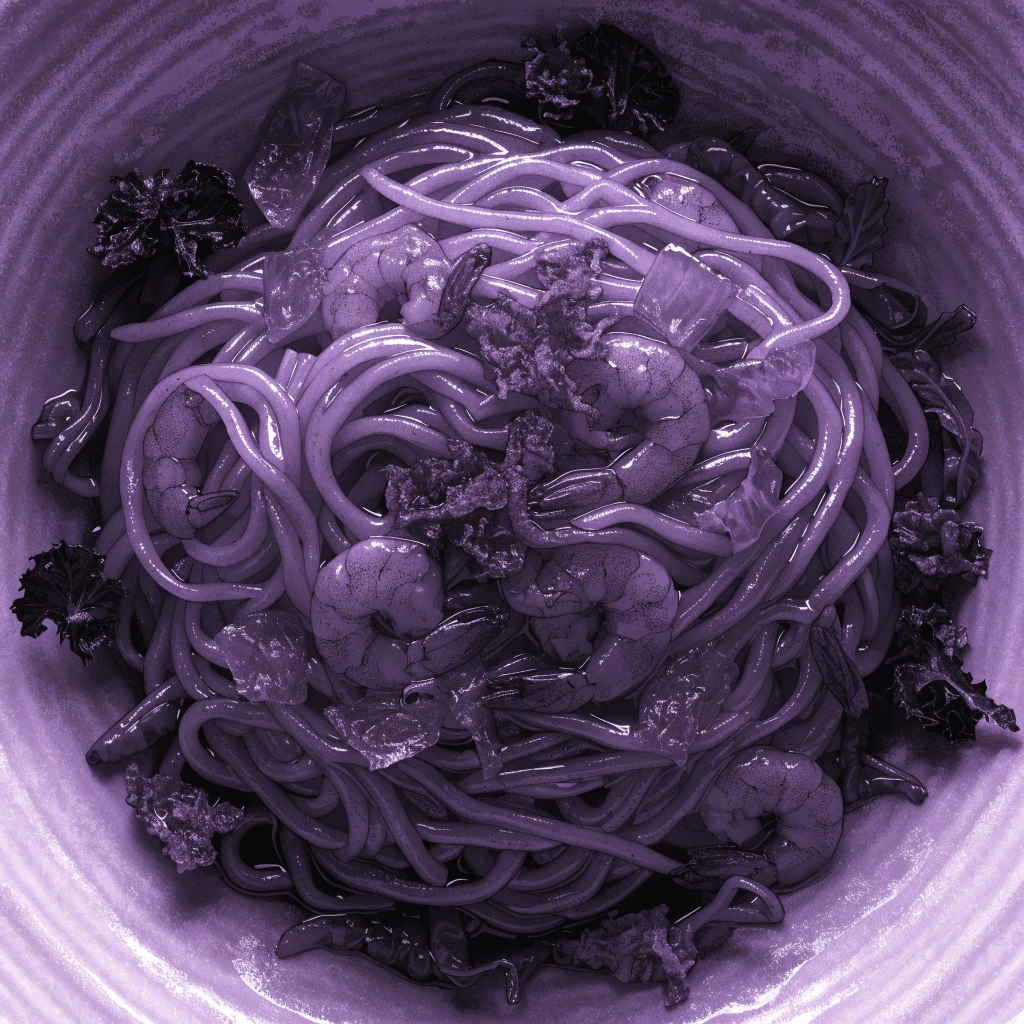
Pad Thai: A Famous Food
Pad Thai is a very famous food from Thailand. It is a delicious noodle dish. People in Thailand eat it every day. It is popular with tourists too.
The dish has many ingredients. It has rice noodles, eggs, and tofu. Some people add shrimp or chicken. It also has bean sprouts and peanuts. It tastes sweet and salty.
Pad Thai is special for Thailand. Many years ago, the government wanted a national dish. They chose Pad Thai. Now, you can find it in many restaurants and on the street. It is the most famous Thai food in the world.
文法スポットライト
パターン: Present Simple (Be)
"Pad Thai is a very famous food from Thailand."
We use 'is' with singular subjects like 'Pad Thai' to describe facts. It tells us what something is or how it looks.
パターン: Present Simple (Action)
"People in Thailand eat it every day."
We use the base verb 'eat' because 'people' is plural. This pattern describes things that happen regularly.
理解度をチェック
10 問 · A1 初級 · 無料プレビュー 1回
この記事で学んだことをテストしよう。全問正解してXPを獲得!
Where is Pad Thai from?
問題の内訳
Where is Pad Thai from?
あなたの回答:
正解: Thailand
Pad Thai has rice noodles.
あなたの回答:
正解: 正しい
What does 'famous' mean?
あなたの回答:
正解: Many people know it
Pad Thai is a delicious _____ dish.
あなたの回答:
正解: noodle
タイの有名な料理:パッタイの歴史
パッタイはタイでとても有名な麺料理です。世界中の人もこの料理を知っていますね。パッタイは美味しいですが、その歴史も少し面白いです。
昔、タイにはお米が足りない時代がありました。その時、タイの首相は、国民が食べる新しい料理が必要だと考えました。そして、首相はパッタイを作ることをすすめました。パッタイは米麺を使いますから、お米の代わりに食べることができました。これはタイの国民的な食べ物を作るためでもありました。
パッタイの材料は、米麺、卵、エビ、もやし、そしてピーナッツなどです。いろいろな材料と甘くて辛い味がとても美味しいです。パッタイは、タイの国民的な食べ物として、今も多くの人に愛されています。タイに行ったら、ぜひこの美味しい料理を食べてみてくださいね。タイの文化を感じることができますよ。
文法スポットライト
パターン: 〜として
"パッタイは、タイの国民的な食べ物として、今も多くの人に愛されています。"
「として」は、あるものが何かの役割や資格を持っていることを表すときに使います。「〜として」の前に名詞を置きます。例えば、「先生として」は「as a teacher」という意味です。
パターン: 〜ました (過去形)
"昔、タイにはお米が足りない時代がありました。"
「〜ました」は、過去の出来事や状態を表すときに使います。動詞のます形や形容詞の語幹に付けて使います。例えば、「食べました」は「ate」という意味です。
理解度をチェック
11 問 · A2 初級 · 無料プレビュー 1回
この記事で学んだことをテストしよう。全問正解してXPを獲得!
パッタイはどこの国の料理ですか?
問題の内訳
パッタイはどこの国の料理ですか?
あなたの回答:
正解: タイ
パッタイの歴史は面白くありません。
あなたの回答:
正解: 間違い
「首相」は何を意味しますか?
あなたの回答:
正解: 国のリーダー
昔、タイにはお米が____時代がありました。
あなたの回答:
正解: 足りない
記事によると、タイの首相はなぜパッタイを作ることをすすめましたか?
あなたの回答:
正解: お米が足りなかったから
The Story Behind Pad Thai: More Than Just Noodles
Pad Thai has become one of the most famous dishes in the world. You can find it in almost every international city, from London to New York. However, many people do not realize that this delicious meal has a very interesting political history. It was not just created for flavor, but it was also designed to build a strong sense of national pride and identity.
In the late 1930s, Thailand was going through many significant changes. The Prime Minister, Plaek Phibunsongkhram, was a leader who wanted to modernize the country quickly. At that time, there was a serious shortage of rice because of the war and bad weather. To solve this problem, the government encouraged people to eat rice noodles instead of whole grains. Noodles use less rice, which helped the country save its valuable resources during a difficult time.
Pad Thai was promoted as part of a national campaign to create a unique Thai culture. The government distributed recipes and encouraged street vendors to sell the dish everywhere. It was made with local ingredients like tofu, dried shrimp, and bean sprouts. These ingredients were cheap and easy to find, making the dish accessible to everyone in the population.
The dish, which combines sweet, sour, and salty flavors, has been adapted in many different ways over the years. Some chefs add extra chili for heat, while others use fresh prawns instead of dried ones. These variations show how the dish has changed while keeping its traditional roots.
Today, Pad Thai is recognized globally as a symbol of Thailand. Although it was originally a political tool, it has evolved into a beloved meal that represents Thai culture. Whether it is served on a busy street corner in Bangkok or in a fancy restaurant, it remains a favorite for locals and tourists alike.
文法スポットライト
パターン: Passive Voice
"Pad Thai was promoted as part of a national campaign to create a unique Thai culture."
The passive voice is used when the action is more important than the person doing it. It is formed using the verb 'to be' followed by the past participle of the main verb.
パターン: Relative Clauses
"The dish, which combines sweet, sour, and salty flavors, has been adapted in many different ways over the years."
Relative clauses give extra information about a noun. We use 'which' to provide more detail about objects or ideas without starting a new sentence.
理解度をチェック
11 問 · B1 中級 · 無料プレビュー 1回
この記事で学んだことをテストしよう。全問正解してXPを獲得!
Why did the Thai government encourage people to eat noodles in the 1930s?
問題の内訳
Why did the Thai government encourage people to eat noodles in the 1930s?
あなたの回答:
正解: There was a serious shortage of whole rice grains
Pad Thai was originally created to help build a sense of national pride.
あなたの回答:
正解: 正しい
What is an 'ingredient'?
あなたの回答:
正解: One of the foods used to make a specific dish
Pad Thai was _____ as part of a national campaign to create a Thai identity.
あなたの回答:
正解: promoted
Which combination of flavors is mentioned as being part of Pad Thai?
あなたの回答:
正解: Sweet, sour, and salty
国民食「パッタイ」に秘められた歴史と国家戦略
タイ料理と聞いて、多くの人がまず思い浮かべるであろう「パッタイ」。その甘酸っぱくも香ばしい味わいは、世界中で愛され、タイを代表する国民食として広く認識されています。しかし、この人気料理の誕生には、単なる食の好みを超えた、国家の壮大な戦略が隠されていることをご存知でしょうか。
パッタイの起源は、1930年代後半から1940年代初頭にかけての激動の時代に遡ります。当時のタイは、プラエク・ピブーンソンクラーム首相の指導の下、国家の近代化とアイデンティティの確立を強く推進していました。第二次世界大戦が勃発し、国際情勢が緊迫する中、タイは食料供給の安定化という喫緊の課題に直面していました。特に、主食である米の不足が深刻化し、国民の食生活に大きな影響を与えかねない状況でした。
このような背景において、ピブーンソンクラーム政権は、国民の連帯感を高め、かつ食料自給率を向上させるための画期的な政策を打ち出しました。それが、米粉麺を使った料理「パッタイ」の奨励でした。政府は、米そのものを直接消費するのではなく、米粉に加工して麺にすることで、少ない米で多くの国民を満腹にさせられると考えたのです。さらに、パッタイは、豆腐、干しエビ、もやし、ニラといったタイ国内で手に入る安価な食材を豊富に使うことができるため、経済的にも理にかなっていました。
政府は、パッタイを単なる料理としてではなく、「タイの精神」を象徴する食べ物として大々的に宣伝しました。屋台での販売を奨励し、そのレシピを全国に広めることで、国民はどこでも手軽にパッタイを楽しむことができるようになりました。この政策は、国民の食生活を安定させただけでなく、タイ独自の食文化を世界に発信する礎を築いたと言えるでしょう。
今日、パッタイは単なる一国の料理に留まらず、多様な食文化が融合する国際的な舞台においてもその存在感を確立しています。そのルーツには、食料危機を乗り越え、国家の統一を図ろうとした先人たちの知恵と努力が息づいています。一口食べるごとに、私たちはその豊かな歴史と、タイという国のアイデンティティを再認識させられるのです。
文法スポットライト
パターン: 〜に遡る (〜にさかのぼる)
"パッタイの起源は、1930年代後半から1940年代初頭にかけての激動の時代に遡ります。"
この表現は、「〜まで時間的に戻る」という意味で、物事の歴史や起源を語る際に使われます。過去の特定の時点や出来事を指し示すのに非常に便利です。
パターン: 〜を背景に (〜をはいけいに)
"このような背景において、ピブーンソンクラーム政権は、国民の連帯感を高め、かつ食料自給率を向上させるための画期的な政策を打ち出しました。"
「〜を背景に」は、「〜という状況や理由のもとで」という意味で、ある出来事や行動が起こった原因や状況を説明する際に用いられます。フォーマルな文脈でよく使われる表現です。
パターン: 〜に留まらず (〜にとどまらず)
"今日、パッタイは単なる一国の料理に留まらず、多様な食文化が融合する国際的な舞台においてもその存在感を確立しています。"
「〜に留まらず」は、「〜だけでなく、さらに広い範囲や他のものにも及ぶ」という意味を表します。ある事柄が限定的ではなく、より広範囲に影響を与えることを強調する際に使われます。
理解度をチェック
11 問 · B2 中上級 · 無料プレビュー 1回
この記事で学んだことをテストしよう。全問正解してXPを獲得!
パッタイの誕生に隠されているものは何ですか。
問題の内訳
パッタイの誕生に隠されているものは何ですか。
あなたの回答:
正解: 国家の壮大な戦略
パッタイが奨励された主な理由の一つは、米の不足を解消することでした。
あなたの回答:
正解: 正しい
「喫緊」の意味として最も適切なものはどれですか。
あなたの回答:
正解: 非常に急いでいること
ピブーンソンクラーム首相は、国家の近代化とアイデンティティの____を強く推進していました。
あなたの回答:
正解: 確立
パッタイが国民食として広まった理由として、記事に書かれていないものはどれですか。
あなたの回答:
正解: 王室が特に好んだこと
パッタイ:国民食に秘められた政治的意図と普遍的魅力
タイ料理と聞いて、多くの人がまず思い浮かべるであろう「パッタイ」。甘酸っぱく、時にスパイシーなその味わいは、世界中の人々を魅了してやみません。屋台から高級レストランに至るまで、タイの食文化に深く根差したこの米麺料理は、今やタイそのものを象徴する存在となっています。しかし、この国民的な一皿が、実は意外なほど政治的な意図のもとで誕生し、普及していったという歴史的背景は、あまり知られていないのではないでしょうか。
パッタイの起源を辿るには、1930年代後半から1940年代初頭のタイに目を向ける必要があります。当時の首相であったプレーク・ピブーンソンクラームは、強烈なナショナリズムを掲げ、強力な国家建設を目指していました。第二次世界大戦が勃発し、国際情勢が緊迫する中、彼は国民の団結を促し、タイ独自の文化を確立しようと努めていたのです。その一環として、食文化を通じた国民意識の醸成が図られました。当時のタイは、米を主食とする一方で、食糧不足という課題にも直面していました。
こうした状況下で、ピブーンソンクラーム政権が打ち出したのが、米麺料理であるパッタイの奨励でした。これは、単に新しい料理を紹介する以上の、多層的な目的を秘めていたのです。一つには、米の消費量を抑えつつ、国民に安価で栄養価の高い食事を提供すること。もう一つは、中国系の麺料理とは異なる、タイ独自の「国民食」を創出することで、国家アイデンティティを強化することでした。米麺は国内で豊富に生産でき、豆腐、干しエビ、もやしといった地元の食材を組み合わせることで、経済的かつ効率的に国民に供給することが可能でした。
政府は、パッタイのレシピを標準化し、全国の屋台や食堂で提供するよう積極的に推奨しました。その結果、パッタイは急速に国民の間に浸透し、日常的な食事として定着していったのです。意図せずして、この料理はタイの経済的自立と文化的な独自性を象徴する存在となっていきました。今日のパッタイは、その調理法や具材に地域ごとの多様性が見られるものの、基本的なスタイルは当時の政府の奨励によって確立されたものです。
パッタイが世界的な人気を博している現代において、その誕生が単なる美食の追求ではなく、国家の存立と国民の統合という、はるかに大きな政治的・社会的目的を担っていたことを顧みることは、極めて興味深いと言えるでしょう。一皿の料理が、いかにして国家の物語を紡ぎ、アイデンティティを形成する上で重要な役割を果たし得るのかを示す、まさに好例であると言えます。私たちにとって、パッタイは単なる美味しい料理であるに過ぎないかもしれませんが、その背景には、タイという国の歴史と精神が色濃く刻まれているのです。
この普遍的な魅力を持つ料理の裏に隠された歴史を知ることは、タイ文化への理解を一層深める一助となるに違いありません。食を通じて国家が語り継ぐメッセージに耳を傾けるとき、その味わいはまた一味違った深みを持つことでしょう。
文法スポットライト
パターン: ~であろう (推量・当然)
"タイ料理と聞いて、多くの人がまず思い浮かべるであろう「パッタイ」。"
「~であろう」は、話し手の推量や当然の帰結を表すC1レベルの表現です。「~だろう」よりも改まった、または断定的な響きを持ちます。動詞の辞書形や名詞・形容動詞の語幹に接続し、客観的な根拠に基づいた推量を述べるときに用いられます。
パターン: ~に目を向ける (注目・関心)
"パッタイの起源を辿るには、1930年代後半から1940年代初頭のタイに目を向ける必要があります。"
「~に目を向ける」は、「~に注意を払う」「~に関心を持つ」という意味を表す慣用表現です。特定の事柄や対象に意識を集中させ、考察したり理解しようとするときに用いられます。ここでは、歴史的背景を深く探るために必要な行動を示しています。
パターン: ~に過ぎない (限定・強調)
"私たちにとって、パッタイは単なる美味しい料理であるに過ぎないかもしれませんが、その背景には、タイという国の歴史と精神が色濃く刻まれているのです。"
「~に過ぎない」は、「~でしかない」「~以上のものではない」という意味で、ある事柄の範囲や程度が限定的であることを強調する表現です。話し手の評価や見解を強く示し、その限定的な側面を強調することで、本質的な意味を浮き彫りにする効果があります。
理解度をチェック
12 問 · C1 上級 · 無料プレビュー 1回
この記事で学んだことをテストしよう。全問正解してXPを獲得!
パッタイが国民食として奨励された主な理由として、記事中で挙げられているのは次のうちどれですか?
問題の内訳
パッタイが国民食として奨励された主な理由として、記事中で挙げられているのは次のうちどれですか?
あなたの回答:
正解: 米の消費を抑え、国民の団結を促すため
パッタイは、プレーク・ピブーンソンクラーム首相が国家建設を目指していた時期に、政治的な意図を持って奨励されました。
あなたの回答:
正解: 正しい
「多層的」とはどのような意味ですか?
あなたの回答:
正解: いくつかの異なる目的や側面が複雑に絡み合っている様子
政府は、パッタイのレシピを標準化し、全国の屋台や食堂で提供するよう積極的に_____しました。
あなたの回答:
正解: 推奨
記事によると、パッタイの誕生が担っていた「はるかに大きな政治的・社会的目的」とは具体的に何を指していますか?
あなたの回答:
正解: 国家の存立と国民の統合
現在のパッタイの調理法や具材には地域ごとの多様性が見られるが、基本的なスタイルは当時の政府の奨励によって確立されたものではない。
あなたの回答:
正解: 間違い
The Gastronomic Construct: Pad Thai and the Orchestration of National Identity
In the annals of culinary history, few dishes possess a pedigree as paradoxical as Pad Thai. While it is often perceived by the uninitiated as an ancient vestige of Siamese heritage, its genesis is, in fact, a masterclass in socio-political expediency. Emerging during the mid-20th century under the auspices of Prime Minister Plaek Phibunsongkhram, Pad Thai was less a product of organic evolution and more a strategic instrument of statecraft. Were it not for the calculated intervention of the state, this ubiquitous noodle dish might never have transcended the status of a localized curiosity. The late 1930s and early 1940s marked a period of profound transformation for Thailand. Phibunsongkhram, a figure synonymous with the 'Thai-ification' of the nation, sought to forge a unified national identity that could withstand the pressures of Western imperialism and internal fragmentation. Central to this endeavor was the homogenization of cultural practices, ranging from dress codes to linguistic norms. It was within this climate of rigorous nationalism that the government sought to introduce a national dish.
The objective was twofold: to bolster a sense of collective belonging and to address a pragmatic economic crisis. During World War II, Thailand faced a severe shortage of rice—the nation’s primary export and dietary staple. By promoting rice noodles, which used broken rice grains more efficiently, the state could mitigate the grain shortage while simultaneously weaning the populace off Chinese culinary hegemony. Paradoxically, the components of Pad Thai are largely of Chinese origin. The very act of stir-frying and the use of noodles were techniques introduced by Chinese immigrants. However, through a clever process of amalgamation, the government rebranded these elements by incorporating quintessentially Thai ingredients such as palm sugar, tamarind, and dried shrimp. This culinary subterfuge allowed the state to present a palatable version of modernity that felt authentically indigenous. Seldom has a culinary staple been so meticulously engineered to serve the exigencies of nation-building.
The proliferation of Pad Thai was not merely a domestic success; it served as the vanguard for Thailand's subsequent foray into 'gastro-diplomacy.' In the early 21st century, the Thai government launched the 'Global Thai' program, an initiative designed to increase the number of Thai restaurants worldwide. This state-sponsored expansion used Pad Thai as its primary ambassador, leveraging the dish's accessibility to project soft power and stimulate tourism. It is through this prism of cultural homogenization that we must analyze the dish's global dominance. One might argue that the 'authenticity' of Pad Thai is a moot point. While it may be a modern construct, its role in defining the Thai experience—both for citizens and the global community—is undeniable. The dish represents a confluence of necessity, political maneuvering, and cultural synthesis. It serves as a reminder that national identity is often a curated narrative, meticulously assembled from diverse threads to create a cohesive whole. Today, as one navigates the bustling streets of Bangkok or the cosmopolitan hubs of the West, the aroma of tamarind and toasted peanuts stands as a testament to the enduring power of state-sponsored culinary innovation. Pad Thai, therefore, remains not just a meal, but a profound symbol of Thailand’s sovereignty and its astute navigation of the global cultural landscape.
文法スポットライト
パターン: Inverted Conditional (Subjunctive)
"Were it not for the calculated intervention of the state, this ubiquitous noodle dish might never have transcended the status of a localized curiosity."
This formal structure replaces 'If it were not for...' by inverting the verb and subject. It is used in C2 level prose to express a hypothetical situation in the past that had a direct impact on the present.
パターン: Negative Inversion
"Seldom has a culinary staple been so meticulously engineered to serve the exigencies of nation-building."
When a sentence begins with a negative or restrictive adverb like 'seldom', the auxiliary verb comes before the subject. This adds rhetorical emphasis and a scholarly tone.
パターン: Cleft Sentence for Focus
"It is through this prism of cultural homogenization that we must analyze the dish's global dominance."
A cleft sentence (It + is/was + [focused part] + that/who) is used to emphasize a specific piece of information, in this case, the method of analysis.
理解度をチェック
12 問 · C2 マスター · 無料プレビュー 1回
この記事で学んだことをテストしよう。全問正解してXPを獲得!
What was the primary political motivation behind the creation of Pad Thai?
問題の内訳
What was the primary political motivation behind the creation of Pad Thai?
あなたの回答:
正解: To foster a unified national identity and manage a grain shortage.
The article suggests that Pad Thai is an ancient dish passed down through generations of Thai families.
あなたの回答:
正解: 間違い
Which word is a synonym for 'deceit used to achieve a goal' as used in the text?
あなたの回答:
正解: Subterfuge
The Thai government used Pad Thai as a primary _____ to project soft power globally.
あなたの回答:
正解: ambassador
According to the text, why were rice noodles promoted over whole rice grains?
あなたの回答:
正解: Rice noodles utilized broken rice grains more efficiently during a shortage.
The 'Global Thai' program was a state-sponsored initiative to expand Thai culinary influence.
あなたの回答:
正解: 正しい

