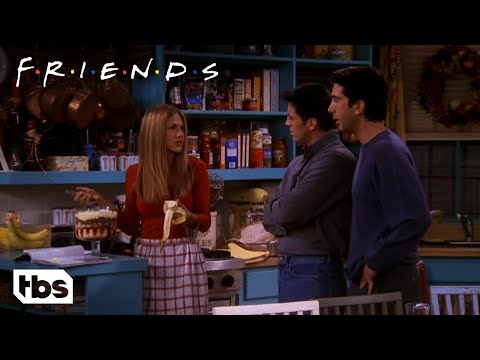
custard 30秒で
- Custard is a versatile, egg-based dairy mixture that can be served as a liquid sauce, a thick cream, or a firm, baked dessert.
- Commonly flavored with vanilla and sugar, it is a staple of British comfort food and international pastry making, known for its smooth texture.
- The word can also describe a pale yellow color or a specific physical state in science known as a non-Newtonian fluid.
- Key ingredients include milk or cream, egg yolks, and sugar, with starch sometimes added for extra stability and thickness in commercial versions.
The word custard refers to a wide variety of culinary preparations based on a cooked mixture of milk or cream and egg yolk. At its most fundamental level, custard is a marriage of dairy and protein, where the heat gently coagulates the egg proteins to create a thickened, smooth, and luxurious texture. In English-speaking cultures, particularly in the United Kingdom, Ireland, Australia, and New Zealand, custard is often synonymous with a sweet, pourable yellow sauce served hot over desserts like apple crumble or sticky toffee pudding. However, the term is far more expansive than just a dessert topping. It encompasses everything from the firm, sliced filling of a custard tart to the savory base of a quiche or the delicate wobble of a crème brûlée. The versatility of custard lies in its ratio of eggs to liquid and the method of cooking—whether it is stirred on a stovetop (custard sauce) or baked in an oven (set custard).
- Culinary Classification
- Custard is technically a thickened liquid, but it can exist as a liquid, a semi-solid, or a firm solid depending on the concentration of egg proteins and the presence of starch.
- Common Usage
- People use the word most frequently when discussing comfort foods, traditional desserts, or baking techniques. It is a staple of 'homely' cooking but also a foundation of high-end pastry work.
When people use the word 'custard' in a casual setting, they are usually referring to the sweet version. In the United States, 'frozen custard' is a popular variation that resembles ice cream but is made with eggs, resulting in a much denser and creamier mouthfeel. In a professional kitchen, a chef might use the term more technically, referring to 'creme anglaise' (a pouring custard) or 'pastry cream' (a starch-thickened custard). The word carries a connotation of warmth, sweetness, and nostalgia. For many, it evokes memories of school lunches or Sunday dinners at a grandparent's house. Because of its smooth texture, it is also a food often associated with convalescence or early childhood, as it is easy to swallow and digest.
The chef carefully tempered the egg yolks before whisking them into the steaming milk to create a perfectly smooth custard.
Beyond the kitchen, 'custard' occasionally appears in idioms or cultural references. For instance, 'custard pie' is a classic trope in slapstick comedy, where a pie filled with shaving cream or actual custard is thrown into someone's face for comedic effect. In science, 'custard powder' (made of cornstarch) mixed with water is a famous example of a non-Newtonian fluid, often used in classrooms to demonstrate physics principles because it acts like a liquid when touched gently but like a solid when struck with force. This dual nature—the soft, gentle food versus the scientific curiosity—makes custard a surprisingly multifaceted word in the English language.
Nothing beats a bowl of sliced bananas drowned in thick, homemade custard on a cold winter evening.
- Texture Descriptors
- Silky, velvety, rich, gloopy, set, curdled (when it goes wrong), and luscious.
The tart was filled with a lemon custard that was so firm it could be sliced into perfect triangles.
In summary, custard is a term that bridges the gap between simple home cooking and complex culinary science. It is used to describe a specific flavor profile—usually vanilla and egg—as well as a specific physical state. Whether you are ordering a 'custard doughnut' in a bakery or making a 'savory custard' for a vegetable flan, the word implies a certain level of richness and a smooth, protein-bound structure that is unmistakable once tasted.
The recipe warned that if the heat was too high, the custard would scramble, losing its characteristic smoothness.
A dollop of cold custard provided a refreshing contrast to the spicy ginger cake.
- Global Variations
- Flan (Spain/Mexico), Natas (Portugal), Zabaione (Italy), and Chawanmushi (Japan - savory).
Using the word custard correctly involves understanding whether you are treating it as a mass noun (uncountable) or a count noun. Most frequently, it is uncountable, referring to the substance itself. For example, 'I would like some custard' or 'The custard is too thin.' However, when referring to specific types or individual servings, it can be countable: 'The bakery offers three different custards: vanilla, chocolate, and matcha.' or 'We ordered two baked custards for dessert.' This flexibility is common in culinary English. To use it effectively, you should also be aware of the verbs that commonly accompany it. You 'make,' 'cook,' 'stir,' 'pour,' 'bake,' or 'set' a custard. If the eggs overcook, the custard 'curdles' or 'scrambles.' If it is perfect, it is 'smooth' or 'silky.'
- As a Subject
- 'The custard thickened beautifully as it cooled.' Here, the custard is the agent performing the action of thickening.
- As an Object
- 'She poured the warm custard over the sponge cake.' In this case, the custard is the thing being moved.
Adjectives play a crucial role in describing custard because its appeal is largely based on its sensory properties. You might describe it as 'rich' (high fat content), 'creamy' (smooth texture), 'lumpy' (poorly mixed), 'runny' (too thin), or 'stiff' (very firm). In technical writing or recipes, you will see it used as a modifier: 'custard powder,' 'custard tart,' 'custard filling,' or 'custard base.' When using it as a modifier, it identifies the primary flavor or structural element of the dish. For instance, a 'custard doughnut' is defined by its internal filling rather than its dough.
The pastry chef's signature dish was a delicate lavender-infused custard served with honey-glazed figs.
In more figurative or descriptive writing, 'custard' can be used to describe color or consistency. 'A custard-yellow sun' or 'The mud had the consistency of thick custard' are evocative ways to use the word outside of a food context. It immediately brings to mind a specific shade of pale, warm yellow and a viscous, slow-moving liquid. This metaphorical use relies on the reader's shared sensory experience of the food. When writing about custard, pay attention to the temperature as well; 'chilled custard' and 'steaming custard' offer very different culinary experiences and should be specified to provide clarity to the reader.
To avoid a skin forming on the custard, place a piece of plastic wrap directly on the surface while it cools.
- Verb Collocations
- Whisk the custard, temper the custard, strain the custard, chill the custard, serve the custard.
The children were delighted to find that the 'volcano' in their science project was actually erupting with yellow custard.
Finally, consider the register of your sentence. In a formal menu, you might see 'Crème Pâtissière' or 'Infused Custard.' In a casual conversation, you might just say 'custard.' If you are writing for a scientific audience, you might refer to it as an 'egg-based emulsion.' Matching the terminology to your audience ensures that the word 'custard' conveys the right level of sophistication or simplicity. Whether you are describing a 'custard-filled éclair' or a 'custard-like consistency,' the word remains a powerful tool for describing texture and taste.
He preferred his custard so thick that the spoon could stand upright in the bowl.
The recipe for the savory custard required a delicate balance of nutmeg, heavy cream, and sharp cheddar cheese.
- Prepositional Phrases
- Custard with fruit, custard on top, custard in the middle, custard for dessert.
The word custard is most frequently heard in domestic and commercial food-related environments. In the United Kingdom, you will hear it in school cafeterias (often referred to as 'canteen custard'), in family kitchens during Sunday lunch, and in supermarkets where it is sold in tins, cartons, or as a powder. If you visit a traditional British pub, the dessert menu will almost certainly feature 'crumble of the day served with custard or cream.' In this context, the word is a linguistic marker of traditional, unpretentious British fare. It is also a staple word in the vocabulary of 'Great British Bake Off' fans, where contestants frequently struggle with 'custard that hasn't set' or 'curdled custard,' making it a high-stakes term in the world of competitive baking.
- In the Bakery
- 'Do you have any custard-filled doughnuts left?' or 'The custard in this tart is exceptionally smooth.'
- In the Kitchen
- 'Keep stirring the custard so it doesn't catch on the bottom of the pan!'
In the United States, you are more likely to hear 'custard' in the context of 'frozen custard,' particularly in the Midwest. Cities like Milwaukee are famous for their frozen custard stands, where the word is associated with a premium, egg-rich alternative to ice cream. You might hear someone say, 'Let's go grab a custard,' which in that specific region means going to a drive-in for a frozen treat. In the Southern US, 'custard pie' or 'egg custard' is a common term for a simple, baked dessert that is a staple of holiday meals. Outside of these regions, Americans might use the word less frequently than the British, often opting for 'pudding' to describe similar textures, though the two are technically different (pudding is usually thickened with starch, while custard is thickened with eggs).
The waiter asked, 'Would you like your apple pie with ice cream, whipped cream, or hot custard?'
In a professional culinary setting, the word is used with precision. You will hear chefs discuss the 'custard base' for an ice cream or the 'custard ratio' for a quiche. It is a technical term that describes the fundamental chemistry of the dish. You might also hear it in a medical or caregiving context; because custard is soft and high in protein and calories, it is frequently mentioned in hospitals or nursing homes as a suitable food for patients who have difficulty chewing or need extra nutrition. Here, the word is associated with health and recovery rather than just indulgence.
The street vendor in Lisbon was shouting about his 'Pastéis de Nata,' which are essentially small, caramelized custard tarts.
- In Pop Culture
- 'Fish fingers and custard' is a famous, albeit strange, food combination mentioned in the TV show 'Doctor Who,' which led to a surge in people trying the odd pairing.
The comedian ended his set by taking a custard pie to the face, much to the delight of the audience.
Finally, you might hear the word in a physics or chemistry classroom. As mentioned before, custard powder mixed with water is the quintessential 'non-Newtonian fluid.' Teachers use it to explain how some materials change their viscosity under stress. In this academic environment, 'custard' isn't something to eat; it's a tool for scientific demonstration. Whether in a lab, a bakery, or a hospital, the word 'custard' is a common thread through many different aspects of daily life and specialized knowledge.
'Is that real custard or just the instant stuff from a packet?' the food critic asked suspiciously.
The recipe for the traditional English trifle requires a thick layer of cold custard to separate the fruit and the cream.
- At the Supermarket
- 'Can you find the custard powder? It's usually in the baking aisle next to the flour.'
One of the most common mistakes learners make with the word custard is confusing it with 'pudding.' While they are similar in appearance and use, they are technically different. In American English, 'pudding' is a broad term for a creamy dessert thickened with starch (like cornstarch). Custard, by definition, must be thickened with eggs. If you call a starch-thickened dessert 'custard' in a professional culinary context, you will be corrected. Conversely, in British English, 'pudding' is a general word for the entire dessert course (e.g., 'What's for pudding?'), while 'custard' specifically refers to the egg-based sauce or filling. Mixing these up can lead to confusion about whether you are talking about a specific dish or the dessert course in general.
- Spelling Error
- Mistaking 'custard' for 'costard' (an old word for a type of apple or a person's head) or 'mustard' (the spicy condiment). Always double-check that 'c'!
- Countability Confusion
- Saying 'I want three custards' when you mean 'I want three bowls of custard.' While 'custards' is used for types or individual servings, it's safer for learners to use 'custard' as an uncountable mass noun.
Another mistake is using 'custard' to describe any yellow sauce. For example, a Hollandaise sauce is yellow and contains eggs and butter, but it is never called a custard because it is savory, acidic (from lemon or vinegar), and has a different fat-to-egg ratio. Similarly, mayonnaise is an egg-based emulsion but is definitely not a custard. The word 'custard' implies a specific sweetness (usually) and a specific cooking method involving dairy. Using it too broadly can make your descriptions less accurate. Furthermore, beginners often forget that custard can be savory. While 90% of the time it is sweet, dishes like quiche or 'chawanmushi' are technically custards. Failing to recognize this can lead to confusion when reading advanced recipes or menus.
Incorrect: 'I added some custard to my hot dog.' (You probably meant mustard!)
In terms of pronunciation, some learners struggle with the 'u' sound. It is a short /ʌ/ sound, like in 'cup' or 'bus,' not a long /u:/ sound like in 'food.' Pronouncing it as 'coo-stard' is a common error. Additionally, the 't' is often softened in casual speech, but it should still be present. Another subtle mistake is using the word 'custardy' as a noun. 'Custardy' is an adjective (e.g., 'a custardy texture'). You cannot say 'I like the custardy of this cake'; you must say 'I like the custard in this cake' or 'I like the custardy texture of this cake.'
Correct: 'The custard was so thick it was almost like a cake.'
- Cultural Misstep
- Assuming all custard is served cold. In many cultures, especially the UK, serving custard cold over a hot dessert is seen as a mistake unless specifically requested; it should usually be steaming hot.
Incorrect: 'The custard was very spicy.' (Custard is almost never spicy; you likely mean a different sauce.)
Finally, there is the 'instant custard' vs. 'real custard' debate. If you are writing for a culinary audience, using 'custard' to describe a mixture made from powder and water might be seen as a mistake or at least a lack of precision. In high-end contexts, 'custard' implies the use of real eggs and cream. If you are using the powdered version, it is often better to specify 'instant custard' or 'custard from a mix' to avoid misleading your reader about the quality or ingredients of the dish.
The apprentice chef made the mistake of boiling the custard, which caused the eggs to curdle immediately.
Don't confuse 'custard' with 'curd.' Lemon curd is made with juice and butter, while lemon custard is made with milk or cream.
- Adjective Usage
- Avoid saying 'a custard cake' if you mean a cake that is *like* custard; use 'a custardy cake' instead. Use 'custard cake' only if the cake is actually filled with or made of custard.
While custard is a specific culinary term, there are several words that are often used as synonyms or are closely related in meaning. Understanding the nuances between these words will help you choose the right one for your context. The most common alternative is 'pudding,' but as we've discussed, this varies by region. In the US, pudding is the closest synonym for a creamy, spoonable dessert. In the UK, 'pudding' is too broad, so you might use 'sauce' or 'filling' depending on the custard's role. Another related term is 'curd,' such as lemon curd. While both involve eggs and thickening, a curd is usually fruit-based and more acidic, whereas a custard is dairy-based and more mellow.
- Crème Anglaise
- This is the French term for a light, pouring custard. It sounds more sophisticated and is often used on fine-dining menus.
- Pastry Cream (Crème Pâtissière)
- A thick custard thickened with starch, used for filling éclairs and fruit tarts. It is much firmer than a pouring custard.
For set custards, you might use words like 'flan,' 'crème caramel,' or 'panna cotta.' A 'flan' or 'crème caramel' is a custard baked with a layer of clear caramel sauce on top. 'Panna cotta,' while similar in texture, is actually thickened with gelatin rather than eggs, so it is not technically a custard, though it is often found in the same category on menus. If you are looking for a word to describe the texture rather than the dish itself, you might use 'mousse' (which is airier) or 'ganache' (which is chocolate-based and much richer). Using these specific terms shows a higher level of culinary knowledge and provides more detail to your listener or reader.
While the menu listed it as a custard, the texture was more like a dense chocolate ganache.
In a non-culinary sense, if you are using 'custard' to describe a color, alternatives include 'pale yellow,' 'canary,' 'primrose,' or 'cream.' If you are describing a consistency, you might use 'viscous,' 'thick,' 'creamy,' or 'gelatinous.' Each of these words carries a different connotation; 'viscous' is more scientific, while 'creamy' is more appetizing. Choosing the right alternative depends on whether you want to sound clinical, poetic, or hungry. In British slang, 'custard' doesn't have many synonyms, but the phrase 'keen as custard' (meaning very enthusiastic) is a rare and slightly dated idiom that you might encounter in older literature or regional dialects.
The Italian dessert Zabaione is a light, foamy custard made with egg yolks, sugar, and sweet wine.
- Savory Alternatives
- Quiche filling, flan, royal (a type of savory custard used in soups), and savory bread pudding.
The vanilla custard was the perfect foil for the tartness of the rhubarb crumble.
Finally, consider the word 'emulsion.' In a scientific context, custard is an emulsion of fat and water stabilized by egg proteins. While you wouldn't say 'I'd like some egg emulsion on my pie,' knowing this term helps you understand the physical properties of custard—why it separates if frozen incorrectly or why it thickens when heated. This deeper understanding allows you to use the word 'custard' and its alternatives with much greater confidence and precision in both everyday and specialized conversations.
A classic Bavarian cream is essentially a custard that has been lightened with whipped cream and set with gelatin.
The 'custard' served at the fast-food joint was actually a synthetic, non-dairy substitute.
- Texture Comparison
- Custard (smooth/dense) vs. Mousse (airy/light) vs. Jelly (firm/clear) vs. Pudding (creamy/starchy).
How Formal Is It?
豆知識
In the Middle Ages, custards were often savory and contained pieces of meat, fish, or fruit bound together by the egg and milk mixture. The transition to a purely sweet dessert sauce happened much later.
発音ガイド
- Pronouncing the 'u' like 'oo' (coo-stard).
- Over-emphasizing the second syllable (cus-TARD).
- Confusing the pronunciation with 'mustard'.
- Silent 't' (cus-ard).
- Pronouncing it like 'cost-ard'.
難易度
The word is short and common in food contexts, making it easy to recognize.
Spelling is mostly phonetic but can be confused with 'mustard'.
Simple two-syllable word with straightforward pronunciation.
Distinctive sound, though the 't' can be soft in some accents.
次に学ぶべきこと
前提知識
次に学ぶ
上級
知っておくべき文法
Mass Nouns
We use 'some' or 'much' with custard: 'How much custard do we have?'
Compound Nouns
Custard often acts as a modifier: 'custard tart', 'custard powder'.
Adjective Formation
Adding '-y' to make 'custardy' to describe texture: 'The cake had a custardy middle.'
Zero Article for Generalizations
When talking about custard in general: 'Custard is popular in England.'
Partitives
Using partitives to count custard: 'a bowl of custard', 'a jug of custard'.
レベル別の例文
I like yellow custard.
J'aime la crème anglaise jaune.
Simple subject-verb-object.
The custard is sweet.
La crème est sucrée.
Using an adjective to describe the noun.
Do you want custard?
Veux-tu de la crème anglaise ?
Direct question with an uncountable noun.
Custard is good with cake.
La crème anglaise est bonne avec le gâteau.
General statement.
My mom makes custard.
Ma maman fait de la crème anglaise.
Present simple tense.
The custard is in the bowl.
La crème anglaise est dans le bol.
Prepositional phrase 'in the bowl'.
It is hot custard.
C'est de la crème anglaise chaude.
Adjective before the noun.
I eat custard with a spoon.
Je mange de la crème anglaise avec une cuillère.
Instrumental 'with a spoon'.
She poured the custard over the fruit.
Elle a versé la crème sur les fruits.
Past simple tense.
We need custard powder from the shop.
Nous avons besoin de poudre à crème anglaise du magasin.
Compound noun 'custard powder'.
Is the custard hot or cold?
La crème anglaise est-elle chaude ou froide ?
Alternative question.
I don't like lumpy custard.
Je n'aime pas la crème anglaise avec des grumeaux.
Negative sentence with an adjective.
This custard tart is delicious.
Cette tarte au flan est délicieuse.
Noun used as a modifier.
He is eating a custard doughnut.
Il mange un beignet à la crème.
Present continuous tense.
Can you stir the custard for me?
Peux-tu remuer la crème pour moi ?
Polite request with 'can'.
There is a lot of custard on my plate.
Il y a beaucoup de crème anglaise sur mon assiette.
Quantifier 'a lot of'.
The custard should be thick enough to coat the back of a spoon.
La crème doit être assez épaisse pour napper le dos d'une cuillère.
Modal verb 'should' for expectation.
If you cook the custard too fast, it will curdle.
Si vous cuisez la crème trop vite, elle va trancher.
First conditional.
Baked custard has a much firmer texture than pouring custard.
Le flan au four a une texture beaucoup plus ferme que la crème anglaise.
Comparative structure.
I've been looking for a recipe for traditional egg custard.
Je cherche une recette de crème aux œufs traditionnelle.
Present perfect continuous.
The custard filling was flavored with real vanilla beans.
La garniture à la crème était parfumée avec de vraies gousses de vanille.
Passive voice.
She made a savory custard with spinach and cheese.
Elle a fait un flan salé aux épinards et au fromage.
Adjective 'savory' modifying the noun.
The children enjoyed making custard from scratch.
Les enfants ont aimé faire de la crème anglaise à partir de zéro.
Gerund after the verb 'enjoy'.
Would you prefer cream or custard with your pudding?
Préféreriez-vous de la crème ou de la crème anglaise avec votre dessert ?
Polite preference question.
The chef demonstrated how to temper the eggs before adding them to the custard base.
Le chef a montré comment tempérer les œufs avant de les ajouter à la base de crème.
Infinitive phrase of purpose.
A skin will form on the custard unless you cover it with parchment paper.
Une peau se formera sur la crème à moins que vous ne la couvriez de papier sulfurisé.
Conditional with 'unless'.
The richness of the custard perfectly balanced the acidity of the poached rhubarb.
La richesse de la crème équilibrait parfaitement l'acidité de la rhubarbe pochée.
Abstract noun 'richness' as subject.
Frozen custard is distinguished from ice cream by its higher egg yolk content.
La crème glacée aux œufs se distingue de la crème glacée par sa teneur plus élevée en jaunes d'œufs.
Passive voice with 'distinguished from'.
Despite its simple ingredients, a perfect custard requires precise temperature control.
Malgré ses ingrédients simples, une crème parfaite nécessite un contrôle précis de la température.
Concessive clause with 'despite'.
The custard's consistency was so smooth it felt like silk on the tongue.
La consistance de la crème était si lisse qu'on aurait dit de la soie sur la langue.
Result clause with 'so... that'.
He spent the afternoon perfecting his technique for making a crème caramel custard.
Il a passé l'après-midi à perfectionner sa technique pour faire un flan au caramel.
Verb + object + gerund pattern.
The custard powder was originally invented for people with egg allergies.
La poudre à crème anglaise a été inventée à l'origine pour les personnes allergiques aux œufs.
Historical fact in passive voice.
The delicate custard was infused with the subtle aroma of Earl Grey tea.
La crème délicate était infusée de l'arôme subtil du thé Earl Grey.
Participial phrase 'infused with'.
The recipe calls for a bain-marie to ensure the custard bakes evenly without curdling.
La recette demande un bain-marie pour s'assurer que le flan cuise uniformément sans trancher.
Technical culinary term 'bain-marie'.
Custard is a classic example of a non-Newtonian fluid, exhibiting variable viscosity under stress.
La crème est un exemple classique de fluide non newtonien, présentant une viscosité variable sous l'effet d'une contrainte.
Appositive phrase and scientific terminology.
The protagonist's memory of the warm custard served as a poignant symbol of his lost childhood.
Le souvenir de la crème chaude du protagoniste servait de symbole poignant de son enfance perdue.
Metaphorical and literary usage.
Achieving the ideal 'wobble' in a set custard is the hallmark of an experienced pastry chef.
Obtenir le 'tremblement' idéal dans un flan est la marque d'un pâtissier expérimenté.
Gerund phrase as the subject.
The custard's velvety mouthfeel is attributed to the high ratio of heavy cream to egg yolks.
La sensation veloutée en bouche de la crème est attribuée au rapport élevé entre la crème épaisse et les jaunes d'œufs.
Passive construction 'is attributed to'.
The custard pie has long been a staple of slapstick comedy, providing a messy yet harmless visual gag.
La tarte à la crème est depuis longtemps un élément de base de la comédie burlesque, offrant un gag visuel salissant mais inoffensif.
Present perfect tense with 'long been'.
The custard was so rich that even a small portion felt like an indulgence.
La crème était si riche que même une petite portion ressemblait à un plaisir coupable.
Subordinating conjunction 'so... that'.
The culinary discourse surrounding the 'perfect' custard often devolves into a debate over the merits of starch versus pure egg thickening.
Le discours culinaire entourant la crème 'parfaite' dégénère souvent en un débat sur les mérites de l'épaississement à l'amidon par rapport à l'œuf pur.
Complex sentence with academic register.
In the realm of molecular gastronomy, custard is reimagined through the use of hydrocolloids to achieve unprecedented textures.
Dans le domaine de la gastronomie moléculaire, la crème est réimaginée grâce à l'utilisation d'hydrocolloïdes pour obtenir des textures sans précédent.
Passive voice with technical jargon.
The custard's failure to set was indicative of a fundamental error in the tempering process.
L'échec de la prise de la crème était révélateur d'une erreur fondamentale dans le processus de tempérage.
Adjectival phrase 'indicative of'.
Historical records suggest that the medieval 'custade' was a far more robust and savory affair than its modern, saccharine counterpart.
Les documents historiques suggèrent que la 'custade' médiévale était une affaire beaucoup plus robuste et savoureuse que son homologue moderne et doucereuse.
Comparative analysis with historical context.
The viscosity of the custard was meticulously measured to ensure it complemented the density of the sponge cake.
La viscosité de la crème a été méticuleusement mesurée pour s'assurer qu'elle complétait la densité du génoise.
Adverbial modification 'meticulously measured'.
The custard served as a neutral canvas, allowing the complex notes of the saffron and cardamom to resonate.
La crème servait de toile neutre, permettant aux notes complexes du safran et de la cardamome de résonner.
Metaphorical 'neutral canvas'.
One must be wary of the 'scrambled egg' effect, a common pitfall when the custard is subjected to excessive thermal energy.
Il faut se méfier de l'effet 'œufs brouillés', un piège courant lorsque la crème est soumise à une énergie thermique excessive.
Formal pronoun 'one' and scientific phrasing.
The custard's ephemeral sweetness provided a fleeting contrast to the enduring bitterness of the dark chocolate glaze.
La douceur éphémère de la crème offrait un contraste fugace à l'amertume durable du glaçage au chocolat noir.
Sophisticated vocabulary: 'ephemeral', 'fleeting', 'enduring'.
よく使う組み合わせ
よく使うフレーズ
— A popular type of British biscuit with a custard-flavored center.
Would you like a custard cream with your tea?
— A cold dessert similar to ice cream but made with eggs.
Let's stop at the stand for some frozen custard.
— A pie filled with custard, often used in slapstick comedy.
The clown got hit with a custard pie.
— A custard that is cooked in the oven until it becomes solid.
My grandmother makes the best baked custard.
— Custard made quickly from a powder or pre-made carton.
We used instant custard because we were in a hurry.
— Having the texture or appearance of custard.
The sauce had a smooth, custard-like consistency.
— A non-sweet custard used in main dishes like quiche.
The savory custard was filled with mushrooms.
— A tropical fruit with a creamy, custard-like flesh.
The custard apple is sweet and very soft.
— A doughnut filled with vanilla custard.
I'll have a custard doughnut and a coffee, please.
— A liquid custard used to pour over other foods.
The pudding was drowning in custard sauce.
よく混同される語
A spicy yellow condiment. One letter difference, but completely different taste!
In the US, these are often the same, but technically pudding uses starch and custard uses eggs.
Lemon curd is made with fruit juice and butter; custard is made with milk or cream.
慣用句と表現
— Very enthusiastic or eager.
The new intern is as keen as custard to start the project.
dated/British— A humiliating or unexpected public embarrassment.
The scandal was a real custard pie in the face for the politician.
informal— To be able to do something or meet a standard (similar to 'cut the mustard').
He's good, but I'm not sure he can cut the custard in this league.
rare/slang— Soft-headed or foolish.
Don't be so custard-brained; the answer is obvious!
informal/insult— To be very wobbly or unstable.
The old bridge was shaking like a custard in a gale.
informal/descriptive— Something that is authentic or high quality (British).
That new car is proper custard, isn't it?
slang/regional— To be stupid or unable to think clearly.
Sometimes I think that boy has custard for brains.
informal— A specific shade of pale, warm yellow.
She painted her kitchen a cheerful custard-yellow.
neutral— To be in a difficult or messy situation.
If we don't finish this on time, we'll be in the custard.
informal/rare— A playful or mildly insulting name for someone.
Come on, custard-face, let's go!
informal/childish間違えやすい
Similar texture and appearance.
Custard is thickened with eggs; pudding is usually thickened with starch.
This vanilla pudding is good, but I prefer a real egg custard.
Both are creamy desserts.
Mousse is light and airy because of whipped cream or egg whites; custard is dense and smooth.
The chocolate mousse was light, unlike the heavy custard.
Both are egg-based.
Flan is a specific type of set, baked custard, often with caramel.
We ordered a flan, which is a type of baked custard.
Both are creamy dairy products.
Yogurt is fermented and tangy; custard is cooked and sweet.
I had yogurt for breakfast, but I want custard for dessert.
Custard is made from cream.
Cream is just the dairy; custard is the mixture of dairy and eggs.
Don't just use cream; you need eggs to make custard.
文型パターン
I like [color] custard.
I like yellow custard.
Can I have [noun] with custard?
Can I have cake with custard?
The custard is [adjective] enough to [verb].
The custard is thick enough to pour.
If you [verb], the custard will [verb].
If you boil it, the custard will curdle.
The [noun] of the custard was [adjective].
The consistency of the custard was perfect.
[Verb]ing the custard requires [noun].
Making the custard requires patience.
The custard, [participial phrase], was [adjective].
The custard, infused with vanilla, was delicious.
The [abstract noun] of the custard [verb] the [noun].
The viscosity of the custard complemented the cake.
語族
名詞
形容詞
関連
使い方
Common in culinary and domestic contexts.
-
Boiling the custard.
→
Simmering it gently.
Boiling causes the egg proteins to tighten too much, resulting in a watery, lumpy mess.
-
Confusing custard with mustard.
→
Using the correct first letter.
Mustard is a condiment for meat; custard is a dessert sauce. They are not interchangeable!
-
Not stirring enough.
→
Stirring constantly.
If you don't stir, the custard at the bottom of the pan will overcook and stick.
-
Using whole eggs instead of just yolks.
→
Using only yolks for richness.
While you can use whole eggs, yolks provide the characteristic richness and smooth texture of true custard.
-
Calling panna cotta a custard.
→
Recognizing it as a gelatin dessert.
Custard must be thickened by eggs. Panna cotta is thickened with gelatin, so it's a different category.
ヒント
Low and Slow
Always cook custard over low heat. If the temperature gets too high, the eggs will scramble and ruin the texture.
Avoid the Skin
To prevent a skin from forming on top of cooling custard, press a piece of plastic wrap directly onto the surface.
Use Real Vanilla
For the best flavor, use a real vanilla bean or high-quality extract instead of artificial flavoring.
The Spoon Test
Custard is ready when it is thick enough to coat the back of a spoon. Run your finger through the coating; if the line stays, it's done.
Temperature Contrast
Try serving cold custard over a hot dessert, or hot custard over cold fruit, for a delightful sensory experience.
Fixing Lumps
If your custard starts to get lumpy, quickly pour it through a fine-mesh strainer to remove the bits of cooked egg.
Starch for Stability
If you are a beginner, adding a teaspoon of cornstarch can help prevent the custard from curdling so easily.
Fridge Life
Homemade custard only lasts about 2-3 days in the refrigerator because of the fresh eggs and dairy.
Classic Pairings
Custard goes perfectly with tart fruits like rhubarb, gooseberries, or Granny Smith apples.
Explore Globally
Don't stop at vanilla! Try making custard with matcha, chocolate, or even lavender for a modern twist.
暗記しよう
記憶術
C-U-S-T-A-R-D: Creamy, Useful, Sweet, Tasty, And Really Delicious!
視覚的連想
Imagine a bright yellow blanket being poured over a warm, red apple crumble. The yellow blanket is the custard.
Word Web
チャレンジ
Try to describe three different desserts that use custard without using the word 'sweet' or 'yellow'.
語源
The word 'custard' comes from the Middle English word 'custade' or 'crustade', which referred to a type of open pie or tart with a crust. This was derived from the Old French 'croustade', meaning a dish with a crust, which in turn comes from the Latin 'crusta' (shell or crust). Over time, the 'r' was lost, and the word came to refer to the filling itself rather than the crust.
元の意味: A tart or pie with a crust, usually containing meat or fruit in a thickened sauce.
Indo-European (Latin -> French -> English)文化的な背景
Be aware that traditional custard contains eggs and dairy, which are common allergens and not suitable for vegans.
Custard is a staple of the 'Sunday Roast' tradition in the UK, served with a crumble or sponge pudding.
実生活で練習する
実際の使用場面
At a restaurant
- Does this come with custard?
- Can I have extra custard?
- Is the custard hot?
- Is the custard made with real eggs?
In a kitchen
- Keep stirring the custard.
- Don't let the custard boil.
- The custard is thickening.
- Whisk the eggs into the custard.
At a supermarket
- Where is the custard powder?
- I need a carton of custard.
- Do you sell ready-to-eat custard?
- Is this custard vegan?
In a bakery
- One custard tart, please.
- Are these doughnuts filled with custard?
- The custard in this éclair is very rich.
- I love the custard filling.
At a dinner party
- The custard is homemade.
- Would anyone like more custard?
- This custard has a lovely vanilla flavor.
- I've never tried savory custard before.
会話のきっかけ
"Do you prefer your custard hot or cold when you eat it with dessert?"
"Have you ever tried making custard from scratch, or do you use the powder?"
"What is your favorite thing to eat with custard? I love apple crumble."
"In your country, do you have a dessert that is similar to English custard?"
"Do you think custard-filled doughnuts are better than jam-filled ones?"
日記のテーマ
Describe a memory of a dessert you ate as a child that involved custard.
If you had to invent a new flavor of custard, what would it be and why?
Write a short recipe for a perfect bowl of custard, including your secret ingredient.
Do you prefer creamy, liquid sauces or firm, jelly-like desserts? Compare custard to other textures.
Imagine you are a food critic. Write a review of a custard tart you recently 'ate'.
よくある質問
10 問No, while most custard is sweet, there are savory versions like quiche filling or Japanese chawanmushi. These use salt and savory flavors instead of sugar.
Technically, no. If it doesn't have eggs, it's a pudding or a starch-thickened sauce. However, 'custard powder' allows you to make an egg-free version that tastes similar.
Lumps usually happen if the eggs cook too quickly or aren't whisked enough. This is called 'curdling.' You should cook it over low heat and stir constantly.
Crème anglaise is simply the formal French name for a light, pouring custard. They are essentially the same thing, but 'crème anglaise' sounds more professional.
Custard is high in protein and calcium from the eggs and milk, but it also contains sugar and fat. It is often given to people who need soft, high-calorie food.
You can freeze 'frozen custard' (which is made for that), but regular pouring custard doesn't freeze well; it often separates and becomes grainy when thawed.
Most custard powder is made of cornflour (cornstarch), salt, vanilla flavoring, and yellow food coloring. It was invented as an egg alternative.
You can cook it for a bit longer over low heat, or add a small amount of cornstarch mixed with milk if you don't mind it being less traditional.
It is a tropical fruit (Annona reticulata) that has a sweet, creamy, white flesh with a texture similar to custard.
Traditional custard is yellow because of the egg yolks. Commercial custard uses food coloring to mimic this natural yellow color.
自分をテスト 200 問
Describe your favorite dessert that uses custard. Why do you like it?
Well written! Good try! Check the sample answer below.
Write a short dialogue between a waiter and a customer ordering custard.
Well written! Good try! Check the sample answer below.
Explain the difference between custard and pudding in your own words.
Well written! Good try! Check the sample answer below.
Write a set of instructions on how to make custard from a powder.
Well written! Good try! Check the sample answer below.
Describe the texture and taste of custard to someone who has never tried it.
Well written! Good try! Check the sample answer below.
Write a short story about a chef who forgets to stir the custard.
Well written! Good try! Check the sample answer below.
Compare 'pouring custard' and 'set custard'. Which do you prefer?
Well written! Good try! Check the sample answer below.
Write a formal menu description for a dessert featuring custard.
Well written! Good try! Check the sample answer below.
Explain why custard is considered a 'comfort food' in many cultures.
Well written! Good try! Check the sample answer below.
Write a poem about a warm bowl of custard on a cold day.
Well written! Good try! Check the sample answer below.
Discuss the scientific properties of custard as a non-Newtonian fluid.
Well written! Good try! Check the sample answer below.
Write a complaint letter to a restaurant about lumpy custard.
Well written! Good try! Check the sample answer below.
Describe the cultural significance of custard in the United Kingdom.
Well written! Good try! Check the sample answer below.
Create a new recipe for a savory custard dish.
Well written! Good try! Check the sample answer below.
Write a short paragraph about the history of custard.
Well written! Good try! Check the sample answer below.
Explain how to 'temper' eggs when making custard.
Well written! Good try! Check the sample answer below.
Write a review of a custard tart you recently tried.
Well written! Good try! Check the sample answer below.
Discuss the pros and cons of instant custard versus homemade custard.
Well written! Good try! Check the sample answer below.
Write a children's story about a 'Custard Monster'.
Well written! Good try! Check the sample answer below.
Describe the color 'custard-yellow' using metaphors.
Well written! Good try! Check the sample answer below.
Talk about a time you ate a dessert with custard. Did you like it?
Read this aloud:
あなたの回答:
Speech recognition is not supported in your browser. Try Chrome or Edge.
Explain how to make a simple custard to a friend.
Read this aloud:
あなたの回答:
Speech recognition is not supported in your browser. Try Chrome or Edge.
Do you think instant custard is as good as homemade? Why or why not?
Read this aloud:
あなたの回答:
Speech recognition is not supported in your browser. Try Chrome or Edge.
Describe the perfect custard tart. What does it look and taste like?
Read this aloud:
あなたの回答:
Speech recognition is not supported in your browser. Try Chrome or Edge.
How would you explain the word 'custard' to someone who doesn't know it?
Read this aloud:
あなたの回答:
Speech recognition is not supported in your browser. Try Chrome or Edge.
What are some common mistakes people make when cooking custard?
Read this aloud:
あなたの回答:
Speech recognition is not supported in your browser. Try Chrome or Edge.
Talk about the regional differences in custard you have learned about.
Read this aloud:
あなたの回答:
Speech recognition is not supported in your browser. Try Chrome or Edge.
If you were a chef, how would you use custard in a creative way?
Read this aloud:
あなたの回答:
Speech recognition is not supported in your browser. Try Chrome or Edge.
Discuss the pros and cons of using eggs versus starch in custard.
Read this aloud:
あなたの回答:
Speech recognition is not supported in your browser. Try Chrome or Edge.
Why do you think custard is such a popular comfort food?
Read this aloud:
あなたの回答:
Speech recognition is not supported in your browser. Try Chrome or Edge.
Describe the color custard-yellow. What things in nature are this color?
Read this aloud:
あなたの回答:
Speech recognition is not supported in your browser. Try Chrome or Edge.
Have you ever seen a custard pie fight? What did you think of it?
Read this aloud:
あなたの回答:
Speech recognition is not supported in your browser. Try Chrome or Edge.
What is your favorite fruit to eat with custard?
Read this aloud:
あなたの回答:
Speech recognition is not supported in your browser. Try Chrome or Edge.
Do you prefer hot or cold custard? Explain your choice.
Read this aloud:
あなたの回答:
Speech recognition is not supported in your browser. Try Chrome or Edge.
How does the texture of custard compare to yogurt or jelly?
Read this aloud:
あなたの回答:
Speech recognition is not supported in your browser. Try Chrome or Edge.
Talk about a traditional custard dish from your own country.
Read this aloud:
あなたの回答:
Speech recognition is not supported in your browser. Try Chrome or Edge.
Explain the concept of a non-Newtonian fluid using custard as an example.
Read this aloud:
あなたの回答:
Speech recognition is not supported in your browser. Try Chrome or Edge.
What would you say to a waiter if they served you lumpy custard?
Read this aloud:
あなたの回答:
Speech recognition is not supported in your browser. Try Chrome or Edge.
Describe the process of 'tempering' eggs in a cooking show style.
Read this aloud:
あなたの回答:
Speech recognition is not supported in your browser. Try Chrome or Edge.
Why is custard often served in hospitals?
Read this aloud:
あなたの回答:
Speech recognition is not supported in your browser. Try Chrome or Edge.
Listen to the recipe: How many eggs are needed for the custard? (Audio: 'Take four egg yolks and whisk them with sugar.')
What is the chef's main tip for smooth custard? (Audio: 'The secret is to never let it boil.')
Which dessert is being described? (Audio: 'It's a tart filled with yellow egg mixture and topped with nutmeg.')
What does the customer want with their pie? (Audio: 'I'll have the apple pie with extra hot custard, please.')
Why is the baker upset? (Audio: 'Oh no, the custard has curdled because the heat was too high!')
What is the ingredient mentioned? (Audio: 'Don't forget to add a splash of vanilla to the custard.')
What is the texture of the custard described as? (Audio: 'This custard is incredibly silky and rich.')
How long should the custard bake? (Audio: 'Place it in the oven for thirty minutes until it's set.')
What is the regional term used? (Audio: 'In Lisbon, you must try the custard tarts called Pastéis de Nata.')
What is the scientific term used? (Audio: 'We are studying custard as a non-Newtonian fluid today.')
What is the biscuit mentioned? (Audio: 'My favorite snack is a couple of custard creams with my tea.')
What is the color of the sun described as? (Audio: 'The sun was a beautiful custard-yellow this morning.')
What is the problem with the custard? (Audio: 'It's too runny; it needs to be thicker.')
What is the filling of the éclair? (Audio: 'This éclair is bursting with fresh vanilla custard.')
What is the historical fact mentioned? (Audio: 'Alfred Bird's wife was the reason he invented custard powder.')
I added some custard to my hot dog.
Custard is sweet; mustard is the condiment for hot dogs.
The custard was lumpy because I boiled them.
Custard is an uncountable noun and should use the singular pronoun 'it'.
She made a custardy for the cake.
Custardy is an adjective; custard is the noun.
I want three custards for my pie.
Custard is usually uncountable when used as a sauce.
The custard curdled because the heat was too low.
High heat causes curdling, not low heat.
He is as keen as mustard to eat the custard.
While 'keen as mustard' is more common, 'keen as custard' is the specific idiom being taught.
The custard tart was filled with lemon curd.
Curd and custard are different preparations.
You should not stir the custard while it cooks.
Stirring is essential to prevent lumps and sticking.
Custard is a Newtonian fluid.
Custard's viscosity changes under stress, making it non-Newtonian.
I love the yellow color of the mustard sauce on my cake.
Mustard on cake would be terrible; you mean custard.
/ 200 correct
Perfect score!
Summary
Custard is the ultimate culinary bridge between liquid and solid, relying on the gentle power of egg proteins to transform simple dairy into a rich, velvety experience. Whether poured hot over a crumble or sliced cold in a tart, it remains a global symbol of comfort and indulgence. Example: 'A perfectly executed custard should be as smooth as silk and just sweet enough to complement the main dish.'
- Custard is a versatile, egg-based dairy mixture that can be served as a liquid sauce, a thick cream, or a firm, baked dessert.
- Commonly flavored with vanilla and sugar, it is a staple of British comfort food and international pastry making, known for its smooth texture.
- The word can also describe a pale yellow color or a specific physical state in science known as a non-Newtonian fluid.
- Key ingredients include milk or cream, egg yolks, and sugar, with starch sometimes added for extra stability and thickness in commercial versions.
Low and Slow
Always cook custard over low heat. If the temperature gets too high, the eggs will scramble and ruin the texture.
Avoid the Skin
To prevent a skin from forming on top of cooling custard, press a piece of plastic wrap directly onto the surface.
Use Real Vanilla
For the best flavor, use a real vanilla bean or high-quality extract instead of artificial flavoring.
The Spoon Test
Custard is ready when it is thick enough to coat the back of a spoon. Run your finger through the coating; if the line stays, it's done.