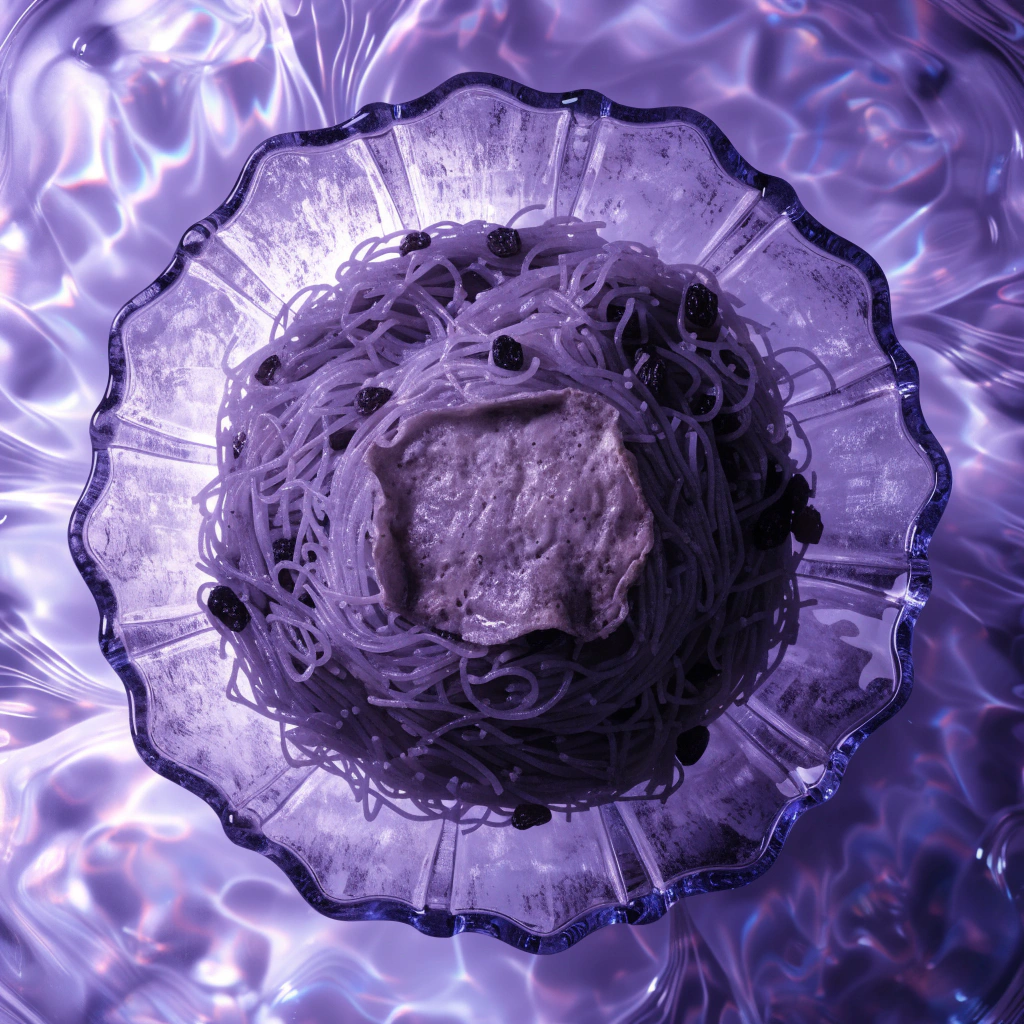
Balaleet: Uma Comida dos Emirados
Balaleet é um prato típico dos Emirados Árabes Unidos. É uma comida especial. As pessoas comem Balaleet no café da manhã. Também comem como um jantar leve. Este prato tem duas partes. Uma parte é macarrão doce. O macarrão é fino e tem especiarias. A outra parte é um ovo. O ovo é salgado e fino, como uma omelete. Balaleet é doce e salgado. É muito gostoso! As famílias comem Balaleet em festas, como o Eid. É um prato famoso e saboroso.
Gramática em destaque
Padrão: Verbo 'Ser' (Presente)
"Balaleet é um prato típico."
O verbo 'ser' é usado para falar sobre o que algo ou alguém 'é'. Ele descreve características permanentes. Para 'Balaleet' (ele/ela), usamos 'é'.
Padrão: Artigos Definidos (O/A)
"O macarrão é fino e tem especiarias. A outra parte é um ovo."
Usamos 'o' para substantivos masculinos singulares e 'a' para substantivos femininos singulares. Eles indicam que falamos de algo específico. Por exemplo, 'o macarrão' e 'a parte'.
Teste sua compreensão
10 perguntas · A1 Iniciante · 1 pré-visualização grátis
Teste o que aprendeu neste artigo. Responda todas as perguntas para ganhar XP!
De onde é o prato Balaleet?
Quer finalizar o quiz?
9 perguntas a mais estão esperando por você. Cadastre-se grátis para desbloquear o quiz completo e ganhar XP!
Cadastrar grátisJá tem conta? Entrar
Detalhamento das perguntas
De onde é o prato Balaleet?
Sua resposta:
Resposta correta: Dos Emirados Árabes Unidos
Balaleet é um prato que tem só sabor doce.
Sua resposta:
Resposta correta: Falso
O que significa a palavra 'comida'?
Sua resposta:
Resposta correta: O que as pessoas comem
Balaleet é um ______ típico dos Emirados Árabes Unidos.
Sua resposta:
Resposta correta: prato
Balaleet: Um Prato Doce e Salgado dos Emirados
Você conhece o Balaleet? É um prato muito especial dos Emirados Árabes Unidos. As pessoas comem Balaleet no café da manhã. Ele é muito popular, especialmente durante o Eid, que é uma festa importante. O Balaleet é diferente porque ele é doce e salgado ao mesmo tempo.
Este prato tem duas partes principais. A primeira parte é o macarrão fino, chamado vermicelli. Este macarrão é doce e tem especiarias, como cardamomo e açafrão. Eles cozinham o macarrão com açúcar até ficar macio e saboroso. A segunda parte é um omelete fino e salgado. As pessoas preparam o omelete e depois o colocam em cima do macarrão.
É uma mistura interessante de sabores. Muitas famílias comem Balaleet nas manhãs de festa. Mas não é só para o café da manhã. Algumas pessoas também comem Balaleet no jantar, quando querem algo leve e diferente. É uma comida deliciosa e fácil de encontrar nos Emirados Árabes Unidos. Você gostaria de experimentar este prato único?
Gramática em destaque
Padrão: Presente do Indicativo para Hábitos e Verdades Gerais
"As pessoas comem Balaleet no café da manhã."
Usamos o presente do indicativo para falar sobre coisas que acontecem sempre, hábitos ou verdades. Ele descreve ações regulares no dia a dia.
Padrão: Conector 'porque' (causa)
"O Balaleet é diferente porque ele é doce e salgado ao mesmo tempo."
A palavra 'porque' é usada para explicar a razão ou o motivo de algo. Ela conecta uma ação ou estado a sua causa.
Teste sua compreensão
11 perguntas · A2 Elementar · 1 pré-visualização grátis
Teste o que aprendeu neste artigo. Responda todas as perguntas para ganhar XP!
O que é Balaleet?
Quer finalizar o quiz?
10 perguntas a mais estão esperando por você. Cadastre-se grátis para desbloquear o quiz completo e ganhar XP!
Cadastrar grátisJá tem conta? Entrar
Detalhamento das perguntas
O que é Balaleet?
Sua resposta:
Resposta correta: Um prato dos Emirados Árabes Unidos
Balaleet é comido apenas no jantar.
Sua resposta:
Resposta correta: Falso
O que significa 'doce'?
Sua resposta:
Resposta correta: Com sabor de açúcar
Complete a frase: 'O Balaleet é diferente ______ ele é doce e salgado ao mesmo tempo.'
Sua resposta:
Resposta correta: porque
Quando o Balaleet é especialmente popular?
Sua resposta:
Resposta correta: Durante o Eid
Balaleet: A Sweet and Savory Emirati Tradition
Balaleet is a traditional Emirati dish that has become a symbol of hospitality in the United Arab Emirates. It is a unique meal because it combines sweet and savory flavors in one bowl. Most people eat it for breakfast, but it is also frequently served as a light dinner for guests.
The main part of the dish is vermicelli, which is a type of very thin pasta. To prepare the dish, the noodles are first toasted in a pan until they turn golden brown. Then, they are boiled and mixed with sugar, cardamom, and saffron. These ingredients give the noodles a beautiful yellow color and a wonderful smell. Finally, the sweet vermicelli is topped with a thin, salty omelet. This contrast between the sugary noodles and the eggs is what makes the dish special.
Balaleet has been a favorite choice for special occasions for many years. It is particularly popular during the festive mornings of Eid Al-Fitr and Eid Al-Adha. Families gather together to share this meal after their morning prayers. While some visitors might find the mix of sugar and eggs unusual, Emiratis believe the balance of flavors is perfect.
In modern times, the recipe has been passed down through many generations. Although there are now different ways to make it, the traditional taste remains the same. If you visit a local home in the UAE, you will likely be offered a plate of this delicious dish. It is a great example of how different ingredients, which might seem strange together, can create something truly special.
Gramática em destaque
Padrão: Present Perfect
"Balaleet has been a favorite choice for special occasions for many years."
We use the present perfect (have/has + past participle) to talk about actions that started in the past and continue to the present. In this sentence, it shows that the dish's popularity started long ago and is still true today.
Padrão: Passive Voice
"To prepare the dish, the noodles are first toasted in a pan."
The passive voice (be + past participle) is used when the action is more important than the person doing it. Here, it focuses on what happens to the noodles during the cooking process.
Teste sua compreensão
11 perguntas · B1 Intermediário · 1 pré-visualização grátis
Teste o que aprendeu neste artigo. Responda todas as perguntas para ganhar XP!
What is unique about the flavor of Balaleet?
Quer finalizar o quiz?
10 perguntas a mais estão esperando por você. Cadastre-se grátis para desbloquear o quiz completo e ganhar XP!
Cadastrar grátisJá tem conta? Entrar
Detalhamento das perguntas
What is unique about the flavor of Balaleet?
Sua resposta:
Resposta correta: It combines sweet and savory flavors
Balaleet is often served during Eid celebrations.
Sua resposta:
Resposta correta: Verdadeiro
What does 'savory' mean?
Sua resposta:
Resposta correta: Tasting of salt or spices
The noodles are mixed with sugar, cardamom, and _____.
Sua resposta:
Resposta correta: saffron
What is placed on top of the sweet noodles?
Sua resposta:
Resposta correta: A thin, salty omelet
Balaleet: A Symphony of Sweet and Savory in Emirati Culinary Heritage
Balaleet represents a sophisticated intersection of flavors within the Emirati culinary heritage. This traditional dish, which is characterized by its unique combination of sweet and savory elements, serves as a testament to the intricate history of trade in the Arabian Peninsula. At its core, Balaleet is a breakfast staple, though its presence is most prominent during festive occasions such as Eid Al-Fitr and Eid Al-Adha. It reflects the region's ability to harmonize diverse ingredients into a singular, cohesive experience.
The preparation of Balaleet is a meticulous process that requires precision to achieve the desired texture and flavor profile. The vermicelli is first lightly toasted until it achieves a golden hue, providing a nutty depth that contrasts with the sweetness to follow. Subsequently, the noodles are boiled briefly and then infused with an aromatic blend of sugar, cardamom, and saffron. These spices are not merely additives; they are integral components that elevate the dish, offering a fragrant complexity that is synonymous with Gulf hospitality.
What distinguishes Balaleet from other regional pasta dishes is the addition of a thin, savory omelet placed atop the sweetened vermicelli. This layer is often seasoned simply with salt and black pepper, creating a bold contrast that challenges the conventional boundaries of breakfast cuisine. To the uninitiated, the fusion of sugary noodles and salty eggs might seem unconventional; however, for the Emirati community, it is a cherished manifestation of cultural identity. The dish illustrates how historical trade routes brought spices and pasta to the region, which were then adapted to local tastes.
Furthermore, Balaleet has remained a staple of the local diet for generations because of its versatile nature. While it is traditionally served warm for breakfast, it is equally enjoyed as a light dinner or even a cold dessert in some contemporary variations. In modern UAE society, while international food trends continue to influence local dining habits, the enduring popularity of Balaleet signifies a deep-rooted respect for tradition. It is not merely a meal; it is a cultural bridge that connects the past with the present, ensuring that the essence of Emirati hospitality is preserved for future generations. As families gather around the table during celebrations, the golden strands of Balaleet continue to represent the warmth and richness of the nation's history.
Gramática em destaque
Padrão: Passive Voice
"The vermicelli is first lightly toasted until it achieves a golden hue..."
The passive voice is used here to focus on the action being performed on the food rather than the person cooking it. It is formed using 'to be' + past participle.
Padrão: Relative Clauses
"This traditional dish, which is characterized by its unique combination of sweet and savory elements, serves as a testament..."
Non-defining relative clauses provide extra information about a noun. They are separated by commas and use 'which' for objects or 'who' for people.
Padrão: Present Perfect Simple
"Balaleet has remained a staple of the local diet for generations..."
The present perfect is used to describe a state or action that started in the past and continues to the present day. It emphasizes the continuity of the tradition.
Teste sua compreensão
11 perguntas · B2 Intermediário superior · 1 pré-visualização grátis
Teste o que aprendeu neste artigo. Responda todas as perguntas para ganhar XP!
According to the article, what historical factor influenced the ingredients of Balaleet?
Quer finalizar o quiz?
10 perguntas a mais estão esperando por você. Cadastre-se grátis para desbloquear o quiz completo e ganhar XP!
Cadastrar grátisJá tem conta? Entrar
Detalhamento das perguntas
According to the article, what historical factor influenced the ingredients of Balaleet?
Sua resposta:
Resposta correta: Historical trade routes
Balaleet is exclusively served as a breakfast dish and is never eaten at other times.
Sua resposta:
Resposta correta: Falso
What does 'intricate' mean in the context of the article?
Sua resposta:
Resposta correta: Highly detailed and complex
The vermicelli is infused with an _____ blend of sugar, cardamom, and saffron.
Sua resposta:
Resposta correta: aromatic
What is the primary function of the omelet in Balaleet?
Sua resposta:
Resposta correta: To provide a savory contrast to the sweet vermicelli
The Gastronomic Dichotomy of Balaleet: A Culinary Synthesis of Emirati Tradition
Rarely does one encounter a culinary creation that so effortlessly bridges the chasm between the saccharine and the savory as Balaleet. This Emirati staple, a cornerstone of festive breakfasts, represents a sophisticated amalgamation of textures and flavors that challenges the uninitiated palate. It is the juxtaposition of cardamom-scented vermicelli and a subtly salted omelet that elevates this dish beyond mere sustenance into the realm of gastronomic art. The dish serves as a testament to the intricate flavor palettes inherent in Gulf cuisine, where the integration of spices like saffron and rose water provides an olfactory depth that is both pervasive and ephemeral.
The meticulous preparation of the vermicelli is what dictates the eventual textural success of the dish. Initially, the thin noodles are lightly toasted until they achieve a golden hue, a process that imparts a nutty undertone. Subsequently, they are boiled and then infused with a syrup comprising sugar, saffron, and ground cardamom. This nominalization of the cooking process—transforming simple boiling into a complex infusion—is critical. The result is a vibrant, orange-tinted base that possesses a delicate balance of sweetness and spice. It is the aromatic infusion of saffron and cardamom that defines the character of the noodles, ensuring that the sweetness is never cloying but rather nuanced and layered.
Topping this sweet foundation is a thin, savory omelet, often seasoned with little more than a pinch of salt and black pepper. The placement of the omelet is not merely aesthetic; it provides a necessary structural and flavor contrast. When consumed together, the saltiness of the egg cuts through the sugar-laden vermicelli, creating a harmonious profile that is quintessential to the Emirati breakfast experience. During the festive mornings of Eid Al-Fitr and Eid Al-Adha, the presence of Balaleet on the dining table is non-negotiable, symbolizing hospitality and the preservation of cultural heritage. Despite the burgeoning influence of international cuisines in the UAE, the resilience of Balaleet remains unshaken.
Critically analyzing the dish reveals a profound understanding of sensory balance. While a superficial glance might categorize Balaleet as a simple breakfast item, its construction suggests a deep-seated appreciation for culinary complexity. The interplay between the soft, yielding noodles and the slightly firm omelet creates a multi-sensory experience. Furthermore, the use of rose water adds a floral top note that lingers, grounding the more assertive spices. In contemporary Emirati households, while modern shortcuts exist, the traditional method of slow-steaming the vermicelli after mixing it with the sugar and spices is still preferred to ensure the flavors permeate every strand. Ultimately, Balaleet is more than just a meal; it is a cultural artifact that encapsulates the history and hospitality of the United Arab Emirates.
Gramática em destaque
Padrão: Inversion
"Rarely does one encounter a culinary creation that so effortlessly bridges the chasm between the saccharine and the savory as Balaleet."
Inversion is used here for emphasis by placing a negative adverbial ('Rarely') at the start of the sentence, requiring the auxiliary verb 'does' to come before the subject 'one'.
Padrão: Cleft Sentence
"It is the aromatic infusion of saffron and cardamom that defines the character of the noodles."
This 'It-cleft' structure focuses the reader's attention on the specific ingredients (saffron and cardamom) that are responsible for the result.
Padrão: Nominalization
"The meticulous preparation of the vermicelli is what dictates the eventual textural success of the dish."
Nominalization involves turning verbs or adjectives into nouns ('preparation', 'success'). This creates a more formal, academic tone typical of C1 level writing.
Teste sua compreensão
12 perguntas · C1 Avançado · 1 pré-visualização grátis
Teste o que aprendeu neste artigo. Responda todas as perguntas para ganhar XP!
What is the primary sensory contrast described in the article regarding Balaleet?
Quer finalizar o quiz?
11 perguntas a mais estão esperando por você. Cadastre-se grátis para desbloquear o quiz completo e ganhar XP!
Cadastrar grátisJá tem conta? Entrar
Detalhamento das perguntas
What is the primary sensory contrast described in the article regarding Balaleet?
Sua resposta:
Resposta correta: The sweet vermicelli against the salty omelet
The article suggests that Balaleet is losing its popularity due to international food trends.
Sua resposta:
Resposta correta: Falso
What does 'juxtaposition' mean in the context of the article?
Sua resposta:
Resposta correta: Placing contrasting elements together
The noodles are first lightly toasted to give them a _____ undertone.
Sua resposta:
Resposta correta: nutty
When is Balaleet most traditionally served in the UAE?
Sua resposta:
Resposta correta: During festive mornings such as Eid
The vermicelli is boiled before it is toasted.
Sua resposta:
Resposta correta: Falso
The Gastronomic Paradox: An Analytical Deconstruction of Emirati Balaleet
The culinary landscape of the United Arab Emirates serves as a profound testament to the historical confluence of trade routes, migration, and cultural synthesis. At the heart of this gastronomic heritage lies Balaleet, a dish that arguably represents the quintessential Emirati breakfast. To the uninitiated, Balaleet presents a seemingly paradoxical juxtaposition of flavor profiles: the unapologetic sweetness of sugar-dusted vermicelli noodles, infused with the ethereal aromatics of saffron and cardamom, set against the savory, protein-rich foundation of a seasoned omelet. This interplay of disparate elements is not merely a quirk of local taste but a sophisticated reflection of the region's socio-cultural evolution.
Scholars of food history posit that the origins of Balaleet are intrinsically linked to the spice trade that once flourished across the Indian Ocean. The vermicelli, ostensibly a product of early global trade, serves as a canvas for the more localized nuances of Gulf spices. Were one to scrutinize the textural composition of the dish, one would observe a meticulously achieved balance. The noodles are first parboiled or toasted—a process that must be executed with extreme precision lest the structure of the pasta collapse into an unappealing mass. This foundational layer is then sweetened and perfumed, creating a sensory experience that is as olfactory as it is gustatory.
However, it is the inclusion of the egg that elevates Balaleet from a mere dessert to a complex meal. The omelet, often seasoned with little more than salt and perhaps a hint of black pepper, acts as a functional counterbalance to the saccharine intensity of the noodles. This dichotomy between the sweet and the savory is a hallmark of many traditional Emirati dishes, yet Balaleet remains perhaps the most illustrative example. It is frequently suggested that this combination provided the necessary caloric density and nutritional variety required for the rigorous lifestyle of pearl divers and desert dwellers of previous centuries.
In contemporary Emirati society, the consumption of Balaleet is imbued with a sense of ritualistic significance. While it is a staple of everyday breakfast tables, its presence is mandatory during the festive mornings of Eid Al-Fitr and Eid Al-Adha. On such occasions, the dish functions as a social glue, facilitating communal bonding and reinforcing a shared identity. The preparation of Balaleet is often a didactic process, passed down through generations, where the subtle ratios of saffron to rosewater are debated with academic fervor.
Furthermore, the dish can be viewed as a culinary palimpsest, where layers of historical influence remain visible beneath the surface of modern presentation. There is a certain academic hedging required when discussing its 'original' form, as various coastal regions within the UAE may introduce slight deviations in spicing or technique. Some may argue that the addition of rosewater is essential, while others might contend that the cardamom should remain the dominant aromatic note. Regardless of these regional idiosyncrasies, the core identity of Balaleet remains unshakable.
Ultimately, Balaleet is more than a mere breakfast item; it is an analytical window into the Emirati psyche. It represents a culture that embraces complexity and finds harmony in contradiction. Seldom does a dish manage to bridge the gap between the ancient spice routes and the high-tech kitchens of modern Dubai so effortlessly. To consume Balaleet is to engage with a history that is simultaneously ephemeral in its aromas and enduring in its cultural resonance. It is imperative that the modern diner approach this dish not merely as sustenance, but as a sophisticated dialogue between the past and the present, where every bite reveals a nuanced chapter of the Arabian narrative.
Gramática em destaque
Padrão: Subject-Auxiliary Inversion with Negative Adverbs
"Seldom does a dish manage to bridge the gap between the ancient spice routes and the high-tech kitchens of modern Dubai so effortlessly."
In formal C2 English, when a sentence begins with a negative or restrictive adverb like 'seldom', 'rarely', or 'never', the subject and the auxiliary verb are inverted to add emphasis and rhetorical weight.
Padrão: Hypothetical Conditionals with 'Were'
"Were one to scrutinize the textural composition of the dish, one would observe a meticulously achieved balance."
This structure is a formal alternative to 'If one were to...'. It utilizes the subjunctive 'were' at the beginning of the clause to express a hypothetical or scholarly observation.
Padrão: The Mandative Subjunctive
"It is imperative that the modern diner approach this dish not merely as sustenance, but as a sophisticated dialogue."
The subjunctive mood is used after adjectives expressing urgency or importance (e.g., imperative, essential). The verb 'approach' remains in its base form regardless of the subject.
Teste sua compreensão
12 perguntas · C2 Domínio · 1 pré-visualização grátis
Teste o que aprendeu neste artigo. Responda todas as perguntas para ganhar XP!
According to the article, what does the 'paradoxical juxtaposition' in Balaleet refer to?
Quer finalizar o quiz?
11 perguntas a mais estão esperando por você. Cadastre-se grátis para desbloquear o quiz completo e ganhar XP!
Cadastrar grátisJá tem conta? Entrar
Detalhamento das perguntas
According to the article, what does the 'paradoxical juxtaposition' in Balaleet refer to?
Sua resposta:
Resposta correta: The combination of sweet vermicelli and a savory omelet.
The author suggests that the origins of Balaleet are entirely local and unaffected by international trade.
Sua resposta:
Resposta correta: Falso
Which word describes something that has layers of history visible beneath its current state?
Sua resposta:
Resposta correta: Palimpsest
The preparation of Balaleet is described as a _____ process, meaning it is used to teach and pass down cultural traditions.
Sua resposta:
Resposta correta: didactic
What role does the omelet play in the dish's flavor profile?
Sua resposta:
Resposta correta: It serves as a functional counterbalance to the sweetness.
The article claims that there is some academic uncertainty regarding the 'original' form of Balaleet due to regional variations.
Sua resposta:
Resposta correta: Verdadeiro

