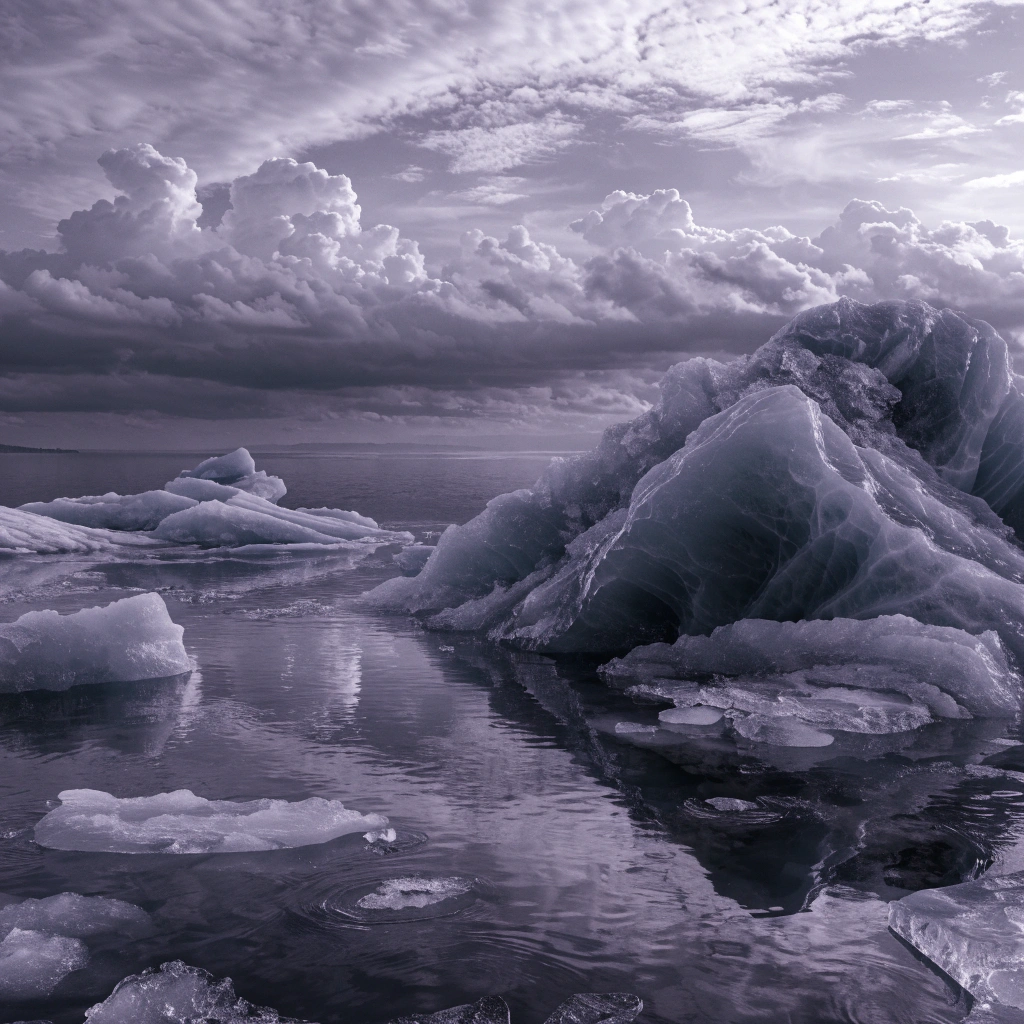
The Big Lake in Russia
Lake Baikal is in Russia. It is a very old lake. It is 25 million years old. It is also very deep. It is the deepest lake in the world.
The water is very clean and blue. Many animals live here. Some animals only live in this lake. The Baikal seal is a famous animal. It is small and cute.
In winter, the lake is very cold. The water becomes ice. People walk on the ice. It is a beautiful place to visit.
Grammar Spotlight
Pattern: Present Simple: 'To Be'
"Lake Baikal is in Russia."
We use 'is' for singular things like 'the lake' or 'it'. This pattern helps us give facts and descriptions.
Pattern: Adjectives after 'To Be'
"The water is very clean and blue."
In English, we often put describing words (adjectives) after the verb 'is' or 'are'. This tells us more about the subject.
Test Your Understanding
10 questions · A1 Beginner · 1 free preview
Test what you learned from this article. Answer all questions to earn XP!
Where is Lake Baikal?
Want to finish the quiz?
9 more questions are waiting for you. Sign up free to unlock the full quiz and earn XP!
Sign Up FreeAlready have an account? Sign In
Question Breakdown
Where is Lake Baikal?
Your answer:
Correct answer: Russia
Lake Baikal is a new lake.
Your answer:
Correct answer: False
What does 'clean' mean?
Your answer:
Correct answer: Not dirty
Lake Baikal is the ______ lake in the world.
Your answer:
Correct answer: deepest
The Amazing Lake Baikal
Lake Baikal is in the mountains of Siberia, Russia. It is a very special place because it is the oldest lake in the world. Scientists believe it is 25 million years old. It is also the deepest lake on Earth. It is deeper than any other lake because it is 1,642 meters deep.
The water in Lake Baikal is very clear and clean. In the winter, the lake becomes thick ice. The ice is so strong that people can walk or drive cars on it. Many unique animals live there too. For example, the Baikal seal is the only seal in the world that lives in fresh water.
In the past, people called Lake Baikal the 'Sacred Sea.' Many tourists visit the lake every year. They like to see the beautiful mountains and the blue water. It is a natural wonder, and it is important to protect it. People love this lake because it is quiet and beautiful.
Grammar Spotlight
Pattern: Superlative Adjectives
"It is the oldest lake in the world."
We use 'the' + adjective + '-est' to compare one thing to a whole group. It shows that the lake has the highest level of age among all lakes.
Pattern: Comparative Adjectives
"It is deeper than any other lake..."
We use adjective + '-er' + 'than' to compare two things. Here, Lake Baikal is compared to other lakes regarding its depth.
Test Your Understanding
11 questions · A2 Elementary · 1 free preview
Test what you learned from this article. Answer all questions to earn XP!
How old do scientists think Lake Baikal is?
Want to finish the quiz?
10 more questions are waiting for you. Sign up free to unlock the full quiz and earn XP!
Sign Up FreeAlready have an account? Sign In
Question Breakdown
How old do scientists think Lake Baikal is?
Your answer:
Correct answer: 25 million years old
The Baikal seal lives in salty ocean water.
Your answer:
Correct answer: False
What does the word 'unique' mean?
Your answer:
Correct answer: The only one of its kind
Lake Baikal is the ______ lake on Earth.
Your answer:
Correct answer: deepest
Where is Lake Baikal located?
Your answer:
Correct answer: Siberia
The Wonders of Lake Baikal: Russia's Ancient Inland Sea
Lake Baikal, which is located in the mountainous region of Siberia, is a place of incredible beauty and mystery. It is widely considered to be the oldest lake in the world, with an estimated age of 25 million years. Because it was formed by a massive tectonic rift, it has reached a depth of 1,642 meters. This makes it the deepest lake on our planet. In addition to its depth, Lake Baikal contains about 20% of the world's unfrozen fresh surface water, which is more than all the North American Great Lakes combined.
Scientists have called Lake Baikal the 'Galapagos of Russia' because of its unique ecosystem. More than 80% of the animals that live here cannot be found anywhere else on Earth. One famous example is the nerpa, which is the only freshwater seal in the world. These animals have adapted to the cold environment over millions of years. Because the water is so pure, you can sometimes see objects up to 40 meters below the surface.
The lake has become a popular destination for tourists who love nature and adventure. During the winter months, the water freezes into thick, clear ice. This ice is so strong that heavy vehicles can be driven across it safely. Visitors often travel there to see the beautiful turquoise bubbles trapped under the surface. However, the lake is also considered fragile. It has been protected as a UNESCO World Heritage site since 1996 to ensure that its clean water and rare species are preserved for the future. Many environmental projects have been started by local groups to keep the area healthy and clean from pollution.
Grammar Spotlight
Pattern: Relative Clauses
"Lake Baikal, which is located in the mountainous region of Siberia, is a place of incredible beauty."
Relative clauses start with words like 'which' or 'who' to provide more information about a noun. In this sentence, the clause gives extra detail about Lake Baikal.
Pattern: Passive Voice
"It has been protected as a UNESCO World Heritage site since 1996."
The passive voice is used when the action is more important than who performed it. It is formed using 'be' + past participle.
Test Your Understanding
11 questions · B1 Intermediate · 1 free preview
Test what you learned from this article. Answer all questions to earn XP!
Where is Lake Baikal located?
Want to finish the quiz?
10 more questions are waiting for you. Sign up free to unlock the full quiz and earn XP!
Sign Up FreeAlready have an account? Sign In
Question Breakdown
Where is Lake Baikal located?
Your answer:
Correct answer: Siberia, Russia
Lake Baikal contains more fresh water than all the Great Lakes of North America combined.
Your answer:
Correct answer: True
What does the word 'fragile' mean in the text?
Your answer:
Correct answer: Easily damaged or broken
The nerpa is the only _____ seal in the world.
Your answer:
Correct answer: freshwater
Why is the lake called the 'Galapagos of Russia'?
Your answer:
Correct answer: Because of its unique ecosystem and species
The Ancient Depths of Lake Baikal: Russia’s Ecological Treasure
Nestled within the rugged mountainous terrain of Siberia, Lake Baikal stands as a natural wonder of staggering proportions and profound ecological significance. Having formed approximately 25 million years ago, Lake Baikal is widely regarded as the oldest freshwater body on our planet. This ancient lake, created by a massive tectonic rift, reaches depths of 1,642 meters, making it the deepest lake on Earth. Furthermore, it contains nearly 20% of the world's unfrozen surface freshwater, a volume that exceeds the combined capacity of all five North American Great Lakes.
What sets this aquatic marvel apart is not merely its age or dimensions, but its extraordinary biodiversity. The lake’s ecosystem is often described as the 'Galapagos of Russia' due to its remarkable isolation. Over 80% of the animal species found in and around the lake are endemic, meaning they are found nowhere else on the globe. The most famous resident is undoubtedly the Baikal seal, or 'nerpa,' the world’s only exclusively freshwater seal species. Scientists have been monitoring the shifting patterns of these populations for decades to understand how such creatures adapted to this unique environment.
However, the pristine nature of Lake Baikal is increasingly under threat. Despite its remote location, the lake faces contemporary challenges such as industrial pollution and the encroaching effects of climate change. Rising water temperatures and fluctuating ice levels have begun to impact the delicate balance of the ecosystem. Consequently, international conservation organizations have emphasized the vulnerability of this UNESCO World Heritage site, advocating for stricter regulations to prevent further degradation.
In light of these developments, the significance of Lake Baikal extends beyond its geographical features. It serves as a vital laboratory for evolutionary biology and climate research. While the tectonic plates beneath the lake continue to pull apart, widening the rift by about two centimeters each year, the future of the lake depends on human intervention. Preserving this vast reservoir is not just a regional priority but a global necessity. If we fail to protect such a unique natural heritage, we risk losing an irreplaceable chapter of Earth’s biological history. Therefore, ongoing research and sustainable tourism must be balanced to ensure that Lake Baikal remains a sanctuary for generations to come.
Grammar Spotlight
Pattern: Perfect Participle Clause
"Having formed approximately 25 million years ago, Lake Baikal is widely regarded as the oldest freshwater body on our planet."
Perfect participle clauses (having + past participle) show that one action happened before another. Here, it emphasizes the long history of the lake before describing its current status.
Pattern: Present Perfect Continuous
"Scientists have been monitoring the shifting patterns of these populations for decades..."
This tense is used to describe an action that started in the past and is still continuing. It highlights the ongoing nature of the scientific research.
Pattern: Passive Voice with Adverbs
"The lake’s ecosystem is often described as the 'Galapagos of Russia' due to its remarkable isolation."
The passive voice (is + past participle) focuses on the object being described. Adverbs like 'often' are placed between the auxiliary verb and the main verb for formal emphasis.
Test Your Understanding
11 questions · B2 Upper Intermediate · 1 free preview
Test what you learned from this article. Answer all questions to earn XP!
What makes Lake Baikal unique compared to the North American Great Lakes?
Want to finish the quiz?
10 more questions are waiting for you. Sign up free to unlock the full quiz and earn XP!
Sign Up FreeAlready have an account? Sign In
Question Breakdown
What makes Lake Baikal unique compared to the North American Great Lakes?
Your answer:
Correct answer: It contains more freshwater than all of them combined.
Lake Baikal contains nearly one-fifth of the world's unfrozen surface freshwater.
Your answer:
Correct answer: True
What is the meaning of 'endemic' as used in the text?
Your answer:
Correct answer: A species that lives only in one specific area.
Lake Baikal is located within the rugged mountainous terrain of _____.
Your answer:
Correct answer: Siberia
According to the article, why is the lake widening?
Your answer:
Correct answer: Because tectonic plates are pulling apart.
The Abyssal Enigma: Assessing the Ecological and Tectonic Legacy of Lake Baikal
Seldom does a natural formation command such profound geological and biological reverence as Lake Baikal. Nestled within the rugged mountainous terrain of Siberia, this gargantuan body of water is not merely a geographic landmark but a living chronicle of Earth’s evolutionary history. Estimated to be approximately 25 million years old, Baikal holds the distinction of being the world's oldest lake, a result of the ongoing divergence within the Baikal Rift Zone. This tectonic activity has sculpted a basin of unparalleled depth, reaching 1,642 meters, thereby establishing it as the preeminent abyssal freshwater reservoir on the planet.
It is the lake's staggering antiquity that serves as the primary driver for its unparalleled biodiversity. Often heralded as the 'Galapagos of Russia,' the lake’s isolation has facilitated a unique evolutionary trajectory. Over 80% of the animal species identified within its depths are endemic, meaning they are found nowhere else on Earth. Among these, the Nerpa—the world’s only exclusively freshwater seal—stands as a charismatic testament to successful speciation. The crystalline clarity of Baikal’s water, maintained by the diligent filtration of microscopic endemic crustaceans, allows for a level of photosynthetic activity and oxygenation that supports life at depths where most lakes would be biologically stagnant.
However, the preservation of such a delicate equilibrium requires more than just passive admiration. The vulnerability of this ecosystem to anthropogenic influence has become a focal point of contemporary limnology. While the lake has historically been shielded by its remote location, the encroaching reality of climate change and industrial runoff threatens to precipitate an irreversible decline in water quality. Rising temperatures in Siberia are already impacting the duration of the winter ice cover, a critical component of the lake’s thermal regulation and the reproductive cycles of its endemic fauna.
Critical analysis of the situation suggests that the mere designation of Baikal as a UNESCO World Heritage site is insufficient. The relentless expansion of human activity poses a significant threat to this ecosystem. There is a nuanced argument to be made regarding the balance between regional economic development and the imperative of environmental conservation. Proponents of industrial growth often clash with ecologists who argue that the loss of Baikal’s pristine state would constitute an ontological blow to global natural heritage. Ultimately, the future of this enigmatic 'Sacred Sea' hinges upon the implementation of rigorous international protocols and a shift toward sustainable stewardship. Only through such concerted efforts can we ensure that the depths of Baikal remain a sanctuary for the unique life forms that have called it home for millions of years.
Grammar Spotlight
Pattern: Negative Inversion
"Seldom does a natural formation command such profound geological and biological reverence as Lake Baikal."
Used for emphasis at the beginning of a sentence. When 'seldom' starts the clause, the auxiliary verb 'does' precedes the subject 'natural formation'.
Pattern: Cleft Sentence (It-cleft)
"It is the lake's staggering antiquity that serves as the primary driver for its unparalleled biodiversity."
This structure focuses on 'staggering antiquity' by placing it between 'It is' and 'that'. It highlights the specific cause of the biodiversity.
Pattern: Nominalisation
"The relentless expansion of human activity poses a significant threat to this ecosystem."
The verb 'expand' is turned into the noun 'expansion'. This creates a more formal, academic tone and allows for more complex descriptions of the subject.
Test Your Understanding
12 questions · C1 Advanced · 1 free preview
Test what you learned from this article. Answer all questions to earn XP!
What is identified as the primary reason for Lake Baikal's high level of biodiversity?
Want to finish the quiz?
11 more questions are waiting for you. Sign up free to unlock the full quiz and earn XP!
Sign Up FreeAlready have an account? Sign In
Question Breakdown
What is identified as the primary reason for Lake Baikal's high level of biodiversity?
Your answer:
Correct answer: Its significant age and geographic isolation
The Nerpa is a species of seal that can be found in various freshwater lakes across Europe.
Your answer:
Correct answer: False
What does 'anthropogenic' mean in the context of the article?
Your answer:
Correct answer: Caused or influenced by human activity
The article describes the lake as a living _____ of Earth’s evolutionary history.
Your answer:
Correct answer: chronicle
According to the text, what role do microscopic crustaceans play in Lake Baikal?
Your answer:
Correct answer: They maintain water clarity through filtration.
The author argues that UNESCO status alone is enough to protect the lake.
Your answer:
Correct answer: False
The Abyssal Crucible: Analytical Perspectives on Lake Baikal’s Limnological Heritage
Seldom has a geographical feature so thoroughly defied conventional limnological categorization as Lake Baikal. Nestled within the rugged contours of the Siberian wilderness, this primordial basin represents not merely a body of water, but a temporal anomaly of staggering magnitude. Estimated to have gestated for some twenty-five million years, Baikal is the world’s oldest and deepest lake, a distinction that renders it a quintessential laboratory for evolutionary biology and geological inquiry. It is this isolation that has fostered a crucible of evolution, giving rise to a plethora of endemic species that find no parallel elsewhere on the globe.
The lake’s genesis is inextricably linked to the Baikal Rift Zone, a tectonic fissure where the Eurasian plate is slowly being rent asunder. This abyssal rift has allowed the lake to reach depths of 1,642 meters, containing approximately twenty percent of the world’s unfrozen surface freshwater. One might argue that the sheer volume of this liquid mass acts as a thermal buffer, modulating the harsh Siberian climate and creating a micro-environment of profound stability. However, such stability is currently under siege from anthropogenic influences that threaten to disrupt its delicate oligotrophic state.
The limnological profile of Baikal is characterized by its exceptional oxygenation, even at its most profound depths—a rarity for lakes of such magnitude. This phenomenon is driven by complex convective currents and the relative coldness of the water, which facilitates the downward transport of oxygen, thereby supporting life in the abyssal zones. This oxygen-rich environment is the prerequisite for the survival of specialized amphipods and other invertebrates that form the bedrock of the lake’s trophic web.
Were the tectonic rift to expand further, the very chemistry of the basin might undergo a radical metamorphosis; yet, it is the immediate threat of industrial pollution and climate-induced warming that commands the attention of the scientific community. The lake’s transparency, once legendary, is being compromised by nutrient runoff, leading to eutrophication in localized areas. Furthermore, the carbon sequestration capacity of the lake’s unique flora and fauna is a subject of intense academic scrutiny, as researchers attempt to quantify how this ancient ecosystem mitigates global atmospheric changes.
The biological diversity of Baikal is nothing short of miraculous. From the nerpa, the world’s only exclusively freshwater seal, to the translucent golomyanka fish, the lake’s inhabitants have adapted to high-pressure, low-temperature environments in ways that continue to baffle researchers. To observe these creatures is to glimpse a world that has remained largely unchanged since the Cenozoic era. Nevertheless, the integrity of this biodiversity is contingent upon the continued preservation of the lake’s pristine conditions.
Moreover, the socio-economic dimension of Baikal cannot be overlooked. For the indigenous Buryat people, the lake is 'the Sacred Sea,' a site of profound spiritual significance. This cultural layer adds a further level of complexity to the discourse surrounding its conservation. The tension between economic development—specifically tourism and resource extraction—and the preservation of a UNESCO World Heritage site underscores the broader global struggle between progress and sustainability. It is through this lens of analytical scrutiny that we must evaluate the efficacy of current environmental policies.
In conclusion, Lake Baikal serves as a poignant reminder of the Earth’s geological heritage and the vulnerability of its most ancient systems. As we grapple with the complexities of the 21st century, the stewardship of such a natural wonder becomes not just a regional concern for Russia, but a global imperative. Should we fail to protect this 'Galapagos of Russia,' we risk losing a vital link to our planet’s primordial past and a key to understanding its future ecological resilience.
Grammar Spotlight
Pattern: Negative Inversion
"Seldom has a geographical feature so thoroughly defied conventional limnological categorization as Lake Baikal."
This pattern involves placing a negative or restrictive adverbial (like 'seldom') at the beginning of a sentence, followed by the auxiliary verb and then the subject. It is used in formal or academic prose to add emphasis and rhetorical weight.
Pattern: Cleft Sentences
"It is this isolation that has fostered a crucible of evolution."
A cleft sentence is used to focus on a specific part of the information. By using 'It is/was... that...', the writer highlights the cause (isolation) as the most crucial factor in the evolutionary process.
Pattern: Past Subjunctive / Inverted Conditional
"Were the tectonic rift to expand further, the very chemistry of the basin might undergo a radical metamorphosis."
This is a formal alternative to 'If the tectonic rift were to expand'. It uses the inverted subjunctive 'were' to discuss a hypothetical or unlikely future situation, common in high-level analytical writing.
Test Your Understanding
12 questions · C2 Mastery · 1 free preview
Test what you learned from this article. Answer all questions to earn XP!
What is the primary reason the author characterizes Lake Baikal as a 'temporal anomaly'?
Want to finish the quiz?
11 more questions are waiting for you. Sign up free to unlock the full quiz and earn XP!
Sign Up FreeAlready have an account? Sign In
Question Breakdown
What is the primary reason the author characterizes Lake Baikal as a 'temporal anomaly'?
Your answer:
Correct answer: Its immense age and depth distinguish it from more recent geological formations.
The oxygenation of Baikal's deepest zones is primarily facilitated by the warmth of its surface waters.
Your answer:
Correct answer: False
Which term refers to a lake state characterized by low nutrient levels and high oxygen?
Your answer:
Correct answer: Oligotrophic
The process of removing carbon from the atmosphere and storing it within the lake's ecosystem is known as carbon _____.
Your answer:
Correct answer: sequestration
What does the author suggest is the most immediate threat to the lake's ecological integrity?
Your answer:
Correct answer: Industrial pollution and climate-induced warming.
The indigenous Buryat people refer to Lake Baikal as 'the Sacred Sea'.
Your answer:
Correct answer: True
