The video owner has disabled playback on external websites.
This video is no longer available on YouTube.
This video cannot be played right now.
Watch on YouTube
Desbloquea herramientas de aprendizaje con IA
Regístrate para acceder a herramientas potentes que te ayudan a aprender más rápido con cada video.
Pasta Alla Caponata | Sicilian Vegetable Pasta | Food Wishes
Resumen IA
El Chef John enseña cómo hacer Pasta alla Caponata, una pasta siciliana de verduras con berenjena, alcaparras y piñones. Los estudiantes encontrarán vocabulario culinario rico como \"caramelizar\", \"translúcido\", \"desglasar\" y \"salmuera\", además de palabras descriptivas de sabores. Este video es ideal para desarrollar habilidades de inglés gastronómico y comprender instrucciones conversacionales con humor y personalidad.
Estadísticas de aprendizaje
Nivel MCER
Total de palabras
Palabras únicas
Dificultad
Subtítulos (40 segmentos)
Descargar[Music]
[Music]
Hello, this is Chef John from foodwishes.com with pasta ala capanada.
Hola, soy el Chef John de foodwishes.com con pasta a la caponata.
That's right. I'm going to show you how to turn this famously delicious Sicilian vegetable relish into a sauce, which we will then use to make one of the most delicious pasta dishes ever. In fact, it's so delicious and satisfying, the carnivores in your crew will not even realize it's vegetarian. And to get started, we will prep the star of the show. A couple nice small firm eggplants.
Así es. Les voy a mostrar cómo convertir este famoso y delicioso condimento vegetal siciliano en una salsa, que luego usaremos para hacer uno de los platos de pasta más deliciosos jamás. De hecho, es tan delicioso y satisfactorio que los carnívoros de tu grupo ni se darán cuenta de que es vegetariano. Y para empezar, prepararemos la estrella del show. Un par de berenjenas pequeñas y firmes.
And of course, when we buy these, we want to look for dots, not
Y por supuesto, cuando las compramos, queremos buscar puntos, no
slots. Right? Eggplant that have a round dot at the end usually have less seeds than ones that have a large slot-like shape at the end. So, you want to check for that before you buy. But either way, we'll go ahead and trim the green part off the top. And then, no matter what eggplant recipe we're talking about, people will always argue whether it should be peeled or not.
ranuras. ¿Verdad? Las berenjenas que tienen un punto redondo en la parte de abajo usualmente tienen menos semillas que las que tienen una forma grande tipo ranura en la parte de abajo. Así que quieres verificar eso antes de comprar. De cualquier manera, cortaremos la parte verde de arriba. Y luego, sin importar de qué receta de berenjena estemos hablando, la gente siempre discute si debería pelarse o no.
But instead of taking sides, let's do what I think is best, which is to peel off half the
Pero en vez de tomar partido, hagamos lo que yo creo que es mejor, que es pelar la mitad de la
skin. And I think that way we get the best of both worlds, right? Something that's more visually interesting and has a little bit of that texture, but not too much. And then what we'll do once our eggplant is peeled is take a knife and cut this into thick slices about a/ inch thick or so. And for me, the best tool for this is a large serrated bread knife, which will go through that tough skin with almost no effort.
piel. Y creo que así obtenemos lo mejor de ambos mundos, ¿no? Algo que es más visualmente interesante y tiene un poco de esa textura, pero no demasiada. Y luego, una vez que nuestra berenjena esté pelada, tomaremos un cuchillo y la cortaremos en rodajas gruesas de como medio centímetro de grosor. Y para mí, la mejor herramienta para esto es un cuchillo de pan grande y serrado, que atravesará esa piel dura con casi ningún esfuerzo.
And that's it. We'll go ahead and line up a few slices at a time and slice them into strips. And then once we have strips, we can turn it and slice across into cubes. And of course, some of the pieces are going to be smaller or larger than others, which is fine, but we do want to try to get most of them fairly uniform. Not just for visual reasons, which is part of it, but mostly so our eggplant pieces cook at the same rate.
Y eso es todo. Alinearemos unas cuantas rodajas a la vez y las cortaremos en tiras. Y luego, una vez que tengamos tiras, podemos girarlas y cortar a lo ancho en cubos. Y por supuesto, algunos de los pedazos van a ser más pequeños o más grandes que otros, lo cual está bien, pero sí queremos que la mayoría queden bastante uniformes. No solo por razones visuales, que es parte de eso, sino principalmente para que nuestros pedazos de berenjena se cocinen al mismo ritmo.
Subtítulos completos disponibles en el reproductor
Vocabulario clave (11)
¿Cómo estás tú? (How are you?)
Girar significa mover el cuerpo o un objeto para que mire en una dirección diferente.
Un lanzamiento ligero o el acto de lanzar una moneda.
Gramática en este video
Practica con ejercicios
Genera ejercicios de vocabulario, gramática y comprensión de este video
Comentarios (0)
Inicia Sesión para ComentarRegístrate para desbloquear todas las funciones
Sigue tu progreso, guarda vocabulario y practica con ejercicios
Modo interactivo
Cuestionario
Respuesta correcta:
Categorías
Vídeos relacionados

New Orleans Mac & Cheese (Veggie ‘Holy Trinity’ & Bucatini Pasta) | Food Wishes
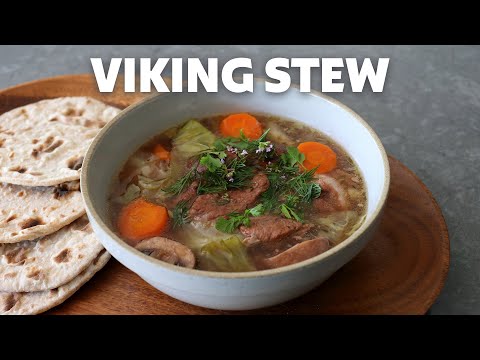
Viking Stew | Food Wishes
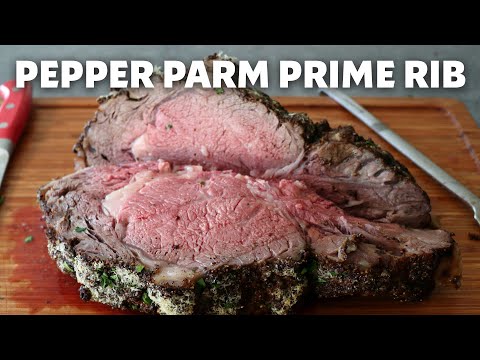
Pepper Parm Prime Rib | Perfectly Juicy Prime Rib Method | Food Wishes

Halloween Pumpkin Whoopie Pies | Food Wishes
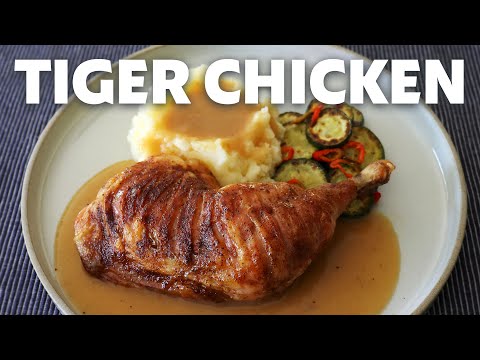
Tiger Chicken and 5-Minute Chicken Gravy Pan Sauce | Food Wishes

National Geographic
Cuestionario
Respuesta correcta:
Los quizzes aparecen mientras ves el video
Truco para recordar
De este video
Aprende idiomas gratis

