آینده با 'Will': انتخابهای آنی و حدسها
will استفاده کن.
Grammar Rule in 30 Seconds
Use 'will' for decisions you make right now and guesses about the future without 100% proof.
- Use 'will' for instant decisions: 'I'll have the coffee, please.'
- Use 'will' for predictions based on opinion: 'I think it will rain.'
- Use 'won't' for the negative form: 'I won't tell anyone your secret.'
- Keep the verb in its base form: 'She will go' (not 'goes').

مرور کلی
will هست.will برای این تصمیمهای برقآسا استفاده میکنیم.will هست.will بهترین دوست شماست.will win (برنده میشه).»will هر دو این دنیاها رو پوشش میده: «انتخاب ناگهانی» و «حدس بر اساس نظر».going to فرق داره، که برای برنامههای قطعی استفاده میکنیم.این گرامر چطور کار میکنه
will مثل استفاده از یک میانبُر در یک بازی ویدیوییه.I باشه، چه you، they یا she، کلمهی will همونطور باقی میمونه.-s یا تغییر حروف صدادار باشید.'ll کوتاه میکنیم.won't استفاده میکنیم.won't forget» (فراموش نخواهم کرد)، دارید یک قول محکم میدید.
الگوی ساخت
will از یک مسیر خیلی مشخص و ساده پیروی میکنه.
will / 'll + [Base Verb].
I'll call an Uber. (من یک اوبر میگیرم.)
call استفاده کنید، نه calling یا to call).
won't (will not) + [Base Verb].
It won't rain today. (امروز بارون نمیاد.)
Will + [Subject] + [Base Verb]?
Will you like my photo? (عکس منو لایک میکنی؟)
جدول صرف
| فرم | مثال | ترجمه |
|---|---|---|
| --- | --- | --- |
| I will / I'll | I'll send it now. | الان میفرستمش. |
| You will / You'll | You'll love this song. | عاشق این آهنگ میشی. |
| He/She/It will | It'll be fun! | خوش میگذره! |
| We will / We'll | We'll see you there. | اونجا میبینیمت. |
| They will / They'll | They'll arrive soon. | به زودی میرسن. |
| Negative | I won't go. | من نمیرم. |
| Question | Will you stay? | میمونی؟ |

کی استفاده کنیم
will ستارهی نمایشه:- تصمیمات خودجوش: وقتی در حین صحبت کردن در مورد چیزی تصمیم میگیرید.
- پیشبینیها (نظرات): وقتی حدس میزنید بعدش چی میشه.
will win the World Cup.» (قهرمان جام جهانی میشه.)think, believe یا hope استفاده میشه).- قولها و تهدیدها: وقتی متعهد میشید کاری رو انجام بدید (یا ندید).
won't tell your secret to anyone.» (رازت رو به هیچکس نمیگم.)- پیشنهادها و درخواستها: وقتی کمکی رو پیشنهاد میدید یا درخواستی دارید.
will رو مثل زمانِ «واکنش» خودتون در نظر بگیرید.will واکنش نشون میدید.
اشتباهات رایج
- تله «To»: هرگز بعد از
willازtoاستفاده نکنید.
I'll to go.
I'll go.
- تله «ing-»: برای انتخابهای خودجوش از شکل استمراری استفاده نکنید.
I'll going now.
I'll go now.
- تله «S»: یادتون باشه،
he/she/itروی فعل-sنمیگیره.
She will likes it.
She will like it.
- تله برنامه: برای چیزهایی که روزها قبل برنامهریزی کردید از
willاستفاده نکنید.
will go to Italy.».going to Italy.».- تله «Will» در جملات شرطی (If-Clauses): در بخش اول یک جملهی
if، ما معمولاً ازwillاستفاده نمیکنیم.
If it will rain, I'll stay home.
If it rains, I'll stay home.
will برای یک عروسیِ برنامهریزی شده ممکنه باعث بشه شریک زندگیتون فکر کنه شما همین پنج ثانیه پیش تصمیم گرفتید!مقایسه با الگوهای مشابه
will و be going to بزرگترین مانع برای زبانآموزان سطح A2 است.be going to یک نقشه است، اما will یک قطبنما.- Will: «گرسنمه. I`ll eat pizza.» (پیتزا میخورم.)
- Be going to: «امشب
going toeat pizza with my mom.» (قصد دارم با مادرم پیتزا بخورم.)
- Will: «فکر کنم
willsnow.» (برف بیاد.)
- Be going to: «اون ابرهای بزرگ سیاه رو نگاه کن! It is
going tosnow.» (قراره برف بیاد.)
سؤالات رایج
will از shall استفاده کنم؟shall خیلی نادره، بهجز برای پیشنهادهایی مثل «Shall we go?» (بریم؟)won't همون will not هست؟Won't فقط در مکالمه خیلی طبیعیتره.will برای آب و هوا استفاده کنم؟will استفاده کنید.will probably be sunny tomorrow.» (احتمالاً فردا هوا آفتابی میشه.)will خوبه.going to be a hot day.» (قراره روز گرمی باشه.)will استفاده کنم؟will work hard for this company.» (من برای این شرکت سخت کار خواهم کرد.)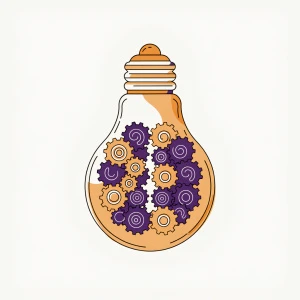
ترفند حافظه
به «چرخ اراده Will-Power» فکر کنید.
شما از will وقتی استفاده میکنید که «قدرت» تصمیمگیری در همین لحظه یا «قدرت» حدس زدن آینده رو دارید.
اگه قبل از اینکه دهنتون رو باز کنید بهش فکر نکرده بودید، از will استفاده کنید!

مکالمات واقعی
در یک رستوران
Server
Customer
Server
Customer
پیشبینی یک بازی
Alex
Sam
Alex
تمرین پیشرونده
با استفاده از I'll برای هر انتخاب کوچیک امروز شروع کنید. «I'll open the window» (پنجره رو باز میکنم)، «I'll check my mail» (ایمیلم رو چک میکنم).
سعی کنید سه پیشبینی در مورد سریال نتفلیکس مورد علاقهتون بکنید. «The main character will find the treasure.» (شخصیت اصلی گنج رو پیدا میکنه.)
قولهای منفی با won't رو تمرین کنید. «I won't hit snooze on my alarm tomorrow.» (فردا دکمهی چرت زنگ هشدارم رو نمیزنم.)
یک پیام کوتاه واتساپ برای یک دوست بنویسید و کمک پیشنهاد بدید: «I'll help you with your project.» (من تو پروژهات بهت کمک میکنم.)
Conjugating 'Will'
| Subject | Affirmative | Negative | Question |
|---|---|---|---|
|
I
|
I will (I'll) go
|
I will not (won't) go
|
Will I go?
|
|
You
|
You will (You'll) go
|
You will not (won't) go
|
Will you go?
|
|
He/She/It
|
He will (He'll) go
|
He will not (won't) go
|
Will he go?
|
|
We
|
We will (We'll) go
|
We will not (won't) go
|
Will we go?
|
|
They
|
They will (They'll) go
|
They will not (won't) go
|
Will they go?
|
Common Contractions
| Full Form | Contraction | Pronunciation Hint |
|---|---|---|
|
I will
|
I'll
|
sounds like 'aisle'
|
|
You will
|
You'll
|
sounds like 'yule'
|
|
He will
|
He'll
|
sounds like 'heel'
|
|
She will
|
She'll
|
sounds like 'sheel'
|
|
It will
|
It'll
|
sounds like 'it-ul'
|
|
We will
|
We'll
|
sounds like 'wheel'
|
|
They will
|
They'll
|
sounds like 'thail'
|
|
Will not
|
won't
|
sounds like 'wohnt'
|
Meanings
The future with 'will' is used to express actions decided at the moment of speaking (spontaneous) or to make predictions based on personal beliefs rather than present evidence.
Spontaneous Decisions
Deciding to do something at the exact moment you are speaking, often in response to a situation.
“The phone is ringing. I'll answer it!”
“I'm cold. I'll close the window.”
Predictions & Guesses
Stating what you think or believe will happen in the future, often used with 'I think' or 'probably'.
“I think United will win the match tonight.”
“It will probably be sunny tomorrow.”
Promises & Offers
Committing yourself to an action or offering to do something for someone else.
“I'll call you as soon as I arrive.”
“Don't worry, I won't tell your secret to anyone.”
Reference Table
| نوع کاربرد | عملکرد | جمله مثال | کلمات کلیدی |
|---|---|---|---|
|
Spontaneous
|
تصمیم آنی
|
I'll buy the coffee.
|
همین الان، Oh!
|
|
Prediction
|
حدس بر اساس نظر
|
Life will be better.
|
Think, Believe, Hope
|
|
Promise
|
قول دادن
|
I won't tell anyone.
|
Promise, Swear
|
|
Offer
|
پیشنهاد کمک
|
I'll carry that for you.
|
Let me, I will
|
|
Request
|
درخواست کمک
|
Will you open the door?
|
Please, Can you
|
|
Fact
|
حقیقت قطعی آینده
|
The sun will rise at 6.
|
Always, Tomorrow
|
طیف رسمیت
I shall assist you with those documents, sir. (Assistance)
I will help you with those papers. (Assistance)
I'll help you with that. (Assistance)
I gotchu. (Assistance)
The Many Faces of 'Will'
Snap Decisions
- Restaurant I'll have the pasta.
- Phone I'll answer it.
Guesses
- Weather It will be sunny.
- Sports They will win.
Promises
- Secret I won't tell.
- Help I'll call you.
Will vs. Going To
Should I use 'Will'?
Did you plan this before now?
Is it a reaction to something happening now?
Is it a guess based on your opinion?
Common Contexts for Will
At a Cafe
- • I'll have a latte
- • I'll take the bill
- • I'll sit here
Helping Friends
- • I'll help you
- • I'll carry that
- • I'll drive you
مثالها بر اساس سطح
I will help you.
I will help you.
It will be cold.
It will be cold.
I will not go.
I will not go.
Will you come?
Will you come?
I'll have a glass of water, please.
I'll have a glass of water, please.
I think it'll rain later.
I think it'll rain later.
Don't worry, I won't tell him.
Don't worry, I won't tell him.
Wait! I'll open the door for you.
Wait! I'll open the door for you.
I'll probably be a bit late for the meeting.
I'll probably be a bit late for the meeting.
If you study hard, you'll pass the exam.
If you study hard, you'll pass the exam.
I'll definitely call you tomorrow morning.
I'll definitely call you tomorrow morning.
Will robots do all our work in the future?
Will robots do all our work in the future?
The car won't start, no matter how many times I try.
The car won't start, no matter how many times I try.
That'll be the pizza delivery guy at the door.
That'll be the pizza delivery guy at the door.
The exhibition will open to the public on Monday.
The exhibition will open to the public on Monday.
I'll be seeing you at the conference, I assume?
I'll be seeing you at the conference, I assume?
She'll sit in the garden for hours, just watching the birds.
She'll sit in the garden for hours, just watching the birds.
Boys will be boys, as the saying goes.
Boys will be boys, as the saying goes.
You will have noticed that the economy is changing.
You will have noticed that the economy is changing.
The Prime Minister will visit the site later today.
The Prime Minister will visit the site later today.
Try as you might, the truth will out eventually.
Try as you might, the truth will out eventually.
He will persist in interrupting me despite my requests.
He will persist in interrupting me despite my requests.
The engine will often stall when it's cold.
The engine will often stall when it's cold.
Whether they like it or not, change will come.
Whether they like it or not, change will come.
بهراحتی اشتباه گرفته میشود
Learners use 'will' for plans they already made. This sounds unnatural to native speakers.
Learners use 'will' for fixed appointments like doctor visits.
Because 'will' comes from 'wanting' in some languages, learners use it to express desire.
اشتباهات رایج
I help you!
I'll help you!
He will goes.
He will go.
I will to see you.
I will see you.
I no will go.
I won't go.
I will go to the cinema tomorrow (planned yesterday).
I'm going to the cinema tomorrow.
I think it is going to rain (no clouds).
I think it will rain.
Will you to help me?
Will you help me?
I will be calling you.
I'll call you.
If it rains, I go.
If it rains, I'll go.
I will probably to arrive late.
I'll probably arrive late.
He is going to sit there for hours (describing a habit).
He will sit there for hours.
الگوهای جملهسازی
I think ___ will ___.
Don't worry, I'll ___.
Will you ___ please?
I'll probably ___ but I'm not sure.
Real World Usage
I'll have the cheeseburger and a coke, please.
I'll be there in 10 mins! 🏃♂️
I will work hard to exceed your expectations.
The flight is delayed? I'll wait in the lounge.
I think this video will go viral!
Don't move! I'll call an ambulance!
کلید "I think"
I think, I hope یا I expect شروع بشه، تقریباً همیشه بعدش will میاد. این نشون میده که داری نظر شخصیتو میگی، نه یه برنامه قطعی: I hope it will be sunny.
"to" بعد از "will" ممنوع
I will to go. یادت باشه
will یه فعل کمکیه (modal verb) و بعدش to نمیاد، مستقیم فعل اصلی میاد: I will eat.مودب بودن با "Will"
Will you...? خیلی مودبانه کمک میخوای. اینجوری دوستانهتره تا اینکه بگی You must...: Will you help me?
Smart Tips
Always use 'I'll have...' or 'I'll take...'. It sounds much more natural than 'I want' or 'I buy'.
Say 'I'll get that' or 'I'll help'. It's the standard way to be helpful in English.
Add 'probably' after 'will' to sound less aggressive and more like a native speaker.
Use 'won't' to describe the problem. It's a very common idiomatic way to complain.
تلفظ
The Dark L
In contractions like 'I'll' or 'you'll', the 'll' is a 'dark L'. The tongue is near the back of the throat.
Won't vs Want
'Won't' has a long 'o' sound (like 'go'). 'Want' has a short 'o' or 'ah' sound.
Rising on Questions
Will you HELP me? ↗
Conveys a polite request.
Falling on Promises
I'll be THERE. ↘
Conveys certainty and reliability.
حفظ کنید
روش یادسپاری
W.I.L.L. = Weather, Instant choices, Luck (guesses), and Loyalty (promises).
تداعی تصویری
Imagine a lightbulb popping over your head. That 'Aha!' moment is when you use 'will'. It's the 'Lightbulb Future'.
Rhyme
Decide it now, use 'I'll'. Make a guess, use 'will'.
Story
You are walking and see a friend with heavy bags. You don't think, you just react: 'I'll help!' Then you look at the sky and think, 'It will rain soon.' You promise, 'I won't let you get wet!'
شبکه واژگان
چالش
Look around the room. Find three things you can 'react' to using 'I'll'. (e.g., 'I'll turn off the light', 'I'll clean that desk').
نکات فرهنگی
In very formal British English, 'shall' is sometimes used instead of 'will' for 'I' and 'we', though this is becoming rare in modern speech.
Americans almost never use 'shall' except in legal documents or very dramatic emphasis. 'Will' is the universal standard.
Using 'will' for promises is vital in business culture to show commitment. 'I'll send the report' is seen as a binding verbal contract.
From the Old English 'willan', meaning 'to wish, desire, or want'.
شروعکنندههای مکالمه
What do you think the weather will be like this weekend?
The waiter is here! What will you have to drink?
Do you think robots will take our jobs in 20 years?
If you win the lottery tomorrow, what will you buy first?
موضوعات نگارش
اشتباهات رایج
Test Yourself
A: The phone is ringing! B: I ___ get it!
will استفاده میکنیم.Choose the correct spontaneous decision:
Will باید با شکل ساده فعل بیاد، بدون to یا ing.Find and fix the mistake:
I think he will wins the game.
will به فعل s اضافه نمیکنیم، حتی برای he, she یا it.Score: /3
تمرینهای عملی
8 exercisesThe phone is ringing! ___ it.
I promise I ___ (not tell) anyone your secret.
Find and fix the mistake:
I think he will goes to the party tonight.
probably / rain / it / will / tomorrow
1. You are at a restaurant. 2. You see a heavy box. 3. You see a dark sky.
Wait! I'll open the window for you.
Choose the correct sentence.
___ you help me with my homework?
Score: /8
Practice Bank
10 exerciseswon't / I / tell / anyone / secret / your
Creo que ella tendrá éxito.
You see a clear sky and say:
Don't worry, I ___ forget your birthday!
Match the pairs
Will you to come to my party?
Maybe they ___ arrive late tonight.
be / it / fun / will / very
¿Me ayudarás?
A: The door is open. B: Oh, I ___ close it.
Score: /10
سوالات متداول (8)
Usually, no. If you have already booked your flight, use `be going to` or the `Present Continuous`. Use `will` only if you decide to go right this second!
Yes, `won't` is the contraction of `will not`. It is much more common in speaking. `Will not` sounds very formal or angry.
Use `shall` mainly for suggestions with 'I' or 'We', like `Shall we go?`. For the future, `will` is almost always better.
This is a special use of `will` to make a guess about something happening *now*. You are predicting who is at the door.
Both are fine, but `I will` sounds slightly more professional and firm. `I'll` is perfectly acceptable and sounds more natural.
Yes! `It will rain tomorrow` is a perfect sentence if you are making a guess.
`I'll help you` is a spontaneous offer. `I'm going to help you` sounds like you planned to help before you saw the person.
No! That's the best part. It is `I will`, `you will`, `he will`, `she will`, `we will`, and `they will`. No '-s' needed!
Scaffolded Practice
1
2
3
4
Mastery Progress
Needs Practice
Improving
Strong
Mastered
In Other Languages
Futuro Simple (-ré, -rás)
English uses 'will' for spontaneous offers; Spanish often uses the present.
Futur Simple
French future is a suffix; English uses an auxiliary verb 'will'.
werden + Infinitiv
German uses present tense for future much more often than English.
〜でしょう (~deshou) / Present Tense
Japanese relies on context and probability markers rather than a dedicated future verb form.
sa- (prefix) / sawfa
Arabic uses prefixes; English uses a separate word.
会 (huì)
Chinese has no tense changes; 'huì' indicates likelihood rather than just time.
Learning Path
Prerequisites
ویدیوهای مرتبط
 06:44
06:44 Tesla Self-Driving vs 318 Curves
 09:29
09:29 The Most Extreme Explosion in the Universe
 08:54
08:54 How A Nuclear War Will Start - Minute by Minute
Learn All 12 English Verb Tenses | Complete English Grammar Lesson
JForrest English
MASTER ENGLISH VERB TENSES — All 12 Tenses Explained in 20 Minutes (Complete Guide)
English At The Ready
Related Grammar Rules
حال کامل: آمریکا در مقابل بریتانیا (I've done در مقابل I did)
Overview آیا تا به حال حس کردهاید که کتاب درسی زبان انگلیسیتان به شما دروغ گفته است؟ شما قانونی را در کلاس یاد میگیر...
Phrasal Verbs: An Introduction (Turn On, Give Up, Look After)
## Phrasal Verbs: An Introduction A **phrasal verb** = verb + particle (up, on, off, out, in, away...) The combination...
تجربیات زندگی: حال کامل با Ever و Never
تا حالا شده بیخیال یه جلسه تمرین ورزشی بشی و دو ساعت بعد، در حالی که داری تو تیکتاک چرخ میزنی، عذاب وجدان بگیری؟ یا ش...
آینده استمراری (will be -ing)
### Overview زمان «آینده استمراری» یا همان `Future Continuous` (که گاهی `Future Progressive` نیز نامیده میشود)، یکی از...
زمان حال کامل در انگلیسی: ارتباط گذشته با حال (ساختار پایه)
Overview Ta hala shode vared-e ye otagh beshi va kamelan yadet bere baraye chi rafti onja? Hameye ma in tajrobe ro dasht...

