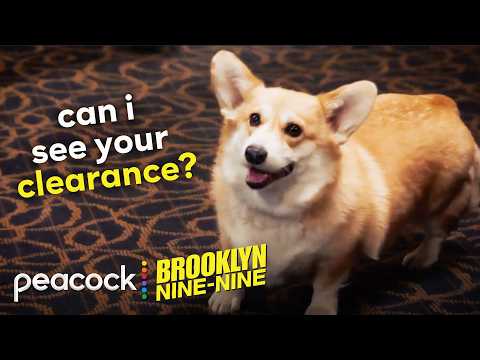
furry در ۳۰ ثانیه
- Furry is an adjective used to describe things covered in fur, like animals or soft fabrics.
- It is a common word for pets, winter clothing, and certain types of mold on food.
- The word also refers to a modern subculture of people interested in anthropomorphic animals.
- Key synonyms include fluffy and shaggy, while antonyms include bald, smooth, or hairless.
The word furry is a descriptive adjective primarily used to characterize the physical sensation and appearance of something covered in fur. At its most basic level, it describes mammals like cats, dogs, rabbits, and bears. However, the utility of the word extends far beyond simple biological classification. In the realm of tactile experience, 'furry' evokes a sense of softness, warmth, and density. When you touch a furry surface, your fingers encounter a multitude of fine hairs that create a cushioned, often comforting barrier. This sensory aspect is why we use the term for non-living objects as well, such as blankets, coats, or even certain types of plants that have evolved fine, hair-like structures for protection or seed dispersal.
- Biological Context
- In biology, being furry is often an evolutionary advantage, providing insulation against cold, camouflage in natural habitats, and sensory feedback through specialized hairs like whiskers.
The newborn panda was surprisingly small, but already becoming furry and soft to the touch.
Beyond the physical, 'furry' has taken on significant cultural weight in the 21st century. It is the namesake for the 'furry fandom,' a subculture interested in anthropomorphic animal characters—animals with human personalities and characteristics. In this context, the word shifts from a simple adjective to a noun or a collective identity. When people speak of 'furries' in a modern social context, they are often referring to this community, their art, and their costumes (fursuits). This dual meaning is important to navigate; while a child might call their teddy bear furry, an adult on the internet might be using the term to describe a specific creative community.
- Textural Metaphor
- Sometimes used metaphorically to describe things that feel 'fuzzy' or indistinct, like a 'furry tongue' after a night of poor sleep or dehydration, or even 'furry' logic in very informal settings.
She reached into the darkness and felt something furry scuttle across her hand, causing her to jump in fright.
In domestic life, 'furry' is a term of endearment. We refer to our pets as our 'furry friends' or 'furry family members.' This highlights the emotional bond humans share with animals, where the physical trait of having fur becomes a symbol of companionship and domestic comfort. In the fashion industry, 'furry' describes materials—either real or synthetic (faux)—used to create luxury items or cozy winter wear. A furry hood on a parka or furry boots are staples of cold-weather fashion, emphasizing both the functional warmth and the aesthetic appeal of the texture.
The designer's winter collection featured several furry accessories that were both ethical and stylish.
- Culinary Warning
- In a negative sense, 'furry' can describe mold growth on food. If a piece of bread or fruit looks 'furry,' it has likely developed a layer of mycelium and is no longer safe to eat.
He forgot the peach in the back of the fridge, and now it was covered in a furry grey mold.
Finally, the word is often used in children's literature to create vivid, sensory-rich imagery. Characters like 'The Furry Monster' or descriptions of 'furry little mice' help young readers visualize and almost 'feel' the story. It is a word that bridges the gap between sight and touch, making it an essential part of descriptive English. Whether describing a beloved pet, a cozy coat, a spoiled piece of fruit, or a complex internet subculture, 'furry' remains a versatile and highly evocative term in the English language.
The children giggled as the furry caterpillar crawled slowly up the garden wall.
Using 'furry' correctly involves understanding its placement as an adjective and the specific nouns it naturally modifies. Most commonly, 'furry' appears before a noun (attributive position) to describe a physical characteristic. For example, 'a furry dog' or 'furry slippers.' It can also follow a linking verb (predicative position), such as 'The kitten is very furry.' When using 'furry,' consider the intensity of the texture. If something is extremely furry, you might use intensifiers like 'incredibly,' 'thickly,' or 'softly.'
- Attributive Usage
- The furry caterpillar moved slowly across the green leaf, its many legs rippling in a rhythmic wave.
I bought a furry rug to make the living room feel more inviting during the winter months.
In comparative and superlative forms, we use 'furrier' and 'furriest.' These are useful when comparing different animals or materials. 'My cat is furrier than yours' implies a greater density or length of fur. 'The furriest animal in the world' might refer to the sea otter, which has the densest fur of any mammal. It's important to note that 'furry' is distinct from 'hairy.' While both describe the presence of hair, 'furry' usually implies a soft, dense coat characteristic of animals, whereas 'hairy' can describe humans or coarser, more individual strands of hair.
- Predicative Usage
- After the winter coat grew in, the pony looked remarkably furry and well-protected from the snow.
The peaches were so furry that I had to wash them thoroughly before taking a bite.
You can also use 'furry' in more abstract or metaphorical ways. In informal speech, someone might describe their tongue as feeling 'furry' if they have a dry mouth or a coating on their tongue due to illness. In a more modern, slang-adjacent context, 'furry' can be used as a noun to refer to a person who is part of the furry fandom. For example, 'He is a furry' or 'They are going to a furry convention.' However, as an adjective, it remains the standard way to describe the texture of costumes within that community: 'That is a very detailed furry costume.'
The protagonist in the story was a furry creature with large eyes and a gentle disposition.
- Negative Connotations
- Be careful when describing food; 'furry' often implies mold. 'The cheese has gone furry' means it is spoiled.
When writing creatively, 'furry' can be paired with sensory verbs to enhance the reader's experience. 'The cat's furry flank brushed against my leg' or 'I felt the furry texture of the moss under my boots.' These combinations help create a more immersive world. In technical or scientific writing, 'furry' might be replaced by more specific terms like 'pubescent' (in botany) or 'hirsute,' but in general English, 'furry' is the most common and accessible word for these descriptions.
The winter landscape was dotted with furry animals seeking shelter from the biting wind.
In summary, 'furry' is a versatile adjective that primarily describes texture. Whether you are talking about biology, fashion, food safety, or social subcultures, understanding the nuances of how to place and pair this word will greatly improve your descriptive capabilities in English. Always consider the context—is it a compliment for a pet, a description of a coat, or a warning about moldy bread?
The word 'furry' is ubiquitous in daily life, appearing in contexts ranging from domestic settings to specialized professional fields. One of the most common places you will hear it is in a home with pets. Owners often use 'furry' as a term of endearment, referring to their dogs or cats as 'furry friends' or 'furry babies.' This usage is warm and affectionate, emphasizing the tactile bond between humans and their animal companions. In a veterinary clinic, you might hear a vet describe a pet's coat condition as 'furry' or discuss 'furry' areas that need medical attention.
- Nature Documentaries
- Narrators often use 'furry' to describe the physical adaptations of animals. 'The furry coat of the Arctic fox provides essential insulation against sub-zero temperatures.'
The documentary highlighted how furry mammals survived the ice age through specialized evolution.
In the fashion and retail world, 'furry' is a key marketing term. You'll see it on labels for winter clothing, describing everything from 'furry-lined boots' to 'furry earmuffs.' Retailers use the word to signal warmth and comfort to potential buyers. In recent years, with the rise of ethical fashion, you'll frequently encounter the phrase 'faux-furry' or 'furry-textured' to describe synthetic materials that mimic the look and feel of real fur without the ethical concerns. This commercial usage is highly influential in how we perceive the word as a synonym for 'cozy.'
- Children's Entertainment
- Cartoons and storybooks are filled with 'furry' characters. From Sesame Street's Grover (the 'lovable, furry old Grover') to various Disney animals, the word is a staple of early childhood vocabulary.
The toddler clutched her furry teddy bear as she drifted off to sleep.
In the kitchen or grocery store, 'furry' takes on a more cautionary tone. A chef or a parent might say, 'Don't eat that strawberry; it's gone furry.' Here, the word is a shorthand for moldy, describing the fine, hair-like filaments of fungi that grow on decaying organic matter. This is a very common colloquial usage that everyone should be familiar with for health and safety reasons. It's a vivid way to describe spoilage that is instantly understood by native speakers.
The forgotten loaf of bread had developed a furry green patch, much to his disgust.
Finally, you might hear 'furry' in more specialized or technical discussions. In botany, certain leaves or stems are described as 'furry' to indicate they are covered in trichomes (plant hairs). In the world of internet culture and conventions, 'furry' is a primary identifier for a large and active community of artists, writers, and performers. Whether you're at a zoo, a clothing store, a kitchen, or a comic-con, 'furry' is a word that describes a specific, recognizable texture and has evolved to represent various cultural and practical concepts.
- Professional Grooming
- Pet groomers use the term to describe the state of an animal's coat, often discussing how to manage 'furry' tangles or mats in long-haired breeds.
One of the most frequent mistakes learners make is confusing 'furry' with 'fuzzy.' While they are similar, 'furry' specifically implies the presence of fur (like an animal), whereas 'fuzzy' describes a more general, often shorter or more blurred texture (like a peach or a tennis ball). Using 'furry' to describe a tennis ball would sound slightly off to a native speaker. Another common error is the spelling confusion between 'furry' and 'fury.' 'Fury' (noun) means extreme anger, and despite the similar sound, the two words have completely different meanings and grammatical functions.
- Furry vs. Hairy
- Learners often use 'furry' to describe people with a lot of body hair. While technically descriptive, 'hairy' is the standard term for humans. 'Furry' is almost exclusively reserved for animals or materials that look like animal fur.
Incorrect: My uncle is very furry.
Correct: My uncle is very hairy.
Another mistake involves the misapplication of the word to describe emotions. Because 'fury' sounds like 'furry,' some might mistakenly say 'He was furry' when they mean 'He was in a fury' (very angry). It is vital to remember that 'furry' is almost always a physical descriptor. Additionally, be careful with the word 'furry' in digital spaces. As mentioned, it refers to a specific subculture. Using it casually to describe someone might inadvertently imply they are part of that fandom, which may or may not be what you intended to say.
- Over-generalization
- Don't use 'furry' for everything soft. A silk scarf is soft but not furry. A velvet cushion is soft but not furry. Reserve 'furry' for things with distinct, hair-like fibers.
Incorrect: The furry clouds looked like cotton candy.
Correct: The fluffy clouds looked like cotton candy.
In writing, avoid using 'furry' as a synonym for 'cute' without context. While many furry things are cute, not all are. A 'furry spider' might be terrifying to some, and 'furry mold' is definitely not cute. Ensure that the word is being used to describe texture first and foremost. Lastly, watch out for the comparative form. Some learners might say 'more furry' instead of 'furrier.' While 'more furry' is occasionally used for emphasis, 'furrier' is the standard grammatical comparative form for this two-syllable adjective ending in 'y.'
Incorrect: This cat is more furry than the other one.
Correct: This cat is furrier than the other one.
To enrich your vocabulary, it's helpful to know words that are similar to 'furry' but offer different shades of meaning. 'Fluffy' is perhaps the closest synonym, but it implies a lighter, airier texture—think of a pom-pom or a cloud. 'Fuzzy' is also close, but it often describes a shorter, more uniform softness, like the skin of a peach or the surface of a felt cloth. If you want to describe something with very long, messy hair, 'shaggy' is a better choice. For something that feels like wool, 'fleecy' is the appropriate term.
- Furry vs. Fluffy
- 'Furry' implies the density of animal fur. 'Fluffy' implies lightness and volume. A thick winter coat is furry; a dandelion seed head is fluffy.
The furry bear stood in contrast to the fluffy white snow falling around it.
In more formal or scientific contexts, you might encounter 'hirsute,' which means hairy, or 'pubescent,' which in botany refers to a surface covered with soft down or fine hair. If you are describing a texture that is soft and thick like animal fur but made of fabric, 'plush' is an excellent alternative often used in interior design and toy manufacturing. 'Downy' is another beautiful word, specifically referring to the very soft, fine feathers of young birds or a similar soft texture on plants or fabrics.
- Furry vs. Shaggy
- 'Furry' is a general term for having fur. 'Shaggy' specifically describes fur or hair that is long, thick, and often untidy. A poodle might be furry, but an Old English Sheepdog is shaggy.
While the rabbit was small and furry, the stray dog was large and shaggy.
When describing materials, 'woolly' is used for things made of or resembling wool, and 'velvety' for things that are as smooth and soft as velvet. While these aren't direct synonyms for 'furry,' they are part of the same descriptive family of textures. Choosing the right word depends on the specific sensation you want to convey. Is it the dense warmth of a 'furry' animal, the light airiness of a 'fluffy' cloud, or the rough, unkempt look of a 'shaggy' rug? Expanding your range of textural adjectives will make your English much more precise and expressive.
The furry lining of the jacket was much warmer than the fleecy one he had tried on before.
- Furry vs. Bristly
- 'Furry' usually implies softness. 'Bristly' implies stiffness. A cat's back is furry; a pig's back or a hairbrush is bristly.
چقدر رسمی است؟
نکته جالب
The use of 'furry' to describe a person in a subculture only began to gain mainstream recognition in the late 1980s and early 1990s with the rise of the internet.
راهنمای تلفظ
- Pronouncing it like 'ferry' (the boat).
- Pronouncing it like 'fury' (anger).
- Shortening the 'ur' sound too much.
- Over-emphasizing the 'y' at the end.
- Confusing the 'f' sound with a 'v' sound.
سطح دشواری
Easy to recognize in most texts.
Requires correct spelling (double 'r') and context.
Simple to pronounce once the 'ur' sound is mastered.
Can be confused with 'fury' or 'ferry' in fast speech.
بعداً چه یاد بگیریم؟
پیشنیازها
بعداً یاد بگیرید
پیشرفته
گرامر لازم
Adjective Suffix -y
Fur + y = Furry (double the 'r')
Comparative of -y adjectives
Furry -> Furrier
Superlative of -y adjectives
Furry -> Furriest
Adjective Order
A big, soft, furry bear.
Linking Verbs
The cat feels furry.
مثالها بر اساس سطح
The cat is furry.
Le chat est poilu/fourré.
Simple subject-verb-adjective structure.
I like furry rabbits.
J'aime les lapins à fourrure.
Adjective before a plural noun.
Is the dog furry?
Est-ce que le chien est poilu ?
Question form.
The bear is big and furry.
L'ours est grand et poilu.
Using two adjectives with 'and'.
Look at the furry tail!
Regarde la queue poilue !
Exclamatory sentence.
My toy is furry.
Mon jouet est poilu.
Possessive adjective 'my'.
The mouse is small and furry.
La souris est petite et poilue.
Describing a small animal.
Furry animals are soft.
Les animaux à fourrure sont doux.
General statement about a category.
I bought a furry hat for winter.
J'ai acheté un chapeau en fourrure pour l'hiver.
Past tense 'bought'.
This kitten is furrier than that one.
Ce chaton est plus poilu que celui-là.
Comparative form 'furrier'.
She has a furry rug in her room.
Elle a un tapis en fourrure dans sa chambre.
Present simple 'has'.
The caterpillar was green and furry.
La chenille était verte et poilue.
Past tense 'was'.
Do you like my furry boots?
Aimes-tu mes bottes en fourrure ?
Direct question about possessions.
The monkey has a furry body.
Le singe a un corps poilu.
Describing parts of an animal.
It is the furriest animal I have ever seen.
C'est l'animal le plus poilu que j'aie jamais vu.
Superlative form 'furriest'.
He wore a furry costume to the party.
Il a porté un costume en fourrure à la fête.
Describing an outfit.
The peach felt slightly furry in my hand.
La pêche semblait légèrement duveteuse dans ma main.
Using 'felt' as a linking verb.
I found some furry mold on the old bread.
J'ai trouvé de la moisissure poilue sur le vieux pain.
Describing spoilage.
Many people enjoy having furry companions at home.
Beaucoup de gens aiment avoir des compagnons à fourrure à la maison.
Using 'furry' as a synonym for pets.
The jacket has a furry lining to keep you warm.
La veste a une doublure en fourrure pour vous garder au chaud.
Describing functional clothing features.
The creature in the movie was small, furry, and friendly.
La créature dans le film était petite, poilue et amicale.
List of adjectives.
I prefer faux-furry materials for ethical reasons.
Je préfère les matières en fausse fourrure pour des raisons éthiques.
Compound adjective 'faux-furry'.
The bumblebee looked like a furry little ball flying through the air.
Le bourdon ressemblait à une petite boule poilue volant dans les airs.
Simile using 'looked like'.
Her tongue felt furry after she woke up with a fever.
Sa langue semblait pâteuse après s'être réveillée avec de la fièvre.
Metaphorical/medical usage.
The documentary explored the evolution of furry mammals in cold climates.
Le documentaire a exploré l'évolution des mammifères à fourrure dans les climats froids.
Academic/scientific context.
He identifies as part of the furry community and attends conventions.
Il s'identifie comme faisant partie de la communauté furry et assiste à des conventions.
Referring to the subculture.
The artist specialized in drawing furry anthropomorphic characters.
L'artiste s'est spécialisé dans le dessin de personnages anthropomorphes poilus.
Describing a specific art style.
The texture of the moss was surprisingly furry and thick.
La texture de la mousse était étonnamment poilue et épaisse.
Using 'furry' for plants.
She brushed the furry surface of the velvet cushion.
Elle a brossé la surface poilue du coussin en velours.
Describing fabric texture.
The winter landscape was transformed by a furry layer of frost.
Le paysage d'hiver a été transformé par une couche de givre duveteuse.
Poetic/descriptive usage.
The puppy's fur was so furry and soft that everyone wanted to pet it.
Le pelage du chiot était si poilu et doux que tout le monde voulait le caresser.
Result clause with 'so... that'.
The debate over real versus furry synthetic materials continues in the fashion industry.
Le débat sur les matières réelles par rapport aux matières synthétiques à fourrure se poursuit dans l'industrie de la mode.
Using 'furry' as a classifier.
The novelist used 'furry' to evoke a sense of primal comfort in the protagonist's home.
Le romancier a utilisé 'poilu' pour évoquer un sentiment de confort primal dans la maison du protagoniste.
Literary analysis.
The biological specimen was characterized by its furry appendages, which served as sensory organs.
Le spécimen biologique se caractérisait par ses appendices poilus, qui servaient d'organes sensoriels.
Technical description.
The subculture's use of 'furry' as a self-identifier has evolved significantly over the decades.
L'utilisation de 'furry' par la sous-culture comme identifiant personnel a considérablement évolué au fil des décennies.
Sociological observation.
A furry coating on the leaves helps the plant retain moisture in arid environments.
Un revêtement duveteux sur les feuilles aide la plante à retenir l'humidité dans les environnements arides.
Scientific explanation.
The film's special effects team worked tirelessly to create a realistic furry texture for the monster.
L'équipe des effets spéciaux du film a travaillé sans relâche pour créer une texture poilue réaliste pour le monstre.
Professional context.
The contrast between the cold steel and the furry upholstery was striking.
Le contraste entre l'acier froid et le rembourrage poilu était frappant.
Aesthetic description.
He described the sensation as a furry buzzing in the back of his mind.
Il a décrit la sensation comme un bourdonnement duveteux à l'arrière de son esprit.
Highly metaphorical usage.
The term 'furry' has been reclaimed by the community it once sought to marginalize.
Le terme 'furry' a été réapproprié par la communauté qu'il cherchait autrefois à marginaliser.
Complex social commentary.
The intricate interplay of light and shadow on the furry pelt was captured with remarkable fidelity.
Le jeu complexe d'ombre et de lumière sur la peau poilue a été capturé avec une fidélité remarquable.
Advanced descriptive prose.
One might argue that the 'furry' aesthetic is a reaction against the sterile surfaces of modernism.
On pourrait soutenir que l'esthétique 'furry' est une réaction contre les surfaces stériles du modernisme.
Philosophical/Artistic critique.
The author's penchant for furry metaphors added a layer of visceral texture to the narrative.
Le penchant de l'auteur pour les métaphores poilues a ajouté une couche de texture viscérale au récit.
Literary criticism.
The microscopic view revealed a furry landscape of bacteria colonizing the surface.
La vue microscopique a révélé un paysage poilu de bactéries colonisant la surface.
Scientific imagery.
The semantic shift of 'furry' from a simple adjective to a complex noun phrase is a fascinating linguistic study.
Le glissement sémantique de 'furry' d'un simple adjectif à un syntagme nominal complexe est une étude linguistique fascinante.
Linguistic analysis.
The tactile allure of the furry fabric was irresistible to the sensory-seeking child.
L'attrait tactile du tissu poilu était irrésistible pour l'enfant en quête de sensations.
Psychological description.
The winter's first frost left a furry, silvered patina over the dormant garden.
Le premier gel de l'hiver a laissé une patine argentée et duveteuse sur le jardin dormant.
Poetic/Elevated style.
The uncanny valley was bridged by the hyper-realistic furry rendering of the digital avatar.
La vallée de l'étrange a été franchie par le rendu poilu hyper-réaliste de l'avatar numérique.
Technical/Philosophical synthesis.
مترادفها
متضادها
ترکیبهای رایج
عبارات رایج
— A polite or affectionate way to refer to pets.
The hotel is welcoming to all furry companions.
— A casual, often cute way to describe small animals.
I love all those furry little things in the pet shop.
— Describing someone or something with a lot of hair on their face.
The furry-faced monkey looked at us curiously.
— A very common description for animals like squirrels or foxes.
The fox vanished, leaving only a glimpse of its furry tail.
— A type of comfortable indoor footwear.
I put on my furry slippers as soon as I get home.
— A common character type in children's stories.
The furry monster under the bed was actually very nice.
اغلب اشتباه گرفته میشود با
Fury is a noun meaning intense anger. Furry is an adjective meaning covered in fur.
Fuzzy is often used for shorter, softer textures or blurred images, while furry is specifically for fur.
A ferry is a boat. The pronunciation is similar but the vowel sound is different.
اصطلاحات و عبارات
— A play on 'fuzzy logic,' sometimes used informally to describe thinking that is soft or indistinct.
That sounds like some furry logic to me.
informal/slang— A specific gathering for members of the furry fandom.
They are traveling to Pittsburgh for the furry convention.
cultural— Though listed as a collocation, it functions as an idiom for 'pet'.
Don't forget to buy a gift for your furry friend!
neutral— A variation of 'rough around the edges,' sometimes used to describe something slightly unkempt or moldy.
This bread is looking a bit furry around the edges.
informal— Describing the physical sensation of a dry or coated tongue.
I woke up with a furry tongue and a headache.
informal/medical— A term used in creative writing to describe a human turning into an animal.
The character furry-morphed into a wolf.
literary/niche— The collective term for the subculture.
The furry-fandom is known for its creative art.
neutral— The specialized costumes worn by some in the fandom.
He spent months building his furry-suit.
neutral— Internet slang for media designed to appeal to the furry community.
That new movie character is definitely furry-bait.
slang— Informal term for the specific jargon used within the fandom.
I didn't understand half of that furry-talk.
informalبهراحتی اشتباه گرفته میشود
Both describe soft textures.
Furry implies animal fur; fuzzy implies a more general, often shorter softness.
A cat is furry; a peach is fuzzy.
Both describe the presence of hair.
Hairy is usually for humans or coarse hair; furry is for animals or soft, dense hair.
A man is hairy; a hamster is furry.
Both describe animal coats.
Shaggy specifically means long and untidy; furry is more general.
A sheepdog is shaggy; a mole is furry.
Both describe soft things.
Fluffy implies lightness and volume; furry implies the specific texture of fur.
A pillow is fluffy; a kitten is furry.
Similar spelling and sound.
Fury is a noun (anger); furry is an adjective (texture).
He was filled with fury when he saw the furry cat on his bed.
الگوهای جملهسازی
The [animal] is furry.
The cat is furry.
I have a furry [object].
I have a furry hat.
It feels furry like a [noun].
It feels furry like a rabbit.
There is furry mold on the [food].
There is furry mold on the bread.
The [animal] has a [adjective] furry coat.
The bear has a thick furry coat.
The texture was described as furry and [adjective].
The texture was described as furry and inviting.
The [noun]'s furry [noun] was a testament to [concept].
The creature's furry pelt was a testament to its adaptation.
A furry [noun] of [noun] covered the [noun].
A furry layer of frost covered the branches.
خانواده کلمه
اسمها
فعلها
صفتها
مرتبط
نحوه استفاده
Common in daily speech and descriptive writing.
-
He is very furry.
→
He is very hairy.
Use 'hairy' for humans and 'furry' for animals.
-
The bread is fury.
→
The bread is furry.
'Fury' means anger; 'furry' means moldy/covered in fur.
-
A furry tennis ball.
→
A fuzzy tennis ball.
'Fuzzy' is better for the short texture of a tennis ball.
-
This cat is more furry.
→
This cat is furrier.
'Furrier' is the standard comparative form.
-
I like the furry clouds.
→
I like the fluffy clouds.
'Fluffy' is the standard word for clouds.
نکات
Pet Talk
Use 'furry' when you want to sound affectionate about animals.
Double R
Always remember the double 'r' so you don't write 'fury' (anger).
Beyond Furry
Try using 'shaggy' or 'plush' to make your writing more interesting.
Food Safety
If food looks furry, throw it away immediately!
Internet Context
Be aware of the 'furry fandom' when using the word online.
Comparatives
Use 'furrier' and 'furriest' for correct comparisons.
Sensory Writing
Pair 'furry' with 'soft' or 'warm' for better descriptions.
Vowel Sound
Make sure the 'ur' sound is long, like in 'bird'.
Plant Hairs
You can use 'furry' to describe soft leaves in a garden.
Winter Wear
Look for 'furry-lined' when buying warm winter clothes.
حفظ کنید
روش یادسپاری
Think of a 'FURry' cat that likes to 'PURR.' Both words have double 'r's and describe a happy animal.
تداعی تصویری
Imagine a giant, soft teddy bear. Feel the texture of its 'furry' arms in your mind.
شبکه واژگان
چالش
Try to find five furry things in your house or in a park today and describe them using the word.
ریشه کلمه
The word 'furry' comes from the noun 'fur,' which entered Middle English from the Old French 'fuerre' (meaning sheath or case). The suffix '-y' was added later to create the adjective form.
معنای اصلی: Originally, it meant simply 'consisting of or resembling fur.'
Germanic root via Old French (Indo-European).بافت فرهنگی
Be aware that 'furry' can refer to a subculture; use it respectfully in that context.
Commonly used in pet culture and children's media.
تمرین در زندگی واقعی
موقعیتهای واقعی
Pets
- my furry friend
- soft furry coat
- furry paws
- brushing the furry dog
Fashion
- furry boots
- furry-lined jacket
- faux-furry trim
- furry earmuffs
Nature
- furry caterpillar
- furry moss
- furry bumblebee
- furry animals in winter
Food
- furry mold
- furry peach
- the bread looks furry
- furry growth
Subculture
- furry fandom
- furry convention
- furry artist
- furry character
شروعکنندههای مکالمه
"Do you have any furry friends at home?"
"What is the furriest animal you've ever petted?"
"Do you like wearing furry clothes in the winter?"
"Have you ever seen a furry caterpillar in your garden?"
"What do you think of the furry-lined boots that are in style now?"
موضوعات نگارش
Describe the softest, furriest thing you have ever touched and how it made you feel.
Write about a time you found something furry in your fridge that shouldn't have been there.
If you could be any furry animal for a day, which one would you choose and why?
Discuss the pros and cons of using real versus faux-furry materials in fashion.
Describe a fictional furry creature that lives in a secret forest.
سوالات متداول
10 سوالUsually, 'hairy' is better for people. 'Furry' is used for animals or if someone is wearing a fur costume.
No, it's a normal adjective. However, on the internet, it refers to a specific subculture that some people have strong opinions about.
Furry is like a dog's coat; fuzzy is like a tennis ball or a peach.
It is spelled 'furrier,' with an 'i' replacing the 'y'.
Yes, some plants have fine hairs on their leaves and are described as furry.
Not always, but many types of mold look furry because of their hair-like structures.
It is a common and kind way to talk about a pet, like a dog or cat.
Because it comes from 'fur,' and in English, we often double the final consonant before adding '-y' if the vowel is short.
You can, but 'furrier' is more common and grammatically standard.
Yes, to describe the physical characteristics of animals or plants, though 'hirsute' is more formal.
خودت رو بسنج 180 سوال
Describe your favorite furry animal in two sentences.
خوب نوشتید! تلاش خوبی بود! پاسخ نمونه را ببینید.
Write a sentence using the word 'furrier'.
خوب نوشتید! تلاش خوبی بود! پاسخ نمونه را ببینید.
Describe a furry object you own.
خوب نوشتید! تلاش خوبی بود! پاسخ نمونه را ببینید.
Explain why some animals are furry.
خوب نوشتید! تلاش خوبی بود! پاسخ نمونه را ببینید.
Compare a furry animal to a smooth animal.
خوب نوشتید! تلاش خوبی بود! پاسخ نمونه را ببینید.
Write a short story about a furry monster.
خوب نوشتید! تلاش خوبی بود! پاسخ نمونه را ببینید.
Describe the texture of a furry rug.
خوب نوشتید! تلاش خوبی بود! پاسخ نمونه را ببینید.
Why do you think people like furry things?
خوب نوشتید! تلاش خوبی بود! پاسخ نمونه را ببینید.
Describe a furry animal you saw at the zoo.
خوب نوشتید! تلاش خوبی بود! پاسخ نمونه را ببینید.
Write a poem about a furry animal.
خوب نوشتید! تلاش خوبی بود! پاسخ نمونه را ببینید.
Describe a furry costume.
خوب نوشتید! تلاش خوبی بود! پاسخ نمونه را ببینید.
Write a sentence about a furry caterpillar.
خوب نوشتید! تلاش خوبی بود! پاسخ نمونه را ببینید.
Describe a furry pet.
خوب نوشتید! تلاش خوبی بود! پاسخ نمونه را ببینید.
Write a sentence about a furry coat.
خوب نوشتید! تلاش خوبی بود! پاسخ نمونه را ببینید.
Describe a furry monster.
خوب نوشتید! تلاش خوبی بود! پاسخ نمونه را ببینید.
Describe a furry animal you like.
این را بلند بخوانید:
تو گفتی:
تشخیص گفتار در مرورگر شما پشتیبانی نمیشود. از کروم یا اج استفاده کنید.
Talk about why some clothes are furry.
این را بلند بخوانید:
تو گفتی:
تشخیص گفتار در مرورگر شما پشتیبانی نمیشود. از کروم یا اج استفاده کنید.
Listen and write: 'The furry kitten purred.'
Listen and write: 'He wore furry boots.'
Write a sentence about a furry toy.
خوب نوشتید! تلاش خوبی بود! پاسخ نمونه را ببینید.
What is the furriest thing in your room?
این را بلند بخوانید:
تو گفتی:
تشخیص گفتار در مرورگر شما پشتیبانی نمیشود. از کروم یا اج استفاده کنید.
/ 180 درست
نمره کامل!
Summary
The word 'furry' is a versatile descriptor for texture, primarily associated with the soft, dense hair of animals. It is essential for describing pets, fashion, and even food safety, while also serving as a modern cultural identifier. Example: 'The furry kitten purred loudly.'
- Furry is an adjective used to describe things covered in fur, like animals or soft fabrics.
- It is a common word for pets, winter clothing, and certain types of mold on food.
- The word also refers to a modern subculture of people interested in anthropomorphic animals.
- Key synonyms include fluffy and shaggy, while antonyms include bald, smooth, or hairless.
Pet Talk
Use 'furry' when you want to sound affectionate about animals.
Double R
Always remember the double 'r' so you don't write 'fury' (anger).
Beyond Furry
Try using 'shaggy' or 'plush' to make your writing more interesting.
Food Safety
If food looks furry, throw it away immediately!