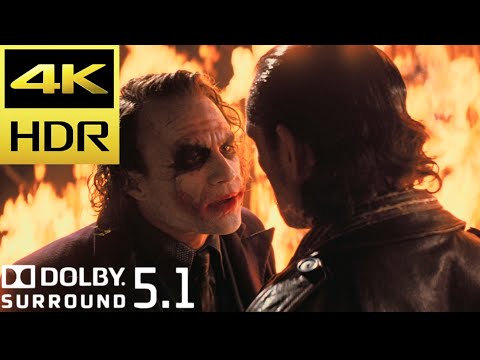
gunpowder در ۳۰ ثانیه
- Gunpowder is a historical explosive mixture of sulfur, charcoal, and saltpeter used in early firearms and modern fireworks.
- Invented in 9th-century China, it revolutionized global warfare by introducing cannons and muskets to the battlefield.
- It is an uncountable noun, often used metaphorically to describe volatile or explosive situations in politics or personal life.
- While replaced by smokeless powder in modern guns, it remains essential for pyrotechnics and is a key historical term.
Gunpowder, fundamentally known as black powder, represents one of the most transformative inventions in human history. It is a chemical explosive consisting of a mixture of sulfur, charcoal, and saltpeter (potassium nitrate). When we discuss gunpowder, we are not merely talking about a substance but a catalyst that shifted the course of civilizations, moving the world from the era of cold steel and archery into the age of ballistics and chemistry. Historically, it was the first chemical explosive ever developed. In modern contexts, while it has been largely superseded by smokeless powders in military applications, the term remains central to historical discussions, pyrotechnics, and metaphorical language regarding volatility.
- Chemical Composition
- The classic ratio for gunpowder is roughly 75 percent saltpeter, 15 percent charcoal, and 10 percent sulfur. Each component plays a specific role: saltpeter provides the oxygen for the reaction, charcoal provides the fuel, and sulfur acts as a stabilizer and lowers the ignition temperature.
The ancient alchemists accidentally discovered that heating these three substances together created a violent flash of gunpowder.
In daily conversation, you might encounter this word when visiting a museum, watching a period drama about the Napoleonic Wars, or discussing the history of China. It is also the primary ingredient that makes fireworks possible. Without the rapid combustion of gunpowder, the spectacular displays of light and sound we see on New Year's Eve or Independence Day would not exist. Furthermore, the word carries a heavy metaphorical weight. We often describe a tense political situation as a 'powder keg,' implying that a single spark could lead to a massive explosion of conflict.
- Historical Context
- Invented in China during the 9th century, it was initially used for medicinal purposes and fireworks before being adapted for warfare in the form of fire arrows, bombs, and eventually cannons.
Historians often refer to the period of rapid military expansion as the gunpowder empire era.
The word is also synonymous with the smell of sulfur and smoke. In literature, authors use the scent of gunpowder to immediately evoke a scene of battle or danger. It is a sensory word that appeals to the reader's memory of sharp, acrid smells. Even in the modern world, where digital technology dominates, the physical reality of gunpowder remains a cornerstone of mining, construction (in the form of blasting), and traditional celebrations. Understanding this word requires an appreciation for both its destructive power and its role in human ingenuity and celebration.
- Safety and Storage
- Because it is highly flammable and sensitive to static electricity, the storage of gunpowder has always required specialized containers called 'powder flasks' or 'magazines' to prevent accidental ignition.
Keep the gunpowder dry, for dampness will render the mixture useless in the heat of battle.
The air was thick with the acrid stench of burnt gunpowder after the display.
A single spark in the gunpowder room could sink the entire ship.
Using the word 'gunpowder' effectively requires an understanding of its grammatical role as an uncountable noun and its common associations. It is rarely used in the plural form unless referring to different types or chemical compositions of the substance. When constructing sentences, you will often find it paired with verbs like 'ignite,' 'manufacture,' 'store,' or 'smell.' Because of its historical weight, it often appears in past tense narratives or descriptions of traditional crafts.
- As a Subject
- Gunpowder changed the way wars were fought in the Middle Ages. Here, it acts as the primary agent of change, emphasizing its historical impact.
The gunpowder was carefully weighed and mixed in the factory.
In descriptive writing, 'gunpowder' often functions as a modifier in compound nouns. Common examples include 'gunpowder smoke,' 'gunpowder residue,' and 'gunpowder tea' (a type of green tea where leaves are rolled into small pellets resembling lead shot). Using these compounds adds specificity to your writing. For instance, instead of saying 'the air smelled like smoke,' saying 'the air was heavy with gunpowder smoke' provides a much more vivid and specific image of a battlefield or a fireworks show.
- In Metaphors
- His temper was like a trail of gunpowder leading to a bomb. This usage highlights the explosive and dangerous nature of a person's personality.
The detective found traces of gunpowder on the suspect's sleeves.
When writing about science or chemistry, the word is used to describe a specific reaction. You might write, 'The combustion of gunpowder releases a large volume of gas, which propels the projectile.' This technical usage is precise and avoids the emotional connotations found in literature. In contrast, in a historical novel, you might focus on the physical properties: 'The damp gunpowder refused to catch fire, leaving the soldiers defenseless.' Both uses are correct but serve different rhetorical purposes.
- Colloquial Usage
- In some regions, 'gunpowder' might be used to describe anything particularly spicy or potent, though this is less common than the literal or historical meanings.
The smell of gunpowder always reminded him of the village festivals.
They smuggled the gunpowder across the border in small wooden crates.
Without gunpowder, the invention of the cannon would have been impossible.
The word 'gunpowder' is a staple in several specific environments. If you are a fan of historical documentaries on channels like the BBC or the History Channel, you will hear it frequently. Narrators use it to explain the technological shifts in the 14th and 15th centuries. It is also common in the world of cinema, particularly in 'swashbuckler' films, pirate movies, and Westerns. Characters might shout about 'priming the gunpowder' or 'protecting the powder magazine.' These contexts reinforce the word's association with danger, adventure, and historical conflict.
In an academic or educational setting, 'gunpowder' is a key term in both history and chemistry classes. A history teacher might discuss the 'Gunpowder Empires' (the Ottoman, Safavid, and Mughal Empires) to explain how military technology allowed for the consolidation of large territories. In a chemistry lab, a teacher might use the components of gunpowder to demonstrate an exothermic reaction or the properties of nitrates. This dual presence in both the humanities and the sciences makes it a versatile and important vocabulary word for students.
Beyond the classroom and the screen, you will hear 'gunpowder' in the context of traditional festivals. In many cultures, particularly in East Asia and parts of Europe, gunpowder-based fireworks and crackers are essential to celebrations. During the Lunar New Year, the sound and smell of gunpowder are everywhere in cities that allow traditional celebrations. Similarly, in the United Kingdom, the 'Gunpowder Plot' is a central part of the national consciousness, discussed every November during 'Bonfire Night' or 'Guy Fawkes Night.' Here, the word is tied to national identity and folklore.
Finally, the word appears in the culinary world, though in a very different sense. 'Gunpowder tea' is a popular variety of Chinese green tea. You might hear a barista or a tea sommelier describe it. The name comes from the tea's appearance; the leaves are rolled into tiny, dark pellets that look like the lead shot used in old gunpowder weapons. Hearing the word in a peaceful tea shop provides a stark and interesting contrast to its more violent historical meanings. This illustrates how words can travel across domains, carrying their imagery with them even when the context changes entirely.
One of the most frequent mistakes learners make is confusing 'gunpowder' with 'bullets' or 'ammunition.' While they are related, they are not interchangeable. Gunpowder is the *explosive material* inside the ammunition that provides the force to move the bullet. You cannot say 'he loaded his gun with gunpowder' if you mean he put modern cartridges into it. In modern firearms, the 'gunpowder' is contained within a brass casing along with the bullet and a primer. Using the word correctly shows a higher level of technical and historical accuracy.
Another common error is treating 'gunpowder' as a countable noun. Many students mistakenly say 'the soldiers carried many gunpowders.' Because it is a substance, like water or sand, it is uncountable. To specify an amount, you must use a counter or a container, such as 'three barrels of gunpowder' or 'a small amount of gunpowder.' This is a classic grammatical pitfall for those whose native languages treat substances differently. Remembering this rule will make your writing sound much more natural and professional.
There is also a subtle mistake regarding the 'smell' of gunpowder. People often describe the smell of a recently fired modern gun as 'the smell of gunpowder.' However, modern guns use smokeless powder, which has a very different chemical scent than the traditional black gunpowder. While this is a common colloquialism, in a technical or highly descriptive context, it is better to distinguish between the two. Black gunpowder has a distinct, rotten-egg smell due to the sulfur, whereas modern propellants have a more metallic or chemical odor.
Lastly, learners sometimes misspell the word as 'gun powder' (two words) or 'gun-powder' (hyphenated). While you might see these variations in very old texts, the standard modern English spelling is a single word: 'gunpowder.' Additionally, be careful not to confuse it with 'power.' Though they sound somewhat similar in fast speech, 'gunpower' is not a word. Ensuring the 'd' is present and the word is joined correctly is a small but important detail for clear communication.
When you want to avoid repeating 'gunpowder' or need a more specific term, there are several alternatives depending on the context. The most common technical synonym is 'black powder.' This term is used specifically to distinguish the original sulfur-charcoal-saltpeter mixture from modern 'smokeless powders.' If you are writing a scientific paper or a detailed historical account, using 'black powder' can add a layer of precision that 'gunpowder' might lack.
- Black Powder vs. Smokeless Powder
- Black powder is the historical mixture that produces thick white smoke. Smokeless powder is the modern propellant used in almost all contemporary firearms, producing very little smoke and much higher pressure.
In a broader sense, you might use the word 'explosive.' While 'gunpowder' is a specific type of explosive, the general term is useful when the exact chemical composition isn't important. For example, 'The demolition crew used explosives to bring down the building.' In this case, 'gunpowder' would likely be incorrect, as modern demolition uses much more powerful substances like dynamite or C4. Another related term is 'propellant.' This is a functional term used in ballistics to describe any substance that provides the energy to move a projectile. Gunpowder is a propellant, but so is the fuel in a rocket engine.
- Cordite
- Often mentioned in British literature (like Sherlock Holmes), cordite is a specific type of smokeless propellant that replaced gunpowder in the late 19th century. It is often used to evoke a specific late-Victorian or early-20th-century atmosphere.
For metaphorical use, words like 'tinder,' 'fuel,' or 'catalyst' can sometimes replace 'gunpowder.' If you are describing a situation that is about to explode into conflict, you might say 'the town was a tinderbox' or 'his comments were fuel for the fire.' These alternatives capture the essence of volatility without the literal military connotations of gunpowder. Choosing the right word depends on whether you want to emphasize the chemical reality, the historical era, or the emotional intensity of the situation.
چقدر رسمی است؟
نکته جالب
In China, gunpowder is called 'huoyao', which literally translates to 'fire medicine'. This is because it was discovered by alchemists who were searching for an elixir of immortality.
راهنمای تلفظ
- Pronouncing it as 'gun-power' (missing the 'd').
- Putting the stress on the second syllable: gun-POW-der.
- Confusing the 'ow' sound with 'oh' (sounding like 'pode-er').
- Merging the two words into a single 'n' sound: 'gupowder'.
- Over-emphasizing the 'd' so it sounds like 'pow-der-uh'.
سطح دشواری
The word itself is simple, but the historical and chemical contexts can be complex.
Requires understanding that it is an uncountable noun.
Easy to pronounce once the 'd' is mastered.
Can be confused with 'gun power' in fast speech.
بعداً چه یاد بگیریم؟
پیشنیازها
بعداً یاد بگیرید
پیشرفته
گرامر لازم
Uncountable Nouns
We say 'much gunpowder' not 'many gunpowders'.
Compound Nouns
Gunpowder + smoke = gunpowder smoke (a single concept).
Passive Voice in History
Gunpowder 'was used' to destroy the walls.
Articles with Substances
Gunpowder is dangerous (no article for general statements).
Adjectives from Nouns
The powdery residue (using -y to make an adjective).
مثالها بر اساس سطح
The gunpowder made a loud noise.
Barut büyük bir gürültü çıkardı.
Uncountable noun used with 'the'.
They used gunpowder for the fireworks.
Havai fişekler için barut kullandılar.
Preposition 'for' indicates purpose.
Gunpowder is black and dry.
Barut siyah ve kurudur.
Simple adjective description.
Do not put fire near the gunpowder.
Barutun yanına ateş koymayın.
Imperative sentence for safety.
The pirate had some gunpowder.
Korsanın biraz barutu vardı.
Use of 'some' with uncountable noun.
Is gunpowder dangerous?
Barut tehlikeli midir?
Simple question form.
China made gunpowder first.
Barutu ilk Çin yaptı.
Subject-verb-object structure.
The smell of gunpowder is strong.
Barut kokusu güçlüdür.
Noun phrase 'smell of gunpowder'.
The soldiers carried gunpowder in wooden barrels.
Askerler barutu ahşap fıçılarda taşırdı.
Past tense 'carried'.
Gunpowder was invented many years ago.
Barut yıllar önce icat edildi.
Passive voice 'was invented'.
You need gunpowder to make a cannon work.
Bir topu çalıştırmak için baruta ihtiyacınız var.
Infinitive of purpose 'to make'.
The air was full of gunpowder smoke.
Hava barut dumanıyla doluydu.
Compound noun 'gunpowder smoke'.
He found a small bag of gunpowder.
Küçük bir torba barut buldu.
Measure word 'bag of'.
Fireworks use gunpowder to create colors.
Havai fişekler renk oluşturmak için barut kullanır.
Present simple for general facts.
Is there any gunpowder left in the box?
Kutuda hiç barut kaldı mı?
Use of 'any' in questions.
The factory produces a lot of gunpowder.
Fabrika çok fazla barut üretiyor.
Quantifier 'a lot of'.
The discovery of gunpowder changed the history of warfare.
Barutun keşfi savaş tarihini değiştirdi.
Complex subject 'The discovery of gunpowder'.
If the gunpowder gets wet, it will not explode.
Eğer barut ıslanırsa, patlamayacaktır.
First conditional 'If... will'.
The detective noticed gunpowder residue on his hands.
Dedektif ellerinde barut kalıntısı fark etti.
Technical term 'residue'.
Guy Fawkes tried to use gunpowder to blow up Parliament.
Guy Fawkes, Parlamento'yu havaya uçurmak için barut kullanmaya çalıştı.
Proper noun association.
The ship's magazine was where they stored the gunpowder.
Geminin cephaneliği, barutu sakladıkları yerdi.
Relative clause 'where they stored'.
Many people enjoy the smell of burnt gunpowder.
Pek çok insan yanmış barut kokusundan hoşlanır.
Participle 'burnt' as an adjective.
They had to transport the gunpowder very carefully.
Barutu çok dikkatli bir şekilde taşımak zorundaydılar.
Modal 'had to' for necessity.
Gunpowder tea is named after its appearance.
Barut çayı adını görünüşünden alır.
Passive voice 'is named'.
The chemical composition of gunpowder includes saltpeter and sulfur.
Barutun kimyasal bileşimi güherçile ve kükürt içerir.
Formal academic tone.
Despite its power, gunpowder was eventually replaced by smokeless powder.
Gücüne rağmen, barut sonunda dumansız barutla değiştirildi.
Concession 'Despite'.
The castle walls were not designed to withstand gunpowder artillery.
Kale duvarları barutlu topçu ateşine dayanacak şekilde tasarlanmamıştı.
Infinitive 'to withstand'.
A trail of gunpowder led from the door to the center of the room.
Kapıdan odanın ortasına kadar bir barut izi uzanıyordu.
Prepositional phrase 'from... to'.
The manufacturing of gunpowder was a dangerous and secretive process.
Barut üretimi tehlikeli ve gizli bir süreçti.
Gerund 'manufacturing' as subject.
He described the political situation as a 'gunpowder keg' ready to blow.
Siyasi durumu patlamaya hazır bir 'barut fıçısı' olarak nitelendirdi.
Metaphorical usage.
Gunpowder residue can be detected even after the hands are washed.
Barut kalıntısı eller yıkandıktan sonra bile tespit edilebilir.
Modal passive 'can be detected'.
The sudden ignition of the gunpowder caused a massive explosion.
Barutun aniden tutuşması büyük bir patlamaya neden oldu.
Noun 'ignition'.
The proliferation of gunpowder weapons fundamentally altered feudal social structures.
Barutlu silahların yayılması, feodal sosyal yapıları temelden değiştirdi.
Advanced vocabulary 'proliferation'.
Early gunpowder was often inconsistent in quality due to impurities in the saltpeter.
Erken dönem barutu, güherçiledeki safsızlıklar nedeniyle genellikle kalitesizdi.
Adjective 'inconsistent'.
The treaty sought to limit the export of gunpowder to the warring factions.
Antlaşma, savaşan taraflara barut ihracatını sınırlamayı amaçlıyordu.
Verb 'sought' (past of seek).
The acrid stench of gunpowder hung heavy in the valley long after the skirmish.
Çatışmadan uzun süre sonra vadide keskin barut kokusu asılı kaldı.
Evocative literary description.
Corning the gunpowder into grains made it much more effective and stable.
Barutun tanelenmesi onu çok daha etkili ve kararlı hale getirdi.
Technical term 'corning'.
The Gunpowder Plot remains a pivotal moment in British religious and political history.
Barut Komplosu, İngiliz dini ve siyasi tarihinde dönüm noktası olmaya devam ediyor.
Adjective 'pivotal'.
The rapid expansion of the Ottoman Empire was largely attributed to their mastery of gunpowder.
Osmanlı İmparatorluğu'nun hızlı genişlemesi büyük ölçüde barut üzerindeki ustalıklarına bağlandı.
Passive construction 'was attributed to'.
Metaphorically, the rhetoric served as the gunpowder that ignited the revolution.
Mecazi olarak, retorik devrimi ateşleyen barut görevi gördü.
Analogy structure.
The logistical demands of gunpowder production necessitated a sophisticated state bureaucracy.
Barut üretiminin lojistik talepleri, gelişmiş bir devlet bürokrasisini gerektiriyordu.
High-level verb 'necessitated'.
One must distinguish between the deflagration of gunpowder and the detonation of high explosives.
Barutun parlaması ile yüksek patlayıcıların infilakı arasında ayrım yapılmalıdır.
Precise scientific terminology.
The transition to gunpowder-based warfare rendered the traditional concept of chivalry obsolete.
Barut temelli savaşa geçiş, geleneksel şövalyelik kavramını modası geçmiş hale getirdi.
Causative structure 'rendered... obsolete'.
The aesthetic of the fireworks display was predicated on the precise chemical calibration of the gunpowder.
Havai fişek gösterisinin estetiği, barutun hassas kimyasal kalibrasyonuna dayanıyordu.
Complex phrase 'predicated on'.
The scent of gunpowder in the air acted as a visceral reminder of the fragility of the peace.
Havadaki barut kokusu, barışın kırılganlığının içsel bir hatırlatıcısı olarak işlev gördü.
Abstract noun 'fragility'.
The sheer volume of gunpowder required for a siege was a staggering burden on the royal treasury.
Bir kuşatma için gereken muazzam barut miktarı, kraliyet hazinesi üzerinde şaşırtıcı bir yüktü.
Adjective 'staggering'.
The alchemical origins of gunpowder reflect a period when science and mysticism were inextricably linked.
Barutun simyasal kökenleri, bilim ve mistisizmin ayrılmaz bir şekilde bağlantılı olduğu bir dönemi yansıtır.
Adverb 'inextricably'.
Gunpowder's role as a historical catalyst is often debated in the context of the Great Divergence.
Barutun tarihsel bir katalizör olarak rolü, genellikle Büyük Ayrışma bağlamında tartışılır.
Academic debate context.
ترکیبهای رایج
عبارات رایج
— Be prepared and stay alert for a coming challenge or opportunity.
The market is volatile right now, so keep your powder dry and wait for the right moment to invest.
— A situation that is extremely tense and likely to become violent or explosive at any moment.
The border dispute has turned the region into a political powder keg.
— To be in a very dangerous or precarious situation that could explode at any time.
With the workers so unhappy, the management is sitting on a powder keg.
— A small event that triggers a massive and violent reaction.
The minor protest was the spark in the powder keg that started the revolution.
— The immediate aftermath of a fight or a very tense confrontation.
You could almost smell the gunpowder in the room after their heated argument.
— To destroy something completely with an explosion (often associated with gunpowder).
The old shed was blown to smithereens by the accidental blast.
— Something that shows great promise but fails to deliver lasting results (originally referring to gunpowder in a flintlock).
His first novel was a huge success, but his career turned out to be a flash in the pan.
— Doing something to get a process started (metaphorically related to priming a gun with powder).
The government is priming the pump by lowering interest rates.
— Completely; including every part of something (referring to the parts of a gun that uses powder).
They sold the business lock, stock, and barrel.
— Under great pressure to complete a task (related to the threat of gunpowder weapons).
We are really under the gun to finish this project by Friday.
اغلب اشتباه گرفته میشود با
Ammunition is the whole package (bullet, casing, powder). Gunpowder is just the explosive inside.
Dynamite is a much stronger, modern explosive invented by Alfred Nobel. It is not the same as gunpowder.
This is not a word. It is a common mispronunciation of gunpowder.
اصطلاحات و عبارات
— To remain ready for action; to save one's resources for a critical moment.
Don't spend all your money now; keep your powder dry for the winter sales.
Informal/Idiomatic— A highly volatile and dangerous situation.
The city was a powder keg after the controversial court ruling.
Journalistic/Formal— To reveal a secret or a scandal, often with explosive results.
The journalist's report blew the lid off the corruption in the city hall.
Informal— To increase very rapidly or to lose one's temper suddenly.
When he heard the news, he went off like a rocket.
Informal— To take dangerous risks (often used when gunpowder is nearby).
Investing all your savings in crypto is playing with fire.
General— Indisputable evidence of a crime or mistake.
The leaked email was the smoking gun that proved his guilt.
Legal/Journalistic— To start something before the official signal or before the right time.
We shouldn't announce the merger yet; let's not jump the gun.
Informal— To provide someone with more arguments or evidence to use against another.
His latest mistake just gave his critics more ammo.
Informal— A person who is unpredictable and likely to cause damage.
The new manager is a bit of a loose cannon; you never know what he'll do next.
Informal— To endure a painful or difficult situation with courage.
I hate going to the dentist, but I'll just have to bite the bullet.
Generalبهراحتی اشتباه گرفته میشود
Both move objects.
Propellant is a functional category; gunpowder is a specific chemical mixture. All gunpowder is a propellant, but not all propellants are gunpowder.
Liquid oxygen is a propellant for rockets, but it is not gunpowder.
Both blow up.
Explosive is a general term. Gunpowder is a 'low explosive' because it burns fast. 'High explosives' like TNT detonate much faster.
The demolition team used a high explosive, not gunpowder, to destroy the bridge.
It's the main ingredient.
Saltpeter is one component of gunpowder. You need charcoal and sulfur to make it gunpowder.
They collected saltpeter from the cave to make gunpowder later.
Used in guns today.
Smokeless powder is modern and based on nitrocellulose. Gunpowder (black powder) is historical and based on sulfur/charcoal.
Modern rifles use smokeless powder because gunpowder leaves too much residue.
Found in old books.
Cordite is a specific British smokeless propellant. It's often used in fiction to sound more authentic to the 1900s.
The detective smelled cordite, indicating a modern pistol had been used.
الگوهای جملهسازی
Subject + is + gunpowder.
This is gunpowder.
They used gunpowder to + verb.
They used gunpowder to make fireworks.
The smell of gunpowder + verb.
The smell of gunpowder filled the air.
Without gunpowder, + subject + would not + verb.
Without gunpowder, the war would not have ended so quickly.
The advent of gunpowder + verb.
The advent of gunpowder signaled the end of the knightly era.
Gunpowder's role as a catalyst + verb.
Gunpowder's role as a catalyst for state formation is widely recognized.
A barrel of gunpowder + verb.
A barrel of gunpowder was found in the cellar.
Traces of gunpowder + verb.
Traces of gunpowder were detected on the suspect's clothing.
خانواده کلمه
اسمها
فعلها
صفتها
مرتبط
نحوه استفاده
Common in historical, military, and pyrotechnic contexts. Rare in modern daily life except as a metaphor.
-
The soldier put a gunpowder in his gun.
→
The soldier put some gunpowder in his gun.
Gunpowder is uncountable, so you cannot use 'a' with it.
-
I saw many gunpowders at the museum.
→
I saw many types of gunpowder at the museum.
You cannot pluralize gunpowder directly; you must pluralize the container or the type.
-
The gunpower was very strong.
→
The gunpowder was very strong.
The word is 'gunpowder' with a 'd'. 'Gunpower' is not a standard English word.
-
He loaded the gunpowder into the magazine of his modern rifle.
→
He loaded the cartridges into the magazine of his modern rifle.
Modern guns use cartridges containing smokeless powder, not loose gunpowder.
-
The gunpowder exploded the building.
→
The gunpowder explosion destroyed the building.
Gunpowder is the substance, not the action. Use 'explosion' or 'blast' to describe the event.
نکات
Historical Context
Always use 'gunpowder' when writing about pirates, the American Civil War, or ancient China to maintain historical accuracy.
Uncountable Rule
Treat gunpowder like 'water' or 'sand'. Never add an 's' to the end unless you are a scientist talking about different chemical formulas.
Residue vs. Smoke
Use 'residue' for the dust left on hands or clothes, and 'smoke' for the cloud in the air after an explosion.
Metaphorical Use
When using 'powder keg' as a metaphor, ensure the situation is truly volatile, as it is a very strong image.
One Word
Remember that 'gunpowder' is a single word. Do not put a space between 'gun' and 'powder'.
Sensory Details
In creative writing, describe the 'acrid' or 'sulfurous' smell of gunpowder to engage the reader's senses.
Guy Fawkes
If you are in the UK in November, knowing the word 'gunpowder' is essential for understanding the local traditions.
Black Powder
Use the term 'black powder' if you want to sound more professional or technical in a military or chemical discussion.
Stress the First
Always stress the first syllable: GUN-powder. This makes the word clear and easy to understand.
The Three Ingredients
Remember 'SCS' (Sulfur, Charcoal, Saltpeter) to always know what gunpowder is made of.
حفظ کنید
روش یادسپاری
Think of a GUN that needs a special POWDER to work. GUN + POWDER = GUNPOWDER. Also, remember the three ingredients: S.C.S. (Sulfur, Charcoal, Saltpeter) - 'Super Cats Sneeze'.
تداعی تصویری
Imagine a dark, wooden barrel in a pirate ship with a skull and crossbones, leaking a trail of black, sandy dust.
شبکه واژگان
چالش
Try to write a short paragraph about a historical battle using the words 'gunpowder', 'cannon', and 'smoke' at least twice each.
ریشه کلمه
The word is a compound of 'gun' and 'powder'. 'Gun' likely comes from a Middle English female name 'Gunhilda', which was given to a large crossbow and later to cannons. 'Powder' comes from the Old French 'poudre', meaning 'dust' or 'fine particles'.
معنای اصلی: Literally, the dust or powder used for a gun.
Germanic (gun) and Latin/Romance (powder).بافت فرهنگی
Be aware that in some contexts, discussions of gunpowder and weapons can be sensitive or controversial, especially in schools or political debates.
The term is central to 'Bonfire Night' in the UK and historical reenactments of the Revolutionary War in the US.
تمرین در زندگی واقعی
موقعیتهای واقعی
History Class
- The invention of gunpowder
- Gunpowder weapons
- The Gunpowder Revolution
- Gunpowder empires
Crime Fiction
- Gunpowder residue
- The smell of gunpowder
- Traces of powder
- A gunpowder burn
Fireworks Display
- Gunpowder-based fireworks
- The flash of gunpowder
- Burnt gunpowder
- Gunpowder fuse
Action Movies
- Load the gunpowder
- Protect the powder
- A trail of gunpowder
- Gunpowder and steel
Chemistry
- Gunpowder composition
- Chemical reaction of gunpowder
- Saltpeter in gunpowder
- Gunpowder combustion
شروعکنندههای مکالمه
"Did you know that gunpowder was originally invented by accident in China?"
"What do you think was the most important invention in history: gunpowder or the printing press?"
"Have you ever been to a fireworks show where you could actually smell the gunpowder?"
"Do you think the world would be more peaceful if gunpowder had never been invented?"
"In your country, are there any traditional festivals that use gunpowder or fireworks?"
موضوعات نگارش
Imagine you are an alchemist in ancient China who has just discovered gunpowder. Describe your feelings and what you think it could be used for.
Write about a time you saw a fireworks display. Focus on the sensory details, including the sound and the smell of the gunpowder.
Discuss the metaphorical 'powder kegs' in today's world. What situations do you think are most likely to explode?
How did the invention of gunpowder change the way people thought about bravery and chivalry?
If you could go back in time and prevent the invention of gunpowder, would you? Why or why not?
سوالات متداول
10 سوالYes, but mostly in fireworks, historical reenactments, and some types of mining. Modern firearms use smokeless powder instead of traditional black gunpowder.
Gunpowder was invented in China during the 9th century by alchemists. It is considered one of the Four Great Inventions of ancient China.
Burnt gunpowder has a very distinct, sharp, and acrid smell, often compared to rotten eggs because of the sulfur it contains.
Gunpowder is a solid. It is a granular mixture of three different solid chemicals: sulfur, charcoal, and saltpeter.
It is called black powder because of its color, which comes from the charcoal in the mixture. This name also helps distinguish it from modern smokeless powders.
It usually needs a spark or high heat to ignite. However, it is very sensitive to static electricity and friction, so it must be handled very carefully.
It is a type of Chinese green tea where each leaf has been rolled into a small round pellet. It gets its name because the pellets look like old-fashioned gunpowder.
Yes, it is uncountable. You should say 'some gunpowder' or 'a lot of gunpowder' rather than 'a gunpowder' or 'gunpowders'.
It was a failed attempt by a group of English Catholics, led by Robert Catesby and including Guy Fawkes, to blow up the Houses of Parliament in 1605.
It must be stored in a cool, dry place in non-sparking containers (like wood or plastic) to prevent accidental ignition from heat or static.
خودت رو بسنج 180 سوال
Describe the historical impact of gunpowder in three sentences.
خوب نوشتید! تلاش خوبی بود! پاسخ نمونه را ببینید.
Explain the difference between gunpowder and modern smokeless powder.
خوب نوشتید! تلاش خوبی بود! پاسخ نمونه را ببینید.
Write a short story about a pirate who loses his gunpowder.
خوب نوشتید! تلاش خوبی بود! پاسخ نمونه را ببینید.
Use the idiom 'keep your powder dry' in a business context.
خوب نوشتید! تلاش خوبی بود! پاسخ نمونه را ببینید.
Describe the sensory experience of a fireworks show, mentioning gunpowder.
خوب نوشتید! تلاش خوبی بود! پاسخ نمونه را ببینید.
Discuss why gunpowder is considered one of the 'Four Great Inventions' of China.
خوب نوشتید! تلاش خوبی بود! پاسخ نمونه را ببینید.
Explain the metaphor 'powder keg' and give a modern example.
خوب نوشتید! تلاش خوبی بود! پاسخ نمونه را ببینید.
Write a dialogue between two 17th-century soldiers discussing their gunpowder supply.
خوب نوشتید! تلاش خوبی بود! پاسخ نمونه را ببینید.
How does gunpowder work chemically? (Brief explanation).
خوب نوشتید! تلاش خوبی بود! پاسخ نمونه را ببینید.
What are the safety precautions for storing gunpowder?
خوب نوشتید! تلاش خوبی بود! پاسخ نمونه را ببینید.
Compare the use of gunpowder in celebrations versus warfare.
خوب نوشتید! تلاش خوبی بود! پاسخ نمونه را ببینید.
Write a news headline about the discovery of ancient gunpowder barrels.
خوب نوشتید! تلاش خوبی بود! پاسخ نمونه را ببینید.
Describe the smell of burnt gunpowder using three different adjectives.
خوب نوشتید! تلاش خوبی بود! پاسخ نمونه را ببینید.
Argue for or against the idea that gunpowder made the world more dangerous.
خوب نوشتید! تلاش خوبی بود! پاسخ نمونه را ببینید.
Write a poem about the 'Gunpowder Plot'.
خوب نوشتید! تلاش خوبی بود! پاسخ نمونه را ببینید.
Explain the term 'gunpowder tea' to someone who has never heard of it.
خوب نوشتید! تلاش خوبی بود! پاسخ نمونه را ببینید.
Describe the role of saltpeter in the production of gunpowder.
خوب نوشتید! تلاش خوبی بود! پاسخ نمونه را ببینید.
What would a world without gunpowder look like? (Short paragraph).
خوب نوشتید! تلاش خوبی بود! پاسخ نمونه را ببینید.
Write a warning label for a barrel of gunpowder.
خوب نوشتید! تلاش خوبی بود! پاسخ نمونه را ببینید.
Discuss the ethical implications of inventing something as destructive as gunpowder.
خوب نوشتید! تلاش خوبی بود! پاسخ نمونه را ببینید.
Describe the smell of gunpowder to a partner.
این را بلند بخوانید:
تو گفتی:
تشخیص گفتار در مرورگر شما پشتیبانی نمیشود. از کروم یا اج استفاده کنید.
Give a 1-minute presentation on the history of gunpowder.
این را بلند بخوانید:
تو گفتی:
تشخیص گفتار در مرورگر شما پشتیبانی نمیشود. از کروم یا اج استفاده کنید.
Discuss with a partner whether gunpowder was a 'good' or 'bad' invention.
این را بلند بخوانید:
تو گفتی:
تشخیص گفتار در مرورگر شما پشتیبانی نمیشود. از کروم یا اج استفاده کنید.
Explain the 'Gunpowder Plot' as if you were a tour guide in London.
این را بلند بخوانید:
تو گفتی:
تشخیص گفتار در مرورگر شما پشتیبانی نمیشود. از کروم یا اج استفاده کنید.
Debate the safety of fireworks in residential areas.
این را بلند بخوانید:
تو گفتی:
تشخیص گفتار در مرورگر شما پشتیبانی نمیشود. از کروم یا اج استفاده کنید.
Roleplay a detective questioning a suspect about gunpowder residue.
این را بلند بخوانید:
تو گفتی:
تشخیص گفتار در مرورگر شما پشتیبانی نمیشود. از کروم یا اج استفاده کنید.
Describe your favorite fireworks display and the role of gunpowder in it.
این را بلند بخوانید:
تو گفتی:
تشخیص گفتار در مرورگر شما پشتیبانی نمیشود. از کروم یا اج استفاده کنید.
Explain the chemical composition of gunpowder to a 'student'.
این را بلند بخوانید:
تو گفتی:
تشخیص گفتار در مرورگر شما پشتیبانی نمیشود. از کروم یا اج استفاده کنید.
Discuss the metaphorical use of 'powder keg' in current world news.
این را بلند بخوانید:
تو گفتی:
تشخیص گفتار در مرورگر شما پشتیبانی نمیشود. از کروم یا اج استفاده کنید.
Pronounce 'gunpowder' correctly in five different sentences.
این را بلند بخوانید:
تو گفتی:
تشخیص گفتار در مرورگر شما پشتیبانی نمیشود. از کروم یا اج استفاده کنید.
Talk about how gunpowder changed the way castles were built.
این را بلند بخوانید:
تو گفتی:
تشخیص گفتار در مرورگر شما پشتیبانی نمیشود. از کروم یا اج استفاده کنید.
Describe the difference between gunpowder and dynamite.
این را بلند بخوانید:
تو گفتی:
تشخیص گفتار در مرورگر شما پشتیبانی نمیشود. از کروم یا اج استفاده کنید.
Tell a story about an alchemist discovering gunpowder.
این را بلند بخوانید:
تو گفتی:
تشخیص گفتار در مرورگر شما پشتیبانی نمیشود. از کروم یا اج استفاده کنید.
Discuss the cultural significance of November 5th in the UK.
این را بلند بخوانید:
تو گفتی:
تشخیص گفتار در مرورگر شما پشتیبانی نمیشود. از کروم یا اج استفاده کنید.
Explain why gunpowder tea is called by that name.
این را بلند بخوانید:
تو گفتی:
تشخیص گفتار در مرورگر شما پشتیبانی نمیشود. از کروم یا اج استفاده کنید.
Argue why gunpowder is the most important of the 'Four Great Inventions'.
این را بلند بخوانید:
تو گفتی:
تشخیص گفتار در مرورگر شما پشتیبانی نمیشود. از کروم یا اج استفاده کنید.
Describe the physical appearance of gunpowder.
این را بلند بخوانید:
تو گفتی:
تشخیص گفتار در مرورگر شما پشتیبانی نمیشود. از کروم یا اج استفاده کنید.
Talk about the dangers of handling explosives like gunpowder.
این را بلند بخوانید:
تو گفتی:
تشخیص گفتار در مرورگر شما پشتیبانی نمیشود. از کروم یا اج استفاده کنید.
Explain the term 'black powder' and when it is used.
این را بلند بخوانید:
تو گفتی:
تشخیص گفتار در مرورگر شما پشتیبانی نمیشود. از کروم یا اج استفاده کنید.
Discuss the role of gunpowder in the 'Great Divergence' between East and West.
این را بلند بخوانید:
تو گفتی:
تشخیص گفتار در مرورگر شما پشتیبانی نمیشود. از کروم یا اج استفاده کنید.
Listen to a short clip about the invention of gunpowder and identify the date.
Listen to a description of a crime scene and note where the gunpowder residue was found.
Listen to a history lecture and summarize the 'Gunpowder Empire' concept.
Listen to a fireworks safety announcement and list two warnings.
Listen to a story about Guy Fawkes and identify the main goal of the plotters.
Listen to a chemist explain the reaction and identify the three components.
Listen to a pirate movie dialogue and note the command given about the powder.
Listen to a news report about a 'powder keg' situation and identify the location.
Listen to a tea expert describe gunpowder tea and note the brewing instructions.
Listen to a podcast about the 'Military Revolution' and note the impact on castle walls.
Listen for the word 'gunpowder' in a fast-paced action scene and count the occurrences.
Listen to a poem and identify the rhyming words for 'powder'.
Listen to a documentary about the Silk Road and identify how gunpowder traveled.
Listen to a debate about the ethics of gunpowder and summarize both sides.
Listen to a child explaining how fireworks work and correct any mistakes about gunpowder.
/ 180 درست
نمره کامل!
Summary
Gunpowder is the foundational chemical explosive that transitioned humanity into the age of ballistics. Its significance spans from the colorful displays of fireworks to the devastating power of historical cannons, making it a vital term for history, science, and literature. Example: 'The invention of gunpowder rendered medieval armor useless.'
- Gunpowder is a historical explosive mixture of sulfur, charcoal, and saltpeter used in early firearms and modern fireworks.
- Invented in 9th-century China, it revolutionized global warfare by introducing cannons and muskets to the battlefield.
- It is an uncountable noun, often used metaphorically to describe volatile or explosive situations in politics or personal life.
- While replaced by smokeless powder in modern guns, it remains essential for pyrotechnics and is a key historical term.
Historical Context
Always use 'gunpowder' when writing about pirates, the American Civil War, or ancient China to maintain historical accuracy.
Uncountable Rule
Treat gunpowder like 'water' or 'sand'. Never add an 's' to the end unless you are a scientist talking about different chemical formulas.
Residue vs. Smoke
Use 'residue' for the dust left on hands or clothes, and 'smoke' for the cloud in the air after an explosion.
Metaphorical Use
When using 'powder keg' as a metaphor, ensure the situation is truly volatile, as it is a very strong image.