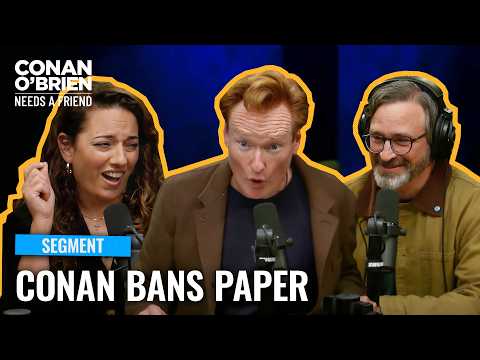
podcast در ۳۰ ثانیه
- A podcast is a digital audio or video series that users can subscribe to and listen to on-demand using various internet-connected devices.
- The term is a blend of 'iPod' and 'broadcast,' highlighting its origins in portable digital media and its function as a modern broadcasting tool.
- Podcasts cover a vast range of topics and are popular for their flexibility, allowing listeners to consume content while multitasking or traveling.
- Key features include episodic release, automatic updates via RSS feeds, and the ability to download content for offline listening at any time.
The term podcast represents one of the most significant shifts in media consumption in the twenty-first century. At its core, a podcast is a digital audio or video file, or a series of such files, made available on the internet for downloading or streaming to a computer or mobile device. Unlike traditional radio, which is broadcast live at specific times, a podcast is 'on-demand,' meaning you can listen to it whenever you want, wherever you want. The word itself is a portmanteau, a linguistic blend of 'iPod' (the famous Apple media player) and 'broadcast.' While the name suggests a connection to Apple products, podcasts can be enjoyed on any device with internet access and audio capabilities, including smartphones, tablets, and laptops. People use podcasts for a staggering variety of reasons: to learn a new language, to stay updated on global news, to dive deep into true crime mysteries, or simply to be entertained by comedians and storytellers during a long commute or while performing household chores.
- Digital Distribution
- Podcasts are typically distributed via an RSS (Really Simple Syndication) feed, which allows users to subscribe to the show. This means that whenever a new episode is released, it is automatically pushed to the listener's podcast app, ensuring they never miss an update from their favorite creators.
I usually listen to a daily news podcast while I am making breakfast in the morning to stay informed about world events.
The versatility of the podcast medium is perhaps its greatest strength. Because the barriers to entry are relatively low—requiring only a decent microphone, a computer, and an internet connection—almost anyone can start their own podcast. This has led to a democratization of information and entertainment, where niche topics that might never find a home on mainstream radio can flourish. Whether you are interested in the history of ancient Rome, the technical details of knitting, or the psychological aspects of professional gaming, there is almost certainly a podcast dedicated to that specific interest. This level of specialization allows for deep-dive explorations that traditional media formats often lack the time or resources to provide. Furthermore, the intimate nature of audio creates a unique bond between the host and the listener; hearing someone's voice directly in your ears often feels like a personal conversation, leading to high levels of listener loyalty and engagement.
- The Subscription Model
- The 'subscribe' feature is what distinguishes a podcast from a simple audio download. By subscribing, you give your device permission to fetch new content as it becomes available, creating a seamless and automated listening experience.
If you subscribe to the podcast, you will get a notification on your phone every Tuesday when the new episode drops.
In professional contexts, the word is used to describe a marketing tool or a thought-leadership platform. Many companies produce branded podcasts to connect with their audience on a more personal level, offering insights into their industry or sharing stories that align with their brand values. In the world of journalism, the 'podcast' has become a vital format for long-form investigative reporting, as seen in the massive success of shows like 'Serial,' which brought international attention to the medium. The term is also frequently used in the context of 'binge-listening,' where a listener consumes multiple episodes of a series in a single sitting, much like one might binge-watch a television show on a streaming service. As technology continues to evolve, the definition of a podcast expands to include video podcasts (often called 'vodcasts'), though the primary focus remains on the portable, episodic, and subscriber-based nature of the content.
- Accessibility and Portability
- One of the primary reasons for the popularity of the podcast is its portability. Listeners can take their favorite shows with them on their smartphones, making it possible to turn idle time—like sitting in traffic or waiting for a flight—into productive or entertaining time.
She downloaded several podcast episodes before her flight so she could listen to them without needing an internet connection.
The history podcast I follow just released a three-part series on the French Revolution.
Many creators find that a podcast is a great way to build a community around a specific niche interest.
Using the word podcast correctly involves understanding its role as a countable noun and, occasionally, its function as a verb. When used as a noun, it refers to the entire show or a specific episode. For example, you might say, 'I love that podcast,' referring to the series as a whole, or 'That was a great podcast,' referring to a single episode you just finished. It is common to use verbs like 'listen to,' 'subscribe to,' 'download,' 'stream,' 'host,' or 'produce' in conjunction with the word. Because podcasts are digital, the language of technology often surrounds them. You 'play' a podcast, 'pause' it, or 'skip' the advertisements. When discussing the act of creating one, you might say someone is 'starting a podcast' or 'recording a podcast episode.' The word is versatile enough to fit into casual conversations about hobbies as well as professional discussions about media strategy and digital marketing.
- Common Verb Pairings
- To 'subscribe to a podcast' is the most common way to describe following a series. Other frequent pairings include 'binge a podcast' (listening to many episodes quickly) and 'guest on a podcast' (appearing as an interviewee).
I decided to podcast my weekly lectures so that students who missed class could catch up easily.
In terms of prepositions, we almost always say we listen to something 'on a podcast.' For instance, 'I heard an interesting theory on a podcast yesterday.' You might also say you found a podcast 'through' a recommendation or 'in' a specific app like Spotify or Apple Podcasts. When describing the content, you can use 'about' or 'on.' For example, 'It is a podcast about gardening' or 'The podcast focuses on economic trends.' If you are referring to the person who makes the podcast, they are the 'podcast host' or 'podcaster.' If you are the person being interviewed, you are the 'podcast guest.' The word can also be used as an adjective to describe related items, such as 'podcast equipment,' 'podcast studio,' or 'podcast network.' This flexibility allows the word to permeate various aspects of modern communication, from technical setups to casual social interactions.
- Describing the Experience
- Adjectives often used with podcast include 'addictive,' 'informative,' 'thought-provoking,' 'hilarious,' or 'long-form.' These help convey the specific vibe or value of the audio content being discussed.
The podcast host interviewed a famous scientist about the possibilities of life on Mars.
Furthermore, the word 'podcast' is often part of compound nouns. A 'podcast series' refers to a set of episodes with a beginning and an end, often telling a single story. A 'podcast feed' is the technical stream that delivers the episodes. A 'podcast app' or 'podcast player' is the software used to listen. In a sentence, you might say, 'I need to clean up my podcast feed; I have too many unplayed episodes.' Or, 'Which podcast app do you recommend for Android users?' Understanding these combinations is key to sounding natural when discussing digital media. Even in formal writing, 'podcast' is the standard term; there is no need to use more complex phrases like 'digital audio broadcast' unless you are writing a technical manual or a legal document. The word has been fully integrated into the English language and is recognized by all major dictionaries as the primary term for this medium.
- Pluralization and Possession
- The plural is 'podcasts.' The possessive is 'podcast's' (singular) or 'podcasts'' (plural). Example: 'The podcast's production quality is excellent.'
After listening to that podcast, I completely changed my mind about how to manage my finances.
Could you send me the link to that podcast you were talking about at dinner?
The investigative podcast revealed new evidence that had been overlooked for decades.
You will encounter the word podcast in almost every corner of modern life, from the digital realm to physical social gatherings. In the digital world, it is prominently featured on platforms like Spotify, Apple Music, and YouTube. You will see it in app store descriptions, on social media bios where creators list their 'podcaster' status, and in the 'share' menus of various websites. Online news outlets frequently have a 'podcasts' section where they offer audio versions of their top stories or original investigative series. In these contexts, the word is often associated with terms like 'episodes,' 'seasons,' 'show notes,' and 'subscribers.' If you are browsing a technology blog or a business website, you will likely see 'podcast' mentioned as a medium for reaching audiences, often discussed alongside 'blogging' and 'video content' as part of a comprehensive content strategy.
- In Social Settings
- At parties or casual meetups, 'What podcasts are you listening to?' has become a standard conversation starter, similar to asking what TV shows someone is watching. It is a way to gauge someone's interests and personality.
During the lunch break, the colleagues discussed the latest episode of a popular comedy podcast.
In the workplace, the word is increasingly common. Marketing teams might discuss 'podcast advertising' as a way to target specific demographics. HR departments might create an internal 'company podcast' to share updates and interviews with leadership. In educational settings, teachers often recommend specific 'educational podcasts' to their students to provide alternative perspectives on a subject. You might also hear it in the context of professional development; many industry experts host podcasts where they share advice and interview other leaders in their field. In these professional environments, the word carries a connotation of modern, accessible, and high-value information. It is seen as a way to stay 'in the loop' without having to dedicate time to reading long articles or watching lengthy videos, as audio can be consumed passively while doing other tasks.
- In Media and Advertising
- Advertisers frequently use the phrase 'available wherever you get your podcasts' at the end of commercials. This has become a ubiquitous tagline in the media industry.
The celebrity mentioned on the talk show that she had just started her own podcast to talk about mental health.
Furthermore, you will hear 'podcast' mentioned in mainstream media like television and movies. Characters might be shown listening to a podcast, or a plot point might revolve around a 'true crime podcast' that uncovers a secret. In journalism, the 'podcast' is often cited as a source of information or a platform where a major interview took place. For example, a news anchor might say, 'In a recent podcast appearance, the Prime Minister discussed the new tax laws.' This highlights how podcasts have moved from a niche hobby to a mainstream source of record. Even in retail spaces, you might see 'podcast microphones' or 'podcast starter kits' for sale, indicating the widespread desire among the general public to participate in this medium. The word is no longer just technical jargon; it is a cultural staple that defines how we share and consume stories in the digital age.
- In Academic Research
- Researchers often study 'podcast analytics' to understand listener behavior, or they might use 'podcast transcripts' as a primary source for qualitative data analysis.
The professor recommended a specific podcast for the students to listen to before the seminar on modern ethics.
I found a great podcast that explains complex scientific concepts in a way that is easy to understand.
The marketing agency suggested that the brand launch a podcast to build a more authentic connection with its customers.
One of the most common mistakes people make when using the word podcast is confusing it with 'radio.' While they both involve audio, the fundamental difference lies in the delivery and the 'on-demand' nature of podcasts. You don't 'tune in' to a podcast at a specific time; you 'download' or 'stream' it. Another frequent error is using 'podcast' to refer only to a single episode. While this is common in casual speech, technically, the 'podcast' is the entire series, and the individual recording is a 'podcast episode.' Saying 'I listened to a podcast' is fine, but if you want to be precise, especially in a professional or technical context, 'I listened to an episode of that podcast' is more accurate. This distinction is similar to the difference between a 'TV show' (the series) and an 'episode' (the specific segment).
- Confusing Podcasts with Audiobooks
- Many learners confuse podcasts with audiobooks. An audiobook is a recording of a book being read aloud, usually purchased as a single unit. A podcast is episodic, often conversational, and typically free or part of a subscription service.
Incorrect: I am going to listen to the radio podcast at 5 PM. (Correct: I am going to listen to the podcast episode whenever I have time.)
Grammatically, some users struggle with the countability of the word. 'Podcast' is a countable noun, so you must use 'a' or 'the' or make it plural. You cannot say 'I like listen podcast.' It must be 'I like listening to podcasts.' Additionally, the preposition 'on' is often misused. You listen to something 'on' a podcast, not 'in' a podcast (though 'in an episode' is acceptable). For example, 'I heard it on a podcast' is the natural phrasing. Another subtle mistake is overusing the word as a verb. While 'to podcast' is a recognized verb, it sounds much more natural to say 'to host a podcast' or 'to record a podcast.' Using 'podcasting' as a gerund (e.g., 'Podcasting is my favorite hobby') is perfectly fine, but 'I am going to podcast now' can sound a bit awkward compared to 'I am going to record my podcast now.'
- Spelling and Capitalization
- The word 'podcast' is not a proper noun and should not be capitalized unless it is at the beginning of a sentence or part of a specific title. It is also one word, not 'pod cast' or 'pod-cast.'
Incorrect: I downloaded a new Pod Cast today. (Correct: I downloaded a new podcast today.)
Finally, there is often confusion regarding the 'video podcast.' Some people think that if it has video, it is no longer a podcast and should be called a 'YouTube video' or a 'vlog.' However, the industry standard is to call these 'video podcasts' or 'vodcasts' if they are part of an episodic series that is also available in audio-only format. The key is the episodic and subscription-based nature, not just the medium of audio. Another mistake is assuming all podcasts are free. While many are, some are behind 'paywalls' or require a 'premium subscription.' Therefore, saying 'podcasts are always free' is a factual error that might lead to confusion in a discussion about media business models. Understanding these nuances helps you use the word more accurately and confidently in both casual and professional settings.
- The 'iPod' Misconception
- Even though the word comes from 'iPod,' you do not need an Apple device to listen to a podcast. This is a common misconception among older generations or those new to the technology.
I thought I couldn't listen to that podcast because I have an Android phone, but I found it on Spotify!
Many people mistakenly call every audio file they find online a podcast, even if it is just a single recording.
It is important to distinguish between a podcast and a live stream, as the latter is not usually edited or available for later download in the same way.
While podcast is the most specific and common term for this medium, there are several similar words and alternatives depending on the context. Understanding these can help you refine your descriptions and avoid repetition. The most common alternative is 'audio series' or 'digital audio program.' These terms are more formal and are often used in academic or technical writing to describe the nature of the content without using the brand-influenced term 'podcast.' Another related term is 'webcast,' though this usually refers to a live broadcast over the internet rather than an on-demand recording. If the content is primarily video-based but follows the episodic format of a podcast, it is often called a 'vodcast' or a 'video podcast.' These distinctions are important for being precise about the format of the media you are consuming or creating.
- Podcast vs. Radio Show
- A 'radio show' is broadcast live over the airwaves at a set time. A 'podcast' is recorded and can be listened to at any time. Many radio shows are now also released as podcasts after they air live.
While some people still prefer the live nature of a radio show, others enjoy the flexibility of a podcast.
In the realm of social media, you might encounter 'vlogs' (video blogs) or 'live streams.' A vlog is typically a video-first format, often more visual and less focused on long-form conversation than a podcast. A live stream happens in real-time, often with audience interaction, whereas a podcast is usually edited and polished before release. Another alternative term is 'audiobook,' but as mentioned before, this refers to a single book rather than an episodic series. For shorter audio content, you might hear the term 'audio clip' or 'sound bite.' In a professional setting, you might use 'on-demand audio' to describe the category of media that includes podcasts. This term is broader and encompasses anything that can be listened to at the user's convenience, including music streaming services and recorded webinars.
- Podcast vs. Webinar
- A 'webinar' is an educational presentation or seminar conducted over the internet. It is usually live and interactive. A 'podcast' is typically pre-recorded and intended for passive listening.
I missed the live webinar, but the host said they would release the audio as a podcast next week.
When comparing podcasts to other forms of digital storytelling, you might use terms like 'serialized audio' or 'audio documentary.' These describe specific genres within the podcasting world. For example, a true crime podcast might be better described as a 'serialized investigative audio documentary.' This level of detail is useful when you want to emphasize the quality or the format of the content. Another term that is gaining traction is 'social audio,' which refers to platforms like Clubhouse or Twitter Spaces where people can have live, group conversations. While these are not podcasts in the traditional sense, they are part of the same ecosystem of audio-first digital communication. By understanding these related terms, you can more accurately place 'podcast' within the broader landscape of modern media and choose the best word for your specific needs.
- Podcast vs. Audiobook
- An 'audiobook' is a single, complete narrative. A 'podcast' is an ongoing series of episodes. You 'buy' an audiobook, but you 'subscribe' to a podcast.
I find it easier to focus on a podcast during my 20-minute drive than to start a long audiobook.
The journalist decided to turn her long-form article into a podcast series to reach a wider audience.
Many people use the term podcast loosely to describe any digital audio content they find on their phones.
چقدر رسمی است؟
نکته جالب
Apple did not invent the word 'podcast,' even though it contains the 'iPod' brand name. The term was created by a journalist trying to find a name for the new technology of 'audible computing.'
راهنمای تلفظ
- Pronouncing 'cast' as 'cost'.
- Stress on the second syllable: pod-CAST (incorrect).
- Adding an extra 's' in the middle: pods-cast (incorrect).
- Merging it into two words: pod cast (incorrect spelling).
- Muffling the 't' at the end of the word.
سطح دشواری
The word is easy to recognize in text as it is often used in modern contexts.
Spelling is straightforward, but learners must remember it is one word and countable.
Pronunciation varies slightly between UK and US English, but is generally easy to master.
The word is very distinct and usually easy to catch in spoken conversation.
بعداً چه یاد بگیریم؟
پیشنیازها
بعداً یاد بگیرید
پیشرفته
گرامر لازم
Prepositions with Media
We say 'on a podcast' just like we say 'on the radio' or 'on TV'.
Countable Nouns
Always use an article: 'I want to start a podcast,' not 'I want to start podcast.'
Compound Nouns
'Podcast host' and 'podcast episode' are common compound nouns.
Gerunds as Subjects
'Listening to podcasts is my favorite way to learn English.'
Verbs of Consumption
Use 'listen to' for audio podcasts and 'watch' for video podcasts.
مثالها بر اساس سطح
I listen to a podcast every morning.
Listen to audio on my phone.
Present simple tense.
This podcast is very good.
The audio show is nice.
Subject + verb + adjective.
Do you like this podcast?
Is this show good for you?
Question form with 'do'.
She has a new podcast.
She started a show.
Third person singular 'has'.
I download the podcast at home.
Save the audio to my phone.
Action verb 'download'.
The podcast is about animals.
The topic is animals.
Preposition 'about'.
He listens to the podcast on the bus.
Listening while traveling.
Preposition 'on'.
Can you play the podcast?
Start the audio.
Modal verb 'can'.
I subscribed to a new history podcast yesterday.
I followed a show about the past.
Past simple tense.
My favorite podcast has over one hundred episodes.
The show has many parts.
Use of 'over' for quantity.
You can listen to this podcast for free.
No money is needed.
Adverbial phrase 'for free'.
She recommends listening to a podcast to learn English.
She says it is a good idea.
Gerund 'listening' after 'recommends'.
I usually stream the podcast instead of downloading it.
Listen online, don't save it.
Use of 'instead of'.
The podcast host speaks very clearly.
The person talking is easy to understand.
Adverb 'clearly' modifying 'speaks'.
Which podcast app do you use on your phone?
What software do you have?
Wh-question with 'which'.
I missed the last episode of my favorite podcast.
I didn't hear the newest part.
Past simple 'missed'.
I find that listening to a podcast is a great way to pass the time during my commute.
It makes the travel time go faster.
Gerund phrase as subject of the clause.
The podcast provides a deep dive into the latest scientific discoveries.
It explains things in detail.
Metaphorical use of 'deep dive'.
If you subscribe to the podcast, you'll get a notification every time a new episode is released.
Automatic updates for the show.
First conditional 'if' + 'will'.
Many people prefer podcasts over traditional radio because they are on-demand.
Available whenever you want.
Comparison using 'prefer... over'.
The host of the podcast interviewed several experts on the topic of climate change.
The main person talked to smart people.
Noun phrase 'host of the podcast'.
I've been listening to this podcast for months, and I've learned so much.
A long-term habit.
Present perfect continuous.
You can find a podcast for almost any niche interest you might have.
Shows for very specific hobbies.
Use of 'almost any' for emphasis.
The podcast's production quality has improved significantly since the first season.
The sound is much better now.
Possessive 'podcast's'.
The rise of the podcast has fundamentally changed how we consume long-form content.
It changed our media habits.
Present perfect with 'fundamentally'.
She was invited to guest on a popular tech podcast to discuss her new startup.
She was an interviewee on a show.
Passive voice 'was invited'.
Podcast advertising is becoming an increasingly lucrative market for digital marketers.
Ads in shows make a lot of money.
Adverbial phrase 'increasingly lucrative'.
The investigative podcast series uncovered new evidence that led to a reopening of the case.
The show found new facts about a crime.
Relative clause 'that led to...'.
I tend to binge-listen to podcasts whenever I'm on a long road trip.
Listen to many episodes in a row.
Compound verb 'binge-listen'.
The podcast host has a very engaging style that keeps listeners coming back every week.
The person is very interesting to hear.
Participial phrase 'keeps listeners coming back'.
There is a wealth of educational podcasts available that cover everything from philosophy to physics.
Many good shows for learning.
Phrase 'a wealth of'.
The podcast's RSS feed ensures that subscribers never miss an update.
The tech keeps the show updated.
Technical term 'RSS feed'.
The podcast medium offers a unique level of intimacy between the creator and the audience.
A very personal connection.
Abstract noun 'intimacy'.
Many independent creators have found success by leveraging the low barriers to entry in the podcasting world.
Using the fact that it's easy to start.
Gerund 'leveraging' as a means.
The podcast explores the intersection of technology and ethics in the age of artificial intelligence.
Where two complex topics meet.
Noun 'intersection' used figuratively.
Critics argue that the proliferation of podcasts has led to a fragmentation of the media landscape.
Too many shows split the audience.
Noun 'proliferation' and 'fragmentation'.
The podcast host's ability to weave a compelling narrative is what sets this show apart from its competitors.
Telling a great story makes it better.
Relative clause 'what sets this show apart'.
Subscribing to a podcast allows for asynchronous consumption, which fits perfectly into a busy modern lifestyle.
Listening at a different time than recording.
Adjective 'asynchronous'.
The podcast's monetization strategy relies heavily on listener donations and premium content tiers.
How the show makes money.
Noun phrase 'monetization strategy'.
In his latest podcast appearance, the author elaborated on the themes of his most recent novel.
He talked more about his book.
Verb 'elaborated' with 'on'.
The podcast has emerged as a formidable platform for intellectual discourse and cultural critique.
A powerful place for serious talk.
Adjective 'formidable' and 'discourse'.
The sheer volume of podcasts available today can lead to a sense of choice paralysis for new listeners.
Too many choices make it hard to pick.
Noun phrase 'choice paralysis'.
By bypassing traditional gatekeepers, the podcasting ecosystem has democratized the dissemination of information.
Giving power to everyone to share news.
Participial phrase 'By bypassing...'.
The podcast's success is a testament to the enduring power of the human voice to captivate and inspire.
Proof that voices are powerful.
Phrase 'a testament to'.
One must consider the ethical implications of the parasocial relationships fostered by long-form podcasting.
The one-sided bond between host and listener.
Adjective 'parasocial'.
The podcasting landscape is characterized by a tension between independent voices and corporate consolidation.
A struggle between small and big companies.
Noun 'tension' and 'consolidation'.
The podcast's meticulously researched episodes provide a nuanced perspective on complex historical events.
Very detailed and careful look at history.
Adverb-adjective 'meticulously researched'.
The ubiquity of the podcast format suggests a fundamental shift in our collective attention span and media preferences.
The fact that it's everywhere shows a change.
Noun 'ubiquity' and 'collective'.
ترکیبهای رایج
عبارات رایج
— A standard phrase used to tell listeners they can find the show on any platform. It emphasizes the wide availability of the content.
Our new show is out now, available wherever you get your podcasts.
— Refers to the written description or links provided with a podcast episode. It is used to give listeners more information.
For a full list of the books we mentioned, check the show notes.
— To listen to many episodes of a podcast in a very short period of time. It implies high engagement with the content.
I binged the entire first season of that podcast in one weekend.
— A person who is invited to speak on a podcast episode. They are usually experts or celebrities.
We are excited to have a special podcast guest on today's show.
— A company that produces and distributes multiple different podcasts. It is like a television network for audio.
This show is part of a large podcast network that focuses on true crime.
— Informal way to say a new episode has been released. 'Drops' suggests a sudden and exciting arrival.
A new episode of my favorite podcast drops every Friday morning.
— A common request from hosts for listeners to give the show a star rating and a written comment. It helps with visibility.
If you enjoyed the show, please take a moment to rate and review us.
— A specialized room equipped with microphones and recording gear for making podcasts. It ensures high sound quality.
They spent a lot of money building a professional podcast studio in their basement.
— Used to distinguish the traditional audio-only format from video-based ones. It clarifies the medium.
I prefer the audio podcast because I can listen while I drive.
— A podcast that releases a new episode every single day. Usually focuses on news or short tips.
I listen to a daily podcast to keep up with the stock market.
اغلب اشتباه گرفته میشود با
Radio is live and broadcast over airwaves; podcasts are on-demand and digital.
An audiobook is a single book recording; a podcast is an ongoing series of episodes.
A vlog is primarily a video blog; a podcast is primarily audio-focused, even if it has video.
اصطلاحات و عبارات
— A self-deprecating joke suggesting that someone is better suited for audio work because they aren't conventionally attractive. It is usually meant humorously.
I decided to start a podcast because I definitely have a face for radio.
informal/humorous— To be someone who is obsessed with listening to podcasts and consumes them constantly. It implies a strong passion.
Ever since I got my new headphones, I've become a total podcast junkie.
informal— To start a podcast or start listening to them just because they have become popular. It can be slightly critical.
Every celebrity seems to be jumping on the podcast bandwagon these days.
neutral— While originally from radio, this is now used in podcasting to mean getting the chance to speak or be heard. It refers to exposure.
I'm glad I finally got some airtime to explain my side of the story.
neutral— Borrowed from radio, this means to start listening to a podcast. It is used even though there is no literal 'tuning' involved.
Thanks for tuning in to another episode of the Tech Talk podcast.
neutral— Used in podcasting to mean that the recording or broadcasting is currently happening. It creates a sense of professional radio style.
Quiet please, we are about to go on the air for the live podcast recording.
neutral— Commonly used by podcast hosts to mean skipping the introduction and getting to the main point. It keeps the show moving.
We have a lot to cover today, so let's cut to the chase and bring in our guest.
informal— The act of ending a podcast episode with a standard goodbye or closing statement. It provides a formal conclusion.
Before I sign off, I want to thank our sponsors for making this episode possible.
neutral— Used to tell listeners to keep listening for more information or for the next episode. It builds anticipation.
Stay tuned for part two of our interview, coming out next week!
neutral— Used when a podcast episode becomes so popular that it causes a massive amount of social media activity. It implies viral success.
That interview was so controversial it practically broke the internet.
slangبهراحتی اشتباه گرفته میشود
Both involve transmitting audio to an audience.
Broadcast is a general term for transmitting signals to many people at once, usually live. Podcast is a specific digital format that is episodic and on-demand.
The radio station will broadcast the news, but they also release it as a podcast.
Both are digital media distributed over the internet.
A webcast is typically a live event (like a seminar) streamed online. A podcast is usually pre-recorded and intended for later consumption via a subscription.
We watched the live webcast of the conference, then listened to the podcast summary.
Both are audio files you listen to on your phone.
Audiobooks are recordings of existing books and are usually sold as a single item. Podcasts are original episodic content, often conversational, and usually free.
I finished my audiobook, so now I'm going to listen to a podcast.
Both can be audio or video content on the internet.
A livestream is happening right now and often allows for real-time interaction. A podcast is recorded, edited, and released for listening at any time.
He does a livestream on Twitch, but he also has a podcast on Spotify.
They sound very similar and often have the same structure.
A radio show is tied to a specific time and frequency. A podcast is independent of time and can be accessed through various apps and feeds.
That old radio show is now available as a podcast.
الگوهای جملهسازی
I like [podcast].
I like this podcast.
I listen to [podcast] while [activity].
I listen to a podcast while I walk.
I've been listening to [podcast] for [time].
I've been listening to this podcast for three months.
The podcast features [guest/topic].
The podcast features an interview with a doctor.
The podcast explores the nuances of [complex topic].
The podcast explores the nuances of international law.
The podcast serves as a catalyst for [abstract concept].
The podcast serves as a catalyst for social reform.
If you like [topic], you'll love [podcast].
If you like history, you'll love this podcast.
I heard on a podcast that [fact].
I heard on a podcast that bees can recognize faces.
خانواده کلمه
اسمها
فعلها
صفتها
مرتبط
نحوه استفاده
Extremely common in modern English, especially among urban and tech-savvy populations.
-
I listen radio podcast.
→
I listen to a podcast.
You need the preposition 'to' after 'listen' and an article 'a' before 'podcast'. Also, 'radio podcast' is redundant; just use 'podcast'.
-
I saw a podcast yesterday.
→
I listened to a podcast yesterday.
Unless it is a video podcast, we use the verb 'listen' for audio content. If it is video, you can say 'I watched a podcast'.
-
I downloaded many podcast.
→
I downloaded many podcasts.
'Podcast' is a countable noun, so it must be pluralized when referring to more than one.
-
The podcast is on 5 PM.
→
The podcast is available at any time.
Podcasts are not broadcast at a specific time like radio. They are released and then available whenever the listener wants.
-
I heard it in a podcast.
→
I heard it on a podcast.
The standard preposition for media platforms (radio, TV, internet, podcast) is 'on'.
نکات
Use Podcasts for Language Learning
Find a podcast designed for English learners. These shows often use simpler vocabulary and speak more slowly, making them perfect for practicing your listening skills every day.
Listen While You Work
Podcasts are great for multitasking. You can listen while doing chores, exercising, or commuting. This turns 'wasted' time into productive learning or entertainment time.
Adjust the Playback Speed
If a podcast host is speaking too fast, most apps allow you to slow down the audio to 0.75x or 0.8x speed. This can help you understand every word more clearly.
Share with Friends
Podcasts are a great topic for conversation. If you hear something interesting, share the link with a friend. It gives you something new to talk about and helps you remember what you heard.
Manage Your Downloads
Podcast files can take up a lot of space on your phone. Set your app to automatically delete episodes after you have finished listening to them to save storage.
Explore Different Genres
Don't just stick to one type of show. Try comedy, history, science, and fiction podcasts. This will expose you to a wider variety of vocabulary and speaking styles.
Read the Show Notes
Many podcasters include links, summaries, and transcripts in the show notes. Reading these while or after you listen can reinforce what you've learned and provide extra context.
Protect Your Hearing
Since many people listen to podcasts with headphones, be careful not to turn the volume up too high, especially in noisy environments like buses or trains.
Try Recording Yourself
If you want to practice speaking, try recording a 'mini-podcast' on your phone about your day. Listening back to yourself can help you identify areas for improvement in your pronunciation.
Make it a Habit
Try to listen to at least ten minutes of a podcast every day. Consistency is key to improving your listening comprehension and expanding your vocabulary over time.
حفظ کنید
روش یادسپاری
Think of a POD (like a small container or an iPod) and a CAST (like a broadcast or throwing a net). You are 'casting' your 'pod' of information out to the world.
تداعی تصویری
Imagine a small pea pod with a microphone inside it, floating in the digital cloud. This connects the 'pod' part of the word with the 'audio' nature of the content.
شبکه واژگان
چالش
Try to explain your favorite hobby to a friend as if you were recording a 30-second podcast intro. Use the word 'podcast' at least twice.
ریشه کلمه
The word was coined in 2004 by Ben Hammersley in an article for The Guardian. It is a portmanteau of 'iPod' and 'broadcast'. At the time, the iPod was the dominant portable media player, and 'broadcast' referred to the traditional method of transmitting audio.
معنای اصلی: Originally, it specifically referred to audio files designed to be listened to on an Apple iPod, though the technology quickly expanded to all devices.
English (Modern Neologism)بافت فرهنگی
While podcasts are generally a free and open medium, some podcasts can be controversial or spread misinformation. It is important to be a critical listener and check the sources of the information provided.
In the US and UK, podcasts are a primary source of news and entertainment for millennials and Gen Z. Phrases like 'I heard it on a podcast' are extremely common in daily conversation.
تمرین در زندگی واقعی
موقعیتهای واقعی
Commuting
- listen on the train
- pass the time
- morning commute
- offline listening
Education
- learning tool
- expert interview
- educational series
- supplemental material
Hobbies
- niche interest
- hobbyist podcast
- fan community
- deep dive
Technology
- RSS feed
- podcast app
- digital media
- streaming service
Business
- branded podcast
- thought leadership
- podcast advertising
- industry insights
شروعکنندههای مکالمه
"Have you listened to any good podcasts lately?"
"What is your favorite podcast genre—true crime, comedy, or news?"
"If you started a podcast, what topic would you talk about?"
"Do you prefer listening to podcasts or watching videos?"
"How do you usually find new podcasts to listen to?"
موضوعات نگارش
Describe a podcast episode that changed your perspective on a specific topic.
Write about why you think podcasts have become so popular in recent years.
If you could interview anyone on a podcast, who would it be and why?
Discuss the advantages and disadvantages of learning through podcasts.
Imagine the future of podcasts. How will we listen to them in twenty years?
سوالات متداول
10 سوالNo, you do not need an iPod. Despite the name, you can listen to podcasts on any smartphone, tablet, or computer with an internet connection. Most people use apps like Spotify, Apple Podcasts, or Google Podcasts on their phones.
Most podcasts are free to listen to, as they are supported by advertisements. However, some creators offer 'premium' content or ad-free versions of their shows for a monthly subscription fee through platforms like Patreon or Apple Podcasts Subscriptions.
You can find new podcasts by searching for topics you like in a podcast app, looking at 'Top Charts,' or asking friends for recommendations. Many websites and social media accounts also curate lists of the best podcasts in specific genres.
Yes, you can. Most podcast apps allow you to 'download' episodes while you have a Wi-Fi connection. Once downloaded, you can listen to them anywhere, even if you are offline or in 'airplane mode'.
The main difference is that a podcast is 'on-demand,' meaning you can listen to it whenever you want. A radio show is broadcast live at a specific time. Also, podcasts are usually delivered via an RSS feed, which allows for automatic updates.
There is no standard length. Some podcasts are very short (3-5 minutes), while others can be several hours long. Most popular podcasts tend to be between 20 and 60 minutes, which is the average length of a commute.
Absolutely! Anyone can start a podcast. You just need a microphone, a computer, and a way to host your audio files online. Many people start with simple equipment and grow their show over time.
Subscribing (or 'following') a podcast means that you will automatically receive new episodes in your podcast app as soon as they are released. It is usually free and ensures you don't miss any content from your favorite shows.
Yes, many podcasts now include a video component. These are often called 'vodcasts' or 'video podcasts.' You can watch them on platforms like YouTube or within some podcast apps like Spotify.
True crime is one of the most popular genres because it offers suspenseful, real-life storytelling. Many people enjoy the investigative nature of these shows and the deep dives into complex human psychology and legal cases.
خودت رو بسنج 200 سوال
Write a short paragraph (3-4 sentences) about your favorite podcast or a podcast you would like to listen to.
خوب نوشتید! تلاش خوبی بود! پاسخ نمونه را ببینید.
Explain the difference between a podcast and a radio show in your own words.
خوب نوشتید! تلاش خوبی بود! پاسخ نمونه را ببینید.
If you were to start a podcast, what would it be about? Describe the title, the topics, and who you would invite as a guest.
خوب نوشتید! تلاش خوبی بود! پاسخ نمونه را ببینید.
Write a review for a podcast you recently listened to. Mention the host, the content, and why you would or wouldn't recommend it.
خوب نوشتید! تلاش خوبی بود! پاسخ نمونه را ببینید.
Discuss the impact of podcasts on traditional media like radio and television.
خوب نوشتید! تلاش خوبی بود! پاسخ نمونه را ببینید.
Write a 50-word introduction for a new podcast about travel.
خوب نوشتید! تلاش خوبی بود! پاسخ نمونه را ببینید.
Describe how you use podcasts to improve your English skills.
خوب نوشتید! تلاش خوبی بود! پاسخ نمونه را ببینید.
Summarize a podcast episode you heard recently.
خوب نوشتید! تلاش خوبی بود! پاسخ نمونه را ببینید.
Write three questions you would ask your favorite podcast host.
خوب نوشتید! تلاش خوبی بود! پاسخ نمونه را ببینید.
Argue for or against the statement: 'Podcasts are the best way to stay informed about the news.'
خوب نوشتید! تلاش خوبی بود! پاسخ نمونه را ببینید.
Write a short email to a friend recommending a podcast.
خوب نوشتید! تلاش خوبی بود! پاسخ نمونه را ببینید.
Describe the equipment someone might need to start a professional podcast.
خوب نوشتید! تلاش خوبی بود! پاسخ نمونه را ببینید.
Write a dialogue between two friends discussing a controversial podcast episode.
خوب نوشتید! تلاش خوبی بود! پاسخ نمونه را ببینید.
How have podcasts changed the way we spend our 'dead time' (like commuting)?
خوب نوشتید! تلاش خوبی بود! پاسخ نمونه را ببینید.
Write a short story about a person who discovers a secret through a podcast.
خوب نوشتید! تلاش خوبی بود! پاسخ نمونه را ببینید.
Discuss the pros and cons of 'binge-listening' to a podcast series.
خوب نوشتید! تلاش خوبی بود! پاسخ نمونه را ببینید.
Explain what 'asynchronous consumption' means in the context of podcasts.
خوب نوشتید! تلاش خوبی بود! پاسخ نمونه را ببینید.
Write a social media post promoting your new podcast episode.
خوب نوشتید! تلاش خوبی بود! پاسخ نمونه را ببینید.
Describe the feeling of listening to a podcast versus reading a book.
خوب نوشتید! تلاش خوبی بود! پاسخ نمونه را ببینید.
What role do you think podcasts will play in education in the future?
خوب نوشتید! تلاش خوبی بود! پاسخ نمونه را ببینید.
Describe a podcast you listen to regularly. What is it about and why do you like it?
این را بلند بخوانید:
تو گفتی:
تشخیص گفتار در مرورگر شما پشتیبانی نمیشود. از کروم یا اج استفاده کنید.
Do you think podcasts are better than radio? Why or why not?
این را بلند بخوانید:
تو گفتی:
تشخیص گفتار در مرورگر شما پشتیبانی نمیشود. از کروم یا اج استفاده کنید.
How do you usually listen to podcasts? (e.g., while driving, at home, with headphones?)
این را بلند بخوانید:
تو گفتی:
تشخیص گفتار در مرورگر شما پشتیبانی نمیشود. از کروم یا اج استفاده کنید.
If you could interview your favorite celebrity on a podcast, what would you ask them?
این را بلند بخوانید:
تو گفتی:
تشخیص گفتار در مرورگر شما پشتیبانی نمیشود. از کروم یا اج استفاده کنید.
Explain the concept of a podcast to someone who has never heard of one.
این را بلند بخوانید:
تو گفتی:
تشخیص گفتار در مرورگر شما پشتیبانی نمیشود. از کروم یا اج استفاده کنید.
What are the advantages of using podcasts for education?
این را بلند بخوانید:
تو گفتی:
تشخیص گفتار در مرورگر شما پشتیبانی نمیشود. از کروم یا اج استفاده کنید.
Talk about a specific podcast episode that you found very interesting or surprising.
این را بلند بخوانید:
تو گفتی:
تشخیص گفتار در مرورگر شما پشتیبانی نمیشود. از کروم یا اج استفاده کنید.
Would you ever want to host your own podcast? Why or why not?
این را بلند بخوانید:
تو گفتی:
تشخیص گفتار در مرورگر شما پشتیبانی نمیشود. از کروم یا اج استفاده کنید.
How have podcasts changed the way people consume news?
این را بلند بخوانید:
تو گفتی:
تشخیص گفتار در مرورگر شما پشتیبانی نمیشود. از کروم یا اج استفاده کنید.
Discuss the popularity of true crime podcasts. Why do you think people find them so fascinating?
این را بلند بخوانید:
تو گفتی:
تشخیص گفتار در مرورگر شما پشتیبانی نمیشود. از کروم یا اج استفاده کنید.
Describe the best environment for listening to a podcast.
این را بلند بخوانید:
تو گفتی:
تشخیص گفتار در مرورگر شما پشتیبانی نمیشود. از کروم یا اج استفاده کنید.
What makes a good podcast host?
این را بلند بخوانید:
تو گفتی:
تشخیص گفتار در مرورگر شما پشتیبانی نمیشود. از کروم یا اج استفاده کنید.
How do you feel about advertisements in podcasts? Are they annoying or helpful?
این را بلند بخوانید:
تو گفتی:
تشخیص گفتار در مرورگر شما پشتیبانی نمیشود. از کروم یا اج استفاده کنید.
Talk about a podcast that helped you learn something new.
این را بلند بخوانید:
تو گفتی:
تشخیص گفتار در مرورگر شما پشتیبانی نمیشود. از کروم یا اج استفاده کنید.
Do you prefer long-form podcasts (over an hour) or short-form podcasts (under 20 minutes)?
این را بلند بخوانید:
تو گفتی:
تشخیص گفتار در مرورگر شما پشتیبانی نمیشود. از کروم یا اج استفاده کنید.
How do you find new podcasts to listen to?
این را بلند بخوانید:
تو گفتی:
تشخیص گفتار در مرورگر شما پشتیبانی نمیشود. از کروم یا اج استفاده کنید.
Discuss the ethical responsibilities of podcast hosts when sharing information.
این را بلند بخوانید:
تو گفتی:
تشخیص گفتار در مرورگر شما پشتیبانی نمیشود. از کروم یا اج استفاده کنید.
What is the most popular podcast in your country right now?
این را بلند بخوانید:
تو گفتی:
تشخیص گفتار در مرورگر شما پشتیبانی نمیشود. از کروم یا اج استفاده کنید.
How has the word 'podcast' changed since it was first coined in 2004?
این را بلند بخوانید:
تو گفتی:
تشخیص گفتار در مرورگر شما پشتیبانی نمیشود. از کروم یا اج استفاده کنید.
Give a 1-minute pitch for a new podcast idea.
این را بلند بخوانید:
تو گفتی:
تشخیص گفتار در مرورگر شما پشتیبانی نمیشود. از کروم یا اج استفاده کنید.
Listen to a 2-minute clip from a podcast and summarize the main point.
Identify the tone of the podcast host (e.g., serious, funny, educational).
Listen for specific vocabulary words related to technology in a podcast intro.
Listen to a podcast interview and identify the guest's profession.
Listen to a podcast advertisement and identify the product being sold.
Listen to a news podcast and list three facts mentioned.
Identify the different speakers in a podcast conversation.
Listen for the call to action at the end of a podcast (e.g., 'subscribe', 'visit our website').
Listen to a podcast at 1.5x speed and try to understand the main message.
Listen to a podcast with a different accent than your own and note any difficult words.
Listen to a podcast about history and write down the dates mentioned.
Listen to a podcast intro and identify the name of the show.
Listen to a podcast debate and summarize both sides of the argument.
Listen for the 'outro' music and describe the mood it creates.
Listen to a podcast episode and identify the 'hook' used to catch the listener's attention.
/ 200 درست
نمره کامل!
Summary
The word 'podcast' refers to an episodic digital audio program that offers unparalleled flexibility and niche content. For example, 'I listened to a fascinating podcast about space exploration while jogging this morning,' illustrates its use as a portable, on-demand learning tool.
- A podcast is a digital audio or video series that users can subscribe to and listen to on-demand using various internet-connected devices.
- The term is a blend of 'iPod' and 'broadcast,' highlighting its origins in portable digital media and its function as a modern broadcasting tool.
- Podcasts cover a vast range of topics and are popular for their flexibility, allowing listeners to consume content while multitasking or traveling.
- Key features include episodic release, automatic updates via RSS feeds, and the ability to download content for offline listening at any time.
Use Podcasts for Language Learning
Find a podcast designed for English learners. These shows often use simpler vocabulary and speak more slowly, making them perfect for practicing your listening skills every day.
Listen While You Work
Podcasts are great for multitasking. You can listen while doing chores, exercising, or commuting. This turns 'wasted' time into productive learning or entertainment time.
Adjust the Playback Speed
If a podcast host is speaking too fast, most apps allow you to slow down the audio to 0.75x or 0.8x speed. This can help you understand every word more clearly.
Share with Friends
Podcasts are a great topic for conversation. If you hear something interesting, share the link with a friend. It gives you something new to talk about and helps you remember what you heard.