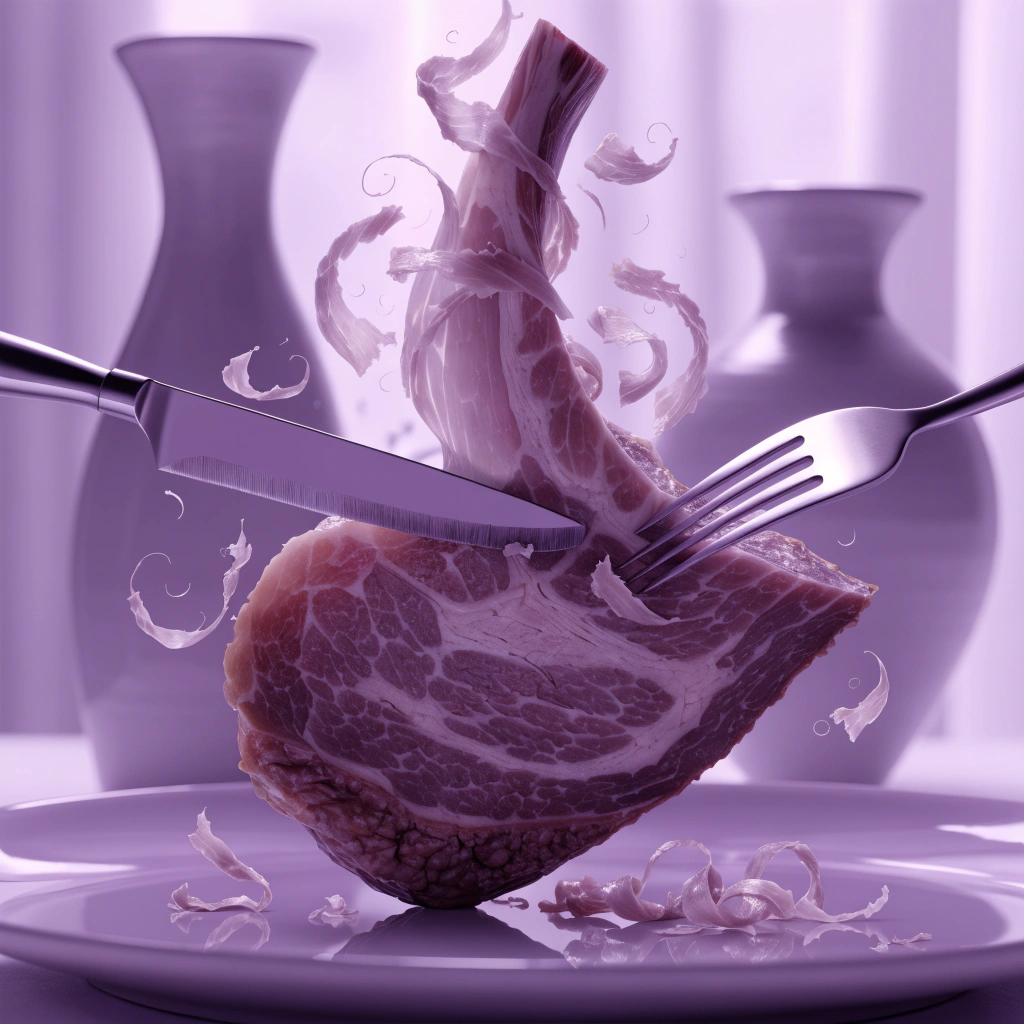
A Special Ham from Spain
Jamón Ibérico is a special ham from Spain. It is very famous and delicious. This ham is not like other ham. It is an important part of Spanish culture.
The pigs live in a big forest called the dehesa. They are free and happy. In the autumn, the pigs eat many acorns. Acorns are small nuts from oak trees. This food makes the meat very tasty and soft.
People in Spain eat this ham at parties and festivals. It is expensive but very good. Many tourists visit Spain to try this special food.
文法スポットライト
パターン: Present Simple with 'be'
"It is very famous and delicious."
We use 'is' for singular things like 'it' or 'the ham'. This describes a fact or a state that is always true.
パターン: Present Simple Plural
"The pigs live in a big forest."
When the subject is plural (the pigs), the verb does not have an 's'. Use the base form of the verb for facts about groups.
理解度をチェック
10 問 · A1 初級 · 無料プレビュー 1回
この記事で学んだことをテストしよう。全問正解してXPを獲得!
Where is Jamón Ibérico from?
問題の内訳
Where is Jamón Ibérico from?
あなたの回答:
正解: Spain
The pigs live in small cages.
あなたの回答:
正解: 間違い
What does 'delicious' mean?
あなたの回答:
正解: Very good taste
In the autumn, the pigs eat many _____.
あなたの回答:
正解: acorns
The Special Ham of Spain
Jamón Ibérico is a very special type of ham from Spain. It is not like normal ham because it comes from a unique pig. People call the best type 'Jamón Ibérico de Bellota.'
These pigs live in a beautiful place called the 'dehesa.' This is a large forest with many trees. The pigs are very happy because they can walk and run freely. They are healthier than other pigs. In the autumn, the pigs eat acorns. In Spanish, these are called 'bellotas.' The acorns give the meat a wonderful taste.
The process of making this ham is very slow. Farmers dry the meat for many months or even years. This tradition is very old and important in Spain. Many people think it is an artisanal masterpiece. It is more expensive than regular ham, but the flavor is amazing. Families often eat it during festivals and special holidays.
文法スポットライト
パターン: Comparatives
"They are healthier than other pigs."
We use the comparative form (adjective + 'er') followed by 'than' to compare two things. For short adjectives like 'healthy', we change the 'y' to 'i' and add 'er'.
パターン: Connectors: Because
"The pigs are very happy because they can walk and run freely."
We use 'because' to introduce a reason or an explanation. It connects two parts of a sentence to show why something happens.
理解度をチェック
11 問 · A2 初級 · 無料プレビュー 1回
この記事で学んだことをテストしよう。全問正解してXPを獲得!
Where does Jamón Ibérico come from?
問題の内訳
Where does Jamón Ibérico come from?
あなたの回答:
正解: Spain
The pigs live in a large forest called the dehesa.
あなたの回答:
正解: 正しい
What is a 'tradition'?
あなたの回答:
正解: An old custom or way of doing things
In the autumn, the pigs eat _____.
あなたの回答:
正解: acorns
How long do farmers dry the meat?
あなたの回答:
正解: Many months or years
The Secrets of Spain's Most Famous Ham
Have you ever heard of Jamón Ibérico de Bellota? In Spain, this special ham is considered a national treasure. It has been produced for centuries using traditional methods that have not changed much over time. It is not just a snack; it is a symbol of Spanish culture.
The story begins with the Iberian pig, which is a unique breed found in the Iberian Peninsula. These pigs are famous because they have the genetic ability to store fat inside their muscle tissue. This creates a marbled texture that is very similar to expensive Wagyu beef. The best quality ham comes from pigs that live in the 'dehesa', which is a protected Mediterranean forest. During the autumn, the pigs roam freely and eat acorns, known as 'bellotas'. These acorns give the meat a nutty flavor and healthy fats.
The production process is long and requires a lot of patience. After the meat is prepared, it is covered in salt and left to dry in special cellars. This process is called curing. Some hams are cured for more than three years before they are ready to be eaten. During this time, the flavor becomes deeper and more complex.
Today, Jamón Ibérico de Bellota is enjoyed by people all over the world. It is usually served in very thin slices that melt in your mouth. Although it can be expensive, many people believe that it is worth the price because of the incredible history and hard work behind every piece. It represents a perfect balance between nature and tradition.
文法スポットライト
パターン: Present Perfect
"It has been produced for centuries using traditional methods that have not changed much over time."
The present perfect (have/has + past participle) is used here to describe an action that started in the past and continues to the present day.
パターン: Relative Clauses
"The story begins with the Iberian pig, which is a unique breed found in the Iberian Peninsula."
Relative clauses starting with 'which' or 'that' provide extra information about a noun. In this case, 'which' explains more about the Iberian pig.
理解度をチェック
11 問 · B1 中級 · 無料プレビュー 1回
この記事で学んだことをテストしよう。全問正解してXPを獲得!
What gives the meat its unique nutty flavor?
問題の内訳
What gives the meat its unique nutty flavor?
あなたの回答:
正解: The acorns the pigs eat
The production methods for this ham have changed completely in the last year.
あなたの回答:
正解: 間違い
What does 'curing' mean in the context of the article?
あなたの回答:
正解: Preserving meat by salting and drying it
The best quality ham comes from pigs that live in the _____, a type of forest.
あなたの回答:
正解: dehesa
How long can the curing process last for some hams?
あなたの回答:
正解: More than three years
スペインの至宝「ハモン・イベリコ・デ・ベジョータ」:その深遠なる魅力
スペインが世界に誇る美食の一つに「ハモン・イベリコ」が挙げられます。これは単なる生ハムという枠を超え、生物学、生態学、そして長きにわたる伝統が見事に交錯し、結晶化した芸術作品と言えるでしょう。中でも最高級品として知られるのが、「ハモン・イベリコ・デ・ベジョータ」です。
この稀有な生ハムの源となるのは、イベリア半島に固有の品種である「イベリコ豚」です。彼らは、筋肉組織内に脂肪を蓄積する遺伝的特性を持っており、これが日本の和牛にも通じる、きめ細やかな「霜降り」の食感を生み出す要因となっています。この独特な肉質こそが、ハモン・イベリコ特有の風味と口溶けの良さを決定づける、不可欠な要素なのです。
ハモン・イベリコ・デ・ベジョータの製造において最も重要な段階の一つが、豚の飼育環境です。最終肥育期には、豚は「デエサ」と呼ばれる地中海性気候の広大な森林地帯で放牧されます。このデエサは、樫の木が豊富に茂る保護された生態系であり、豚はそこで自然に落下するドングリ(ベジョータ)を主食とします。ドングリに含まれる豊富なオレイン酸が、豚肉の風味を一層豊かにし、独特の香りと滑らかな口当たりを与えると考えられています。
ドングリを食した豚肉は、その後、数年にもわたる長期の熟成期間を経て完成します。この熟成過程こそが、ハモン・イベリコ・デ・ベジョータの複雑で深みのある味わいと、繊細な香りを引き出す鍵となります。湿度と温度が厳密に管理された熟成庫の中で、ゆっくりと時間をかけて旨味が凝縮されていくのです。
ハモン・イベリコ・デ・ベジョータは、スペインの豊かな自然の恩恵と、職人たちの卓越した技術、そして古くからの伝統が融合して生まれた、まさに「食の逸品」に他なりません。その芳醇な香りととろけるような舌触りは、一度体験すれば忘れられない感動をもたらし、スペイン文化の奥深さを感じさせてくれるでしょう。
文法スポットライト
パターン: 〜だけでなく〜も
"これは単なる生ハムという枠を超え、生物学、生態学、そして長きにわたる伝統が見事に交錯し、結晶化した芸術作品と言えるでしょう。"
「〜だけでなく〜も」は、「AだけでなくBも」のように、AとBの両方が当てはまることを示す表現です。AとBは同等の重要性を持つか、BがAに加えてさらに強調される場合に使われます。この文では、「単なる生ハム」という枠を超え、さらに「芸術作品」としての価値も持っていることを強調しています。
パターン: 〜によって
"ドングリに含まれる豊富なオレイン酸が、豚肉の風味を一層豊かにし、独特の香りと滑らかな口当たりを与えると考えられています。"
「〜によって」は、原因や手段、方法を示す助詞です。この文では、「ドングリに含まれる豊富なオレイン酸」が「豚肉の風味を豊かにし、独特の香りと口当たりを与える」という結果の「原因」であることを示しています。受動態の文で動作主を示す場合にも使われます。
パターン: 〜に他なりません
"ハモン・イベリコ・デ・ベジョータは、スペインの豊かな自然の恩恵と、職人たちの卓越した技術、そして古くからの伝統が融合して生まれた、まさに「食の逸品」に他なりません。"
「〜に他なりません」は、「〜である」という断定を非常に強く、強調して表現する際に用いられる文法です。他の可能性を否定し、まさにその通りである、という意味合いを含みます。この文では、ハモン・イベリコ・デ・ベジョータが「食の逸品」であるということを強く主張しています。
理解度をチェック
11 問 · B2 中上級 · 無料プレビュー 1回
この記事で学んだことをテストしよう。全問正解してXPを獲得!
ハモン・イベリコ・デ・ベジョータの「ベジョータ」とは何を指しますか?
問題の内訳
ハモン・イベリコ・デ・ベジョータの「ベジョータ」とは何を指しますか?
あなたの回答:
正解: ドングリ
イベリコ豚は、筋肉組織内に脂肪を蓄積する遺伝的特性を持っています。
あなたの回答:
正解: 正しい
「熟成」という言葉がこの記事で意味することは何ですか?
あなたの回答:
正解: 食品が時間とともに風味を増す過程
ハモン・イベリコ・デ・ベジョータは、スペインの豊かな自然と長い歴史が育んだ「食の_____」と言えるでしょう。
あなたの回答:
正解: 逸品
デエサとはどのような場所ですか?
あなたの回答:
正解: 地中海性気候の広大な森林地帯
イベリコ豚ベジョータ:生物学、生態、そして伝統が織りなす至高の逸品
スペインが世界に誇る食文化の象徴とも言える「ハモン・イベリコ」。単なる生ハムと看過するにはあまりにも奥深く、その背景には生物学、生態学、そして何世紀にもわたる伝統が緻密に絡み合っています。中でも最高級とされる「ハモン・イベリコ・デ・ベジョータ」は、その名の通り、特別なイベリコ豚から生まれる、まさに食の芸術品に他なりません。
ハモン・イベリコを生み出すのは、イベリア半島固有の品種である「セルド・イベリコ」(イベリコ豚)です。この豚は、その遺伝的特性により、筋肉組織の間に脂肪を蓄積する稀有な能力を持っています。この特性こそが、和牛にも通じるきめ細やかな霜降り肉を生み出し、口に入れた瞬間に溶け出すような独特の食感と豊かな風味を醸し出すのです。この脂肪は、単なる脂ではなく、オレイン酸を豊富に含み、健康にも良いとされています。
最高品質のベジョータを名乗るためには、厳しい条件を満たさなければなりません。最も重要なのが、豚が人生の最終段階を「デエサ」と呼ばれる特別な環境で過ごすことです。デエサとは、地中海性気候に恵まれたイベリア半島に広がる、樫の木(コルク樫やクエルクス・イベリカなど)がまばらに生い茂る牧草地のこと。ここでは、豚たちは広大な敷地を自由に歩き回り、自然の恵みであるドングリ(ベジョータ)を主食として育ちます。このドングリこそが、彼らの肉質に独特の風味と香ばしさをもたらす、まさに魔法の食材なのです。
デエサでの放牧期間中、イベリコ豚はドングリを大量に摂取し、その体重を大幅に増加させます。この過程で、彼らは日々運動することで筋肉が引き締まり、ドングリ由来の脂肪が筋肉の繊維の間に細かく浸透していきます。これにより、他の豚肉では決して味わえない、とろけるような口どけと、ナッツのような芳醇な香りが生まれるのです。この肥育サイクルは、単なる飼育ではなく、自然との共生の中で培われる、熟練の職人技と見なされています。
収穫された肉は、その後、塩漬けにされ、数年間にわたる熟成期間を経て、ようやく「ハモン・イベリコ・デ・ベジョータ」として完成します。熟成の過程で、肉はゆっくりと水分を失い、アミノ酸や脂肪酸が複雑に変化することで、その風味はさらに深みを増します。この長い年月を要するプロセスは、まさに時間と自然が織りなす芸術であり、スペインの食文化において特別な地位を占める所以です。
このように、ハモン・イベリコ・デ・ベジョータは、単なる高級食材という枠を超え、イベリコ豚の遺伝的特性、デエサの豊かな生態系、そして熟成という伝統的な職人技が一体となって生み出される、他に類を見ない逸品なのです。一口食べれば、その奥深さと複雑な風味に、誰もが魅了されることでしょう。その背景にある壮大な物語を知ることは、この至宝を味わう喜びを一層深めることに繋がるに違いありません。
文法スポットライト
パターン: 〜に他ならない
"中でも最高級とされる「ハモン・イベリコ・デ・ベジョータ」は、その名の通り、特別なイベリコ豚から生まれる、まさに食の芸術品に他なりません。"
「〜に他ならない」は、「〜である」という断定を強調する表現です。話し手の強い確信や結論を述べる際に用いられ、文語的なニュアンスを持ちます。名詞や名詞句の後に続きます。
パターン: 〜と言える
"スペインが世界に誇る食文化の象徴とも言える「ハモン・イベリコ」。"
「〜と言える」は、ある事柄について、その表現が適切である、またはそのように評価できるという見解を示す際に使われます。客観的な評価や結論を述べるのに適しており、多くの場合、事実に裏打ちされた主張を和らげつつ提示します。
パターン: 〜は、〜に繋がる
"その背景にある壮大な物語を知ることは、この至宝を味わう喜びを一層深めることに繋がるに違いありません。"
「〜は、〜に繋がる」は、ある行動や状況が、結果として別の事柄を引き起こす、または関係性を持つことを示す表現です。原因と結果、あるいは関連性を明確にする際に用いられます。多くの場合、良い結果や発展的な関係性を指します。
理解度をチェック
12 問 · C1 上級 · 無料プレビュー 1回
この記事で学んだことをテストしよう。全問正解してXPを獲得!
ハモン・イベリコ・デ・ベジョータの「ベジョータ」とは何を意味しますか?
問題の内訳
ハモン・イベリコ・デ・ベジョータの「ベジョータ」とは何を意味しますか?
あなたの回答:
正解: ドングリ
イベリコ豚は、遺伝的特性により筋肉組織の間に脂肪を蓄積する能力を持っています。
あなたの回答:
正解: 正しい
「稀有」という言葉の意味として最も適切なものはどれですか?
あなたの回答:
正解: めったにないこと
最高品質のベジョータを名乗るためには、豚が人生の最終段階を「_____」と呼ばれる特別な環境で過ごすことが重要です。
あなたの回答:
正解: デエサ
イベリコ豚の肉質が和牛にも通じるきめ細やかな霜降りになるのは、どのような特徴によるものですか?
あなたの回答:
正解: 遺伝的な脂肪蓄積能力
ハモン・イベリコ・デ・ベジョータの熟成期間は数週間で完了します。
あなたの回答:
正解: 間違い
The Gastronomic Alchemy of the Dehesa: An Ontological Analysis of Jamón Ibérico de Bellota
To contemplate the Jamón Ibérico de Bellota is to engage with a profound intersection of evolutionary biology, anthropogenic landscape management, and ancestral tradition. Central to this discourse is the dehesa, a meticulously managed Mediterranean ecosystem where the holm oak reigns supreme, providing the essential sustenance for the Iberian pig. Were one to traverse these undulating plains during the montanera—the final fattening phase—the significance of this ecological symbiosis would become immediately apparent. The Iberian pig, an inimitable breed native to the peninsula, possesses a singular genetic predisposition for interstitial fat infiltration. This physiological anomaly, characterized by the storage of lipids within the muscle tissue rather than merely beneath the dermis, renders its musculature a canvas of marbled excellence, reminiscent of the finest Wagyu beef.
This genetic blueprint is further augmented by the porcine diet, which is predominantly comprised of acorns (bellotas) rich in oleic acid. As the pigs forage across the dehesa, they ingest vast quantities of these nuts, the chemical constituents of which are integrated into their cellular structure. It is imperative that the specimen be allowed to roam freely; the physical exertion of foraging ensures that the fat is distributed evenly throughout the muscle, preventing the accumulation of undesirable adipose deposits. This interaction between breed and environment creates a product that is, quite literally, the physical manifestation of the landscape itself.
However, the creation of Jamón Ibérico de Bellota is not solely a biological feat; it is a temporal one. The curing process must be viewed not merely as a method of preservation, but as an alchemical transformation. Once the haunches are harvested, they are buried in sea salt before being moved to 'secaderos' (natural drying houses). Over a period of three to five years, the hams are subjected to the fluctuating temperatures and humidity of the Spanish mountain ranges. During this time, the fats undergo a complex process of proteolysis and lipolysis. Not only does this process elicit a myriad of complex volatile compounds, but it also creates a texture so evanescent that it dissolves upon the palate, releasing a spectrum of flavors ranging from nutty sweetness to earthy umami.
The provenance of the ham is sacrosanct, protected by stringent 'Denominación de Origen' regulations that ensure its status as a paragon of Spanish heritage. These legal frameworks dictate everything from the purity of the porcine lineage to the exact number of trees required per animal. Should any element of this delicate balance be disturbed—be it through intensive farming practices or environmental degradation—the resultant product would fail to achieve the sensory depth required of a true Bellota. One might even posit that the ham serves as a biological archive, preserving the environmental conditions of a specific time and place within its fibers.
Furthermore, the cultural sovereignty of this delicacy cannot be overstated. It represents a vestige of a pre-industrial era, where the rhythm of production was dictated by the seasons rather than the exigencies of the global market. In an age of mass production and hyper-processed foods, the Jamón Ibérico de Bellota stands as a testament to the enduring value of patience, craftsmanship, and ecological stewardship. It is a sensory experience that demands a corresponding level of intellectual engagement, inviting the epicurean to reflect upon the intricate web of relationships that sustain such a masterpiece. To consume it is to participate in a form of temporal communion, a way for the modern individual to reconnect with the slow, deliberate pulse of the natural world, mediated by the hand of the artisan.
文法スポットライト
パターン: Inverted Conditional
"Were one to traverse these undulating plains during the montanera—the final fattening phase—the significance of this ecological symbiosis would become immediately apparent."
This structure replaces 'If one were to...' with 'Were one to...'. It is a formal, high-level way to express a hypothetical situation in the present or future, typical of academic and literary C2 prose.
パターン: Subjunctive Mood
"It is imperative that the specimen be allowed to roam freely."
The subjunctive 'be allowed' follows the adjective 'imperative'. This mood is used to express necessity, urgency, or requirements, and is a hallmark of formal English proficiency.
パターン: Negative Inversion
"Not only does this process elicit a myriad of complex volatile compounds, but it also creates a texture so evanescent that it dissolves upon the palate."
Starting a sentence with a negative or restrictive phrase ('Not only') requires inverting the subject and the auxiliary verb ('does this process elicit'). It adds rhetorical emphasis and sophistication.
理解度をチェック
12 問 · C2 マスター · 無料プレビュー 1回
この記事で学んだことをテストしよう。全問正解してXPを獲得!
What is the primary biological advantage mentioned regarding the Iberian pig?
問題の内訳
What is the primary biological advantage mentioned regarding the Iberian pig?
あなたの回答:
正解: The ability to store fat within the muscle tissue
The curing process is described as a simple method of preventing decay.
あなたの回答:
正解: 間違い
Which word describes something that is impossible to copy or unique?
あなたの回答:
正解: Inimitable
The dehesa is a meticulously managed _____ ecosystem.
あなたの回答:
正解: Mediterranean
According to the text, why is the physical movement of the pigs essential?
あなたの回答:
正解: To ensure the fat is distributed evenly through the muscle
The text suggests that modern industrial practices could potentially improve the quality of the ham.
あなたの回答:
正解: 間違い

