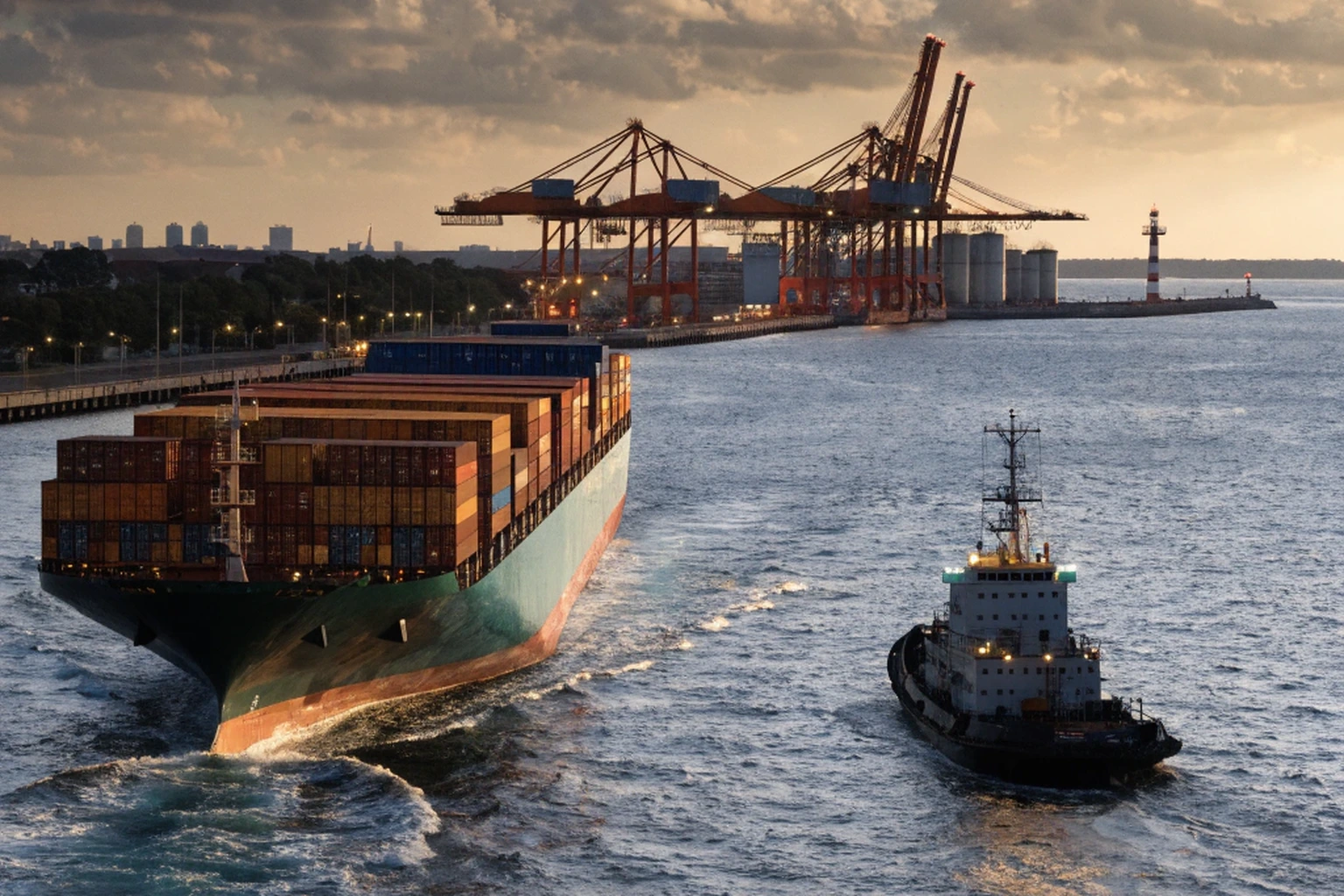
China: The World's Big Factory
China is a very big country. It has many factories. These factories make many things for the world. People work hard in the factories to produce goods.
They make phones and computers. They make clothes and toys for children. The factories send all these things to many countries. Ships and planes carry the goods across the world.
Today, many factories in China are very modern. They use new technology to make new, high-tech things. China is a big factory for the whole world, making both simple and advanced products.
문법 스포트라이트
패턴: 단순 현재 시제
"They make phones and computers."
우리는 사실이나 일반적으로 진실인 것에 대해 이야기할 때 단순 현재 시제를 사용해요. 이것을 만들기 위해 동사의 기본 형태(make, have, go)를 사용해요.
패턴: -s가 붙는 복수 명사
"The factories send all these things to many countries."
하나 이상의 것에 대해 이야기할 때, 우리는 보통 명사 끝에 '-s'를 붙여요. 예를 들어, 하나의 'factory'는 여러 개의 'factories'가 돼요.
이해도를 테스트하세요
10 질문 · A1 초급 · 무료 미리보기 1회
이 기사에서 배운 내용을 테스트하세요. 모든 질문에 답하여 XP를 획득하세요!
중국에는 무엇이 많나요?
문제별 결과
중국에는 무엇이 많나요?
내 답변:
정답: 공장
중국의 공장들은 옷과 장난감만 만들어요.
내 답변:
정답: 거짓
'modern'은 무슨 뜻인가요?
내 답변:
정답: 새로운
중국은 매우 큰 _____예요.
내 답변:
정답: country
From Fishing Villages to High-Tech Factories
Forty years ago, China was a very different place. Most people lived in the countryside and worked on small farms. Then, in 1978, the government started a new plan called 'Reform and Opening-up.' They wanted to make and sell things to the rest of the world. Small fishing villages like Shenzhen changed very quickly. They became huge, modern cities with many busy factories.
At first, these factories made simple and cheap things. Workers made clothes, shoes, and toys for people in other countries. But today, manufacturing in China is changing. The factories are more advanced than before. Now, companies in China make high-tech products like smartphones, computers, and electric cars. They use smart robots and computers to help them work faster and better.
The workers are also more skilled today. They know how to use complex technology. China is not just making cheap goods anymore. It is becoming a famous center for innovation and high-tech business. This change is very important for the country's economy.
문법 스포트라이트
패턴: 단순 과거 시제
"Small fishing villages like Shenzhen changed very quickly."
과거에 완료된 행동을 말할 때 단순 과거를 사용해요. 규칙 동사는 보통 '-ed'로 끝나고('changed'처럼), 불규칙 동사는 형태가 변해요('became'처럼).
패턴: 비교급
"The factories are more advanced than before."
두 대상을 비교할 때 비교급을 사용해요. 'advanced'처럼 긴 형용사 앞에는 'more'를 쓰고, 짧은 형용사에는 보통 '-er'을 붙여요.
이해도를 테스트하세요
11 질문 · A2 초등급 · 무료 미리보기 1회
이 기사에서 배운 내용을 테스트하세요. 모든 질문에 답하여 XP를 획득하세요!
40년 전 중국의 대부분 사람들은 무엇을 했나요?
문제별 결과
40년 전 중국의 대부분 사람들은 무엇을 했나요?
내 답변:
정답: 작은 농장에서 일했어요
선전(Shenzhen)은 항상 거대하고 현대적인 도시였어요.
내 답변:
정답: 거짓
'cheap'은 무슨 뜻인가요?
내 답변:
정답: 돈이 적게 드는
노동자들은 옷, 신발, 그리고 _____을(를) 만들었어요.
내 답변:
정답: toys
오늘날 중국은 어떤 종류의 제품을 만드나요?
내 답변:
정답: 첨단 기술 제품
China: The World's Factory and Beyond
For over forty years, China has been known as the "World's Factory." This incredible journey began in 1978 when the country started a policy called "Reform and Opening-up." Before this time, the economy was very different, but the new policy allowed China to trade with other nations. Special Economic Zones were created in places like Shenzhen and Dongguan. In the past, Shenzhen was just a small fishing village. However, it has transformed into a massive modern metropolis with millions of people.
In the early years, the growth was driven by the manufacturing of simple products. Factories produced clothes, shoes, and basic electronics. These goods were exported to countries all over the world. International companies chose China because there was a large population of workers who were ready to work for lower wages. Consequently, cities along the coast grew rapidly, and the standard of living improved for many families.
Recently, a significant shift has occurred. China is no longer just assembling parts for foreign companies. Instead, it has become a leader in high technology. Today, sophisticated factories use robots and artificial intelligence to build electric vehicles, smartphones, and green energy equipment. This change is necessary because the cost of labor has increased. Therefore, the focus has moved from quantity to quality.
The government has invested heavily in infrastructure to support this new direction. High-speed trains now connect major industrial hubs, which makes transportation fast and efficient. Universities are also training millions of engineers every year. Although some challenges remain, China's evolution from simple assembly lines to high-tech innovation centers is impressive. It serves as a powerful example of economic development in the modern world.
문법 스포트라이트
패턴: 현재 완료 (Present Perfect)
"However, it has transformed into a massive modern metropolis."
현재 완료(have/has + 과거 분사)는 과거에 시작되어 현재까지 관련이 있거나 사실인 변화를 설명할 때 사용해요.
패턴: 수동태 (Passive Voice)
"In the early years, the growth was driven by the manufacturing of simple products."
여기서는 '성장(growth)'(목적어)에 초점을 맞추고 무엇이 그것을 야기했는지에는 초점을 맞추지 않기 때문에 수동태가 사용되었어요. 'was/were' + 과거 분사 형태로 만들어져요.
이해도를 테스트하세요
11 질문 · B1 중급 · 무료 미리보기 1회
이 기사에서 배운 내용을 테스트하세요. 모든 질문에 답하여 XP를 획득하세요!
선전(Shenzhen)은 주요 도시가 되기 전에 무엇이었나요?
문제별 결과
선전(Shenzhen)은 주요 도시가 되기 전에 무엇이었나요?
내 답변:
정답: 어촌 마을
중국은 오늘날 옷과 장난감 같은 단순한 물품만 생산한다.
내 답변:
정답: 거짓
'efficient'는 무슨 뜻인가요?
내 답변:
정답: 시간 낭비 없이 잘 작동하는
정부는 새로운 방향을 지원하기 위해 _______에 막대한 투자를 했습니다.
내 답변:
정답: infrastructure
국제 기업들은 원래 왜 생산 기지를 중국으로 옮겼나요?
내 답변:
정답: 인건비를 낮추기 위해
China's Industrial Evolution: Beyond the Assembly Line
For more than forty years, the manufacturing sector has served as the bedrock of China’s economic miracle. Following the pivotal 'Reform and Opening-up' policy initiated in 1978, the country capitalized on its vast labor pool and accessible coastal locations to earn the title of the 'World's Factory.' Initially, this unprecedented growth was driven by the production of low-end consumer goods, textiles, and basic electronics. During this period, Special Economic Zones (SEZs) were established in places like Shenzhen and Dongguan. These areas, which were historically small fishing villages, were rapidly transformed into sprawling industrial metropolises, attracting investment from every corner of the globe.
However, the economic landscape has changed significantly in recent years. As China’s economy has matured, domestic wages have increased, making the old model of cheap labor less sustainable. Recognizing this trend, policymakers and business leaders have orchestrated a strategic shift. The objective is to move up the value chain, transitioning from simple assembly tasks to sophisticated design and high-tech manufacturing. This transformation is not merely about producing more goods, but about creating products that require higher levels of technical expertise and innovation.
Currently, China is aggressively pursuing leadership in cutting-edge industries. The country has become a dominant force in the production of electric vehicles (EVs), lithium-ion batteries, and solar panels. For instance, Chinese companies are now at the forefront of green technology, exporting energy solutions worldwide. Furthermore, the integration of artificial intelligence and robotics into factories has revolutionized production lines. Automation is becoming the new standard, allowing for greater precision and efficiency than ever before.
Another critical factor in this evolution is the massive investment in infrastructure. China has built an extensive network of high-speed railways, bridges, and automated ports that facilitate the smooth movement of goods. This logistical capability ensures that raw materials can reach factories quickly and finished products can be shipped to global markets without delay. Such developments demonstrate that the nation’s strength lies not just in its factories, but in the comprehensive ecosystem that supports them.
Despite these impressive achievements, the path ahead contains obstacles. Global trade tensions and the need for stricter environmental protections present ongoing challenges. Nevertheless, the resilience of the Chinese manufacturing sector is evident. By prioritizing quality over quantity and innovation over imitation, China is redefining its role in the global economy. The journey from the dusty assembly lines of the 1980s to the pristine, high-tech hubs of today serves as a testament to the nation's enduring industrial ambition.
문법 스포트라이트
패턴: 수동태 (과거)
"Initially, this unprecedented growth was driven by the production of low-end consumer goods."
여기서 'was driven'이라는 수동태를 쓴 이유는 행동의 주체보다 성장의 결과(행동을 받는 대상)에 초점을 맞추기 위해서예요. 객관성을 유지해야 하는 격식 있는 글이나 학술적인 글에서 자주 쓰여요.
패턴: 관계사절
"These areas, which were historically small fishing villages, were rapidly transformed into sprawling industrial metropolises."
'which'로 시작하는 절은 'These areas'에 대한 추가 정보를 제공해요. 문장을 따로 나누지 않고도 세부 내용을 덧붙여서 글의 흐름을 자연스럽게 만들어 줘요.
패턴: 현재완료 시제
"The country has become a dominant force in the production of electric vehicles."
현재완료 'has become'은 과거의 행동(EV 생산 시작)과 현재의 결과(지금 지배적인 세력이 됨)를 연결해 줘요. 과거의 발전 덕분에 현재 어떤 상태인지를 강조할 때 쓰여요.
이해도를 테스트하세요
11 질문 · B2 중상급 · 무료 미리보기 1회
이 기사에서 배운 내용을 테스트하세요. 모든 질문에 답하여 XP를 획득하세요!
중국의 초기 산업 성장을 이끈 주된 요인은 무엇이었나요?
문제별 결과
중국의 초기 산업 성장을 이끈 주된 요인은 무엇이었나요?
내 답변:
정답: 저렴한 노동력과 소비재
선전은 1978년 개혁 이전부터 원래 큰 산업 도시였다.
내 답변:
정답: 거짓
'도로나 다리처럼 사회에 필요한 기본적인 물리적 구조'를 뜻하는 단어는 무엇인가요?
내 답변:
정답: Infrastructure
중국은 단순 조립에서 _____ 첨단 기술 제조로 전환하고 있습니다.
내 답변:
정답: sophisticated
기사에 따르면, 왜 '저렴한 노동력' 모델은 더 이상 지속 가능하지 않은가요?
내 답변:
정답: 경제가 성숙해지면서 임금이 올랐기 때문에
The Industrial Metamorphosis: China’s Evolution from Assembly Lines to High-Tech Hubs
The metamorphosis of China’s industrial landscape from a rudimentary assembly line to a sophisticated nexus of high-tech innovation represents one of the most significant economic shifts of the modern era. What began as a desperate bid for modernization following the 1978 Reform and Opening-up policy has culminated in a global hegemony that defies simple categorization. No longer is the nation merely the 'World’s Factory,' churning out low-cost trinkets; rather, it has become a vanguard of the fourth industrial revolution, challenging established western paradigms of production.
Central to this transformation was the strategic establishment of Special Economic Zones (SEZs). Little did the early planners realize that fishing villages like Shenzhen would burgeon into sprawling megalopolises within a few decades. Through the systematic liberalization of trade and the strategic courting of foreign investment, China leveraged its demographic dividend to construct an infrastructure of unparalleled scale. However, the reliance on labor-intensive manufacturing was always intended as a transitional phase. It is the 'Made in China 2025' initiative that serves as the definitive blueprint for the current shift toward high-value-added production. By prioritizing sectors such as aerospace, robotics, and green energy, the state aims to transcend the 'middle-income trap' and achieve technological sovereignty.
The integration of artificial intelligence and automation into the manufacturing process underscores a broader commitment to self-reliance. Scarcely had the global economy recognized China's dominance in textiles when the nation pivoted toward the production of electric vehicles and semiconductors. This transition involves a complex recalibration of supply chains and a heightened focus on domestic consumption. The sheer ubiquity of Chinese-made components in global high-tech products today is a testament to this successful orchestration of industrial policy.
Yet, this ascent is not without its detractors or structural difficulties. Geopolitical tensions and the subsequent discourse surrounding the 'decoupling' of global supply chains have necessitated a nuanced response from Chinese policymakers. Furthermore, the transition toward a high-tech hub requires a highly skilled workforce, putting pressure on the educational system to adapt. The resilience of the manufacturing apparatus remains formidable, but the challenges of an aging population and rising labor costs loom large. Ultimately, the story of Chinese manufacturing is one of constant reinvention, moving beyond the assembly line toward a future defined by digital intelligence and sustainable innovation.
문법 스포트라이트
패턴: Negative Inversion
"No longer is the nation merely the 'World’s Factory,' churning out low-cost trinkets."
Inversion is used here to emphasize the change in status. When a negative adverbial like 'No longer' starts a sentence, the auxiliary verb moves before the subject.
패턴: Cleft Sentence
"It is the 'Made in China 2025' initiative that serves as the definitive blueprint for the current shift."
Cleft sentences are used to focus on specific information. By using 'It is... that...', the writer highlights the specific initiative responsible for the change.
패턴: Nominalization
"The integration of artificial intelligence and automation into the manufacturing process underscores a broader commitment to self-reliance."
Nominalization turns verbs into nouns ('integrate' to 'integration'). This creates a more formal, academic tone suitable for C1 level analysis.
이해도를 테스트하세요
12 질문 · C1 고급 · 무료 미리보기 1회
이 기사에서 배운 내용을 테스트하세요. 모든 질문에 답하여 XP를 획득하세요!
According to the article, what was the primary driver of China's initial economic growth post-1978?
문제별 결과
According to the article, what was the primary driver of China's initial economic growth post-1978?
내 답변:
정답: Strategic establishment of Special Economic Zones and labor-intensive manufacturing
The article suggests that China's reliance on low-end manufacturing was always meant to be a permanent economic strategy.
내 답변:
정답: 거짓
What does 'hegemony' mean in the context of the text?
내 답변:
정답: Leadership or dominance over others
The 'Made in China 2025' initiative aims to help the country achieve technological _____.
내 답변:
정답: sovereignty
What does the term 'middle-income trap' refer to in the context of the article?
내 답변:
정답: A stage where a country struggles to transition from low-value to high-value production
The text mentions that geopolitical tensions have led to discussions about 'decoupling' supply chains.
내 답변:
정답: 참
제조 대국의 변천사: 조립 라인에서 첨단 기술의 허브로
중국이 지난 40여 년간 일궈온 경제적 성취의 근간에는 제조업이라는 거대한 엔진이 자리하고 있다. 1978년 개혁개방의 기치 아래 단행된 일련의 정책들은 중국으로 하여금 폐쇄적 농업 국가에서 세계 경제의 중핵으로 부상하게 하는 결정적 계기를 제공하였다. 특히 선전(深圳)과 둥관(东莞) 등 전략적 요충지에 설정된 경제특구는 풍부한 노동력과 외자를 결합하며 '세계의 공장'이라는 위상을 공고히 하는 전초기지 역할을 수행했다. 초기 성장을 견인했던 것은 단순 가공 및 저가형 소비재 조립이었으나, 이는 낙후되었던 지역 경제를 상전벽해의 수준으로 변모시키는 원동력이 되었다.
하지만 작금의 중국 제조업은 과거의 양적 성장에만 안주하고 있지 않다. 인건비 상승과 글로벌 공급망의 재편이라는 대내외적 변수 속에서, 중국은 노동 집약적 산업 구조에서 탈피하여 고부가가치 첨단 기술 산업으로의 체질 개선을 꾀하고 있다. 이른바 '신질생산력(新質生産力)'이라는 화두 아래 추진되는 인공지능, 반도체, 신재생 에너지 분야로의 전환은 단순한 산업 고도화를 넘어 국가 경쟁력의 패러다임을 근본적으로 재정립하려는 시도로 읽힌다. 과거 어촌 마을에 불과했던 지역들이 이제는 세계적인 유니콘 기업들이 명멸하는 하이테크 허브로 거듭나고 있는 현상은 이러한 변화의 방증이라 할 수 있다.
그럼에도 불구하고 이러한 급격한 전환이 장밋빛 미래만을 보장하는 것은 아니다. 기술 자립을 향한 행보가 국제 사회의 견제와 맞물리면서 발생하는 지정학적 리스크는 차치하고서라도, 자동화와 지능화로 인한 일자리 구조의 변화는 사회적 합의를 필요로 하는 난제로 남아 있다. 또한, 질적 성장을 추구하는 과정에서 파생되는 기술 격차와 지역 간 불균형 문제는 중국 정부가 해결해야 할 중차대한 과제이다. 결국 중국 제조업의 미래는 혁신 역량의 강화와 더불어 지속 가능한 성장을 담보할 수 있는 포용적 제도 설계에 달려 있다고 해도 과언이 아닐 것이다. 이러한 맥락에서 중국의 제조업 혁신은 단순한 경제 지표의 상승을 넘어, 21세기 글로벌 산업 지형도를 재편하는 핵심 변수로서 그 추이를 면밀히 주시할 필요가 있다.
문법 스포트라이트
패턴: -(으)로 하여금
"일련의 정책들은 중국으로 하여금 폐쇄적 농업 국가에서 세계 경제의 중핵으로 부상하게 하는 결정적 계기를 제공하였다."
대상을 사동의 주체로 만들어 어떤 행동을 하게 하거나 상태에 이르게 함을 나타내는 격식 있는 표현입니다.
패턴: -ㄴ/은/는 차치하고서라도
"기술 자립을 향한 행보가 국제 사회의 견제와 맞물리면서 발생하는 지정학적 리스크는 차치하고서라도, 자동화와 지능화로 인한 일자리 구조의 변화는 사회적 합의를 필요로 하는 난제로 남아 있다."
앞의 내용을 논의 대상에서 잠시 제외하거나 인정하더라도, 뒤의 내용이 더 중요하거나 문제임을 강조할 때 사용합니다.
패턴: -ㄹ/을 리 만무하다
"급격한 전환이 장밋빛 미래만을 보장할 리 만무하다. (본문 '보장하는 것은 아니다'의 의미 확장)"
어떠한 사실이 일어날 가능성이 전혀 없음을 강하게 부정할 때 사용하는 학술적이고 문어적인 표현입니다.
이해도를 테스트하세요
12 질문 · C2 마스터 · 무료 미리보기 1회
이 기사에서 배운 내용을 테스트하세요. 모든 질문에 답하여 XP를 획득하세요!
본문에서 중국 제조업의 초기 성장을 가능하게 했던 주요 요인으로 언급되지 않은 것은 무엇입니까?
문제별 결과
본문에서 중국 제조업의 초기 성장을 가능하게 했던 주요 요인으로 언급되지 않은 것은 무엇입니까?
내 답변:
정답: 고도의 독자적 반도체 기술
선전과 둥관은 과거부터 줄곧 대규모 산업 도시로서의 면모를 갖추고 있었다.
내 답변:
정답: 거짓
본문에서 '어떤 현상을 주도적으로 이끌어 감'을 뜻하는 단어는?
내 답변:
정답: 견인
중국은 최근 노동 집약적 구조에서 벗어나 _____ 첨단 기술 산업으로의 전환을 꾀하고 있다.
내 답변:
정답: 고부가가치
중국 제조업의 미래 발전을 위해 해결해야 할 사회적 과제로 언급된 것은?
내 답변:
정답: 일자리 구조 변화에 따른 사회적 합의
본문에 따르면, 중국의 제조업 혁신은 전 세계 산업 구조에 영향을 미칠 수 있는 중요한 변수이다.
내 답변:
정답: 참

