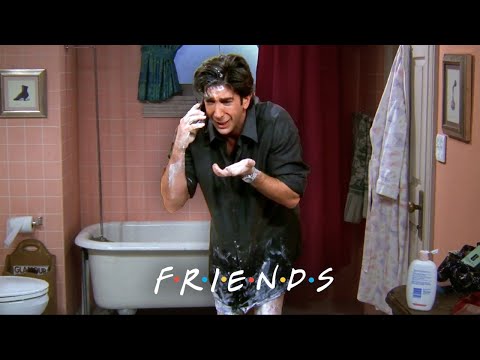
sweat في 30 ثانية
- Sweat is the moisture your body produces to cool down during heat or exercise.
- It can be used as a noun (the liquid) or a verb (the action of perspiring).
- Metaphorically, it represents hard work, intense effort, and the physical toll of labor.
- In casual English, it often refers to worry or anxiety, as in 'don't sweat it.'
The word sweat is a fundamental term in the English language that functions as both a noun and a verb, primarily describing the biological process of perspiration. At its most basic level, sweat is the clear, salty liquid produced by glands in your skin. Humans sweat to cool down; when the moisture evaporates from the skin's surface, it carries away heat, helping to maintain a stable internal body temperature. This is why you see people covered in sweat after a long run or during a particularly humid summer afternoon. However, the usage of the word extends far beyond the gymnasium or the heat of the sun. It is deeply embedded in our emotional and professional vocabulary. We use it to describe the physical manifestation of anxiety, such as 'cold sweat' when someone is terrified or extremely nervous before a public speaking engagement. In a professional or metaphorical sense, sweat represents hard work, dedication, and the physical toll of labor. The phrase 'sweat equity' refers to the value added to a project through one's own hard work rather than financial investment. People use this word in casual settings to dismiss a favor—'no sweat'—meaning the task was easy and required no significant effort. It is a word that bridges the gap between our biological reality and our social expressions of effort and stress.
- Biological Function
- The production of moisture by the eccrine glands to regulate body temperature through evaporation.
- Metaphorical Labor
- Representing intense effort, hard work, or the physical sacrifice required to achieve a difficult goal.
- Emotional Response
- A physical reaction to stress, fear, or nervousness, often resulting in damp palms or a forehead beaded with moisture.
After the three-hour marathon, the runner was drenched in sweat, but he felt a profound sense of accomplishment.
In contemporary culture, 'sweat' has also taken on a slang meaning, particularly in gaming and competitive environments. A 'sweat' or someone who is 'sweating' is a person who is trying incredibly hard to win, perhaps taking a casual game too seriously. This reflects the word's enduring connection to the idea of maximum effort. Whether you are talking about the literal beads of water on a cold glass of soda (often called 'sweating') or the intense labor of a construction worker, the word conveys a sense of activity and intensity. It is a versatile term that appears in medical journals, sports commentary, and everyday idioms alike. Understanding 'sweat' requires recognizing its dual nature: it is a necessary physiological response and a powerful symbol of human exertion and psychological pressure. When you hear someone say they are 'sweating the details,' they aren't talking about physical moisture; they are describing the intense, sometimes anxious focus they are applying to a complex task. This versatility makes it a core vocabulary word for any English learner reaching the intermediate level.
Don't sweat the small stuff; everything will work out in the end.
The cold sweat on his brow betrayed his hidden fear of heights.
He put a lot of sweat into building that wooden cabin by the lake.
The athletes began to sweat profusely as the temperature in the gym rose.
Using 'sweat' correctly involves understanding its grammatical flexibility. As a verb, it can be intransitive, meaning it doesn't need an object ('I am sweating'), or transitive, though this is less common in a literal sense ('He sweated blood over the project'). When used as a noun, it is usually uncountable when referring to the liquid in general ('There was sweat on the floor'), but it can be used in specific idiomatic counts like 'a cold sweat.' One of the most common ways to use 'sweat' is in the present continuous tense to describe an ongoing state of physical exertion or heat response. For example, 'The hikers were sweating as they climbed the steep trail.' It is also frequently used in the imperative form in idioms, such as 'Don't sweat it,' which is a very common way to tell someone not to worry about a mistake or a small problem. This informal usage is vital for natural-sounding English conversation.
- Intransitive Verb Usage
- Focuses on the subject performing the action of perspiring. Example: 'She sweats easily in the summer.'
- Uncountable Noun Usage
- Refers to the substance of perspiration. Example: 'Wipe the sweat off your face.'
- Idiomatic Verb Usage
- Using the word to mean 'to worry' or 'to work hard.' Example: 'They are sweating over the final exam results.'
The heavy lifting made him sweat through his shirt in less than ten minutes.
In more formal or technical writing, you might encounter 'sweat' used to describe the condensation on the outside of a container. For instance, 'The chilled bottle began to sweat in the warm room.' This is a personification of the object, suggesting it is perspiring like a human. When discussing work, 'sweat' often pairs with other words to create compound nouns like 'sweatshop' (a factory with poor working conditions) or 'sweatpants' (casual clothing designed for exercise or lounging). It's important to note the past tense of 'sweat' can be either 'sweat' or 'sweated.' While 'sweated' is more common in British English and formal contexts, 'sweat' is frequently used as the past tense in American English ('He sweat a lot yesterday'). Choosing the right form depends on your regional preference and the level of formality you wish to convey. In most cases, 'sweated' is the safer choice for learners to ensure grammatical clarity across all dialects.
If you sweat the details too much, you might lose sight of the bigger picture.
The smell of sweat and old leather filled the boxing gym.
The interrogation was designed to make the suspect sweat and eventually confess.
She wiped the sweat from her eyes before taking the final shot.
You will encounter the word 'sweat' in a variety of real-world environments, ranging from the highly physical to the purely psychological. In a fitness center or at a sporting event, 'sweat' is ubiquitous. Coaches might tell their players to 'work up a sweat' during warm-ups, and fitness influencers often use the term to emphasize the intensity of their workouts. In these contexts, sweat is a badge of honor, signifying that the person is pushing their limits. However, move to a high-stakes corporate boardroom, and the word takes on a different tone. Here, you might hear a manager tell a nervous employee, 'Don't sweat the presentation,' or a colleague might remark that a competitor is 'really sweating' because of a new product launch. In these instances, the word refers to the visible or internal signs of stress and anxiety. It’s a way of talking about pressure without necessarily using clinical terms like 'anxiety' or 'stress.'
- In the Gym
- Used to describe the physical effort and the goal of a workout. 'I need to go to the gym and break a sweat.'
- In the Office
- Used to describe worry or intense focus on difficult tasks. 'We're all sweating the upcoming audit.'
- In Casual Conversation
- Used in idioms like 'no sweat' to indicate that something is easy or not a problem.
'Thanks for helping me move the couch!' 'No sweat, it was light anyway.'
Another common place to hear this word is in medical or health-related discussions. Doctors might ask if a patient experiences 'night sweats,' which can be a symptom of various underlying conditions. In this context, the word is used clinically and precisely. You'll also hear it in the kitchen; chefs talk about 'sweating' vegetables, which means cooking them slowly in a little fat so they soften and release their moisture without browning. This culinary technique is essential for building flavors in soups and sauces. Furthermore, in the world of fashion and retail, 'sweats' is a common shorthand for sweatpants or a sweatshirt, especially when referring to 'athleisure' or comfortable home-wear. Whether you're at a doctor's office, a five-star restaurant, or a clothing store, 'sweat' and its derivatives are likely to come up, each with a specific nuance tailored to the environment.
The recipe says to sweat the onions for five minutes until they are translucent.
I'm just going to stay home in my sweats and watch a movie tonight.
The detective made the suspect sweat under the bright lights of the interrogation room.
He was in a cold sweat as he waited for the doctor to bring the test results.
One of the most frequent mistakes English learners make with 'sweat' is confusing it with the word 'sweet.' While they look somewhat similar, their pronunciations and meanings are entirely different. 'Sweat' rhymes with 'met' or 'get,' while 'sweet' rhymes with 'meet' or 'feet.' Confusing these can lead to humorous or confusing sentences, like saying a cake is 'very sweat' instead of 'very sweet.' Another common error involves the misuse of the adjective form 'sweaty.' Learners often use 'sweat' as an adjective, saying 'I have sweat hands' instead of 'I have sweaty hands.' It is important to remember that 'sweat' is the noun (the substance) or the verb (the action), while 'sweaty' is the adjective used to describe something covered in or characterized by sweat.
- Sweat vs. Sweet
- Mistaking the biological term for the taste-related term. Pronunciation is key: /swɛt/ vs /swiːt/.
- Sweat vs. Sweaty
- Using the noun where an adjective is required. 'My shirt is sweaty' (correct) vs 'My shirt is sweat' (incorrect).
- Past Tense Confusion
- Uncertainty between 'sweat' and 'sweated.' Both are acceptable, but 'sweated' is more standard in formal writing.
Incorrect: I am very sweat after the game. Correct: I am very sweaty after the game.
Additionally, learners sometimes struggle with the countability of 'sweat.' As mentioned before, it is usually an uncountable noun. Saying 'I have a sweat' is generally incorrect unless you are using it in a very specific idiomatic way, like 'I'm in a sweat' (meaning a state of anxiety). In most cases, you should treat it like 'water' or 'hair'—you can have 'some sweat' or 'a lot of sweat,' but not 'three sweats.' There is also the common mistake of overusing the idiom 'no sweat.' While it is a great casual phrase, using it in a formal business email to a superior might come across as too informal or even disrespectful. Understanding the register of the word—where it sits on the scale of formal to informal—is a crucial part of mastering its use. Finally, be careful with the phrasal verb 'sweat out.' To 'sweat something out' means to wait anxiously for a result or to get rid of a fever by sweating, but it shouldn't be used to mean simply 'to exercise.'
Incorrect: This coffee is too sweat. Correct: This coffee is too sweet.
Incorrect: He sweats the exam. Correct: He is sweating over the exam.
Incorrect: I have a sweat on my forehead. Correct: I have sweat on my forehead.
Incorrect: The sweat shirt is blue. Correct: The sweatshirt is blue.
While 'sweat' is the most common and direct word, there are several alternatives that can be used depending on the context and the desired level of formality. The most formal synonym is 'perspiration.' This word is often used in medical, scientific, or very polite contexts. For example, a deodorant advertisement might talk about 'controlling perspiration' rather than 'stopping sweat' to sound more sophisticated. In literature, you might see more poetic terms like 'moisture' or 'beads of dew' to describe sweat in a more aesthetic way. If you are talking about the act of working very hard, words like 'toil,' 'labor,' or 'exertion' are excellent alternatives that emphasize the effort rather than the physical byproduct. Understanding these nuances allows you to choose the word that best fits the mood of your writing or speech.
- Perspiration
- A more formal, clinical term for sweat. Used in health and beauty contexts. 'The patient showed excessive perspiration.'
- Toil
- Focuses on the long, difficult nature of the work. 'Years of toil in the fields had aged him.'
- Exertion
- Refers to the physical or mental effort itself. 'He was panting from the physical exertion of the climb.'
The doctor noted that the patient's perspiration was a side effect of the new medication.
In casual slang, you might hear people use 'glow' as a euphemism for sweat, particularly in the phrase 'Women don't sweat, they glow.' This is an old-fashioned and somewhat humorous way to avoid using a word that was once considered unladylike. In a modern, competitive context, 'grind' is a popular alternative to describe the 'sweat' or hard work put into a career or a hobby. 'I'm on the grind' implies a level of consistent, hard effort similar to 'sweating over something.' When comparing 'sweat' to 'moisture,' remember that 'moisture' is a very broad term that can apply to anything from damp soil to the air in a humid room, whereas 'sweat' is specifically biological. 'Condensation' is the correct term for the 'sweat' on the outside of a cold glass, though 'sweat' is commonly used in informal speech. By learning these alternatives, you can avoid repeating the same word and make your English sound more natural and varied.
The athlete's exertion was evident in his heavy breathing and focused expression.
She wiped the moisture from the window to see the garden more clearly.
Success is 1% inspiration and 99% perspiration, according to Thomas Edison.
He spent the afternoon in toil, digging the foundation for the new shed.
How Formal Is It?
حقيقة ممتعة
The word 'sweater' originally referred to clothing worn to produce sweat and lose weight, before it became a general term for a warm knitted garment.
دليل النطق
- Pronouncing it like 'sweet' (/swiːt/).
- Making the 'ea' sound too long.
- Dropping the 'w' sound (saying 'set').
- Adding an extra syllable (saying 'swe-at').
- Confusing the spelling with 'swat'.
مستوى الصعوبة
The word is short and common, but idioms can be tricky.
Spelling is often confused with 'sweet'.
Pronunciation is simple once the 'ea' sound is mastered.
Easily recognized in context, though 'sweet' can sound similar.
ماذا تتعلّم بعد ذلك
المتطلبات الأساسية
تعلّم لاحقاً
متقدم
قواعد يجب معرفتها
Uncountable Nouns
We say 'much sweat' or 'a lot of sweat,' not 'many sweats.'
Irregular Past Tense
In American English, 'He sweat' is common; in British, 'He sweated' is preferred.
Zero Plural in Idioms
In 'no sweat,' the word is always singular.
Adjective Formation
Add '-y' to 'sweat' to describe a person or object: 'sweaty.'
Phrasal Verbs
'Sweat out' combines a verb and a particle to create a new meaning.
أمثلة حسب المستوى
I sweat when I run in the park.
I produce liquid from my skin when I exercise.
Present simple tense for a general fact.
It is very hot today, and I have sweat on my shirt.
The heat is making me wet.
'Sweat' used as a noun.
Do you sweat in the summer?
Does your body produce water when it's hot?
Question form using 'do'.
He wipes the sweat from his head.
He is cleaning the water off his forehead.
Third person singular 'wipes'.
The players sweat a lot during the game.
The athletes produce much moisture.
'A lot' used to quantify the verb.
I need a towel because I sweat.
I am wet from heat/exercise.
Conjunction 'because' showing reason.
Is that sweat on your face?
Are those water drops on your skin?
Interrogative sentence with 'is'.
Drink water when you sweat.
Hydrate when you lose moisture.
Imperative mood for advice.
My hands are sweaty because I am nervous.
My palms are damp due to anxiety.
Adjective 'sweaty' describing 'hands'.
The bottle of water is sweating in the sun.
Condensation is forming on the bottle.
Present continuous used for an object.
She worked up a sweat in the gym this morning.
She exercised hard enough to perspire.
Idiomatic phrase 'work up a sweat'.
He sweat through his t-shirt during the hike.
His shirt became completely wet from perspiration.
Past tense 'sweat' (American style).
Don't forget to wear your sweatshirt; it's cold.
Wear your warm athletic top.
Compound noun 'sweatshirt'.
I was in a cold sweat after the nightmare.
I woke up wet and scared.
Idiom 'cold sweat' for fear.
The dog doesn't sweat like a human.
Dogs have different cooling methods.
Negative sentence comparing two subjects.
Wipe the sweat off the gym equipment after use.
Clean the machines for the next person.
Preposition 'off' indicating removal.
If you help me with this, I'll pay you back—no sweat!
It's no problem at all.
Informal idiom 'no sweat'.
The chef told me to sweat the onions for five minutes.
Cook them slowly to release moisture.
Culinary use of 'sweat' as a verb.
He is sweating over his final exams next week.
He is very worried and working hard.
Metaphorical use for anxiety/effort.
We put a lot of sweat and tears into this project.
We worked extremely hard and made sacrifices.
Idiomatic expression for hard work.
The athlete was drenched in sweat after the race.
Completely covered in perspiration.
Passive-like construction 'drenched in'.
Don't sweat the small stuff; focus on the big goals.
Don't worry about unimportant details.
Common advice idiom.
She broke out in a sweat when she realized she lost her keys.
She suddenly became very nervous.
Phrasal verb 'break out in'.
The humid weather makes everyone sweat constantly.
The air is wet and hot, causing perspiration.
Causative structure 'makes everyone sweat'.
The company is really sweating the new competition.
They are very worried about the other company.
Transitive use meaning 'to worry about'.
He earned his house through years of sweat equity.
He built or improved it himself with hard work.
Business/Real estate term 'sweat equity'.
The protest was against the use of sweatshop labor.
Factories with very poor working conditions.
Compound noun 'sweatshop'.
I'm going to sweat it out in the sauna for twenty minutes.
Stay in the heat to perspire for health.
Phrasal verb 'sweat it out'.
Beads of sweat formed on his brow as he told the lie.
Small drops appeared because of his guilt/nerves.
Descriptive noun phrase 'beads of sweat'.
The detective made the suspect sweat during the interview.
The detective put a lot of pressure on the person.
Metaphorical use for psychological pressure.
She didn't even break a sweat while winning the marathon.
It was very easy for her; she didn't look tired.
Idiom 'break a sweat' used negatively.
The walls of the old cave seemed to sweat in the damp air.
Moisture was forming on the stone surfaces.
Personification of an inanimate object.
The negotiator sweated blood to reach a peaceful agreement.
He worked with extreme effort and stress.
Hyperbolic idiom 'sweat blood'.
The physiological process of sweating is vital for thermoregulation.
It is necessary for controlling body temperature.
Academic/Scientific register.
The atmosphere in the courtroom was so tense you could almost smell the sweat.
The anxiety in the room was palpable.
Metonymy using 'sweat' to represent fear.
He spent the night sweating out a fever under heavy blankets.
He tried to recover from illness by perspiring.
Phrasal verb 'sweat out' in a medical sense.
The novel depicts the sweat and toil of the industrial revolution.
The hard physical labor of that time period.
Literary pairing of 'sweat' and 'toil'.
Don't sweat the details until the main structure is finished.
Don't worry about the small parts yet.
Imperative advice in a professional context.
The cold sweat of realization washed over him as he saw the error.
He suddenly felt terrified when he understood the mistake.
Abstract use of 'cold sweat'.
The intensity of the 'sweats' in the gaming community can be off-putting.
The overly competitive players can be annoying.
Modern slang noun usage.
Churchill promised nothing but 'blood, toil, tears, and sweat' to the nation.
He promised only hard work and sacrifice.
Historical rhetorical reference.
The poem explores the 'sweat of the brow' as a symbol of human mortality.
Hard work as a sign of being human and dying.
Biblical/Literary allusion.
The glass of vintage champagne began to sweat, mirroring the humidity of the terrace.
The condensation matched the damp air.
Sophisticated descriptive prose.
The suspect was left to sweat it out in the holding cell for hours.
He was left to wait in a state of high anxiety.
Idiomatic use for psychological endurance.
The economic disparity is built upon the sweat of the disenfranchised.
Wealth is created by the labor of poor people.
Metaphorical social commentary.
He didn't sweat the loss, viewing it as a necessary step in his evolution.
He wasn't bothered by the failure.
Nuanced use of the verb for emotional resilience.
The intricate dance required every ounce of sweat and concentration they possessed.
It needed all their physical effort and focus.
Quantitative metaphor 'every ounce of'.
In the sweltering heat of the jungle, the very air seemed to sweat.
The environment felt heavy and damp.
Atmospheric personification.
تلازمات شائعة
العبارات الشائعة
— A casual way to tell someone not to worry about something. It is very common in American English.
You forgot the milk? Don't sweat it, I'll get some later.
— To pay a lot of attention to small, potentially difficult parts of a task. It implies intense focus.
If you want to be a great engineer, you have to sweat the details.
— Extremely hard work and sacrifice over a long period of time. It suggests a deep personal investment.
She put her blood, sweat, and tears into opening her own restaurant.
— To be in a state of extreme anxiety or hurry. It describes a psychological state.
He was in a real sweat trying to finish the report before the deadline.
— An informal expression meaning to sweat very heavily. Despite the name, pigs don't actually sweat much.
It was so humid outside that I was sweating like a pig after five minutes.
— To suddenly start sweating, usually due to a sudden realization, fear, or physical effort.
He broke into a sweat when he saw the police car behind him.
— To wait anxiously for the end of a situation or to get rid of an illness through heat.
We had to sweat out the last few minutes of the game to see if we won.
— Used to say that something is very easy to do or that you are happy to help.
Thanks for the ride! No sweat, I was going that way anyway.
— To be extremely nervous or anxious about something. It is a very vivid idiom.
I was sweating bullets waiting for my turn to speak on stage.
— A British slang term for an experienced soldier or someone who has done a job for a long time.
The sergeant was an old sweat who had seen many battles.
يُخلط عادةً مع
A taste like sugar. Pronounced with a long 'e'.
To hit something, like a fly. Pronounced with an 'ah' sound.
A set of rooms. Pronounced like 'sweet'.
تعبيرات اصطلاحية
— Don't worry about minor problems that aren't important in the long run. It's about perspective.
The flight was delayed, but don't sweat the small stuff; we're on vacation!
informal— To work incredibly hard or to be under immense pressure and anxiety. It's a hyperbolic expression.
I sweated blood to get this promotion, and I'm not going to lose it now.
informal/emphatic— Through one's own hard physical labor. This has biblical origins (Genesis).
He earned every penny he has by the sweat of his brow.
literary/formal— To endure a difficult or uncertain period of time until it is over. Often used for waiting for results.
The candidates had to sweat it out until the final votes were counted.
informal— Easy; requiring no effort. Also used as a response to 'thank you.'
Fixing the computer was no sweat for a pro like him.
slang/informal— To be extremely worried or frightened. It visualizes large drops of sweat.
He was sweating bullets when the boss called him into the office.
informal— To exert oneself. Often used in the negative to mean something was very easy.
She won the race without even breaking a sweat.
neutral— The value added to a property or business by the owner's own hard work.
They couldn't afford a contractor, so they put in a lot of sweat equity to fix the house.
business/neutral— A state of sweating caused by fear or shock rather than heat.
The thought of public speaking always puts me in a cold sweat.
neutral— A factory where workers are employed at very low wages for long hours under poor conditions.
The documentary exposed the sweatshops used by the major clothing brand.
social/politicalسهل الخلط
Similar spelling (only one letter difference).
'Sweat' is about body liquid and heat; 'sweet' is about taste and sugar. They have different vowel sounds.
The candy is sweet, but the runner is covered in sweat.
Similar spelling and both are short words.
'Swat' is an action of hitting; 'sweat' is the action of perspiring. 'Swat' rhymes with 'hot'.
I had to swat the mosquito while I was sweating in the sun.
It contains the word 'sweat'.
A 'sweater' is a piece of clothing; 'sweat' is the liquid. You wear a sweater to keep warm.
I wore a thick sweater and started to sweat.
They mean the same thing.
'Perspiration' is the formal, scientific term; 'sweat' is the everyday, common term.
The doctor used the word perspiration, but I just say sweat.
Noun vs. Adjective confusion.
'Sweat' is the thing itself; 'sweaty' describes a person or thing covered in sweat.
His shirt was sweaty because of all the sweat.
أنماط الجُمل
I sweat when [Condition].
I sweat when it is hot.
My [Body Part] is sweaty.
My forehead is sweaty.
Don't sweat [Something].
Don't sweat the exam.
To work up a sweat [Doing something].
To work up a sweat by running five miles.
To be drenched in sweat.
He was drenched in sweat after the intense match.
By the sweat of [Possessive] brow.
He built the business by the sweat of his brow.
No sweat!
Thanks for the help! No sweat!
To sweat it out.
We had to sweat it out in the heat.
عائلة الكلمة
الأسماء
الأفعال
الصفات
مرتبط
كيفية الاستخدام
Very common in both spoken and written English.
-
Saying 'I am sweat' instead of 'I am sweaty'.
→
I am sweaty.
'Sweat' is a noun or verb; 'sweaty' is the adjective needed to describe your state.
-
Confusing 'sweat' with 'sweet'.
→
This cake is sweet. / I am covered in sweat.
These are two different words with different meanings and pronunciations. Don't let the similar spelling fool you.
-
Using 'no sweat' in a formal email to a CEO.
→
It was no trouble at all. / You are very welcome.
'No sweat' is very informal and might be seen as unprofessional in a high-level business context.
-
Saying 'I have many sweats'.
→
I am sweating a lot. / I have a lot of sweat on my face.
'Sweat' is an uncountable noun when referring to the liquid. You cannot count individual 'sweats'.
-
Spelling the past tense as 'sweeted'.
→
He sweated. / He sweat.
There is no such word as 'sweeted'. The past tense of 'sweat' follows the 'ea' spelling of the root word.
نصائح
Master the Idioms
Learning 'no sweat' and 'don't sweat it' will immediately make your English sound more natural in casual settings. These are very high-frequency phrases.
Short Vowel Sound
Always keep the 'e' sound short. If you stretch it out, you will say 'sweet,' which can lead to confusing sentences like 'I am very sweet' when you mean you are hot!
Noun vs. Adjective
Remember that 'sweat' is the thing and 'sweaty' is the description. You have 'sweat' on your 'sweaty' forehead. Don't mix them up!
Formal vs. Informal
Use 'perspiration' in biology class or at the doctor's, but use 'sweat' everywhere else. 'Sweat' is much more common in daily life.
The 'EA' Pattern
Think of other words with 'ea' that sound like 'e', such as 'bread', 'head', and 'read' (past tense). This will help you remember the spelling of 'sweat'.
Culinary Sweat
If you see 'sweat the onions' in a recipe, don't be grossed out! It just means to cook them slowly so they get soft and release their juice.
Vivid Descriptions
In writing, instead of just saying 'he was sweating,' try 'beads of sweat formed on his brow' to create a more interesting image for the reader.
Listen for 'No Sweat'
Pay attention to how native speakers use 'no sweat' as a replacement for 'you're welcome.' It's a great way to gauge the level of formality in a conversation.
Social Cues
Be aware that in some cultures, sweating is a sign of hard work and is respected, while in others, it is something to be hidden. Observe the people around you.
Medical Terms
If you are at a doctor's office, knowing the term 'night sweats' is very important as it is a specific medical symptom you might need to describe.
احفظها
وسيلة تذكّر
Think of the word 'EAT' inside 'swEAT'. When you EAT spicy food, you SW-EAT!
ربط بصري
Imagine a drop of water (sweat) falling off a person's forehead shaped like the letter 'S'.
Word Web
تحدٍّ
Try to use 'sweat' as a noun, a verb, and in the idiom 'no sweat' in three different sentences today.
أصل الكلمة
Derived from the Old English word 'swæt,' which comes from the Proto-Germanic '*swaitaz.' It has been part of the English language for over a thousand years.
المعنى الأصلي: The original meaning was specifically the liquid produced by the body, very similar to its modern primary definition.
Germanic (Indo-European)السياق الثقافي
Be careful when commenting on someone's sweat in person, as it can be seen as pointing out a lack of hygiene or excessive nervousness.
Commonly used in sports and workplace metaphors. 'No sweat' is a staple of American and Australian casual interaction.
تدرّب في الحياة الواقعية
سياقات واقعية
At the Gym
- Work up a sweat
- Break a sweat
- Covered in sweat
- Wipe the sweat
At the Office
- Don't sweat the deadline
- Sweating the details
- No sweat
- Making them sweat
In the Kitchen
- Sweat the onions
- Sweat the vegetables
- Low heat to sweat
- Release moisture
In a Hospital
- Night sweats
- Cold sweat
- Excessive perspiration
- Sweating out a fever
Casual Socializing
- No sweat, man
- Don't sweat it
- Sweating bullets
- Sweaty palms
بدايات محادثة
"Do you sweat a lot when you exercise, or do you find it easy?"
"What's something you used to sweat about but don't worry about anymore?"
"Have you ever been in a situation where you were sweating bullets?"
"Do you prefer to sweat it out in a sauna or go for a swim to cool down?"
"When someone says 'no sweat' to you, do you find it polite or too casual?"
مواضيع للكتابة اليومية
Describe a time you had to put a lot of 'sweat equity' into a project.
Write about a moment when you broke into a cold sweat. What happened?
Do you think it's important to 'sweat the small stuff' in your career?
Describe the feeling of a hot summer day using the word 'sweat' in three different ways.
Reflect on Churchill's phrase 'blood, toil, tears, and sweat.' What does it mean to you today?
الأسئلة الشائعة
10 أسئلةNo, 'sweat' is not a rude word. It is a normal biological term. However, in some social situations, talking about someone's sweat might be considered impolite because it can imply they are smelly or nervous. It is best used in neutral contexts like sports or health.
There is no difference in meaning. 'Sweat' is the common, everyday word used by everyone. 'Perspiration' is a formal, more 'polite' or scientific word often found in medical reports or on deodorant packaging. You would rarely use 'perspiration' with friends.
Yes, you can! English speakers often use 'sweating' to describe the physical reaction to stress or anxiety. You can also say 'I'm sweating over this decision,' which means you are very worried about it.
It is very informal. You can use it with colleagues you know well or in a casual office environment. However, you should avoid using it with a new boss, a client, or in a formal business letter. In those cases, 'You're welcome' or 'It was no trouble' is better.
As a noun referring to the liquid, it is usually uncountable. However, 'sweats' is a common plural noun used to refer to 'sweatpants' and 'sweatshirts' together as an outfit. You might say, 'I'm going to put on my sweats and relax.'
It means to be extremely nervous or afraid. The 'bullets' refer to large, heavy drops of sweat that might form on your face when you are under a lot of pressure. For example, 'He was sweating bullets during the job interview.'
Both 'sweat' and 'sweated' are correct. 'Sweated' is more common in British English and formal writing. 'Sweat' is very common as the past tense in American English. For example, 'He sweat a lot yesterday' or 'He sweated a lot yesterday' are both fine.
It is a common piece of advice that means you shouldn't worry about unimportant, minor problems. If you 'sweat the small stuff,' you are wasting your energy on things that don't really matter in the big picture.
Yes, in a metaphorical way. We say a cold drink 'sweats' when water drops form on the outside of the glass. We also say walls 'sweat' if they are very damp. It's a common way to describe condensation.
It is a term used in business and real estate. It refers to the value or 'equity' someone builds in a project through their own hard work (their 'sweat') instead of by paying money. If you fix your own house, you are building sweat equity.
اختبر نفسك 192 أسئلة
Describe a time when you were 'sweating bullets.' What was the situation?
Well written! Good try! Check the sample answer below.
Write a short paragraph about your favorite way to 'work up a sweat.'
Well written! Good try! Check the sample answer below.
Explain the meaning of 'sweat equity' in your own words.
Well written! Good try! Check the sample answer below.
Create a dialogue between two friends where one uses the phrase 'no sweat.'
Well written! Good try! Check the sample answer below.
How does your body feel when you sweat? Use at least three adjectives.
Well written! Good try! Check the sample answer below.
Write a sentence using 'sweat' as a verb and another using it as a noun.
Well written! Good try! Check the sample answer below.
What does 'don't sweat the small stuff' mean to you in your daily life?
Well written! Good try! Check the sample answer below.
Describe the atmosphere of a crowded gym using the word 'sweat'.
Well written! Good try! Check the sample answer below.
Write a formal sentence using the word 'perspiration'.
Well written! Good try! Check the sample answer below.
Imagine you are a chef. Write one step of a recipe using 'sweat'.
Well written! Good try! Check the sample answer below.
What are the pros and cons of 'sweating the details' in a project?
Well written! Good try! Check the sample answer below.
Write a sentence about a cold drink on a hot day using 'sweat'.
Well written! Good try! Check the sample answer below.
Describe a character who is very nervous using the idiom 'cold sweat'.
Well written! Good try! Check the sample answer below.
Why is it important to drink water after you sweat a lot?
Well written! Good try! Check the sample answer below.
Write a sentence about someone who is 'sweating blood' over their work.
Well written! Good try! Check the sample answer below.
What is the difference between 'sweat' and 'sweet'? Write a sentence for each.
Well written! Good try! Check the sample answer below.
Describe a 'sweatshop' and why it is a social problem.
Well written! Good try! Check the sample answer below.
Write a sentence using the word 'sweatpants'.
Well written! Good try! Check the sample answer below.
How do you 'sweat it out' when you have a cold?
Well written! Good try! Check the sample answer below.
Write a sentence about a marathon runner using 'drenched in sweat'.
Well written! Good try! Check the sample answer below.
Tell me about a time you worked so hard you were 'drenched in sweat'.
Read this aloud:
قلت:
Speech recognition is not supported in your browser. Try Chrome or Edge.
Do you agree with the advice 'don't sweat the small stuff'? Why or why not?
Read this aloud:
قلت:
Speech recognition is not supported in your browser. Try Chrome or Edge.
What makes you 'sweat bullets' in your professional life?
Read this aloud:
قلت:
Speech recognition is not supported in your browser. Try Chrome or Edge.
How do you feel about the term 'sweat' being used for competitive gamers?
Read this aloud:
قلت:
Speech recognition is not supported in your browser. Try Chrome or Edge.
Explain the biological reason why humans sweat.
Read this aloud:
قلت:
Speech recognition is not supported in your browser. Try Chrome or Edge.
When was the last time you said 'no sweat' to someone?
Read this aloud:
قلت:
Speech recognition is not supported in your browser. Try Chrome or Edge.
Describe the difference between 'sweat' and 'perspiration' to a friend.
Read this aloud:
قلت:
Speech recognition is not supported in your browser. Try Chrome or Edge.
What are some common things that make people break into a 'cold sweat'?
Read this aloud:
قلت:
Speech recognition is not supported in your browser. Try Chrome or Edge.
Do you prefer to exercise until you sweat, or do you prefer light activity?
Read this aloud:
قلت:
Speech recognition is not supported in your browser. Try Chrome or Edge.
What does 'sweat equity' mean in the context of a family home?
Read this aloud:
قلت:
Speech recognition is not supported in your browser. Try Chrome or Edge.
How do you react when you see a cold drink 'sweating' on a hot day?
Read this aloud:
قلت:
Speech recognition is not supported in your browser. Try Chrome or Edge.
Is it common to 'sweat the details' in your culture or job?
Read this aloud:
قلت:
Speech recognition is not supported in your browser. Try Chrome or Edge.
What is the most 'sweaty' sport to play, in your opinion?
Read this aloud:
قلت:
Speech recognition is not supported in your browser. Try Chrome or Edge.
Have you ever 'sweated blood' for a goal? Tell me about it.
Read this aloud:
قلت:
Speech recognition is not supported in your browser. Try Chrome or Edge.
Why do you think Churchill used the word 'sweat' in his famous speech?
Read this aloud:
قلت:
Speech recognition is not supported in your browser. Try Chrome or Edge.
What are the benefits of 'sweating it out' in a sauna?
Read this aloud:
قلت:
Speech recognition is not supported in your browser. Try Chrome or Edge.
How would you describe the smell of a locker room using the word 'sweat'?
Read this aloud:
قلت:
Speech recognition is not supported in your browser. Try Chrome or Edge.
Do you think 'sweatshops' will ever be completely eliminated?
Read this aloud:
قلت:
Speech recognition is not supported in your browser. Try Chrome or Edge.
What's the best way to stop 'sweating the small stuff'?
Read this aloud:
قلت:
Speech recognition is not supported in your browser. Try Chrome or Edge.
If you 'didn't break a sweat' during a challenge, was it a good challenge?
Read this aloud:
قلت:
Speech recognition is not supported in your browser. Try Chrome or Edge.
Listen to the sentence: 'He was sweating over the final report all night.' What was he doing?
Listen to the dialogue: 'Can you help me move?' 'No sweat!' Is the person going to help?
Listen to the phrase: 'Breaking out in a cold sweat.' Does this happen when you are hot?
Listen to the instruction: 'Sweat the onions for five minutes.' Should the onions be brown?
Listen to the description: 'The runner was drenched in sweat.' How wet was the runner?
Listen to the advice: 'Don't sweat the small stuff.' What should you ignore?
Listen to the term: 'Sweat equity.' Does this involve money?
Listen to the sentence: 'The bottle is sweating.' Is the bottle alive?
Listen to the idiom: 'Sweating bullets.' How is the person feeling?
Listen to the complaint: 'The gym smells like sweat.' What is the person complaining about?
Listen to the fact: 'Dogs don't sweat through their skin.' How do they cool down?
Listen to the phrase: 'By the sweat of your brow.' What does this refer to?
Listen to the slang: 'He's such a sweat.' Is this a compliment?
Listen to the medical term: 'Night sweats.' When do they happen?
Listen to the exclamation: 'I'm in a real sweat!' Is the person calm?
/ 192 correct
Perfect score!
Summary
The word 'sweat' is a versatile term that describes both a vital biological cooling process and the human experience of effort and anxiety. Example: 'He put a lot of sweat into his studies, so he didn't sweat the final exam.'
- Sweat is the moisture your body produces to cool down during heat or exercise.
- It can be used as a noun (the liquid) or a verb (the action of perspiring).
- Metaphorically, it represents hard work, intense effort, and the physical toll of labor.
- In casual English, it often refers to worry or anxiety, as in 'don't sweat it.'
Master the Idioms
Learning 'no sweat' and 'don't sweat it' will immediately make your English sound more natural in casual settings. These are very high-frequency phrases.
Short Vowel Sound
Always keep the 'e' sound short. If you stretch it out, you will say 'sweet,' which can lead to confusing sentences like 'I am very sweet' when you mean you are hot!
Noun vs. Adjective
Remember that 'sweat' is the thing and 'sweaty' is the description. You have 'sweat' on your 'sweaty' forehead. Don't mix them up!
Formal vs. Informal
Use 'perspiration' in biology class or at the doctor's, but use 'sweat' everywhere else. 'Sweat' is much more common in daily life.