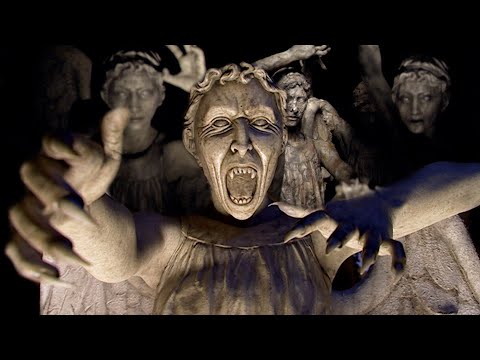
trap في 30 ثانية
- A physical device like a mousetrap used to catch pests or animals for food and safety.
- A metaphorical situation, such as a bad job or debt, where escape is difficult or impossible.
- A deceptive plan or trick intended to catch someone off guard or make them admit something.
- A verb describing the act of confining someone or something in a specific place or state.
The word trap is a versatile term in the English language that functions as both a noun and a verb. At its most fundamental level, a trap is a physical device or a clever strategy designed to catch, capture, or confine something or someone. Whether you are talking about a simple wooden mouse trap in a kitchen or a complex military ambush in a forest, the core concept remains the same: creating a situation where an entity enters a space or a state from which it cannot easily escape. In modern conversation, the term has expanded far beyond its physical origins to encompass psychological, social, and economic situations. We often speak of being 'trapped' in a dead-end job or falling into a 'poverty trap,' where systemic factors make it nearly impossible for an individual to improve their financial standing. The essence of a trap lies in the element of surprise or the lack of an obvious exit. When someone is trapped, they lose their autonomy and their ability to move freely, which is why the word carries such a strong emotional weight in literature and daily speech.
- Physical Utility
- In a literal sense, a trap is a tool used by hunters, pest control experts, or even engineers. A snare is a type of trap that uses a noose to catch animals by the neck or foot. A pitfall trap is a hole dug into the ground, often covered with leaves, to catch larger prey. In plumbing, a 'P-trap' is a curved section of pipe that holds water to prevent sewer gases from entering a building. Here, the 'trap' is beneficial, serving a protective function.
The clever fox managed to avoid the hunter's trap by sniffing out the hidden metal scent.
Beyond the physical, the metaphorical use of 'trap' is incredibly common in professional and personal contexts. A 'tourist trap' refers to a place that attracts many tourists but provides low-quality goods or services at inflated prices. In this scenario, the 'trap' is the deceptive marketing and the lack of better options for a visitor who does not know the area. Similarly, a 'speed trap' is a location where police officers hide to catch drivers who are exceeding the speed limit, often in areas where the limit drops suddenly. In these cases, the word implies a sense of being caught off guard by an authority or a system. The psychological aspect of a trap is perhaps the most profound. People often describe feeling 'trapped' in their own minds, unable to break free from negative thought patterns or anxiety. This internal confinement is just as real to the person experiencing it as a physical cage would be. Understanding the word 'trap' requires recognizing this spectrum from the tangible to the intangible.
- Social Context
- In social settings, 'trap' can refer to a conversational maneuver. If someone asks a question that is designed to make you admit something embarrassing, they are 'setting a trap' for you. This is common in legal cross-examinations or heated political debates where the goal is to catch the opponent in a contradiction.
I realized the interview was a trap when they started asking about my previous employer's secrets.
Historically, the word 'trap' comes from the Old English 'treppe,' which meant a snare or a step. This linguistic root suggests a connection to the idea of stepping into something accidentally. Over centuries, the meaning evolved to include any kind of stratagem. In the world of music, 'Trap' has become a significant genre of hip-hop originating from the Southern United States, specifically Atlanta. In this context, the 'trap' refers to a place where illegal drug deals happen, symbolizing the difficult and dangerous environment that many artists grew up in. This modern usage shows how the word continues to adapt to new cultural realities while maintaining its core sense of confinement and struggle. Whether you are discussing biology (like the Venus flytrap), technology (like a trapdoor in software), or sociology, the word 'trap' remains a powerful descriptor of restricted freedom and calculated deception.
- Biological Examples
- The Venus flytrap is a carnivorous plant that uses specialized leaves to trap insects. When an insect touches the sensitive hairs on the leaf, the trap snaps shut in less than a second, demonstrating nature's version of a mechanical snare.
The spider spun a complex web to trap unsuspecting flies.
Using the word trap correctly requires an understanding of its grammatical flexibility. As a noun, it functions as the subject or object of a sentence. For instance, 'The trap was set' uses it as a subject, while 'He set the trap' uses it as an object. When using it as a verb, it is a regular verb (trap, trapped, trapping). It often implies an action performed by one entity upon another, or a state of being caused by external circumstances. One of the most common sentence patterns involves the passive voice: 'The mountain climbers were trapped by the sudden blizzard.' This emphasizes the climbers' lack of control over their situation. In active voice, you might say, 'The police trapped the suspect in a dead-end alley,' which highlights the agency of the police in creating the confinement. The nuances of the word change depending on whether the 'trap' is intentional or accidental. An intentional trap suggests a 'trapper'—someone who has planned the capture. An accidental trap, like being trapped in a broken elevator, suggests a failure of a system or a stroke of bad luck.
- Noun Usage
- When 'trap' is a noun, it can be modified by various adjectives to specify the type of confinement. Examples include 'a clever trap,' 'a deadly trap,' or 'a financial trap.' It can also be part of compound nouns like 'mousetrap' or 'booby-trap.' In these cases, the noun identifies the specific mechanism or situation.
The detective realized that the open safe was nothing more than a trap for the thief.
As a verb, 'trap' can be used in both literal and figurative senses. Literally, you might trap a pest in your garden. Figuratively, you might trap someone in a conversation they don't want to have. The verb form is frequently paired with prepositions. 'Trap inside' suggests a physical enclosure, while 'trap into' suggests a psychological or logical manipulation, such as 'She trapped him into admitting his mistake.' This distinction is crucial for clear communication. Furthermore, the present participle 'trapping' can act as an adjective or a noun (gerund). For example, 'The trapping of fur-bearing animals is regulated by law' uses it as a gerund, while 'The trapping heat of the greenhouse' uses it to describe the action of the heat. In scientific contexts, you might hear about 'heat-trapping gases,' which refers to greenhouse gases that prevent heat from escaping the Earth's atmosphere. This demonstrates how the word can be integrated into complex technical discussions about climate change and physics.
- Verb Usage
- The verb 'trap' often implies a sense of finality or inevitability. Once something is trapped, the action is complete. It is often used in the past participle form as an adjective: 'The trapped miners waited for rescue.' This usage is very common in news reporting.
Don't let your fears trap you in a life that doesn't make you happy.
In more advanced usage, 'trap' can appear in idiomatic expressions that change its meaning slightly. To 'fall into the trap of doing something' means to make a common mistake that is easy to avoid if one is careful. For example, 'Many new writers fall into the trap of using too many adjectives.' This usage is very helpful for giving advice or critiquing work. Another interesting use is in the world of sports. In soccer, a player might 'trap the ball,' which means to use their foot or chest to bring a moving ball under immediate control. Here, 'trap' doesn't mean to catch and hold forever, but rather to stop the ball's momentum so it can be played. This specific technical meaning shows how the word's core concept of 'stopping' or 'capturing' can be applied to high-speed athletic maneuvers. Whether you are writing a formal report or chatting with friends, the word 'trap' provides a precise way to describe various forms of containment and control.
- Common Phrasal Verbs
- While 'trap' isn't as common in phrasal verbs as 'get' or 'take,' it is often seen in 'trap in' or 'trap out.' To be 'trapped out' is less common but can sometimes refer to being excluded from a place by a locking mechanism.
The heavy snow trapped the villagers in their homes for three days.
The word trap is ubiquitous in modern media, literature, and everyday conversation. If you watch action movies or read thriller novels, you will frequently encounter characters who are either setting traps for their enemies or falling into them. Think of the classic 'Indiana Jones' films, where ancient temples are filled with booby traps—hidden mechanisms like pressure plates or dart shooters designed to protect treasure from intruders. In these stories, the 'trap' is a source of tension and excitement. Similarly, in crime dramas like 'Sherlock Holmes' or 'CSI,' detectives often use psychological traps to trick a suspect into confessing. They might present false evidence or lead the suspect into a logical contradiction. This usage highlights the intellectual side of the word, where a trap is a battle of wits rather than just a physical cage. You will also hear this word in the news, particularly during natural disasters. Headlines often read 'Dozens Trapped Under Rubble After Earthquake' or 'Floods Trap Residents on Rooftops.' In these tragic contexts, 'trapped' conveys a sense of urgent danger and the desperate need for rescue.
- News and Media
- In economic news, you might hear about the 'liquidity trap,' a situation where monetary policy becomes ineffective because people prefer to hold cash rather than invest, even when interest rates are zero. This is a high-level academic use of the word that describes a systemic failure where the economy is 'stuck.'
The documentary explored the poverty trap that prevents families from escaping generational debt.
In the world of entertainment and pop culture, 'Trap' has a very specific meaning related to music. Trap music is a subgenre of hip-hop that emerged in the late 1990s and early 2000s. It is characterized by its use of double-time or triple-time hi-hats, heavy kick drums from the Roland TR-808 synthesizer, and lyrics that often focus on the hardships of life in the 'trap'—a slang term for a house where drugs are sold. When young people talk about 'Trap,' they are often referring to this musical style rather than a physical snare. This shows how words can be reclaimed and repurposed by different communities to describe their unique experiences. Additionally, in the gaming world, 'traps' are a common element in role-playing games (RPGs) like 'Dungeons & Dragons' or video games like 'Dark Souls.' Players must be careful to avoid traps that can damage their characters. This interactive use of the word reinforces the idea of a trap as a challenge to be overcome through skill and observation.
- Everyday Conversation
- You might hear a friend say, 'I'm trapped in a meeting,' which is a hyperbolic way of saying they are stuck in a boring or long discussion. It's a common way to express frustration with a lack of control over one's time.
The city is a tourist trap in the summer, with overpriced ice cream and crowded streets.
In professional environments, 'trap' is often used in the context of 'trapping errors' in software development or accounting. To trap an error means to identify it and handle it before it causes the whole system to crash. This is a proactive and positive use of the word. In sports broadcasting, you'll hear commentators talk about a 'trap defense' in basketball, where two defenders double-team the player with the ball to force a turnover. This tactical usage emphasizes the collaborative effort to restrict an opponent's movement. Finally, in environmental discussions, the 'greenhouse effect' is often explained as the atmosphere 'trapping' heat from the sun. This metaphor helps people visualize how certain gases act like the glass walls of a greenhouse, keeping the planet warm. From the depths of the ocean where deep-sea creatures use bioluminescent 'traps' to lure prey, to the high-tech world of cybersecurity where 'honeypots' are used to trap hackers, the word is a fundamental part of how we describe the world.
- Legal Context
- The term 'entrapment' is a legal defense. It occurs when law enforcement agents induce a person to commit a crime that the person would otherwise have been unlikely to commit. If a judge finds entrapment occurred, the charges may be dismissed.
Admiral Ackbar's famous line, 'It's a trap!', has become a widespread internet meme used to signal deception.
One of the most frequent mistakes learners make with the word trap is confusing it with similar-sounding words like 'trip' or 'trick.' While they all involve some level of surprise or loss of control, their meanings are distinct. A 'trip' is an accidental stumble or a journey, whereas a 'trap' is a deliberate or situational confinement. You might 'trip' over a 'trap,' but you don't 'trap' over a 'trip.' Similarly, a 'trick' is a clever act intended to deceive, but it doesn't necessarily result in being 'trapped.' A magician performs a trick, but they don't usually trap their audience. Understanding these subtle differences is key to using the word accurately. Another common error involves the spelling of the inflected forms. As mentioned before, learners often forget to double the 'p' in 'trapped' and 'trapping.' Writing 'traped' is a common mistake; however, 'traped' would be the past tense of a non-existent word 'trape,' and it would be pronounced with a long 'a' sound like 'grape.' Always remember: short vowel sound (like in 'cap') usually means you double the consonant before adding a suffix.
- Preposition Errors
- Learners sometimes use the wrong preposition after the verb 'trap.' While 'trapped in' is the most common, people occasionally say 'trapped at' or 'trapped on.' For example, you are 'trapped in a room,' not 'trapped at a room.' You might be 'trapped on an island,' but 'in' is generally safer for enclosed spaces.
Incorrect: He was traped in the basement. Correct: He was trapped in the basement.
Another area of confusion is the difference between 'trap' and 'ambush.' An ambush is a specific type of trap that involves a surprise attack by people lying in wait. All ambushes are traps, but not all traps are ambushes. A mousetrap is not an ambush because there is no one waiting to attack the mouse; the device does the work itself. Using 'ambush' when you mean a mechanical trap can sound strange to native speakers. Furthermore, the word 'entrap' is often confused with 'trap.' While they are synonyms, 'entrap' is more formal and often carries a legal or highly deliberate connotation. You 'trap' a mouse, but a corrupt official might 'entrap' a business rival in a scandal. Using 'entrap' for simple, everyday situations can sound overly dramatic or academic. It's also important to distinguish between 'trapped' and 'stuck.' While they are often interchangeable, 'trapped' usually implies a higher level of danger or a more deliberate cause. You might be 'stuck' in traffic, but you are 'trapped' in a burning building. Using 'trapped' for minor inconveniences can sometimes sound like hyperbole, though this is common in informal speech.
- Register Confusion
- Using slang terms like 'trap house' in a formal business meeting would be a significant mistake. Unless you are discussing the sociology of urban environments or the music industry, keep the slang meanings of 'trap' out of professional correspondence.
The student fell into the trap of thinking that 'trap' and 'trip' were the same word.
Finally, be careful with the idiom 'shut your trap.' As mentioned earlier, this is a very informal and often rude way to tell someone to stop talking. Using it with a teacher, a boss, or someone you don't know well could cause offense. It's much better to use 'please be quiet' or 'could you hold that thought?' in polite company. Similarly, calling a place a 'tourist trap' to the face of someone who lives there might be seen as insulting their home. Context and audience are everything when using words with strong negative connotations like 'trap.' By being aware of these common pitfalls—pun intended—you can use the word 'trap' with confidence and precision in any situation. Whether you are describing a physical object, a difficult life situation, or a clever piece of music, the right usage will ensure your message is clear and appropriate for the setting.
- Common Collocation Mistake
- People often say 'make a trap' when they should say 'set a trap.' While 'make' refers to the construction of the device, 'set' refers to the act of preparing it to catch something. If you want to catch a mouse, you 'set the trap' before you go to bed.
The engineer had to trap the gases to prevent an explosion, not just 'hold' them.
To enrich your vocabulary, it's helpful to explore synonyms and alternatives for trap. Depending on the context, words like 'snare,' 'pitfall,' 'ambush,' 'lure,' or 'confinement' might be more precise. A 'snare' is specifically a trap made with a noose, often used for small animals. Using 'snare' instead of 'trap' adds a level of descriptive detail to your writing. A 'pitfall' is literally a hidden hole, but it is almost always used metaphorically to describe a hidden danger or a common mistake in a process. For example, 'One of the pitfalls of starting a new business is underestimating costs.' This is a more sophisticated way to say 'trap' in a professional or academic setting. An 'ambush' is a surprise attack, emphasizing the human element and the suddenness of the event. If you are describing a military or tactical situation, 'ambush' is often the better choice. 'Lure' and 'bait' are related words that focus on the thing used to attract the victim into the trap. While a trap is the mechanism of capture, the lure is the temptation that makes the trap effective.
- Trap vs. Snare
- A 'trap' is a general term for any device or situation that captures. A 'snare' is a specific type of trap that uses a wire or string loop. Use 'snare' when you want to be more technical about hunting or when using the idiom 'snared in a web of lies.'
The politician was snared by his own contradictory statements during the debate.
In more formal or literary contexts, you might use 'enthrall' or 'ensnare.' 'Ensnare' is a direct synonym for 'trap' but feels more poetic or dramatic. 'The hero was ensnared by the enchantress's beauty.' On the other hand, 'enthrall' originally meant to enslave (to make someone a 'thrall'), but today it means to capture someone's attention completely. While not a direct synonym for a physical trap, it shares the root concept of being 'captured' by something. For situations involving physical confinement, 'imprison' or 'confine' are strong alternatives. 'The bird was confined to a small cage' is more descriptive than 'The bird was trapped in a small cage' if the bird was put there intentionally and isn't necessarily trying to escape a mechanism. 'Corner' is another excellent verb to use when someone is trapped in a specific location by an opponent. 'The cat cornered the mouse in the kitchen.' This implies that the 'trap' is the physical layout of the room and the presence of the cat, rather than a device.
- Trap vs. Pitfall
- A 'trap' can be physical or metaphorical. A 'pitfall' is almost always metaphorical and refers to an error that is easy to make. You 'fall into' both, but a pitfall is usually the result of your own lack of foresight, whereas a trap might be set by someone else.
The new software has several pitfalls that users should be aware of before installing.
If you are talking about being stuck in a situation, 'quagmire' or 'deadlock' are sophisticated alternatives. A 'quagmire' is literally a swamp, but metaphorically it's a complex or difficult situation that is hard to get out of. 'The company found itself in a financial quagmire.' A 'deadlock' or 'stalemate' refers to a situation where no progress can be made, effectively trapping both parties in a state of inaction. These words are very common in political and business reporting. In the context of deception, 'ruse' or 'stratagem' can replace the noun 'trap.' 'His offer to help was merely a ruse to get inside the house.' This emphasizes the trickery involved. By choosing the most specific word for your context, you can convey much more meaning than by simply using 'trap' every time. Whether you want to sound more professional, more descriptive, or more dramatic, there is almost always a synonym that can help you achieve your goal.
- Trap vs. Web
- A 'web' (like a spider's web) is a type of trap that uses stickiness or complexity. Metaphorically, a 'web of lies' is a complex trap made of many small deceptions. Use 'web' when the trap is intricate and hard to untangle.
The detective slowly untangled the web of deceit that the suspect had spun.
How Formal Is It?
حقيقة ممتعة
The word 'trap' is related to the word 'tread' and 'trample,' because many early traps were activated when an animal stepped on them.
دليل النطق
- Pronouncing it like 'trip' (/trɪp/).
- Adding an extra vowel sound at the end (e.g., 'tra-puh').
- Confusing it with 'taped' (/teɪpt/).
مستوى الصعوبة
The word is short and common, but metaphorical uses require some context.
The double 'p' in 'trapped' and 'trapping' is a common spelling hurdle.
Easy to pronounce, though it can be confused with 'trip'.
Clearly audible, but context is needed to distinguish noun from verb.
ماذا تتعلّم بعد ذلك
المتطلبات الأساسية
تعلّم لاحقاً
متقدم
قواعد يجب معرفتها
Doubling final consonants
Trap becomes trapped (CVC rule).
Passive voice with 'be' + past participle
The mouse was trapped.
Gerunds as subjects
Trapping animals is a controversial topic.
Prepositional usage with 'in'
Trapped in the house.
Compound noun formation
Mousetrap, trapdoor.
أمثلة حسب المستوى
The farmer set a trap to catch the mouse.
Le fermier a posé un piège pour attraper la souris.
Noun: 'a trap' is the object of the verb 'set'.
I trapped a spider under a glass.
J'ai piégé une araignée sous un verre.
Verb: Past tense 'trapped' with double 'p'.
Is there a trap for the rabbits?
Y a-t-il un piège pour les lapins ?
Question form using 'is there'.
The cat wants to trap the bird.
Le chat veut piéger l'oiseau.
Infinitive verb: 'to trap'.
He put his hand in the trap.
Il a mis sa main dans le piège.
Prepositional phrase: 'in the trap'.
The box is a simple trap.
La boîte est un piège simple.
Predicate nominative: 'is a simple trap'.
Don't trap your fingers in the door!
Ne te coince pas les doigts dans la porte !
Imperative verb: 'Don't trap'.
We saw a trap in the woods.
Nous avons vu un piège dans les bois.
Past tense verb 'saw' with noun 'trap'.
The elevator stopped, and we were trapped.
L'ascenseur s'est arrêté et nous étions coincés.
Passive state: 'were trapped'.
That restaurant is a tourist trap.
Ce restaurant est un piège à touristes.
Compound noun phrase: 'tourist trap'.
The police set a speed trap on the highway.
La police a installé un radar sur l'autoroute.
Noun: 'speed trap' as the object.
She felt trapped in her small apartment.
Elle se sentait coincée dans son petit appartement.
Adjective use of past participle: 'felt trapped'.
The hunter is trapping animals for fur.
Le chasseur piège des animaux pour leur fourrure.
Present continuous: 'is trapping'.
Be careful not to fall into the trap.
Fais attention à ne pas tomber dans le piège.
Idiomatic phrase: 'fall into the trap'.
They used a net to trap the fish.
Ils ont utilisé un filet pour piéger les poissons.
Infinitive of purpose: 'to trap the fish'.
The heavy snow trapped the car.
La neige abondante a bloqué la voiture.
Active verb: 'snow trapped the car'.
I fell into the trap of agreeing to work on Sunday.
Je suis tombé dans le piège d'accepter de travailler dimanche.
Metaphorical use: 'trap of [gerund]'.
The hero escaped from the villain's trap.
Le héros s'est échappé du piège du méchant.
Possessive noun: 'villain's trap'.
Many people are trapped in low-paying jobs.
Beaucoup de gens sont coincés dans des emplois mal payés.
Passive voice: 'are trapped'.
The question was a trap to make him lie.
La question était un piège pour le faire mentir.
Noun used to describe a verbal strategy.
We need to trap the heat inside the house.
Nous devons garder la chaleur à l'intérieur de la maison.
Verb meaning 'to contain' or 'to hold'.
The spider's web is a deadly trap for flies.
La toile d'araignée est un piège mortel pour les mouches.
Adjective-noun combination: 'deadly trap'.
He felt trapped by his many responsibilities.
Il se sentait prisonnier de ses nombreuses responsabilités.
Prepositional phrase: 'trapped by'.
The mountain climbers were trapped by the storm.
Les alpinistes ont été bloqués par la tempête.
Passive voice with agent: 'trapped by the storm'.
The government is trying to avoid the liquidity trap.
Le gouvernement essaie d'éviter la trappe à liquidité.
Technical economic term: 'liquidity trap'.
The interviewers set a trap to test her honesty.
Les intervieweurs ont tendu un piège pour tester son honnêteté.
Active verb phrase: 'set a trap'.
The Venus flytrap is a fascinating carnivorous plant.
La dionée attrape-mouche est une plante carnivore fascinante.
Proper noun/Biological term.
The suspect was trapped in a web of his own lies.
Le suspect était pris au piège de ses propres mensonges.
Metaphorical idiom: 'web of lies'.
Greenhouse gases trap solar radiation in the atmosphere.
Les gaz à effet de serre emprisonnent le rayonnement solaire dans l'atmosphère.
Scientific verb usage.
The company fell into the trap of over-expansion.
L'entreprise est tombée dans le piège de la surexpansion.
Business context metaphorical noun.
The player trapped the ball perfectly with his chest.
Le joueur a parfaitement contrôlé le ballon de la poitrine.
Technical sports verb.
She has a mind like a steel trap; she never forgets a face.
Elle a une mémoire d'éléphant ; elle n'oublie jamais un visage.
Idiomatic simile.
The defense argued that the police action constituted entrapment.
La défense a soutenu que l'action de la police constituait une provocation policière.
Legal derivative: 'entrapment'.
The protagonist is trapped in a Kafkaesque nightmare of bureaucracy.
Le protagoniste est piégé dans un cauchemar bureaucratique kafkaïen.
Literary/Metaphorical usage.
The structural design includes a trap to prevent backflow.
La conception structurelle inclut un siphon pour empêcher le reflux.
Engineering/Technical noun.
The negotiator was careful not to be trapped into making concessions.
Le négociateur a fait attention à ne pas se laisser entraîner à faire des concessions.
Passive infinitive: 'to be trapped into'.
The film explores how poverty can trap generations in a cycle of despair.
Le film explore comment la pauvreté peut emprisonner des générations dans un cycle de désespoir.
Sociological verb usage.
The hacker's attempts were neutralized by a sophisticated honeypot trap.
Les tentatives du pirate ont été neutralisées par un piège à miel sophistiqué.
Cybersecurity terminology.
The intricate plot was designed to trap the audience in a false sense of security.
L'intrigue complexe était conçue pour piéger le public dans un faux sentiment de sécurité.
Abstract verb usage in arts/criticism.
The animal's instincts failed to warn it of the concealed pitfall trap.
Les instincts de l'animal n'ont pas réussi à l'avertir du piège à fosse dissimulé.
Specific noun: 'pitfall trap'.
The philosopher pondered whether consciousness itself is a biological trap.
Le philosophe se demandait si la conscience elle-même est un piège biologique.
Philosophical/Abstract noun.
The treaty was criticized for trapping the nation in an unfavorable alliance.
Le traité a été critiqué pour avoir enfermé la nation dans une alliance défavorable.
Geopolitical verb usage.
The software architecture utilizes traps to handle exceptional execution states.
L'architecture logicielle utilise des déroutements pour gérer les états d'exécution exceptionnels.
Highly technical computer science noun.
Her prose is so dense it feels like it might trap the reader in its complexity.
Sa prose est si dense qu'on a l'impression qu'elle pourrait emprisonner le lecteur dans sa complexité.
Literary criticism/Metaphor.
The artist used light and shadow to trap the viewer's gaze within the frame.
L'artiste a utilisé l'ombre et la lumière pour captiver le regard du spectateur à l'intérieur du cadre.
Artistic/Descriptive verb usage.
The economic model failed to account for the behavioral traps of the consumers.
Le modèle économique n'a pas réussi à prendre en compte les pièges comportementaux des consommateurs.
Behavioral economics terminology.
The spy's demise was orchestrated through a multi-layered honey trap.
La chute de l'espion a été orchestrée par un piège à miel à plusieurs niveaux.
Espionage/Narrative noun.
The poet lamented being trapped between the desire for freedom and the need for belonging.
Le poète déplorait d'être coincé entre le désir de liberté et le besoin d'appartenance.
Existential/Emotional verb usage.
المرادفات
الأضداد
تلازمات شائعة
العبارات الشائعة
— Being in a situation where you cannot escape or make a choice.
I feel caught in a trap with this mortgage.
— To enter a dangerous or deceptive situation without realizing it.
The army walked right into a trap.
— Having a very quick and observant intelligence.
She has a mind like a steel trap; she noticed the error instantly.
— To prepare a deceptive situation for someone.
The detective laid a trap to catch the thief.
— To trick someone into doing or saying something.
They trapped him into signing the contract.
— To have the emotional sensation of having no options.
He felt trapped in his unhappy marriage.
— A situation where children try to manipulate their parents (often to reunite them).
The twins tried to set a parent trap for their divorced mom and dad.
— A hazard on a golf course filled with sand.
His ball landed right in the middle of the sand trap.
— A specific genre of hip-hop music.
He listens to a lot of trap music while working out.
يُخلط عادةً مع
A trip is a stumble or a journey; a trap is a device for catching.
A trick is a deception; a trap is the confinement that might result from a trick.
Tread means to step; trap is the thing you might step into.
تعبيرات اصطلاحية
— To remain silent about something, often a secret.
You'd better keep your trap shut about what you saw.
Informal/Rude— A large, obvious mistake that is easy to fall into if one is not careful.
The new law turned out to be an elephant trap for the government.
Political/Journalistic— Something that is dangerous only to people who are not paying attention.
The fine print in the contract is a trap for the unwary.
Formal— An attractive offer that hides a dangerous or negative consequence.
The low interest rate was a sweet trap that led to massive debt.
General— Used metaphorically for someone who hides and waits for an opportunity to strike.
He's a trap-door spider in business, waiting for rivals to fail.
Literary— Completely restricted by rules or circumstances.
I feel tied and trapped by all these new regulations.
Informal— To activate a trap or reveal a deceptive plan at the right moment.
The police waited for the meeting to start before they sprang the trap.
General— To provide a temptation to make a trap more effective.
They baited the trap with promises of a high promotion.
General— Being in a difficult situation caused by one's own past actions.
By lying to everyone, he found himself in a trap of his own making.
General— Using romantic or sexual attraction to lure someone into a trap.
The intelligence agency used a honey trap to get the documents.
Espionageسهل الخلط
Both are used to catch animals.
A snare specifically uses a noose, while a trap is a general term for any such device.
He used a wire snare to trap the rabbit.
Both involve surprise and capture.
An ambush is a surprise attack by people; a trap can be a mechanical device.
The soldiers lay in ambush near the mountain trap.
Both mean a hidden danger.
A pitfall is usually a metaphorical mistake; a trap can be physical or metaphorical.
The main pitfall of the plan was the lack of funding.
Both mean being unable to move.
Stuck is a general state; trapped implies a more serious or deliberate confinement.
I'm stuck in traffic, but I'm trapped in this elevator!
Both mean having no escape.
Cornered means being pushed into a physical corner; trapped means being caught by a device or situation.
The cat cornered the mouse before it could reach the trap.
أنماط الجُمل
The [noun] is a trap.
The box is a trap.
I am trapped in [place].
I am trapped in the room.
Don't fall into the trap of [gerund].
Don't fall into the trap of oversleeping.
[Subject] trapped the [object] with [tool].
The player trapped the ball with his foot.
The [abstract noun] constitutes a trap for [group].
The high interest rate constitutes a trap for low-income families.
[Subject] is trapped between [Option A] and [Option B].
The diplomat was trapped between national loyalty and global ethics.
The [noun] was trapped by [event].
The town was trapped by the flood.
He set a trap for [animal].
He set a trap for the mouse.
عائلة الكلمة
الأسماء
الأفعال
الصفات
مرتبط
كيفية الاستخدام
Very high in both daily speech and specialized literature.
-
He was traped in the car.
→
He was trapped in the car.
You must double the 'p' in the past tense of 'trap.'
-
I fell into the trip.
→
I fell into the trap.
A 'trip' is a stumble; a 'trap' is a deceptive situation.
-
The police made a trap.
→
The police set a trap.
The standard collocation is 'set a trap,' not 'make a trap.'
-
She is trapped at the room.
→
She is trapped in the room.
Use the preposition 'in' for enclosed spaces when using 'trapped.'
-
It was a snare for the unwary.
→
It was a trap for the unwary.
While 'snare' is a synonym, 'trap for the unwary' is the standard idiom.
نصائح
Double the P
Always remember to double the 'p' when writing 'trapped' or 'trapping.' This keeps the 'a' sound short. Without the double 'p,' it would look like it should be pronounced with a long 'a' sound.
Use Synonyms
In professional writing, try using 'pitfall' for mistakes or 'confinement' for being stuck. This makes your English sound more advanced and precise.
Be Careful with Slang
Avoid saying 'shut your trap' unless you are with very close friends and being playful. It can be very offensive in most other situations.
Passive Voice
The word 'trapped' is very common in the passive voice (e.g., 'They were trapped'). This is because the person being trapped is usually not the one doing the action.
The 'Steel Trap' Compliment
If you want to tell someone they are very smart, say they have 'a mind like a steel trap.' It's a great way to use the word in a positive context.
Context Clues
If you hear 'trap' in a song, it's likely referring to the music genre. If you hear it in a kitchen, it's likely a mousetrap. Always use the setting to help you understand.
Metaphorical Traps
Don't just use 'trap' for physical things. Use it to describe feelings or situations, like 'trapped by indecision.' This adds depth to your writing.
Short Vowel Sound
Make sure the 'a' in 'trap' sounds like the 'a' in 'apple.' If you make it sound like 'ay,' people might think you are saying 'tape.'
Tourist Trap Warning
When traveling, look for reviews that mention 'tourist trap.' This will help you save money and find more authentic local experiences.
Heat Trapping
When talking about climate change, use the phrase 'trap heat' to describe how greenhouse gases work. It's a standard and clear way to explain the process.
احفظها
وسيلة تذكّر
Think of a 'TRAP' as something that 'Takes Real Action to Prevent.' You have to be careful not to step in it!
ربط بصري
Imagine a classic wooden mousetrap with a bright yellow piece of cheese. The 'T' shape of the trap's metal bar can remind you of the first letter.
Word Web
تحدٍّ
Try to use the word 'trap' as a noun, a verb, and an adjective in three different sentences today.
أصل الكلمة
Derived from the Old English word 'treppe' or 'trappe,' which referred to a snare or a step. It is related to the Middle Dutch 'trappe' and the Old High German 'trappa.'
المعنى الأصلي: A device for catching animals or a step/stair.
Germanicالسياق الثقافي
Be careful when using 'trap' in the context of gender or identity, as it has been used as a slur in some online communities. Stick to its literal or common metaphorical meanings.
The phrase 'tourist trap' is very common in cities like London, New York, and Paris to warn visitors about overpriced areas.
تدرّب في الحياة الواقعية
سياقات واقعية
Pest Control
- Set a mousetrap
- Humane trap
- Sticky trap
- Bait the trap
Travel
- Avoid tourist traps
- Overpriced trap
- Speed trap ahead
- Hidden trap
Emotions
- Feel trapped
- Trapped in a relationship
- Trapped by fear
- Emotional trap
Science
- Trap heat
- Heat-trapping gases
- Venus flytrap
- Particle trap
Crime/Law
- Police trap
- Entrapment defense
- Fall into a trap
- Set a trap for a thief
بدايات محادثة
“Have you ever visited a place that turned out to be a total tourist trap?”
“Do you think people are often trapped by their own habits?”
“What is the best way to escape a social trap, like a boring conversation?”
“Have you ever seen a Venus flytrap in real life?”
“Do you think speed traps are a good way to keep roads safe?”
مواضيع للكتابة اليومية
Describe a time you felt trapped in a situation. How did you eventually get out?
Write about a 'trap' you set for yourself (like a bad habit) and how you can break it.
If you were a detective, how would you set a trap to catch a clever criminal?
Discuss the concept of a 'poverty trap' and what society can do to help people escape it.
Reflect on the phrase 'a mind like a steel trap.' Do you know anyone who fits this description?
الأسئلة الشائعة
10 أسئلةIt is both! As a noun, it's the device or situation (e.g., 'a mousetrap'). As a verb, it's the action of catching (e.g., 'to trap a mouse').
A tourist trap is a place that attracts many tourists but is designed to take their money by offering low-quality, overpriced goods or services.
The past tense is 'trapped,' with two 'p's. This follows the rule for doubling the final consonant in single-syllable words ending in consonant-vowel-consonant.
It is a rude and informal way to tell someone to stop talking. It's similar to 'shut your mouth' or 'be quiet,' but much more aggressive.
Trap music is a style of hip-hop that started in the Southern United States. It features heavy bass, fast hi-hats, and lyrics about street life.
Usually, it has a negative meaning. However, in science, 'trapping heat' can be good for a greenhouse, and in sports, 'trapping the ball' is a skillful move.
A trap is a general word for any device that catches something. A snare is a specific type of trap that uses a loop of wire or string.
It's a compliment meaning someone is very smart, quick to understand things, and has a very good memory.
A speed trap is a place where police hide to catch drivers who are going faster than the speed limit, often where the limit changes suddenly.
Entrapment is when police trick someone into committing a crime they wouldn't normally do, which can sometimes be used as a legal defense.
اختبر نفسك 180 أسئلة
Write a sentence using 'trap' as a noun.
Well written! Good try! Check the sample answer below.
Write a sentence using 'trapped' as a verb.
Well written! Good try! Check the sample answer below.
Describe a 'tourist trap' you have visited.
Well written! Good try! Check the sample answer below.
Use the idiom 'fall into the trap' in a sentence.
Well written! Good try! Check the sample answer below.
Explain what a 'poverty trap' is in your own words.
Well written! Good try! Check the sample answer below.
Write a short story (3 sentences) about a mouse and a trap.
Well written! Good try! Check the sample answer below.
Use the word 'trap' in a scientific context.
Well written! Good try! Check the sample answer below.
Write a dialogue between two people where one person warns the other about a trap.
Well written! Good try! Check the sample answer below.
Describe someone who has 'a mind like a steel trap'.
Well written! Good try! Check the sample answer below.
Write a sentence using 'entrapment'.
Well written! Good try! Check the sample answer below.
Use 'trap' as a verb in the present continuous tense.
Well written! Good try! Check the sample answer below.
Write a sentence about being 'trapped' in a bad job.
Well written! Good try! Check the sample answer below.
Use 'trapdoor' in a sentence about a mystery.
Well written! Good try! Check the sample answer below.
Write a sentence about a 'speed trap'.
Well written! Good try! Check the sample answer below.
Use 'trap' to describe a sports maneuver.
Well written! Good try! Check the sample answer below.
Write a sentence using 'booby trap'.
Well written! Good try! Check the sample answer below.
Explain the meaning of 'honey trap' in a sentence.
Well written! Good try! Check the sample answer below.
Write a sentence about a 'death trap'.
Well written! Good try! Check the sample answer below.
Use 'trapped' to describe an emotional state.
Well written! Good try! Check the sample answer below.
Write a sentence using 'liquidity trap'.
Well written! Good try! Check the sample answer below.
Describe a time you felt trapped in a boring situation.
Read this aloud:
قلت:
Speech recognition is not supported in your browser. Try Chrome or Edge.
How would you explain a 'tourist trap' to a friend?
Read this aloud:
قلت:
Speech recognition is not supported in your browser. Try Chrome or Edge.
What are some common 'traps' people fall into when learning a new language?
Read this aloud:
قلت:
Speech recognition is not supported in your browser. Try Chrome or Edge.
Do you think it's ethical to trap wild animals?
Read this aloud:
قلت:
Speech recognition is not supported in your browser. Try Chrome or Edge.
Describe the mechanism of a simple mousetrap.
Read this aloud:
قلت:
Speech recognition is not supported in your browser. Try Chrome or Edge.
Have you ever seen a 'speed trap'? Where was it?
Read this aloud:
قلت:
Speech recognition is not supported in your browser. Try Chrome or Edge.
What does 'a mind like a steel trap' mean to you?
Read this aloud:
قلت:
Speech recognition is not supported in your browser. Try Chrome or Edge.
Why do you think people feel 'trapped' in their jobs?
Read this aloud:
قلت:
Speech recognition is not supported in your browser. Try Chrome or Edge.
What is a 'trapdoor' used for in a theater?
Read this aloud:
قلت:
Speech recognition is not supported in your browser. Try Chrome or Edge.
Explain the concept of 'trapping heat' in the atmosphere.
Read this aloud:
قلت:
Speech recognition is not supported in your browser. Try Chrome or Edge.
What would you do if you were trapped in an elevator?
Read this aloud:
قلت:
Speech recognition is not supported in your browser. Try Chrome or Edge.
Is 'trap music' popular in your country?
Read this aloud:
قلت:
Speech recognition is not supported in your browser. Try Chrome or Edge.
How can someone avoid falling into a 'poverty trap'?
Read this aloud:
قلت:
Speech recognition is not supported in your browser. Try Chrome or Edge.
Describe a 'booby trap' from a movie you've seen.
Read this aloud:
قلت:
Speech recognition is not supported in your browser. Try Chrome or Edge.
What is the difference between being 'stuck' and being 'trapped'?
Read this aloud:
قلت:
Speech recognition is not supported in your browser. Try Chrome or Edge.
Have you ever used a 'humane trap' to catch a pest?
Read this aloud:
قلت:
Speech recognition is not supported in your browser. Try Chrome or Edge.
Why is 'entrapment' illegal in many places?
Read this aloud:
قلت:
Speech recognition is not supported in your browser. Try Chrome or Edge.
What is a 'honey trap' in a spy story?
Read this aloud:
قلت:
Speech recognition is not supported in your browser. Try Chrome or Edge.
How do you 'trap' the ball in soccer using your chest?
Read this aloud:
قلت:
Speech recognition is not supported in your browser. Try Chrome or Edge.
What are the 'pitfalls' of social media?
Read this aloud:
قلت:
Speech recognition is not supported in your browser. Try Chrome or Edge.
Listen to the sentence: 'The hunter set a trap for the fox.' What did the hunter set?
Listen to the sentence: 'She felt trapped in her own home.' How did she feel?
Listen to the sentence: 'The speed trap was hidden behind a tree.' Where was the speed trap?
Listen to the sentence: 'The Venus flytrap snapped shut.' What did the plant do?
Listen to the sentence: 'Don't fall into the trap of believing him.' What should you not do?
Listen to the sentence: 'The miners were trapped for seventy-two hours.' How long were they trapped?
Listen to the sentence: 'He has a mind like a steel trap.' What is being described?
Listen to the sentence: 'The tourist trap was very expensive.' What was expensive?
Listen to the sentence: 'The police sprang the trap at midnight.' When did they spring the trap?
Listen to the sentence: 'The trapdoor was hidden under the rug.' What was under the rug?
Listen to the sentence: 'The suspect was trapped by his own words.' What trapped the suspect?
Listen to the sentence: 'The greenhouse effect traps solar energy.' What does it trap?
Listen to the sentence: 'The lawyer argued it was a case of entrapment.' What was the lawyer's argument?
Listen to the sentence: 'The sand trap was full of white sand.' What was in the sand trap?
Listen to the sentence: 'The mouse escaped from the trap.' Did the trap catch the mouse?
/ 180 correct
Perfect score!
Summary
The word 'trap' covers everything from physical snares to complex life situations and technical interrupts. For example, 'The hikers were trapped by the storm' shows how external forces can limit freedom.
- A physical device like a mousetrap used to catch pests or animals for food and safety.
- A metaphorical situation, such as a bad job or debt, where escape is difficult or impossible.
- A deceptive plan or trick intended to catch someone off guard or make them admit something.
- A verb describing the act of confining someone or something in a specific place or state.
Double the P
Always remember to double the 'p' when writing 'trapped' or 'trapping.' This keeps the 'a' sound short. Without the double 'p,' it would look like it should be pronounced with a long 'a' sound.
Use Synonyms
In professional writing, try using 'pitfall' for mistakes or 'confinement' for being stuck. This makes your English sound more advanced and precise.
Be Careful with Slang
Avoid saying 'shut your trap' unless you are with very close friends and being playful. It can be very offensive in most other situations.
Passive Voice
The word 'trapped' is very common in the passive voice (e.g., 'They were trapped'). This is because the person being trapped is usually not the one doing the action.