Can: پرسشها و منفیها
can سه سوته «تواناییها» رو بپرسی و «انکار» کنی!
Grammar Rule in 30 Seconds
To ask questions, swap 'Can' and the subject; to say no, just add 'not' to 'can'.
- Questions: Move 'Can' to the front. Example: 'Can you swim?'
- Negatives: Use 'cannot' or 'can't'. Example: 'I can't drive.'
- No 'To': Never use 'to' after can. Example: 'I can't go' (NOT 'I can't to go').

مرور کلی
can سوال بپرسی و «نه» بگی، مثل یه ابرقدرته!can خیلی رسمی به نظر بیاد.-s یا -ed باشی. این در واقع «حالت آسانِ» فعلهای انگلیسیه.Can you go?» و اون ممکنه بگه: «I can't.» این دقیقاً کاربرد همین قانونه. سادهست، اما ستون فقرات انگلیسی روزمرهست. بیا یادت بدم چطوری مثل یه حرفهای ازش استفاده کنی.این گرامر چطور کار میکنه
can چیزیه که ما بهش میگیم فعل مودال (modal verb). بهش مثل یه فعل «کمکی» نگاه کن. این فعل کنار فعل اصلی جمله میشینه تا معنای بیشتری بهش بده.I can (من میتونم)، you can (تو میتونی)، she can (اون میتونه)، همهمون can!not بهش اضافه میکنیم. وقتی هم بخوایم سوال بپرسیم، فقط جای کلمهها رو عوض میکنیم؛ یعنی can رو میاریم اول جمله.do یا does رو وسط بکشی. خودِ can تمام کارهای سخت رو انجام میده؛ مثل اون رفیقیه که همیشه برای جابهجا کردن وسایل خونه داوطلب میشه: قابل اعتماد و بیحاشیه.
الگوی ساخت
cannot + شکل ساده فعل. (مثال: I cannot swim.)
can't + شکل ساده فعل. (مثال: He can't come.)
Can + فاعل + شکل ساده فعل؟ (مثال: Can they play?)
.Yes, I can یا .No, I can't
can't استفاده میکنن. cannot خیلی رسمیه یا وقتی استفاده میشه که واقعاً بخوای روی «نه» تاکید کنی؛ مثل وقتی که مامانت میگه: «تو امشب نمیتونی بیرون بری!» معمولاً can't بهترین انتخابته. راستی، هیچوقت بعد از can کلمهی to رو نیار. نمیگیم I can't to go؛ فقط میگیم I can't go. جمله رو ساده نگه دار!

کی استفاده کنیم
- توانایی (Ability): حرف زدن دربارهی کاری که میتونی یا نمیتونی انجام بدی. «من هنوز نمیتونم فرانسوی حرف بزنم، اما دارم یاد میگیرم!»
- اجازه (Permission): پرسیدن اینکه آیا انجام کاری اشکالی نداره. «میتونم از وایفای شما استفاده کنم؟» (مهمترین سوال قرن ۲۱!).
- احتمال (Possibility): چک کردن اینکه آیا اصلاً چیزی امکانپذیر هست یا نه. «میتونیم سر راه بریم استارباکس؟»
.It can't play« (پخش نمیشه). اگه داری از دوستت رمز حسابش رو میپرسی، میگی: »Can I use your account?« (به نتفلیکس نگیا!). برای گیمینگ هم عالیه؛ جملهی »؟Can you hear me" (صدام رو میشنوی؟) غیررسمیترین و پراستفادهترین جملهی تمام تماسهای دیسکورده.
اشتباهات رایج
- تلهی
To: خیلیا میگنI can't to dance. نه!Canازtoمتنفره. فقط بگوI can't dance. - اشتباه S سومشخص: نگو
She cans not. فعلcanیه شورشیه و هیچوقتsنمیگیره. - منفی دوتایی: نگو
I don't can go. فعلcanنیازی بهdoنداره. فقط بگوI can't go. - تلفظ: گاهی اوقات اگه خیلی سریع حرف بزنی،
can'tشبیهcanشنیده میشه. دقت کن که صدایtآخرش رو ادا کنی، وگرنه ممکنه بقیه فکر کنن داری میگی «آره» در حالی که منظورت «نه» بوده. این میتونه باعث موقعیتهای خیلی ضایعی بشه! از این اشتباها دوری کن تا جوری به نظر بیای که انگار سالهاست لندن زندگی میکنی.
مقایسه با الگوهای مشابه
could یا be able to چیه.Canدر مقابلCould: کلمهیcanبرای دوست و خانوادهست و حالت صمیمی داره.couldمثل پوشیدن کت و شلواره؛ برای رئیست یا غریبههاست.؟
توی خونه اوکیه، اماCan I have water؟
توی یه رستوران شیک بهتره.Could I have some waterCan'tدر مقابلMustn't: کلمهیCan'tیعنی نمیتونی (تواناییش رو نداری).Mustn'tیعنی اجازه نداری (خلاف قانونه). اگهcan't(نمیتونی) اینجا پارک کنی، شاید چون جا نیست. اما اگهmustn't(نباید) اینجا پارک کنی، یعنی پلیس ماشینت رو با جرثقیل میبره. فرقش زیاده!Canدر مقابلMay: معلمها عاشق اینن که وقتی اجازه میگیری، بگن: «نمیدونم، *میتونی* بری دستشویی؟» منظورشون اینه کهmayمودبانهتره. ولی خدایی؟ توی سال ۲۰۲۴ همه دیگه ازcanاستفاده میکنن. زیاد سخت نگیر، مگه اینکه بخوای برای ملکه نامه بنویسی.
سؤالات رایج
آیا can't و cannot یکی هستن؟
بله، اما can't برای حرف زدنه و cannot برای نوشتههای جدی.
میتونم از can برای آینده استفاده کنم؟
گاهی اوقات!
؟Can you come tomorrow برای قرار مدارها کاملاً درسته.
چرا مردم به جای «؟...May I» میگن «؟...Can I»؟
چون ما تنبلیم و can سریعتره. الان دیگه کاملاً عادی شده.
جواب کوتاه به
؟Can you help me چیه؟
!Sure, I can یا ".Sorry, I can't"
جدول صرف
| فرم | مثال | ترجمه |
|---|---|---|
| Positive | I can code. |
من میتونم کد بزنم. |
| Negative | I can't code. |
من نمیتونم کد بزنم. |
| Question | Can you code? |
میتونی کد بزنی؟ |
| Short Yes | Yes, I can. |
بله، میتونم. |
| Short No | No, I can't. |
نه، نمیتونم. |
سطوح رسمی بودن
- **Casual (صمیمی)
**
؟Can I grab a fry (با دوستای صمیمی)
- **Neutral (معمولی)
**
؟Can you help me with this bag (با همسایه)
- **Formal (رسمی)
**
؟Could you please direct me to the station (با یه غریبه)
ترفند حافظه
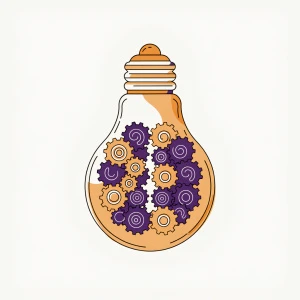
به رقص CAN-CAN فکر کن. سریع و سادهست و پاها (کلمهها) فقط جاشون رو با هم عوض میکنن. برای سوال پرسیدن، Can میپره اول جمله!

مکالمات واقعی
At a Café
Customer
Can I have a large oat milk latte?Barista
Sure! Can you wait five minutes?Customer
No problem, I can wait.Gaming Online
Player 1: Can you hear my mic?
Player 2: No, I can't hear you clearly.
Player 1: Wait, can you hear me now?
Player 2: Yes, I can!
تمرین پیشرونده
سه تا کاری که «نمیتونی» (can't) انجام بدی رو بگو (مثلاً: پرواز کردن، مریخی حرف زدن، درست کردن یه شام مفصل ۵ مرحلهای).
از هوش مصنوعی گوشیت یه سوال بپرس که با ...Can you شروع بشه.
جملهی خبری .He can drive رو به سوالی و منفی تبدیل کن.
توی تیکتاک برای یه تولیدکننده محتوا کامنت بذار و بپرس:
...؟Can you make a video about
The Unchanging 'Can'
| Subject | Negative (Short) | Negative (Long) | Question |
|---|---|---|---|
|
I
|
can't
|
cannot
|
Can I...?
|
|
You
|
can't
|
cannot
|
Can you...?
|
|
He/She/It
|
can't
|
cannot
|
Can he/she/it...?
|
|
We
|
can't
|
cannot
|
Can we...?
|
|
They
|
can't
|
cannot
|
Can they...?
|
Contractions of Can
| Full Form | Contraction | Usage |
|---|---|---|
|
cannot
|
can't
|
Standard speaking
|
|
can not
|
n/a
|
Rare emphasis
|
Meanings
Used to ask about or deny someone's ability, permission, or the possibility of an action occurring.
Ability
Asking if someone has the skill or physical power to do something, or stating they lack it.
“Can you speak Spanish?”
“I can't play the piano.”
Permission
Asking for or denying the right to do something in a specific situation.
“Can I go to the bathroom?”
“You can't park your car here.”
Possibility
Questioning if something is possible or stating that it is impossible.
“Can it be true?”
“It can't be 10:00 PM already!”
Reference Table
| نوع | فاعل | Can/Can't | فعل اصلی (شکل ساده) | جمله مثال |
|---|---|---|---|---|
|
خبری مثبت
|
I
|
can
|
swim
|
I can swim.
|
|
سوالی
|
Can
|
you
|
help?
|
Can you help?
|
|
سوالی
|
Can
|
he
|
speak English?
|
Can he speak English?
|
|
خبری منفی
|
She
|
can't
|
come
|
She can't come.
|
|
خبری منفی
|
We
|
cannot
|
see
|
We cannot see.
|
|
سوالی
|
Can
|
they
|
play?
|
Can they play?
|
طیف رسمیت
May I please have a glass of water? (Restaurant/Home)
Can I have a glass of water, please? (Restaurant/Home)
Can I get some water? (Restaurant/Home)
Can I grab a water? (Restaurant/Home)
Can: سوالی و منفی
سوالی
- Can + فاعل + فعل؟ Can you swim?
- اجازه Can I sit here?
- درخواست Can you help me?
منفی
- فاعل + can't + فعل I can't dance.
- فاعل + cannot + فعل We cannot wait.
- ناتوانی He can't see.
- رد اجازه You can't go.
قوانین اصلی
- برای سوم شخص مفرد "s" نمیاد He can, not He cans.
- همیشه فعل ساده Can you speak, not to speak.
- بدون "do/does" Can you, not Do you can.
سوال ساختن: مقایسه "Can" با فعلهای دیگه
ساختن سوال یا جمله منفی با "Can"
میخوای توانایی یا اجازه رو بیان کنی؟
جملهات سوالیه؟
جملهات خبری منفیه؟
فعل اصلیت 'to' یا 's-' داره؟
چه زمانی از 'Can' و 'Can't' استفاده کنیم
توانایی
- • Can you swim?
- • I can't dance.
- • She can speak French.
اجازه
- • Can I sit here?
- • You can't go yet.
- • We can leave now.
درخواست
- • Can you help me?
- • Can I have water?
- • Can you close the door?
امکان
- • It can be cold.
- • This can't be true.
- • He can be late.
مثالها بر اساس سطح
Can you swim?
Can you swim?
I can't cook.
I cannot cook.
Can he play football?
Can he play football?
They cannot come today.
They cannot come today.
Can I open the window?
Can I open the window?
You can't smoke here.
You are not allowed to smoke here.
Can you tell me the time?
Can you tell me the time?
We can't find the museum.
We are unable to find the museum.
Can't you see I'm busy?
Can't you see I'm busy?
It can't be a mistake.
It is impossible that it is a mistake.
Can anything be done about it?
Is there any possible solution?
I can't help but wonder why.
I cannot stop myself from wondering why.
Cannot we find a better solution?
Is it not possible for us to find a better solution?
You can't have finished already!
I don't believe you have finished already.
Can such a thing really happen?
Is it actually possible for such a thing to occur?
One cannot simply walk into Mordor.
It is not possible for a person to just walk in.
Can you not make that noise?
Please stop making that noise.
The importance of this cannot be overstated.
This is extremely important.
Can it be that she forgot?
Is it possible that she forgot?
I can't say I'm surprised.
I am not surprised at all.
Try as he might, he cannot but fail.
No matter how hard he tries, he will inevitably fail.
Can we but hope for the best?
Is there anything else we can do except hope?
The results can't have been more disappointing.
The results were as disappointing as possible.
One can't very well ask for a refund now.
It is socially awkward or impossible to ask for a refund now.
بهراحتی اشتباه گرفته میشود
Learners use 'can' for permission and 'may' for ability incorrectly.
Learners try to use 'can' in the future or past perfect.
Using 'can' for past abilities.
اشتباهات رایج
Do you can swim?
Can you swim?
I can to play.
I can play.
He cans swim.
He can swim.
I no can go.
I can't go.
Can you to help me?
Can you help me?
I don't can come.
I can't come.
Can you speaking English?
Can you speak English?
I will can go tomorrow.
I will be able to go tomorrow.
It's important to can swim.
It's important to be able to swim.
I haven't could sleep.
I haven't been able to sleep.
الگوهای جملهسازی
Can you ___?
I can't ___ because ___.
Can I ___ please?
Why can't we ___?
Real World Usage
Can u come tonight?
Can I see your boarding pass?
Can you work on weekends?
Can I have the burger without onions?
I can't even!!
Can you feel this?
همیشه شکل ساده فعل
can یا "can't« میاد، همیشه شکل سادهاش هست. نه »s« میگیره، نه »ing« و نه »to«! مثلاً اگه میخوای بگی »من میتونم شنا کنم«، میگی: »I can swim."بدون "Do/Does"!
can برای ساختن سوال یا جمله منفی به do یا does احتیاج نداره. اگه میخوای از دوستت بپرسی میتونه شنا کنه، میگی: Can you swim?مخففها پادشاهن!
با "Can" مؤدب باش
can برای درخواستهای معمولی اوکیه، ولی اگه آخر جمله please رو اضافه کنی، خیلی مودبانهتر میشه. اگه میخوای از کسی درخواست کمک کنی، بهتره بگی: Can you help me, please?
تفاوت تلفظ رو گوش کن
can رو توی جملههای مثبت (مثل I can speak) کوتاه تلفظ میکنن، ولی "can't« رو توی جملههای منفی با تأکید میگن. مثلاً اگه یکی میگه نمیتونه بیاد، با دقت گوش کن: »I can't come."Smart Tips
Remember the 'Inversion Rule': just swap the first two words of the statement. No extra words allowed!
Always use 'cannot' as one single word. Writing 'can not' is a common typo even for natives.
Listen for the vowel length and the stress. 'Can't' is usually longer and louder than the weak 'can'.
Switch from 'Can I' to 'Could I'. It's a small change that makes a big difference in tone.
تلفظ
The Weak 'Can'
In positive sentences and questions, 'can' is usually unstressed and sounds like /kən/ (rhymes with 'sun').
The Strong 'Can't'
The negative 'can't' is always stressed. In American English, it's /kænt/. In British English, it's often /kɑːnt/.
Rising Intonation
Can you help me? ↗
Standard yes/no question tone.
حفظ کنید
روش یادسپاری
CAN is a CAPTAIN: He doesn't need a 'Do-Assistant' to lead the sentence.
تداعی تصویری
Imagine a giant 'X' over the word 'DO' whenever you see 'CAN'. Also, imagine 'CAN' and the 'SUBJECT' on a playground see-saw, swapping places for questions.
Rhyme
To ask a question, don't be slow: move 'Can' to the front and you're good to go!
Story
A robot named 'Can' is very independent. He refuses to hold hands with 'To' and he hates the letter 'S'. He also likes to jump to the front of the line whenever someone asks him a question.
شبکه واژگان
چالش
Look around your room. Find 3 things you CAN do (e.g., 'I can see a lamp') and 3 things you CAN'T do (e.g., 'I can't fly'). Then, ask a friend or Siri/Google 'Can you...?' questions for 2 minutes.
نکات فرهنگی
The pronunciation of 'can't' is a major dialect marker. Americans use a flat 'a' (like 'cat'), while many British speakers use a broad 'a' (like 'car').
While 'Can I...?' is standard, adding 'please' is culturally expected in service industries to avoid sounding demanding.
In older generations or very traditional schools, using 'can' for permission is still sometimes corrected, though this is fading.
From the Old English 'cunnan', which meant 'to know' or 'to know how to'.
شروعکنندههای مکالمه
Can you play any musical instruments?
Can you speak more than two languages?
Can you cook a traditional dish from your country?
Can you imagine living in a different country?
موضوعات نگارش
اشتباهات رایج
Test Yourself
___ you speak French?
Can برای پرسیدن در مورد توانایی استفاده میشه و به فعل کمکی مثل do یا are نیاز نداره.Find and fix the mistake:
He can't to play the piano.
can یا "can't«، فعل اصلی همیشه به شکل ساده و بدون »to" میاد.Translate into English: 'No puedo ir a la fiesta.'
Answer starts with: ["I...
can از "can't« یا »cannot« استفاده کن. »Go" هم شکل ساده فعل هست.Choose the correct sentence:
can، اول Can میاد، بعد فاعل، بعد شکل ساده فعل. Can برای she تغییر نمیکنه و به do/does نیازی نداره.Score: /4
تمرینهای عملی
8 exercises___ you speak English?
I ___ (can) swim. I am afraid of water.
Find and fix the mistake:
She can't to drive a car.
help / you / me / can / ?
He ___ come.
1. Can you swim? | 2. Can he drive? | 3. Can they sing?
A: Can I sit here? B: No, sorry, you ___.
We add 's' to 'can' when the subject is 'he' or 'she'.
Score: /8
Practice Bank
13 exercisesWe ___ see the screen clearly.
Do you can speak English?
Choose the correct sentence:
Translate into English: 'Ella no puede venir mañana.'
این کلمات رو مرتب کن تا یه جمله بسازی:
فاعلها رو با شکل صحیح جور کن:
Sorry, I ___ help you right now.
She cans sing very well.
کدوم جمله به درستی در مورد توانایی میپرسه؟
Translate into English: 'Puedes ayudarme con mi tarea?'
این کلمات رو مرتب کن تا یه جمله بسازی:
___ I borrow your pen?
Which sentence is correct?
Score: /13
سوالات متداول (8)
Yes, but it's very rare. It is usually only used for extreme emphasis, like 'I can NOT believe you did that!'. Normally, use `cannot` or `can't`.
Because `can` is a modal verb. Modal verbs are like 'super verbs'—they don't need the help of `do` to make questions or negatives.
You can use it for future arrangements (e.g., 'I can meet you tomorrow'), but for general future ability, you must use `will be able to`.
`can't` is for speaking and casual writing. `cannot` is for formal documents and academic essays. They mean the same thing.
Yes, `Can I have...` is very common and polite if you add `please`. If you want to be extra formal, you can use `Could I have...`.
It's a regional accent difference. Americans say it with a short 'a' (cat), and many British people say it with a long 'a' (car). Both are correct!
No. Modal verbs like `can` are always followed by the 'bare infinitive', which means the verb without the word `to`.
Mostly, yes. `Can` is more common in daily speech. `Be able to` is used when `can` is grammatically impossible (like after 'will' or 'have').
Scaffolded Practice
1
2
3
4
Mastery Progress
Needs Practice
Improving
Strong
Mastered
In Other Languages
Poder
English 'can' has no conjugation; Spanish 'poder' does.
Pouvoir
French uses 'est-ce que' or inversion; English uses only inversion for 'can'.
Können
German conjugates 'können' (ich kann, du kannst).
Potential form (~eru/~aru) or 'dekiru'
Japanese uses verb suffixes; English uses a separate modal verb.
Yastati'u (يستطيع)
Arabic 'can' is a complex conjugated verb; English 'can' is a simple particle.
Huì (会) / Néng (能)
Chinese has two words for 'can' based on the type of ability.
Learning Path
Prerequisites
Learn These First
ویدیوهای مرتبط
 06:37
06:37 Sunflower Caesar Salad | Food Wishes
 04:54
04:54 This is the most common way to get head lice - Nazzy Pakpour
 01:30
01:30 Top 3 announcements for AI on Android at Google I/O ‘25
Learn Grammar: Negative Questions in English
English with Ronnie · EnglishLessons4U with engVid
Negative questions in English, answers, word order
Antonia Romaker - English and Russian online
How To Learn Negative Questions American English | English Grammar Lessons
American English
Related Grammar Rules
نفی در انگلیسی: استفاده صحیح از 'not'
تا به حال سعی کردهاید بگویید `I not like coffee` و با نگاهی سردرگم مواجه شوید؟ این برای همه در شروع کار پیش میآید. گفت...
پرسیدن سوالات 'چگونه' (How much, many, often, long, old)
### Overview در زبان انگلیسی، برای پرسیدن سوالات دقیق و دریافت اطلاعات خاص، از ساختارهای پرسشی مشخصی استفاده میشود. علا...
تگهای پرسشی پیچیده: بررسی اجتماعی (aren't I, shall we)
Overview آیا تا به حال پیامکی فرستادهاید و حس کردهاید که به یک تایید کوچک نیاز دارید؟ شما در اصل به دنبال یک `question...
اوج ادب: تسلط بر سؤالات غیرمستقیم
Overview تا حالا حس کردی وقتی چیزی میخوای، زیادی مستقیم و تند برخورد میکنی؟ تصور کن توی یه جشنواره موسیقی هستی و گم ش...
آمادهای؟ سوالات انگلیسی با فعل 'be'
گم شدی؟ وایفای کار میکنه؟ واسه مهمونی دیر کردیم؟ هر روز، تو با استفاده از سه تا کلمه کوچولو دهها سوال میپرسی: `am`،...

