









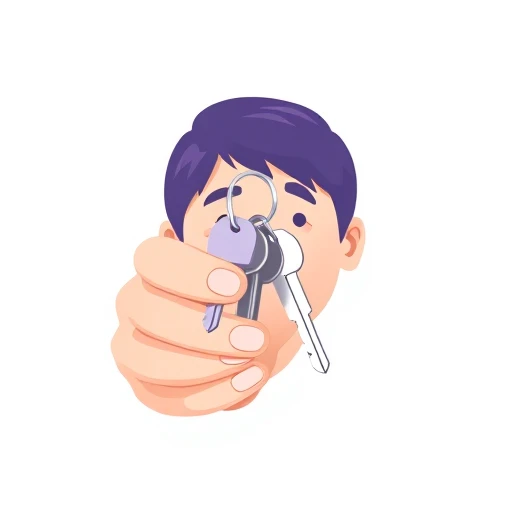
to have در ۳۰ ثانیه
- A fundamental verb used to show ownership, relationships, and physical characteristics.
- Functions as a key auxiliary verb for creating perfect tenses (e.g., present perfect).
- Expresses necessity or obligation when used in the 'have to' construction.
- Commonly used in everyday collocations for activities like eating, washing, or resting.
The verb to have is one of the most fundamental and versatile pillars of the English language. At its most basic level, it denotes possession or ownership, but its utility extends far beyond merely holding a physical object. It serves as a primary auxiliary verb, a marker of experience, a component of modal necessity, and a tool for describing relationships and characteristics. Understanding 'to have' is essential for any learner because it appears in nearly every conversation, from the simplest A1 greetings to the most complex C2 academic discourses. When we say 'I have a book,' we are speaking of physical possession. However, when we say 'I have a dream,' we are speaking of an internal state or an abstract concept. This duality makes it a fascinating study in linguistic flexibility.
- Possession
- This is the most common use, indicating that someone owns something or that something belongs to them. For example, 'She has a red car' or 'They have a large house.'
I have two sisters and one brother who live in London.
Beyond physical objects, 'to have' is used to describe relationships, such as family members or colleagues. It is also the go-to verb for describing physical attributes or ailments. If you have blue eyes, a headache, or a cold, you use this verb. In these contexts, 'have' functions as a stative verb, meaning it describes a state rather than an action. This is why we typically do not use it in the continuous form when expressing possession; saying 'I am having a car' is grammatically incorrect in standard English. However, the verb transforms into a dynamic action verb when used in phrases like 'having breakfast' or 'having a party,' where it implies participating in an activity.
- Auxiliary Function
- In the perfect tenses, 'have' acts as a helper. It combines with a past participle to show that an action was completed before a certain point in time, such as 'I have finished my work.'
We have traveled to over twenty countries in the last five years.
Furthermore, 'to have' is used to express obligation when paired with 'to.' The phrase 'I have to go' indicates a necessity or a requirement imposed by external circumstances. This modal-like use is distinct from possession and is a vital part of daily communication. In more advanced contexts, 'have' is used in causative constructions, such as 'I had my hair cut,' which means someone else performed the action for you. This multifaceted nature makes 'to have' an indispensable tool for expressing everything from basic needs to complex social arrangements and temporal relationships.
You have to see this movie; it is absolutely incredible!
- Experience and Action
- When used with nouns like 'shower,' 'dinner,' or 'argument,' the verb describes an experience or an activity. In these cases, it can be used in the continuous form: 'I am having a shower.'
They are having a great time at the summer festival.
The company has a strict policy regarding late arrivals.
Using 'to have' correctly requires an understanding of its various grammatical roles. As a main verb, it follows the standard subject-verb-object pattern. For example, 'I have a cat.' In the present tense, it changes to 'has' for the third-person singular. In the past tense, it becomes 'had' for all subjects. This simplicity in conjugation is one reason why it is taught early in English curricula. However, the complexity arises when we look at negative sentences and questions. In modern English, we usually require the auxiliary verb 'do' to form negatives and questions with 'have' as a main verb: 'I do not have a car' or 'Do you have the time?' This is a departure from older forms of English where one might say 'I have not a car,' which now sounds archaic or highly formal.
- Negative Forms
- To negate possession, use 'do not have' or 'does not have.' Example: 'He does not have his keys.' In informal speech, this is often contracted to 'don't have' or 'doesn't have.'
She doesn't have any interest in joining the committee this year.
When 'have' is used as an auxiliary verb in the perfect tenses, the rules change. In these cases, we do not use 'do.' Instead, we place 'not' directly after 'have.' For example, 'I have not seen that movie' or 'She has not finished her dinner.' Similarly, in questions, the auxiliary 'have' moves to the front of the sentence: 'Have you seen my keys?' This distinction between 'have' as a main verb and 'have' as an auxiliary is a critical milestone for learners. Mixing them up is a common error. For instance, saying 'Have you a car?' is technically correct in some British dialects but 'Do you have a car?' is the standard form globally. Mastering these patterns allows for much more fluid and natural-sounding communication in both spoken and written English.
- Question Formation
- Use 'Do/Does' for main verb questions: 'Does she have a map?' Use 'Have/Has' for auxiliary questions: 'Has she found the map?'
Why do you have so many empty boxes in the garage?
Another important structure is the 'have + object + past participle' causative form. This is used when you arrange for someone else to do something for you. For example, 'I had my car washed' implies that I didn't wash it myself, but paid or asked someone else to do it. This is a very common way to describe services. Additionally, 'have' is used in many fixed expressions where it replaces other verbs. Instead of 'eat breakfast,' we often say 'have breakfast.' Instead of 'experience a problem,' we say 'have a problem.' These collocations are the key to sounding like a native speaker. By learning which nouns 'have' likes to pair with, you can significantly expand your expressive range without needing to learn hundreds of new verbs.
We have our groceries delivered every Tuesday morning.
- Causative Use
- Structure: Subject + have + object + past participle. Used for services or actions done by others. Example: 'I had my house painted.'
She had her assistant book the flights for the conference.
In daily life, 'to have' is ubiquitous. You will hear it in the supermarket ('Do you have any organic milk?'), at the doctor's office ('I have a sharp pain in my shoulder'), and in the workplace ('We have a meeting at ten'). It is the language of logistics, health, and social interaction. In informal settings, the contractions 'I've,' 'you've,' 'he's,' and 'she's' are the standard. In fact, hearing someone say 'I have seen it' instead of 'I've seen it' can often sound overly emphatic or formal. In movies and television, 'have' is used to drive plots forward through the expression of needs and obligations: 'We have to get out of here!' or 'I have a plan.' It is also central to the language of storytelling, particularly when using the present perfect to link past events to the present moment.
- Daily Transactions
- Used constantly when shopping or ordering food. 'Can I have the bill, please?' or 'Do you have this in a medium?'
I'll have the steak with a side of roasted vegetables, please.
In academic and professional environments, 'to have' takes on a more structural role. It is used to describe the components of a system ('The engine has three main parts') or the requirements of a project ('The proposal has to be submitted by Friday'). In research papers, the present perfect ('Researchers have found that...') is the standard way to introduce existing knowledge or previous studies. This demonstrates the verb's importance in establishing a timeline of human knowledge. Furthermore, in legal and formal documents, 'have' is used to define rights and responsibilities: 'The tenant has the right to quiet enjoyment of the property.' Whether you are reading a high-level contract or a comic book, 'to have' is the connective tissue that holds the sentences together, defining what exists, what is required, and what has occurred.
- Professional Use
- Used to describe features, requirements, and historical context in business settings. 'Our product has several unique advantages over the competition.'
The board has decided to postpone the merger until next quarter.
Culturally, 'to have' is embedded in many famous quotes and idioms. From Martin Luther King Jr.'s 'I Have a Dream' to the common expression 'to have your cake and eat it too,' the verb is used to express deep desires and the complexities of choice. In music, 'have' is a staple in lyrics about love and loss: 'I have nothing if I don't have you.' This emotional weight shows that 'have' is not just a dry, functional word; it is a vehicle for expressing the human condition. Whether it's the possession of a physical object, the experience of an emotion, or the weight of a responsibility, 'to have' is the primary way English speakers articulate their relationship with the world around them. Its frequency in the language—ranking as the second most common verb after 'to be'—is a testament to its absolute necessity in every possible context of human communication.
You have my word that I will help you through this difficult time.
- Idiomatic Use
- Many common expressions use 'have' in ways that aren't literal. 'To have a go' (to try), 'to have a heart' (to be kind), or 'to have a cow' (to get very upset).
Don't have a cow! It was just a small mistake and we can fix it easily.
One of the most frequent errors for learners is the confusion between 'have' and 'be,' particularly regarding age and physical states. In many Romance and Germanic languages, one 'has' hunger, thirst, or a certain age. In English, however, we 'are' hungry, 'are' thirsty, and 'are' twenty years old. Saying 'I have twenty years' is a classic 'false friend' error that immediately identifies a non-native speaker. Another common mistake involves the third-person singular form. Learners often forget to change 'have' to 'has' for 'he,' 'she,' and 'it.' While 'he have' might be understood, it is a significant grammatical error that can affect the perceived level of the speaker's proficiency. Consistent practice with subject-verb agreement is the only way to eliminate this habit.
- Age and States
- Incorrect: 'I have 25 years.' Correct: 'I am 25 years old.' Incorrect: 'I have hunger.' Correct: 'I am hungry.'
She is thirty years old, not 'She has thirty years.'
Another area of difficulty is the use of 'have' in the continuous (ing) form. As mentioned previously, 'have' is a stative verb when it indicates possession. Therefore, 'I am having a car' or 'She is having a brother' are incorrect. However, 'have' becomes a dynamic verb when it refers to an action or experience. This means 'I am having lunch' or 'We are having a party' are perfectly correct. Distinguishing between these two uses is vital. Furthermore, the formation of questions and negatives often trips up students. Forgetting the auxiliary 'do' in questions like 'Have you a pen?' (which is rare in modern American English) or 'I haven't a pen' can make a speaker sound outdated. The standard 'Do you have...?' and 'I don't have...' should be the default for learners to ensure they sound natural in most contexts.
- Stative vs. Dynamic
- Don't use '-ing' for possession. Incorrect: 'I am having a house.' Correct: 'I have a house.' Use '-ing' for actions. Correct: 'I am having a bath.'
We are having a meeting right now, so I cannot talk to you.
Finally, the causative 'have' is a high-level structure that is often avoided or misused. Learners might say 'I cut my hair' when they actually went to a barber. In English, 'I cut my hair' literally means you took the scissors and did it yourself. To express that you paid for the service, you must use 'I had my hair cut.' Similarly, the present perfect tense (have + past participle) is often confused with the simple past. Using 'I have seen him yesterday' is incorrect because the present perfect cannot be used with specific past time markers like 'yesterday' or 'last week.' Instead, you should say 'I saw him yesterday' or 'I have seen him.' Mastering these nuances—the difference between possession and action, the correct use of auxiliaries, and the specific rules of the causative and perfect tenses—is what separates a basic user of 'to have' from a truly proficient English speaker.
I had my car repaired last week because the engine was making a noise.
- Perfect Tense Timing
- Do not use 'have' + past participle with specific times. Incorrect: 'I have eaten an hour ago.' Correct: 'I ate an hour ago' or 'I have eaten.'
They have already finished the project, so they are going home early.
While 'to have' is the most common way to express possession, English offers several alternatives that can add precision or formality to your speech. The most direct synonym is 'to possess,' which is much more formal and often used in legal or technical contexts. For example, 'The suspect was found to possess a stolen firearm.' Another alternative is 'to own,' which specifically emphasizes legal title or property rights. You might 'have' a cold, but you 'own' a house. 'To hold' is another related verb, often used for physical grip or for abstract concepts like holding a belief or holding a position in a company. In informal British English, 'to have got' is the most frequent alternative, though it is used primarily in the present tense and functions identically to 'have' for possession.
- Have vs. Own
- 'Have' is general. 'Own' is for property. You have a sister, but you don't own her. You have a car, and you also own it.
The university owns several large tracts of land in the city center.
When 'have' is used to mean 'eat' or 'consume,' alternatives like 'consume,' 'devour,' or 'partake of' can be used depending on the desired register. 'Consume' is neutral to formal, 'devour' implies eating hungrily, and 'partake of' is very formal or old-fashioned. In the context of obligation ('have to'), alternatives include 'must,' 'need to,' and 'ought to.' 'Must' is stronger and often implies internal or authoritative necessity, while 'have to' often implies external circumstances. 'Need to' emphasizes the necessity of the action for a specific purpose. Understanding these subtle differences allows you to choose the word that best fits the situation. For example, 'I have to go' sounds like a simple fact, while 'I must go' sounds more urgent or personally determined.
- Have vs. Possess
- 'Possess' is formal and often implies a quality or a specific item. 'She possesses a rare talent for music' sounds more impressive than 'She has a talent.'
He possesses all the qualities we are looking for in a new manager.
Finally, consider the verb 'to contain' when describing what is inside something. Instead of 'The box has three toys,' you could say 'The box contains three toys.' This is more precise when discussing physical capacity. Similarly, 'to include' is used when 'have' refers to parts of a whole: 'The price includes breakfast' is more specific than 'The price has breakfast.' By expanding your vocabulary to include these alternatives, you can avoid overusing 'have' and make your English sound more sophisticated and varied. However, remember that 'have' is never 'wrong' in these contexts; it is simply the most general option. As you progress from A1 to C2, your goal should be to move from the general ('have') to the specific ('possess,' 'contain,' 'include,' 'own') when the context allows for it.
The package includes a two-year warranty and free technical support.
- Have vs. Include
- Use 'include' when something is part of a larger group or set. 'The menu includes several vegetarian options' is better than 'The menu has...'
Does the total price include the cost of shipping and handling?
چقدر رسمی است؟
نکته جالب
Despite its similarity to the Latin 'habere', the two words are not directly related. They are 'cognates' that evolved separately from different roots.
راهنمای تلفظ
- Dropping the 'h' sound (common in some dialects but avoid in standard speech).
- Pronouncing the 'v' as an 'f'.
- Over-stressing the verb when it is acting as an auxiliary.
- Confusing the pronunciation of 'has' /hæz/ and 'have' /hæv/.
- Muttering the word so it sounds like 'of' (e.g., 'should of' instead of 'should have').
سطح دشواری
Very easy to recognize as it appears in almost every sentence.
Slightly harder due to third-person singular 'has' and perfect tense rules.
Contractions and idiomatic uses can be challenging for beginners.
Often reduced or contracted in fast speech, making it hard to hear.
بعداً چه یاد بگیریم؟
پیشنیازها
بعداً یاد بگیرید
پیشرفته
گرامر لازم
Subject-Verb Agreement
He has (not have) a car.
Present Perfect Tense
I have seen that movie.
Stative vs Dynamic Verbs
I have a car (stative) vs I am having lunch (dynamic).
Causative Have
I had my hair cut.
Modal of Obligation
I have to leave now.
مثالها بر اساس سطح
I have a big blue umbrella.
J'ai un grand parapluie bleu.
Present simple use of 'have' for possession.
She has two cats and a dog.
Elle a deux chats et un chien.
Third-person singular 'has'.
Do you have a pen?
As-tu un stylo ?
Question form using the auxiliary 'do'.
They don't have a car.
Ils n'ont pas de voiture.
Negative form using 'do not'.
I have a headache today.
J'ai mal à la tête aujourd'hui.
Using 'have' for physical ailments.
We have breakfast at 8 AM.
Nous prenons le petit-déjeuner à 8h.
'Have' used for eating a meal.
He has blue eyes.
Il a les yeux bleus.
Using 'has' for physical descriptions.
Have a nice day!
Passe une bonne journée !
Common fixed expression.
I had a great time at the party last night.
Je me suis bien amusé à la fête hier soir.
Past simple 'had' for an experience.
We have to wear a uniform at work.
Nous devons porter un uniforme au travail.
'Have to' expressing obligation.
She has got a new job in London.
Elle a trouvé un nouveau travail à Londres.
'Has got' for possession/achievement (informal).
Did you have a good flight?
As-tu fait un bon voyage ?
Past simple question form.
I didn't have any money for the bus.
Je n'avais pas d'argent pour le bus.
Past simple negative form.
They are having a meeting in the conference room.
Ils sont en réunion dans la salle de conférence.
Present continuous for an action.
He has to get up early every morning.
Il doit se lever tôt chaque matin.
'Has to' for third-person singular obligation.
We had a delicious dinner at the Italian restaurant.
Nous avons pris un délicieux dîner au restaurant italien.
Past simple 'had' for a meal.
I have already seen that movie twice.
J'ai déjà vu ce film deux fois.
Present perfect auxiliary use.
She has been working here for five years.
Elle travaille ici depuis cinq ans.
Present perfect continuous auxiliary.
I need to have my car serviced next week.
Je dois faire réviser ma voiture la semaine prochaine.
Causative 'have' (have + object + past participle).
Have you ever tried sushi?
As-tu déjà goûté aux sushis ?
Present perfect question about experience.
He had finished his homework before dinner.
Il avait fini ses devoirs avant le dîner.
Past perfect auxiliary.
We're having our house painted this summer.
Nous faisons peindre notre maison cet été.
Causative 'have' in the continuous form.
I'll have a look at the report and let you know.
Je vais jeter un coup d'œil au rapport et je vous tiendrai au courant.
Common collocation 'have a look'.
They haven't arrived yet.
Ils ne sont pas encore arrivés.
Present perfect negative.
By this time next year, I will have graduated.
À cette époque l'année prochaine, j'aurai obtenu mon diplôme.
Future perfect auxiliary.
I had had a long day, so I went to bed early.
J'avais eu une longue journée, alors je me suis couché tôt.
Past perfect (auxiliary 'had' + main verb 'had').
She's having trouble understanding the new software.
Elle a du mal à comprendre le nouveau logiciel.
Dynamic use of 'have' for an ongoing experience.
The company has had to cut costs due to the recession.
L'entreprise a dû réduire ses coûts en raison de la récession.
Present perfect of 'have to' for obligation.
I'd rather have the meeting on Thursday if possible.
Je préférerais avoir la réunion jeudi si possible.
Using 'have' with 'would rather'.
He must have left his keys at the office.
Il a dû laisser ses clés au bureau.
Modal of deduction (must + have + past participle).
They were having an argument when I walked in.
Ils se disputaient quand je suis entré.
Past continuous for a dynamic action.
I've had enough of this cold weather!
J'en ai assez de ce temps froid !
Idiomatic expression 'have had enough'.
Had I known about the traffic, I would have left earlier.
Si j'avais su pour le trafic, je serais parti plus tôt.
Inverted third conditional with auxiliary 'had'.
The researchers have yet to find a definitive cure.
Les chercheurs n'ont pas encore trouvé de remède définitif.
Formal structure 'have yet to' for something not yet done.
She has a way of making everyone feel at ease.
Elle a le don de mettre tout le monde à l'aise.
Abstract possession of a quality or talent.
I'll have my assistant follow up with you on that matter.
Je demanderai à mon assistant de faire le suivi avec vous à ce sujet.
Causative 'have' (have + person + base verb).
The city has undergone significant changes in recent years.
La ville a subi des changements importants ces dernières années.
Present perfect for historical trends.
He has it in for me ever since I got the promotion.
Il m'en veut depuis que j'ai eu la promotion.
Idiom 'to have it in for someone'.
We have no choice but to accept the terms of the contract.
Nous n'avons pas d'autre choix que d'accepter les termes du contrat.
Fixed expression 'have no choice but to'.
The film has a certain 'je ne sais quoi' that makes it unique.
Le film a un certain 'je ne sais quoi' qui le rend unique.
Using 'have' to describe an elusive quality.
To have and to hold from this day forward.
Posséder et garder à partir de ce jour.
Archaic/Formal ritualistic use in wedding vows.
The implications of this policy have yet to be fully realized.
Les implications de cette politique ne sont pas encore pleinement réalisées.
Passive 'have yet to' in formal academic register.
He had the audacity to suggest that I was responsible.
Il a eu l'audace de suggérer que j'étais responsable.
Using 'have' with abstract nouns for emphasis.
The witness was found to have had prior knowledge of the crime.
Il a été établi que le témoin avait une connaissance préalable du crime.
Perfect infinitive 'to have had' in a formal report.
I would have thought that you, of all people, would understand.
J'aurais pensé que toi, entre tous, tu comprendrais.
Complex modal structure for rhetorical effect.
The house has stood on this hill for over three centuries.
La maison se dresse sur cette colline depuis plus de trois siècles.
Present perfect for long-term states.
Having said that, we must still consider the alternative.
Ceci étant dit, nous devons encore envisager l'alternative.
Perfect participle 'Having said' as a discourse marker.
She has but a few moments to make her final decision.
Elle n'a que quelques instants pour prendre sa décision finale.
Literary use of 'has but' meaning 'has only'.
ترکیبهای رایج
عبارات رایج
— To try doing something, especially for the first time. It is very common in informal British English.
I've never played golf before, but I'll have a go.
— To be kind or show mercy to someone. Usually used as a plea.
Have a heart and let him stay for one more night.
— To speak to someone briefly, often to discuss a specific issue or give advice.
I need to have a word with the manager about my schedule.
— To possess everything one could desire, such as wealth, health, and a happy family.
She seems to have it all: a great career and a wonderful home.
— To be completely unaware of something or not understand it at all.
I have no idea where I left my car keys.
— To know what time it is or to have enough free time to do something.
Do you have the time? My watch has stopped.
— To have a very enjoyable and exciting experience.
We had a blast at the concert last night!
— A polite way to invite someone to sit down.
Please, have a seat and the doctor will be with you shortly.
— To suspect something or have an intuition about a situation.
I have a feeling that it's going to rain today.
— To have the right to express an opinion or be involved in a decision.
Employees should have a say in how the company is run.
اغلب اشتباه گرفته میشود با
Used for age and states (hungry, thirsty) where other languages use 'have'.
Often used interchangeably in informal speech (I got a car vs I have a car).
Commonly confused in writing (should of vs should have).
اصطلاحات و عبارات
— To want to have two things that are mutually exclusive or impossible to have at the same time.
You can't work part-time and expect a full-time salary; you can't have your cake and eat it too.
informal— To have a reason to argue or complain to someone about something they did.
I have a bone to pick with you regarding the mess in the kitchen.
informal— To become extremely upset, angry, or worried about something.
My mom will have a cow if she finds out I broke the vase.
slang— To have more important or more interesting things to do.
I can't help you with your homework right now; I have other fish to fry.
informal— To be very good at gardening and making plants grow.
Look at her garden! She really has a green thumb.
informal— To be in a position of advantage or control over someone else.
After the latest negotiations, the union seems to have the upper hand.
neutral— To be very busy or involved with many difficult tasks.
With three young children and a full-time job, she definitely has her hands full.
informal— To change your opinion or feelings about something.
He was going to sell the house, but he had a change of heart at the last minute.
neutral— To be very sensitive to criticism or insults.
You shouldn't be a politician if you have a thin skin.
informal— To ultimately succeed or be proven right after others have doubted or mocked you.
They laughed at his invention, but he had the last laugh when it became a global success.
neutralبهراحتی اشتباه گرفته میشود
Both indicate possession.
'Own' is specifically for legal property; 'have' is for anything you possess or experience.
I have a cold (not own), but I own a car (and have it).
Both indicate possession.
'Possess' is much more formal and often refers to qualities or specific items.
She possesses great wisdom.
Both can mean to have something.
'Hold' usually implies a physical grip or a temporary state.
Hold my bag for a second.
Both describe what is inside something.
'Contain' is more precise for capacity and physical contents.
The jar contains honey.
Both describe parts of a whole.
'Include' is used when something is one part of a larger group.
The set includes five tools.
الگوهای جملهسازی
Subject + have/has + noun
I have a dog.
Subject + have/has + to + verb
I have to study.
Subject + have/has + past participle
I have finished.
Subject + have + object + past participle
I had my car fixed.
Subject + had + past participle
I had already left.
Subject + will have + past participle
I will have arrived.
Having + past participle, ...
Having seen the news, I called him.
Subject + have + but + noun
I have but one wish.
خانواده کلمه
اسمها
فعلها
مرتبط
نحوه استفاده
Extremely high; it is the 2nd most common verb in English.
-
I have 20 years old.
→
I am 20 years old.
In English, we use the verb 'to be' to express age, not 'to have'.
-
He have a dog.
→
He has a dog.
The third-person singular form of 'have' is 'has'.
-
I am having a big house.
→
I have a big house.
When 'have' means possession, it is a stative verb and cannot be used in the continuous form.
-
Have you a pen?
→
Do you have a pen?
In modern English, we use the auxiliary 'do' to form questions with 'have' as a main verb.
-
I have seen him yesterday.
→
I saw him yesterday.
The present perfect (have seen) cannot be used with specific past time markers like 'yesterday'.
نکات
Third Person Rule
Always remember to use 'has' for he, she, and it. It is one of the most common mistakes for beginners.
Use Contractions
To sound like a native speaker, use 'I've', 'you've', and 'he's' in casual conversation.
Learn Collocations
Instead of just learning 'have', learn phrases like 'have a look', 'have a chat', and 'have a rest'.
Formal Alternatives
In formal essays, try using 'possess' or 'contain' instead of 'have' to vary your vocabulary.
Listen for 'Hafta'
When people say 'have to' quickly, it sounds like 'hafta'. Training your ear for this will help your comprehension.
Perfect Tense Auxiliary
When 'have' is a helper verb, don't use 'do' for questions or negatives. Say 'Have you finished?' not 'Do you have finished?'
Age with 'Be'
Never use 'have' for age in English. Always use 'to be'. 'I am 20', not 'I have 20'.
Stative vs Dynamic
Don't use '-ing' when you are talking about owning something. 'I have a car', not 'I am having a car'.
Visual Link
Visualize yourself holding an object whenever you use 'have' for possession.
Daily Journaling
Write three things you 'have to' do every morning to practice the obligation form.
حفظ کنید
روش یادسپاری
Think of a 'Hand' that 'Has' things. Both start with 'Ha'. If you can hold it in your hand, you have it.
تداعی تصویری
Imagine a person with huge pockets overflowing with various items: a car, a cat, a sandwich, and a clock. They 'have' everything.
شبکه واژگان
چالش
Try to write ten sentences using 'have' in ten different ways: possession, family, illness, meal, auxiliary, obligation, causative, idiom, physical trait, and experience.
ریشه کلمه
Derived from the Old English 'habban', which means to hold, possess, or keep. It is a core Germanic verb.
معنای اصلی: To seize, lay hold of, or contain.
Germanic (Indo-European)بافت فرهنگی
Be careful when using 'have' to describe people (e.g., 'I have a girlfriend'); while standard, some may prefer more egalitarian language in specific contexts.
The use of 'have got' is much more prevalent in the UK than in the US, where 'have' is preferred for possession.
تمرین در زندگی واقعی
موقعیتهای واقعی
At a restaurant
- Can I have the menu?
- I'll have the soup.
- Do you have any specials?
- Can we have the bill?
At the doctor
- I have a fever.
- I have a pain here.
- How long have you had this?
- I have an allergy.
At work
- We have a deadline.
- Do you have a minute?
- I have a question.
- He has the report.
Family and Home
- I have two kids.
- Do you have a garden?
- We have a big family.
- She has a new house.
Travel
- Do you have your passport?
- I have a reservation.
- We have a flight at ten.
- Have a safe trip!
شروعکنندههای مکالمه
"Do you have any plans for the weekend?"
"What kind of hobbies do you have?"
"Do you have any pets at home?"
"How many siblings do you have?"
"Have you ever been to a music festival?"
موضوعات نگارش
Write about three things you have that you are very grateful for.
Describe a time when you had to make a very difficult decision.
What are some goals you have for the next five years?
List the qualities you think a good friend should have.
Describe your dream house and what it would have inside.
سوالات متداول
10 سوالBoth are correct. 'I have' is more common in American English and formal writing. 'I have got' is very common in informal British English. For example, 'I have a car' and 'I've got a car' mean the same thing.
Use 'has' for the third-person singular subjects: he, she, it, or a single name like 'John' or 'The company'. For example, 'She has a cat' or 'The dog has a bone'. For all other subjects (I, you, we, they), use 'have'.
No, you cannot use the continuous (-ing) form of 'have' for possession. You should say 'I have a car'. You only use 'having' for actions or experiences, like 'I am having lunch' or 'We are having a good time'.
'Have to' expresses obligation or necessity. It means you must do something because of a rule or a situation. For example, 'I have to go to work' means it is necessary for me to go.
As a main verb, use 'do' or 'does': 'Do you have a pen?' As an auxiliary verb in the perfect tense, move 'have' to the front: 'Have you seen the movie?'
No, it is never correct. It is a common mistake because 'should have' sounds like 'should of' when spoken quickly. You should always write 'should have' or the contraction 'should've'.
The past tense is 'had' for all subjects. For example, 'I had a bike when I was young' or 'They had a meeting yesterday'.
It is a structure used when you arrange for someone else to do something for you. The pattern is 'have + object + past participle'. For example, 'I had my hair cut' means a barber cut my hair for me.
Yes, 'have' is very commonly used to mean 'eat' or 'drink'. For example, 'I'll have the pizza' or 'Let's have some coffee'. In this context, you can use the continuous form: 'I'm having dinner'.
'Must' often implies a personal feeling of necessity or a very strong command. 'Have to' often implies that the necessity comes from outside, like a law or a schedule. In daily speech, they are often used interchangeably.
خودت رو بسنج 180 سوال
Write a sentence using 'have' to show possession.
خوب نوشتید! تلاش خوبی بود! پاسخ نمونه را ببینید.
Write a sentence using 'has' for a third-person singular subject.
خوب نوشتید! تلاش خوبی بود! پاسخ نمونه را ببینید.
Write a question asking someone if they possess an item.
خوب نوشتید! تلاش خوبی بود! پاسخ نمونه را ببینید.
Write a sentence using 'have to' for an obligation.
خوب نوشتید! تلاش خوبی بود! پاسخ نمونه را ببینید.
Write a sentence in the present perfect tense using 'have'.
خوب نوشتید! تلاش خوبی بود! پاسخ نمونه را ببینید.
Write a causative sentence using 'had'.
خوب نوشتید! تلاش خوبی بود! پاسخ نمونه را ببینید.
Write a sentence using 'having' for an action.
خوب نوشتید! تلاش خوبی بود! پاسخ نمونه را ببینید.
Write a sentence using the idiom 'have a look'.
خوب نوشتید! تلاش خوبی بود! پاسخ نمونه را ببینید.
Write a sentence using 'had had'.
خوب نوشتید! تلاش خوبی بود! پاسخ نمونه را ببینید.
Write a formal sentence using 'possess' instead of 'have'.
خوب نوشتید! تلاش خوبی بود! پاسخ نمونه را ببینید.
Write a sentence using 'have' to describe a physical trait.
خوب نوشتید! تلاش خوبی بود! پاسخ نمونه را ببینید.
Write a sentence using 'have' to describe a family relationship.
خوب نوشتید! تلاش خوبی بود! پاسخ نمونه را ببینید.
Write a negative sentence using 'does not have'.
خوب نوشتید! تلاش خوبی بود! پاسخ نمونه را ببینید.
Write a sentence using 'have a word'.
خوب نوشتید! تلاش خوبی بود! پاسخ نمونه را ببینید.
Write a sentence using 'have a blast'.
خوب نوشتید! تلاش خوبی بود! پاسخ نمونه را ببینید.
Write a sentence using 'have no idea'.
خوب نوشتید! تلاش خوبی بود! پاسخ نمونه را ببینید.
Write a sentence using 'have a change of heart'.
خوب نوشتید! تلاش خوبی بود! پاسخ نمونه را ببینید.
Write a sentence using 'have yet to'.
خوب نوشتید! تلاش خوبی بود! پاسخ نمونه را ببینید.
Write a sentence using 'having said that'.
خوب نوشتید! تلاش خوبی بود! پاسخ نمونه را ببینید.
Write a sentence using 'have' in a wedding vow context.
خوب نوشتید! تلاش خوبی بود! پاسخ نمونه را ببینید.
Say 'I have a dog' out loud.
این را بلند بخوانید:
تو گفتی:
تشخیص گفتار در مرورگر شما پشتیبانی نمیشود. از کروم یا اج استفاده کنید.
Say 'She has a cat' out loud.
این را بلند بخوانید:
تو گفتی:
تشخیص گفتار در مرورگر شما پشتیبانی نمیشود. از کروم یا اج استفاده کنید.
Ask 'Do you have a pen?'
این را بلند بخوانید:
تو گفتی:
تشخیص گفتار در مرورگر شما پشتیبانی نمیشود. از کروم یا اج استفاده کنید.
Say 'I have to go' out loud.
این را بلند بخوانید:
تو گفتی:
تشخیص گفتار در مرورگر شما پشتیبانی نمیشود. از کروم یا اج استفاده کنید.
Say 'I've finished' using the contraction.
این را بلند بخوانید:
تو گفتی:
تشخیص گفتار در مرورگر شما پشتیبانی نمیشود. از کروم یا اج استفاده کنید.
Say 'He's got a car' using the contraction.
این را بلند بخوانید:
تو گفتی:
تشخیص گفتار در مرورگر شما پشتیبانی نمیشود. از کروم یا اج استفاده کنید.
Say 'I'm having lunch' out loud.
این را بلند بخوانید:
تو گفتی:
تشخیص گفتار در مرورگر شما پشتیبانی نمیشود. از کروم یا اج استفاده کنید.
Say 'Have a nice day!' with a friendly tone.
این را بلند بخوانید:
تو گفتی:
تشخیص گفتار در مرورگر شما پشتیبانی نمیشود. از کروم یا اج استفاده کنید.
Say 'I had a great time' out loud.
این را بلند بخوانید:
تو گفتی:
تشخیص گفتار در مرورگر شما پشتیبانی نمیشود. از کروم یا اج استفاده کنید.
Say 'Have you seen it?' out loud.
این را بلند بخوانید:
تو گفتی:
تشخیص گفتار در مرورگر شما پشتیبانی نمیشود. از کروم یا اج استفاده کنید.
Say 'I've had enough' with emphasis.
این را بلند بخوانید:
تو گفتی:
تشخیص گفتار در مرورگر شما پشتیبانی نمیشود. از کروم یا اج استفاده کنید.
Say 'I have no idea' out loud.
این را بلند بخوانید:
تو گفتی:
تشخیص گفتار در مرورگر شما پشتیبانی نمیشود. از کروم یا اج استفاده کنید.
Say 'She has blue eyes' out loud.
این را بلند بخوانید:
تو گفتی:
تشخیص گفتار در مرورگر شما پشتیبانی نمیشود. از کروم یا اج استفاده کنید.
Say 'We have a meeting' out loud.
این را بلند بخوانید:
تو گفتی:
تشخیص گفتار در مرورگر شما پشتیبانی نمیشود. از کروم یا اج استفاده کنید.
Say 'Can I have the bill?' out loud.
این را بلند بخوانید:
تو گفتی:
تشخیص گفتار در مرورگر شما پشتیبانی نمیشود. از کروم یا اج استفاده کنید.
Say 'I had my car fixed' out loud.
این را بلند بخوانید:
تو گفتی:
تشخیص گفتار در مرورگر شما پشتیبانی نمیشود. از کروم یا اج استفاده کنید.
Say 'He must have forgotten' out loud.
این را بلند بخوانید:
تو گفتی:
تشخیص گفتار در مرورگر شما پشتیبانی نمیشود. از کروم یا اج استفاده کنید.
Say 'Having said that' as a transition.
این را بلند بخوانید:
تو گفتی:
تشخیص گفتار در مرورگر شما پشتیبانی نمیشود. از کروم یا اج استفاده کنید.
Say 'I have a dream' with passion.
این را بلند بخوانید:
تو گفتی:
تشخیص گفتار در مرورگر شما پشتیبانی نمیشود. از کروم یا اج استفاده کنید.
Say 'Have a seat, please' politely.
این را بلند بخوانید:
تو گفتی:
تشخیص گفتار در مرورگر شما پشتیبانی نمیشود. از کروم یا اج استفاده کنید.
Listen and write: 'I have a pen.'
Listen and write: 'She has a cat.'
Listen and write: 'Do you have the time?'
Listen and write: 'I have to go now.'
Listen and write: 'I've seen that movie.'
Listen and write: 'He's got a new job.'
Listen and write: 'We're having a party.'
Listen and write: 'I had a great time.'
Listen and write: 'Have a nice day!'
Listen and write: 'I have no idea.'
Listen and write: 'She has blue eyes.'
Listen and write: 'I had my hair cut.'
Listen and write: 'They haven't arrived yet.'
Listen and write: 'I've had enough.'
Listen and write: 'Having said that...'
/ 180 درست
نمره کامل!
Summary
The verb 'to have' is the Swiss Army knife of English; it handles possession, helps build complex tenses, and expresses daily actions and obligations. Mastering its forms (have/has/had) and its dual role as a main and auxiliary verb is the foundation of English fluency.
- A fundamental verb used to show ownership, relationships, and physical characteristics.
- Functions as a key auxiliary verb for creating perfect tenses (e.g., present perfect).
- Expresses necessity or obligation when used in the 'have to' construction.
- Commonly used in everyday collocations for activities like eating, washing, or resting.
Third Person Rule
Always remember to use 'has' for he, she, and it. It is one of the most common mistakes for beginners.
Use Contractions
To sound like a native speaker, use 'I've', 'you've', and 'he's' in casual conversation.
Learn Collocations
Instead of just learning 'have', learn phrases like 'have a look', 'have a chat', and 'have a rest'.
Formal Alternatives
In formal essays, try using 'possess' or 'contain' instead of 'have' to vary your vocabulary.
مثال
I have two sisters.
محتوای مرتبط
آن را در متن یاد بگیرید
این کلمه در زبانهای دیگر
عبارات مرتبط
واژههای بیشتر general
a lot of
A2مقدار زیادی یا تعداد زیادی از چیزی.
about
A1درباره ؛ در مورد چیزی. مثال: کتابی درباره حیوانات.
above
A2به معنی بالاتر از چیزی دیگر، درست بالای آن.
accident
A2تصادف یک اتفاق غیرمنتظره است که باعث آسیب یا صدمه میشود.
action
A2عمل یا اقدام، فرآیند انجام کاری برای دستیابی به یک هدف است.
after
A2بعد از شام، به پیادهروی رفتیم.
afterward
A2ما شام خوردیم و بعد از آن به پیاده روی رفتیم.
again
A2کلمه 'again' به معنای 'دوباره' یا 'مجدداً' است. برای نشان دادن تکرار یک عمل استفاده میشود.
aged
B1در سن مشخص؛ سالخورده یا کهنه شده. پنیر کهنه خوشمزه است.
alive
A2زنده، نه مرده. مثال: 'ماهی هنوز زنده است.'

