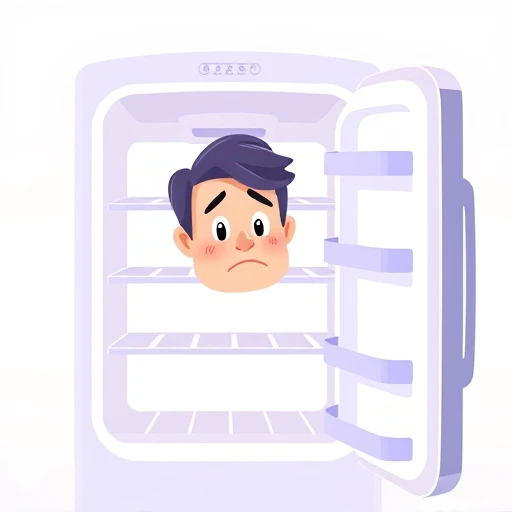
wanting در ۳۰ ثانیه
- Describes something that is not good enough or is missing a key part.
- Commonly used in the formal phrase 'found wanting' to show failure.
- Often followed by 'in' to specify what exactly is missing (e.g., 'wanting in detail').
- Can also mean 'needing' or 'yearning' in more poetic or older contexts.
The adjective wanting is a sophisticated and nuanced term in the English language that primarily functions to describe a state of deficiency, inadequacy, or the absence of a required quality. While many learners first encounter 'want' as a verb meaning to desire, the adjectival form 'wanting' carries a heavier, often more critical weight. When we describe something as wanting, we are not merely saying it is missing; we are often implying that it has failed to meet a specific standard, expectation, or necessity. This word bridges the gap between simple absence and qualitative failure. For instance, if a plan is described as wanting, it suggests that the plan lacks the necessary details or logic to succeed. It is frequently used in formal evaluations, literary critiques, and philosophical discussions to pinpoint the exact moment where something falls short of its potential or its duty. The word evokes a sense of a vacuum or a hole that needs to be filled. In a more emotional or psychological context, 'wanting' can describe a persistent feeling of yearning or incompleteness, where an individual feels that a vital part of their existence or happiness is absent. This dual nature—referring to both external inadequacy and internal longing—makes it a powerful tool for precise communication. People use it when they want to be more precise than 'bad' or 'missing.' It suggests a comparative lack; something is wanting in relation to what it ought to be. This is why the phrase 'found wanting' is so common in English; it implies a judgment has been made after an assessment. The word is deeply rooted in the idea of 'waning' or decreasing, suggesting a state that is less than full or less than perfect. In modern usage, you will find it in high-level journalism, academic writing, and classic literature, where the author seeks to convey a sense of disappointment or structural failure without resorting to overly aggressive language.
- Core Definition
- Lacking in a required or necessary quality; deficient in some way; not meeting the expected standard of excellence or completeness.
Despite the chef's reputation, the seasoning in the main course was found wanting, leaving the critics unimpressed by the bland profile.
Understanding the context of 'wanting' is crucial for B1 learners moving toward B2. It is rarely used to describe physical objects missing from a list (like 'the milk is wanting'—which sounds archaic); instead, it describes abstract qualities like courage, evidence, skill, or depth. If you say a person is 'wanting in manners,' you are politely but firmly stating they are rude. If a legal case is 'wanting in evidence,' it means the case is weak and likely to fail. This distinction is what separates a basic vocabulary from an enriched one. The word also appears in the context of desire, though this is often seen in more poetic or older texts. A person might be 'wanting for nothing,' meaning they have everything they need, or they might have a 'wanting heart,' suggesting a deep, unfulfilled desire. However, in 90% of modern professional contexts, you will encounter it as a synonym for 'inadequate.' Using 'wanting' instead of 'not good enough' elevates your speech, making you sound more analytical and objective. It moves the focus from a personal opinion to an observation of a standard not being met. This subtle shift is vital for academic success and professional advancement in English-speaking environments.
The evidence presented by the defense was wanting in several key areas, leading to a quick verdict.
- Synonym Focus
- Deficient: This is the closest academic synonym. While 'deficient' sounds scientific or medical, 'wanting' sounds more evaluative and literary.
Furthermore, 'wanting' can describe a person's character. In historical literature, being 'found wanting' often had a moral or spiritual connotation, suggesting that under pressure, a person's true nature was revealed to be weak or lacking in virtue. This is famously referenced in the biblical story of the writing on the wall ('Mene, Mene, Tekel, Upharsin'), where 'Tekel' means 'you have been weighed in the balances and found wanting.' This cultural background gives the word a certain gravity. In modern business, if your performance review says you were 'found wanting in leadership,' it is a serious critique. It implies that you had the opportunity to lead, but you did not possess the necessary qualities to do so effectively. This depth of meaning is why 'wanting' is such a versatile and essential word for any student of the English language to master. It allows for a level of critique that is both sophisticated and precise, avoiding the bluntness of 'bad' while providing more descriptive power than 'missing.'
She felt a wanting sense of purpose as she looked at her unfinished novel.
His explanation for the missing funds was distinctly wanting.
- Antonym Contrast
- Sufficient: While 'sufficient' means 'enough,' 'wanting' means 'not enough.' The contrast is between meeting a baseline and falling below it.
In conclusion, 'wanting' is a word that captures the essence of lack and the disappointment that often follows it. Whether you are describing a lack of salt in a soup, a lack of evidence in a trial, or a lack of fulfillment in a life, 'wanting' provides a precise, elegant, and impactful way to communicate that something is just not quite right. It invites the listener or reader to consider what is missing and why it matters, making it a cornerstone of critical thinking and expression in English.
Using the word wanting correctly requires an understanding of its syntactic roles, primarily as a predicative adjective. Unlike many adjectives that can easily sit before a noun (like 'a red car'), 'wanting' is most frequently found after a linking verb such as 'be,' 'seem,' or 'find.' This placement allows it to function as a commentary on the subject. For example, in the sentence 'The report was wanting,' the word 'wanting' acts as the complement to 'the report,' describing its state of being incomplete or inadequate. This structure is the most common way to employ the word in both spoken and written English. When you use it this way, you are providing an evaluation. It is also highly effective when paired with specific areas of deficiency using the preposition 'in.' This 'wanting in [noun]' pattern is a hallmark of advanced English. For instance, 'He is wanting in judgment' is a much more sophisticated way of saying 'He has poor judgment.' It suggests a fundamental lack of a quality that should be present in a person of his position or age.
- Pattern: Subject + Be + Wanting
- This is the simplest form. 'The results were wanting.' It clearly states that the results did not meet the standard.
The new software update was wanting in terms of user interface stability.
Another powerful way to use 'wanting' is in the passive construction 'to be found wanting.' This phrase is almost idiomatic and carries a strong sense of formal judgment or failure under pressure. It is often used in sports, politics, and history. If a champion athlete is 'found wanting' in a big game, it means they failed to perform when it mattered most. If a politician's integrity is 'found wanting,' it means they were discovered to be dishonest. This usage is particularly impactful because it implies that a test or an examination has occurred, and the subject has failed that test. It is not just an opinion; it is a conclusion based on evidence. When writing essays or reports, using 'found wanting' can add a layer of authority to your critiques. It shows that you are measuring the subject against a specific set of criteria. For example, 'The government's response to the crisis was found wanting by international observers.' This sentence is clear, formal, and carries significant weight.
The student's essay was sorely wanting in original research.
In more literary or older contexts, you might see 'wanting' used to mean 'missing' in a literal sense. For example, 'A page was wanting from the book.' While this is less common in modern daily speech, you will encounter it in 19th-century novels or formal archival descriptions. Understanding this usage helps you navigate a wider range of texts. Furthermore, the phrase 'wanting for' is a specific construction meaning 'to lack' or 'to be in need of.' Usually, it is used in the negative: 'They wanted for nothing,' meaning they had everything they needed. This is a very common expression in storytelling and biographies. It describes a state of total provision. If you say 'The project is wanting for funds,' you are using a slightly more formal and urgent tone than saying 'The project needs money.' It highlights the deficiency as a structural problem that is preventing progress. By mastering these different patterns—predicative use, 'found wanting,' 'wanting in,' and 'wanting for'—you can express a wide variety of complex ideas regarding lack and inadequacy with precision and style.
- Pattern: Found Wanting
- 'When the crisis hit, his leadership skills were found wanting.' This implies a failure after a period of testing.
The evidence against the suspect was wanting, so the judge dismissed the case.
His social skills were wanting, making it difficult for him to network at the conference.
- Pattern: Wanting For Nothing
- 'The children grew up in a wealthy household and wanted for nothing.' This means they had every necessity and luxury.
Finally, consider the emotional resonance of the word. When used to describe a person's inner state, 'wanting' can convey a profound sense of yearning. 'She left the theater feeling wanting' suggests that the play didn't quite satisfy her emotional or intellectual needs. This use is more subjective and allows the speaker to express a complex feeling of 'not being full.' It is this versatility—from the objective 'lacking evidence' to the subjective 'feeling wanting'—that makes this adjective a vital part of a B1-B2 vocabulary. By practicing these sentences, you will learn to deploy 'wanting' in ways that make your English sound more natural, thoughtful, and precise.
The word wanting is a frequent guest in various high-level communicative environments, ranging from the courtroom to the sports stadium, and from the pages of classic literature to the scripts of modern television dramas. One of the most common places you will hear this word is in formal evaluations and critiques. Film critics, book reviewers, and food bloggers often use 'wanting' to describe a work that had potential but failed to deliver. For example, a critic might say, 'The cinematography was stunning, but the script was sadly wanting.' In this context, 'wanting' serves as a polite but firm way to point out a major flaw. It suggests that the reviewer expected more and was disappointed. This usage is very common in high-quality publications like The New Yorker or The Economist, where precision of language is paramount. If you are reading an analysis of a political policy or an economic trend, you will often see the phrase 'found wanting' to describe a strategy that failed to achieve its goals. It carries a sense of intellectual rigor and objective assessment.
- In Sports Commentary
- Commentators often use 'wanting' to describe a player's performance under pressure. 'When the team needed a leader, the captain was found wanting.'
The goalkeeper's positioning was wanting during the penalty shootout, leading to the loss.
In legal and professional settings, 'wanting' is used to describe a lack of evidence, merit, or substance. A judge might rule that a motion is 'wanting in merit,' meaning it doesn't have a strong enough legal basis to proceed. In a corporate boardroom, a manager might describe a proposal as 'wanting in detail,' signaling that the team needs to do more work before the plan can be approved. This usage is particularly important because it is professional and non-emotional. It focuses on the work rather than the person. Instead of saying 'Your work is bad,' saying 'The report is wanting in certain areas' provides a clear path for improvement. You will also hear this word in historical documentaries and period dramas. Because of its slightly formal and traditional feel, it is often used in shows like The Crown or Downton Abbey to reflect the speech patterns of the upper classes or the formal language of the past. In these contexts, it often relates to character and social expectations, such as a suitor being 'found wanting' in terms of his family background or financial standing.
In the final analysis, the candidate's experience was wanting compared to the other applicants.
Furthermore, 'wanting' appears in psychological and self-help contexts. Therapists or authors might talk about a 'wanting sense of self' or 'feeling wanting' in a relationship. Here, it describes a deep, internal feeling of inadequacy or a lack of fulfillment. It’s a way to articulate that 'something is missing' in one's life without being able to immediately name what it is. This usage is common in podcasts and books about mental health and personal growth. Finally, you will find 'wanting' in classic literature. Authors like Jane Austen, Charles Dickens, and George Eliot used the word frequently to describe both the material and moral states of their characters. For a modern reader, recognizing 'wanting' in these texts is key to understanding the subtle social critiques these authors were making. Whether it is a character 'wanting for nothing' (rich) or 'wanting in spirit' (cowardly), the word provides a window into the values of the time. By paying attention to these diverse contexts, you will see that 'wanting' is not just a vocabulary word; it is a versatile tool for expressing deficiency across the entire spectrum of human experience.
- In Academic Writing
- 'The previous studies on this topic are wanting in their methodology.' This is a standard way to justify new research.
The community's resources were wanting after the natural disaster, requiring urgent aid.
The film's special effects were impressive, but the emotional depth was wanting.
- In Everyday Speech
- While less common than 'missing,' you might hear someone say, 'I felt a bit wanting after that meal,' meaning they are still hungry or unsatisfied.
In summary, 'wanting' is a word that moves through many worlds. It is as at home in a high-stakes legal battle as it is in a quiet moment of personal reflection. By listening for it in these various settings, you will begin to appreciate its power to convey complex ideas of lack and failure with grace and precision.
One of the most frequent mistakes learners make with wanting is confusing its adjectival use with the present continuous form of the verb 'to want.' Because they look identical, it is easy to misinterpret the meaning. For example, in the sentence 'He is wanting a new car,' 'wanting' is a verb expressing a current desire (though 'wants' is usually preferred in standard English). However, in 'His performance was wanting,' 'wanting' is an adjective meaning inadequate. The key to avoiding this mistake is looking at the structure. If 'wanting' is followed by an object (like 'a car'), it is a verb. If it is followed by nothing, or by a prepositional phrase like 'in quality,' it is an adjective. Another common error is using 'wanting' to describe physical objects that are simply misplaced. You wouldn't usually say 'My keys are wanting.' Instead, you would say 'My keys are missing.' 'Wanting' is reserved for qualities, standards, or essential components that are absent or insufficient. It carries a sense of failure or incompleteness that 'missing' does not.
- Mistake: Confusion with Verb
- Incorrect: 'I am wanting a sandwich.' (Verb use, should be 'I want'). Correct: 'The sandwich was wanting in flavor.' (Adjective use).
The project was wanting in several key aspects, but the team didn't realize it until the deadline.
Another subtle mistake involves the preposition that follows 'wanting.' Many learners try to use 'of' because they are thinking of the word 'lack' (as in 'a lack of'). However, the correct preposition to use with the adjective 'wanting' is almost always 'in.' You are 'wanting in courage,' not 'wanting of courage.' The only exception is the idiomatic phrase 'wanting for,' which means 'to be in need of' (usually used in the negative, like 'wanting for nothing'). Using the wrong preposition can make your sentence sound unnatural to native speakers. Additionally, learners sometimes over-use 'wanting' in informal situations where a simpler word like 'lacking' or 'not good' would be more appropriate. 'Wanting' has a slightly formal, evaluative tone. Using it to describe a boring movie while chatting with friends might sound a bit too stiff. It is best saved for situations where you want to sound analytical or where you are discussing a serious deficiency.
The evidence was wanting in credibility, so the jury was skeptical.
Furthermore, some learners confuse 'wanting' with 'wanted.' 'Wanted' is the past participle of the verb 'to want' and is often used to describe someone sought by the police or something that is desired. 'Wanting' is about the state of being inadequate. If you say 'The suspect is wanting,' you are saying the suspect is inadequate or missing a quality. If you say 'The suspect is wanted,' you are saying the police are looking for them. This is a significant difference! Finally, be careful with the phrase 'found wanting.' It is a fixed expression. You cannot say 'discovered wanting' or 'seen wanting' and have it carry the same weight. The word 'found' is essential to the idiom. By keeping these common pitfalls in mind—verb vs. adjective confusion, preposition choice, formality levels, and the 'wanted' vs. 'wanting' distinction—you can use this sophisticated word with confidence and accuracy.
- Mistake: Wanting vs. Wanted
- 'The job candidate was wanted' (They were desired for the job). 'The job candidate was wanting' (They were not good enough for the job).
Her explanation was wanting in several respects, leaving us with more questions than answers.
The team's preparation was wanting, and it showed in their performance.
- Mistake: Physical Absence
- Incorrect: 'The salt is wanting from the table.' Correct: 'The salt is missing from the table.' (Use 'wanting' for qualities, not objects).
In conclusion, while 'wanting' is a powerful word, it requires a bit of care to use correctly. By focusing on its role as an adjective of inadequacy and paying attention to the prepositions and idioms that surround it, you can avoid these common mistakes and significantly enhance your English proficiency.
When you want to express that something is not quite right or is missing a key element, wanting is an excellent choice, but it is not the only one. Depending on the context and the level of formality you want to achieve, several other words might serve you better. The most direct academic synonym is deficient. While 'wanting' can feel a bit literary or evaluative, 'deficient' sounds more technical and objective. You would use 'deficient' in a medical report (e.g., 'vitamin deficient') or a technical audit. Another strong alternative is lacking. 'Lacking' is perhaps the most versatile of the group. It is less formal than 'wanting' and can be used to describe both physical objects and abstract qualities. If you say 'The room is lacking light,' it sounds more natural than 'The room is wanting in light.' However, if you are talking about a person's character, 'wanting' often carries a more profound sense of judgment than 'lacking.'
- Comparison: Wanting vs. Lacking
- 'Lacking' is a general term for something missing. 'Wanting' implies that the thing missing is essential for the subject to be considered good or complete.
The argument was wanting in logic, making it easy for the opponent to dismantle.
If you want to emphasize that something is not good enough to meet a specific requirement, inadequate is a perfect choice. 'Inadequate' focuses on the failure to meet a standard. While 'wanting' describes the state of the subject, 'inadequate' describes the subject's relationship to a goal. For example, 'The funding was inadequate for the project' means the money wasn't enough to get the job done. If you said 'The funding was wanting,' it sounds a bit more like a general critique of the amount. For a more informal or conversational tone, you might use short or missing. 'We are short on time' is a common way to express a deficiency. 'A piece of the puzzle is missing' is the standard way to describe a physical absence. Neither of these has the evaluative weight of 'wanting,' but they are essential for daily communication. In a more literary or dramatic context, you might use devoid of. This is a very strong phrase meaning 'completely without.' 'His voice was devoid of emotion' is much stronger than 'His voice was wanting in emotion.'
The candidate's resume was impressive, but his interview performance was wanting.
Another interesting alternative is scant. This word describes something that is barely enough or just short of what is needed. 'There was scant evidence to support the claim' suggests that while there was some evidence, it was very little. 'Wanting' would suggest that the evidence was not just little, but fundamentally failed to prove the point. For describing a person who lacks a specific positive trait, you might use bereft. This is a very emotional and poetic word. 'He was bereft of hope' suggests a tragic loss. 'Wanting' is more of a cold, analytical observation. Finally, consider substandard. This is a very common word in business and manufacturing. It means 'below the required standard.' If a product is substandard, it is wanting in quality. By understanding these nuances, you can choose the word that fits your situation perfectly, whether you are writing a formal report, a poem, or just talking to a friend.
- Comparison: Wanting vs. Inadequate
- 'Inadequate' is often about quantity or capacity. 'Wanting' is often about quality or essential nature.
The chef's technique was flawless, but the ingredients were wanting.
The new policy was wanting in its consideration of environmental impacts.
- Comparison: Wanting vs. Devoid
- 'Devoid' means 0%. 'Wanting' means less than 100% of what is needed. 'Wanting' is a matter of degree; 'devoid' is absolute.
In summary, while 'wanting' is a unique and powerful word, having a range of alternatives allows you to be even more precise. Whether you need the technical weight of 'deficient,' the versatility of 'lacking,' or the standard-focused 'inadequate,' choosing the right word will make your English more effective and nuanced.
چقدر رسمی است؟
نکته جالب
The word 'want' originally meant 'lack' (like in 'for want of a nail'). The idea of 'desiring' something only became the main meaning because when we lack something, we usually desire it!
راهنمای تلفظ
- Pronouncing the 'g' at the end too hard.
- Confusing the 'o' sound with the 'a' sound in 'walking.'
- Not putting enough stress on the first syllable.
- Mixing up the UK and US vowel sounds.
- Treating it as three syllables (wan-ti-ng) instead of two.
سطح دشواری
Common in literature and news, but the meaning is usually clear from context.
Requires knowledge of prepositions like 'in' and 'for' to use correctly.
Not very common in casual speech; can sound too formal if used incorrectly.
Easy to confuse with the verb 'wanting' if not paying attention to the sentence structure.
بعداً چه یاد بگیریم؟
پیشنیازها
بعداً یاد بگیرید
پیشرفته
گرامر لازم
Predicative Adjectives
The adjective 'wanting' usually comes after the verb (e.g., 'The plan was wanting').
Prepositional Phrases with Adjectives
'Wanting' is often followed by 'in' to show the specific area of lack.
Fixed Idioms
'Found wanting' is a fixed phrase and shouldn't be changed to 'discovered wanting.'
Stative Verbs in Continuous Form
Note that 'want' is a stative verb and is rarely used in the continuous 'am wanting' except in specific dialects or for emphasis.
Negative Idioms
'Wanting for nothing' is almost always used in the negative to mean 'having everything.'
مثالها بر اساس سطح
The cat is wanting food.
The cat wants food.
Here, 'wanting' is used as a verb (present continuous).
Is something wanting from your bag?
Is something missing from your bag?
'Wanting' means 'missing' here.
The toy is wanting a wheel.
The toy is missing a wheel.
Simple use of 'wanting' to mean 'lacking a part.'
He felt wanting after the small snack.
He still felt hungry.
'Wanting' describes a feeling of not being full.
The garden is wanting water.
The garden needs water.
'Wanting' shows a need.
A page is wanting from my book.
A page is missing.
Formal way to say 'missing.'
The room was wanting light.
The room was dark.
'Wanting' describes a lack of a quality (light).
She was wanting for a friend.
She needed a friend.
'Wanting for' means 'needing.'
His homework was wanting in some areas.
His homework was not complete.
'Wanting in' specifies where the lack is.
The rich family wanted for nothing.
They had everything they needed.
'Wanted for nothing' is a common idiom.
The team was found wanting in the final game.
The team was not good enough.
'Found wanting' means failed a test.
Her cooking was wanting in salt.
The food needed more salt.
Specifying the missing ingredient.
The old house was wanting in repairs.
The house needed fixing.
'Wanting in' describes a need for action.
He is wanting in manners.
He is rude.
Describing a lack of a social quality.
The explanation was wanting.
The explanation was not good enough.
Predicative use of the adjective.
They were wanting for basic supplies.
They lacked basic things.
'Wanting for' shows a serious lack.
The film's plot was wanting in original ideas.
The story was not original.
Critiquing a creative work.
If you are found wanting, you will not get the job.
If you are not good enough, you won't be hired.
Using 'found wanting' in a professional context.
The report was sorely wanting in detail.
The report really lacked detail.
Using 'sorely' to add emphasis.
She felt a wanting sense of purpose in her life.
She felt her life was incomplete.
Describing an abstract emotional state.
The evidence against him was wanting.
The evidence was not strong enough.
Legal context for 'wanting.'
His leadership was found wanting during the crisis.
He failed to lead well when things got hard.
'Found wanting' applied to a skill.
The new policy is wanting in several respects.
The policy has several flaws.
Formal critique of a system.
They lived a simple life, wanting for nothing.
They were satisfied with what they had.
Idiomatic use for satisfaction.
The candidate's experience was found wanting by the board.
The board decided the candidate wasn't experienced enough.
Formal evaluation using 'found wanting.'
The book is brilliant, yet wanting in its final chapters.
The end of the book is not as good as the rest.
Nuanced literary critique.
His apology was wanting in sincerity.
His apology didn't seem real.
Critiquing an emotional expression.
The city's infrastructure was found wanting after the flood.
The city's systems failed during the flood.
Evaluating a physical system under pressure.
She was wanting in the necessary social graces for the event.
She didn't know how to behave at the formal party.
Describing a lack of social skills.
The research was wanting in its statistical analysis.
The math in the research was not good enough.
Academic critique of methodology.
He left the conversation feeling strangely wanting.
He felt like something was missing from the talk.
Subjective emotional use.
The defense's argument was wanting in logic and evidence.
The argument was weak and didn't make sense.
Combining two qualities that are missing.
The treaty was found wanting in its environmental protections.
The treaty didn't protect the environment enough.
High-level political critique.
His character was found wanting when the truth came out.
His true, flawed nature was revealed.
Moral judgment using 'found wanting.'
The performance was technically adept but wanting in soul.
The playing was perfect but had no emotion.
Sophisticated artistic critique.
The previous administration was found wanting in its fiscal policy.
The old government failed in its money management.
Formal economic evaluation.
She found the modern world wanting in genuine connection.
She felt modern life lacked real relationships.
Philosophical observation.
The proposal was wanting in its consideration of long-term risks.
The plan didn't think about future problems.
Professional risk assessment.
His prose is elegant, though sometimes wanting in clarity.
His writing is beautiful but hard to understand.
Balanced literary analysis.
The community was wanting for a leader who truly understood them.
The community desperately needed a better leader.
Expressing a deep communal need.
The archival record is wanting in several crucial folios.
Some important pages are missing from the old records.
Technical archival usage.
To the discerning eye, the restoration was found wanting.
Experts could see that the repair work was not good enough.
Highly sophisticated evaluative context.
His philosophical treatise was found wanting in its ontological rigor.
His book didn't have enough deep, logical thinking.
C2-level academic critique.
The social contract is increasingly found wanting in the digital age.
The basic rules of society are failing in the modern world.
Abstract social commentary.
She lived a life of quiet desperation, always wanting for something more.
She was never satisfied and always felt a lack.
Poetic and psychological depth.
The witness's testimony was found wanting under cross-examination.
The witness's story fell apart when questioned.
Precise legal application.
The symphony's second movement was found wanting in thematic development.
The middle of the music didn't build on its ideas well.
Specialized artistic critique.
Despite the accolades, the project was wanting in its ethical foundations.
Even though people liked it, the project was morally weak.
Ethical and qualitative judgment.
مترادفها
متضادها
ترکیبهای رایج
عبارات رایج
— To be judged as not being good enough or lacking a necessary quality.
When the pressure was on, his leadership was found wanting.
— To have everything that one needs or desires; to be very well-provided for.
As the only child of wealthy parents, she wanted for nothing.
— To lack a specific, important characteristic.
The new software is wanting in user-friendliness.
— To be left with a feeling of dissatisfaction or incompleteness.
The movie's ending left many viewers wanting.
— To be very much in need of something or very inadequate.
The school's library was sorely wanting in modern books.
— To appear inadequate when compared to something else.
The old model was found wanting by comparison with the new one.
— To definitely possess a certain quality (often used for emphasis).
He is certainly not wanting in confidence.
— To be completely inadequate in every way.
The performance was wanting in every respect.
— A feeling that a certain quality is missing.
There was a wanting sense of urgency in the meeting.
اغلب اشتباه گرفته میشود با
The verb 'wanting' means 'desiring' (e.g., 'I am wanting a coffee'), while the adjective means 'lacking.'
'Wanted' means 'desired' or 'sought by police,' while 'wanting' means 'inadequate.'
'Missing' is for physical objects; 'wanting' is for qualities or standards.
اصطلاحات و عبارات
— To be tested or evaluated and judged to be inadequate.
The politician's record was weighed in the balance and found wanting.
Formal/Literary— Having all the necessities and luxuries of life.
The royal children wanted for nothing.
Neutral— Failing to meet a standard or expectation.
The defense was found wanting in the final minutes of the game.
Neutral/Formal— To be so impressed or intrigued that you desire more of something.
The short performance left the audience wanting more.
Informal/Neutral— An older, less common variation of 'long in the tooth,' sometimes used to mean lacking youth or vigor.
The old horse was getting a bit wanting in the tooth.
Archaic/Informal— Lacking courage, energy, or enthusiasm.
The team played a game that was wanting in spirit.
Neutral— Used when you can't find the exact word you need (similar to 'for lack of a better word').
It was, wanting for a better word, a disaster.
Neutral— Being rude or socially inadequate.
The guest was sadly wanting in manners.
Formal/Neutral— Lacking the ability to make good decisions.
His choice to quit was wanting in judgment.
Formal/Neutral— Lacking the necessary proof.
The theory was wanting in evidence.
Academic/Formalبهراحتی اشتباه گرفته میشود
Both mean not having something.
'Lacking' is more general and common. 'Wanting' is more formal and implies a failure to meet a standard.
The room is lacking a chair. / His courage was wanting.
Both mean not good enough.
'Deficient' is technical or scientific. 'Wanting' is evaluative or literary.
The diet is deficient in iron. / The performance was wanting.
Both mean not enough.
'Inadequate' focuses on the ability to meet a goal. 'Wanting' focuses on the absence of a quality.
The funds are inadequate. / The plan is wanting in detail.
Both mean not enough.
'Insufficient' is usually about quantity. 'Wanting' is usually about quality.
Insufficient evidence. / Wanting in spirit.
Both mean having less than needed.
'Short' is informal and usually about quantity. 'Wanting' is formal and about quality.
We are short on cash. / He is wanting in judgment.
الگوهای جملهسازی
Subject + is + wanting + [noun].
The car is wanting a wheel.
Subject + is + wanting + in + [noun].
He is wanting in manners.
Subject + was + found + wanting.
The team was found wanting.
Subject + is + sorely + wanting + in + [noun].
The report is sorely wanting in detail.
Subject + is + wanting + in + [abstract noun].
The argument is wanting in ontological rigor.
[Clause], wanting though it may be, [Clause].
The evidence, wanting though it may be, was enough for a trial.
Subject + wants + for + nothing.
She wants for nothing.
A sense of + [noun] + was + wanting.
A sense of urgency was wanting.
خانواده کلمه
اسمها
فعلها
صفتها
مرتبط
نحوه استفاده
Medium (High in formal writing)
-
Using 'wanting' as a verb in formal writing.
→
I want a new job.
'I am wanting' is usually too informal or dialect-specific. Use 'I want' instead.
-
Using 'of' instead of 'in'.
→
He is wanting in courage.
The adjective 'wanting' almost always takes the preposition 'in' to show the area of lack.
-
Using 'wanting' for missing physical objects.
→
My keys are missing.
'Wanting' is better for abstract qualities or standards. 'Missing' is for physical things.
-
Confusing 'wanting' with 'wanted'.
→
The suspect is wanted by police.
'Wanted' means sought after; 'wanting' means inadequate.
-
Using 'found wanting' without the word 'found'.
→
His skills were found wanting.
'Found wanting' is a fixed idiom. 'His skills were wanting' is okay, but 'found wanting' is stronger.
نکات
Preposition Power
Always remember to use 'in' after 'wanting' when you want to name the specific quality that is missing. This is the most common and professional pattern.
Idiom Alert
Memorize the phrase 'found wanting.' It is a very powerful way to describe failure in a formal or dramatic way.
Be Precise
Use 'wanting' when you want to provide a critique that sounds objective and analytical rather than just personal.
Check the Register
Save 'wanting' for formal writing, reviews, or serious discussions. In a casual chat with friends, 'lacking' or 'missing' usually sounds more natural.
The Puzzle Rule
Think of 'wanting' as a puzzle with a missing piece. The puzzle 'wants' that piece to be whole. This helps you remember it means 'incomplete.'
Emphasis Adverbs
Pair 'wanting' with adverbs like 'sorely,' 'distinctly,' or 'sadly' to show how much something is lacking.
Academic Critique
In essays, use 'wanting in evidence' or 'wanting in logic' to point out weaknesses in an argument.
Literary Clues
When reading old books, 'wanting' often just means 'missing.' If a book says 'a chair was wanting,' it just means there was no chair.
Structure is Key
If you hear 'is wanting' followed by 'in,' it's an adjective. If you hear 'is wanting' followed by a noun, it's likely a verb.
Negative Satisfaction
Use 'wanting for nothing' to describe someone who is very wealthy or completely satisfied.
حفظ کنید
روش یادسپاری
Think of a puzzle. If a piece is 'wanting,' it means the puzzle 'wants' that piece to be complete. 'Wanting' = 'Missing a piece.'
تداعی تصویری
Imagine a bridge that stops in the middle of a river. The bridge is 'wanting' the other half. It is incomplete and inadequate.
شبکه واژگان
چالش
Try to describe three things in your room that are 'wanting' (e.g., 'The wall is wanting a painting').
ریشه کلمه
The word 'wanting' comes from the Middle English word 'wanting,' which is the present participle of the verb 'wanten.' This verb was borrowed from the Old Norse word 'vanta,' meaning 'to be lacking.'
معنای اصلی: The original meaning was strictly 'to be lacking' or 'to be without.' The sense of 'desiring' developed later in English.
Germanic (Old Norse origin).بافت فرهنگی
Be careful when using 'wanting' to describe people, as it can be a very strong criticism of their character.
Used in formal reviews, sports commentary, and legal contexts.
تمرین در زندگی واقعی
موقعیتهای واقعی
Academic Writing
- wanting in evidence
- wanting in logic
- found wanting in methodology
- wanting in depth
Professional Reviews
- found wanting in leadership
- wanting in detail
- wanting in experience
- wanting in execution
Sports Commentary
- found wanting under pressure
- wanting in defense
- wanting in stamina
- found wanting at the finish
Art and Literature
- wanting in soul
- wanting in original ideas
- wanting in character development
- wanting in emotional resonance
Personal Reflection
- feeling wanting
- wanting for nothing
- a wanting sense of self
- wanting for a better life
شروعکنندههای مکالمه
"Have you ever seen a movie that was great but wanting in its ending?"
"Do you think our current education system is wanting in any specific areas?"
"What is one skill you feel you are currently wanting in?"
"Have you ever been 'found wanting' in a situation and how did you handle it?"
"Do you agree that most modern technology is wanting in durability?"
موضوعات نگارش
Write about a time you felt 'found wanting' and what you learned from it.
Describe your ideal life where you would 'want for nothing.'
Critique a book you recently read, focusing on what was 'wanting' in the story.
Reflect on a quality you feel you are 'wanting in' and how you can improve it.
Discuss a social issue where the government's response has been 'found wanting.'
سوالات متداول
10 سوالIn standard English, it is better to say 'I want a car.' 'Am wanting' is sometimes used in certain dialects (like Indian English) or for emphasis, but as an adjective, 'wanting' means 'lacking.'
'Wanting in' means lacking a quality (e.g., 'wanting in courage'). 'Wanting for' means needing something, usually used in the phrase 'wanting for nothing' (having everything).
Usually, yes. It implies that something is not good enough or is missing something important. However, 'wanting for nothing' is positive.
Yes, but be careful. Saying a person is 'wanting' usually means they lack a necessary skill or character trait, which can be a strong criticism.
It is used in both, but the 'found wanting' idiom is very common in British formal and sports discourse.
It is rare. You wouldn't usually say 'a wanting report.' You would say 'The report was wanting.'
It means a player or team failed to perform well when they were tested in a big moment.
Yes, B1 learners should know its basic meaning, but B2 and C1 learners use it with more nuance.
'Inadequate' or 'deficient' are good alternatives, but 'wanting in detail' is also very professional.
Not exactly. It means missing something that should be there. If a car is missing a radio, it's wanting a radio. If it's missing a scratch, it's not wanting a scratch!
خودت رو بسنج 200 سوال
Write a sentence using 'found wanting' to describe a sports team.
خوب نوشتید! تلاش خوبی بود! پاسخ نمونه را ببینید.
Describe a movie you didn't like using the word 'wanting.'
خوب نوشتید! تلاش خوبی بود! پاسخ نمونه را ببینید.
Write a formal critique of a report that is 'wanting in detail.'
خوب نوشتید! تلاش خوبی بود! پاسخ نمونه را ببینید.
Use 'wanting for nothing' in a short story about a rich character.
خوب نوشتید! تلاش خوبی بود! پاسخ نمونه را ببینید.
Explain the difference between 'wanting' and 'missing' in your own words.
خوب نوشتید! تلاش خوبی بود! پاسخ نمونه را ببینید.
Write a sentence about someone who is 'wanting in courage.'
خوب نوشتید! تلاش خوبی بود! پاسخ نمونه را ببینید.
Describe a meal that was 'wanting in seasoning.'
خوب نوشتید! تلاش خوبی بود! پاسخ نمونه را ببینید.
Use 'wanting' to describe an emotional state of incompleteness.
خوب نوشتید! تلاش خوبی بود! پاسخ نمونه را ببینید.
Write a sentence using 'sorely wanting' to emphasize a lack.
خوب نوشتید! تلاش خوبی بود! پاسخ نمونه را ببینید.
Create a dialogue between two critics using the word 'wanting.'
خوب نوشتید! تلاش خوبی بود! پاسخ نمونه را ببینید.
Write a sentence about a plan that was 'wanting in logic.'
خوب نوشتید! تلاش خوبی بود! پاسخ نمونه را ببینید.
Describe a historical figure who was 'found wanting' during a crisis.
خوب نوشتید! تلاش خوبی بود! پاسخ نمونه را ببینید.
Use 'wanting for a better word' in a sentence.
خوب نوشتید! تلاش خوبی بود! پاسخ نمونه را ببینید.
Write a sentence about a book that is 'wanting in its final chapters.'
خوب نوشتید! تلاش خوبی بود! پاسخ نمونه را ببینید.
Describe a room that is 'wanting in natural light.'
خوب نوشتید! تلاش خوبی بود! پاسخ نمونه را ببینید.
Write a sentence about a candidate who is 'wanting in experience.'
خوب نوشتید! تلاش خوبی بود! پاسخ نمونه را ببینید.
Use 'wanting in sincerity' to describe an apology.
خوب نوشتید! تلاش خوبی بود! پاسخ نمونه را ببینید.
Write a short paragraph about a community 'wanting for a leader.'
خوب نوشتید! تلاش خوبی بود! پاسخ نمونه را ببینید.
Describe a situation where someone's manners were 'sadly wanting.'
خوب نوشتید! تلاش خوبی بود! پاسخ نمونه را ببینید.
Write a sentence using 'wanting' to mean 'missing' in a formal context.
خوب نوشتید! تلاش خوبی بود! پاسخ نمونه را ببینید.
Explain the meaning of 'found wanting' to a friend.
این را بلند بخوانید:
تو گفتی:
تشخیص گفتار در مرورگر شما پشتیبانی نمیشود. از کروم یا اج استفاده کنید.
Describe a time you felt 'wanting' for something in your life.
این را بلند بخوانید:
تو گفتی:
تشخیص گفتار در مرورگر شما پشتیبانی نمیشود. از کروم یا اج استفاده کنید.
Give a short review of a movie you found 'wanting.'
این را بلند بخوانید:
تو گفتی:
تشخیص گفتار در مرورگر شما پشتیبانی نمیشود. از کروم یا اج استفاده کنید.
Discuss why a leader might be 'found wanting' during a crisis.
این را بلند بخوانید:
تو گفتی:
تشخیص گفتار در مرورگر شما پشتیبانی نمیشود. از کروم یا اج استفاده کنید.
Tell a story about someone who 'wanted for nothing.'
این را بلند بخوانید:
تو گفتی:
تشخیص گفتار در مرورگر شما پشتیبانی نمیشود. از کروم یا اج استفاده کنید.
Describe a skill you are 'wanting in' and how you will improve it.
این را بلند بخوانید:
تو گفتی:
تشخیص گفتار در مرورگر شما پشتیبانی نمیشود. از کروم یا اج استفاده کنید.
Critique a famous book or movie using the word 'wanting.'
این را بلند بخوانید:
تو گفتی:
تشخیص گفتار در مرورگر شما پشتیبانی نمیشود. از کروم یا اج استفاده کنید.
Explain the difference between 'wanting in' and 'wanting for.'
این را بلند بخوانید:
تو گفتی:
تشخیص گفتار در مرورگر شما پشتیبانی نمیشود. از کروم یا اج استفاده کنید.
Roleplay an interview where a candidate is 'found wanting' in experience.
این را بلند بخوانید:
تو گفتی:
تشخیص گفتار در مرورگر شما پشتیبانی نمیشود. از کروم یا اج استفاده کنید.
Discuss the importance of not being 'found wanting' in your career.
این را بلند بخوانید:
تو گفتی:
تشخیص گفتار در مرورگر شما پشتیبانی نمیشود. از کروم یا اج استفاده کنید.
Describe a meal that was 'wanting' in some way.
این را بلند بخوانید:
تو گفتی:
تشخیص گفتار در مرورگر شما پشتیبانی نمیشود. از کروم یا اج استفاده کنید.
Talk about a social issue where the government is 'found wanting.'
این را بلند بخوانید:
تو گفتی:
تشخیص گفتار در مرورگر شما پشتیبانی نمیشود. از کروم یا اج استفاده کنید.
Explain the idiom 'weighed in the balance and found wanting.'
این را بلند بخوانید:
تو گفتی:
تشخیص گفتار در مرورگر شما پشتیبانی نمیشود. از کروم یا اج استفاده کنید.
Describe a room that is 'wanting' in some quality (e.g., light, space).
این را بلند بخوانید:
تو گفتی:
تشخیص گفتار در مرورگر شما پشتیبانی نمیشود. از کروم یا اج استفاده کنید.
Discuss the emotional meaning of 'feeling wanting.'
این را بلند بخوانید:
تو گفتی:
تشخیص گفتار در مرورگر شما پشتیبانی نمیشود. از کروم یا اج استفاده کنید.
Give an example of something that is 'sorely wanting' in your city.
این را بلند بخوانید:
تو گفتی:
تشخیص گفتار در مرورگر شما پشتیبانی نمیشود. از کروم یا اج استفاده کنید.
Explain why 'wanting' is a more formal word than 'lacking.'
این را بلند بخوانید:
تو گفتی:
تشخیص گفتار در مرورگر شما پشتیبانی نمیشود. از کروم یا اج استفاده کنید.
Talk about a time you realized your preparation for something was 'wanting.'
این را بلند بخوانید:
تو گفتی:
تشخیص گفتار در مرورگر شما پشتیبانی نمیشود. از کروم یا اج استفاده کنید.
Describe a person whose manners were 'wanting.'
این را بلند بخوانید:
تو گفتی:
تشخیص گفتار در مرورگر شما پشتیبانی نمیشود. از کروم یا اج استفاده کنید.
Discuss a situation where 'wanting' means 'missing' in a literal sense.
این را بلند بخوانید:
تو گفتی:
تشخیص گفتار در مرورگر شما پشتیبانی نمیشود. از کروم یا اج استفاده کنید.
Listen to this sentence: 'The report was found wanting in detail.' What was the problem with the report?
Listen to this sentence: 'They wanted for nothing.' Did they have a lot of things?
Listen to this sentence: 'His courage was found wanting.' Was he brave?
Listen to this sentence: 'The soup is wanting in salt.' What is missing?
Listen to this sentence: 'The candidate was wanting in experience.' Why didn't they get the job?
Listen to this sentence: 'The plan was sorely wanting.' Was the plan very bad?
Listen to this sentence: 'A page is wanting from the book.' Is the book complete?
Listen to this sentence: 'Her apology was wanting in sincerity.' Did she mean it?
Listen to this sentence: 'The defense was found wanting.' Did they play well?
Listen to this sentence: 'He felt a wanting sense of purpose.' Was he happy with his life?
Listen to this sentence: 'The treaty was found wanting.' Was it a success?
Listen to this sentence: 'She was wanting in social graces.' Was she polite?
Listen to this sentence: 'The research was wanting in logic.' Was the research good?
Listen to this sentence: 'They were wanting for basic supplies.' Did they have what they needed?
Listen to this sentence: 'The ending left me wanting.' Was the listener satisfied?
/ 200 درست
نمره کامل!
Summary
The word 'wanting' is a sophisticated way to say 'not good enough' or 'lacking.' For example, 'The team's effort was found wanting,' means they didn't try hard enough to win.
- Describes something that is not good enough or is missing a key part.
- Commonly used in the formal phrase 'found wanting' to show failure.
- Often followed by 'in' to specify what exactly is missing (e.g., 'wanting in detail').
- Can also mean 'needing' or 'yearning' in more poetic or older contexts.
Preposition Power
Always remember to use 'in' after 'wanting' when you want to name the specific quality that is missing. This is the most common and professional pattern.
Idiom Alert
Memorize the phrase 'found wanting.' It is a very powerful way to describe failure in a formal or dramatic way.
Be Precise
Use 'wanting' when you want to provide a critique that sounds objective and analytical rather than just personal.
Check the Register
Save 'wanting' for formal writing, reviews, or serious discussions. In a casual chat with friends, 'lacking' or 'missing' usually sounds more natural.