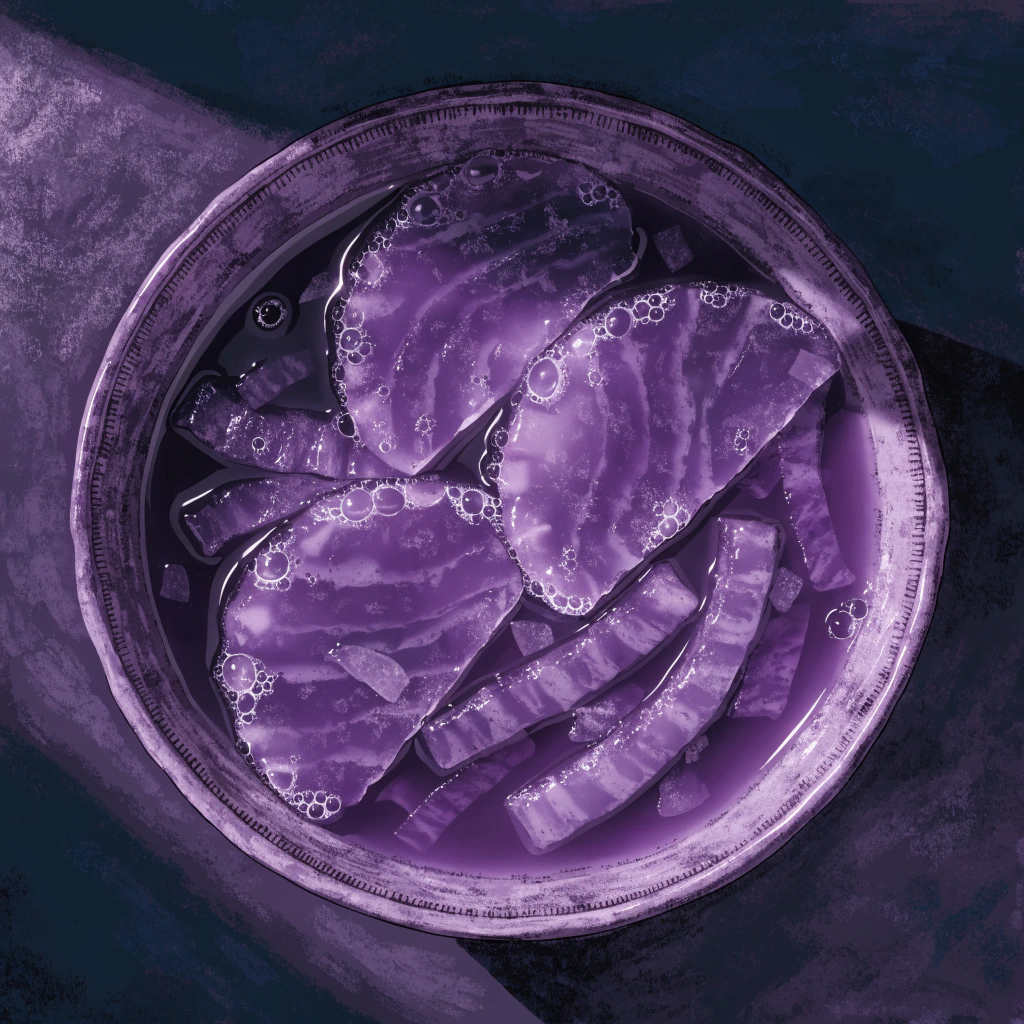
トックク:韓国のお正月料理
韓国(かんこく)には、お正月(しょうがつ)に特別(とくべつ)な料理(りょうり)があります。それは「トックク」です。トッククは、お餅(もち)のスープです。長(なが)いお餅を切(き)って、スープに入(い)れます。
このお餅は、長生(ながい)きを願(ねが)う気持(きも)ちです。お餅は、丸(まる)い形(かたち)に切ります。丸い形は、お金(かね)の形に似(に)ています。だから、たくさんのお金が入ることを願います。トッククは、韓国の家族(かぞく)みんなで食(た)べます。とても大切(たいせつ)な料理です。
文法スポットライト
パターン: 〜があります
"韓国には、お正月に特別な料理があります。"
「〜があります」は、「〜がある」という日本語(にほんご)の丁寧(ていねい)な形(かたち)です。「物(もの)や場所(ばしょ)が存在(そんざい)する」ことを表(あらわ)します。例(れい):ここにペンがあります。
パターン: 〜を願います
"このお餅は、長生きを願う気持ちです。"
「〜を願います」は、「〜を願う」という日本語の丁寧な形です。「〜してほしい」という気持(きも)ちや「〜になるといい」という希望(きぼう)を言(い)うときに使(つか)います。例:健康(けんこう)を願います。
理解度をチェック
10 問 · A1 初級 · 無料プレビュー 1回
この記事で学んだことをテストしよう。全問正解してXPを獲得!
問題の内訳
トッククはどんな料理ですか。
あなたの回答:
正解: お餅のスープです。
トッククは、お正月ではなく、毎日食べる料理です。
あなたの回答:
正解: 間違い
「長生き」はどういう意味(いみ)ですか。
あなたの回答:
正解: 長く生きること。
お餅は、丸い___に切ります。
あなたの回答:
正解: 形
A Special Soup for the New Year
Seollal is the Korean Lunar New Year. It is the most important holiday in South Korea. On this day, families meet and eat a special meal together. The most famous dish is a soup called Tteokguk.
Tteokguk is a simple but delicious soup. It has white, sliced rice cakes in a clear broth. The rice cakes are very important. Before the cook slices them, they are long and thin. This represents a long and healthy life. When the cook slices them, they look like small coins. Because they look like money, people hope for wealth in the new year.
In South Korea, Tteokguk is more than just food. People say that you become one year older only after you finish your bowl of soup. Many children eat their soup quickly because they want to grow up faster! Tteokguk is a healthy tradition, and it is a wonderful way to celebrate with family.
文法スポットライト
パターン: Comparatives
"Many children eat their soup quickly because they want to grow up faster!"
We add '-er' to short adjectives like 'fast' to compare two states. It shows that one thing has more of a quality than another.
パターン: Reason with 'Because'
"Because they look like money, people hope for wealth in the new year."
We use 'because' to explain the reason for something. When it starts a sentence, we use a comma after the first clause.
理解度をチェック
11 問 · A2 初級 · 無料プレビュー 1回
この記事で学んだことをテストしよう。全問正解してXPを獲得!
What is the name of the Korean New Year?
問題の内訳
What is the name of the Korean New Year?
あなたの回答:
正解: Seollal
The sliced rice cakes in the soup look like small coins.
あなたの回答:
正解: 正しい
What does 'wealth' mean?
あなたの回答:
正解: Having a lot of money
Tteokguk is a _____ but delicious soup.
あなたの回答:
正解: simple
Why do children eat the soup quickly?
あなたの回答:
正解: They want to grow up faster
韓国の伝統料理:お正月のお餅スープ「トックク」
韓国では、旧正月(ソルラル)という大切な祝日があります。この日には、家族みんなで集まり、特別な料理を食べます。その中でも、「トックク」というお餅のスープは、最も重要な伝統料理の一つとして知られています。
トッククは、薄く切られたお餅と、透明なスープで作られています。見た目はシンプルですが、この料理には深い意味が込められています。トッククに使われる細長いお餅は、「長寿」を願う気持ちを表しています。これを薄く丸い形に切ることで、昔のお金(硬貨)のように見えるため、「富や繁栄」の象徴とも考えられています。新しい一年が豊かになるようにという願いが込められているのです。
このスープを食べる習慣は、新しい年を迎え、一つ年を取るという意味も持っています。そのため、ソルラルの朝には、多くの韓国人が家族と一緒にトッククを食べます。地域によって、牛肉や鶏肉のだしを使ったり、卵や海苔、肉を具材として加えたりと、様々な作り方があります。それぞれの家庭の味があり、どのトッククもとても美味しいです。
トッククは単なる食べ物ではありません。家族の絆や伝統、そして新しい年への希望が詰まった、韓国文化にとって非常に大切な料理なのです。もし韓国を訪れる機会があれば、ぜひこの伝統的なお餅スープを試してみてください。
文法スポットライト
パターン: 受身形(~られています)
"トッククは、薄く切られたお餅と、透明なスープで「作られています」。"
「~られています」は、動詞の受身形(~られる)に「~ています」が続いた形です。何かがある行為によって作られたり、状態が続いていることを表します。この文では、トッククが「作られた」状態であることを示しています。
パターン: ~という(引用・説明)
"「トックク」というお餅のスープは、最も重要な伝統料理の一つとして知られています。"
「~という」は、ある言葉や名前を説明するときに使われます。「AというB」で「Aと呼ばれるB」という意味になります。ここでは、「トックク」が「お餅のスープ」の種類であることを説明しています。
理解度をチェック
11 問 · B1 中級 · 無料プレビュー 1回
この記事で学んだことをテストしよう。全問正解してXPを獲得!
韓国の旧正月(ソルラル)に最も重要な伝統料理は何ですか?
問題の内訳
韓国の旧正月(ソルラル)に最も重要な伝統料理は何ですか?
あなたの回答:
正解: トックク
トッククに使われる薄く丸いお餅は、長寿や富、繁栄を願う意味があります。
あなたの回答:
正解: 正しい
「長寿」とはどのような意味ですか?
あなたの回答:
正解: 長く生きること
トッククを食べる習慣は、新しい年を迎え、一つ_____を取るという意味も持っています。
あなたの回答:
正解: 年
記事によると、トッククは単なる食べ物ではなく、何が詰まった料理だと書かれていますか?
あなたの回答:
正解: 家族の絆や伝統、新しい年への希望
The Culinary Symbolism of Tteokguk: A Korean New Year Tradition
Tteokguk is often regarded as the quintessential dish of Seollal, the Korean Lunar New Year. While the soup may appear deceptively simple, consisting of thinly sliced rice cakes in a clear broth, its consumption is a ritual steeped in profound symbolism. For Koreans, partaking in a bowl of tteokguk is not merely a culinary experience but a necessary transition into the coming year.
The primary ingredient, a long, cylindrical rice cake known as garaetteok, which represents longevity, is central to the dish's meaning. By maintaining its elongated shape during the initial preparation, the rice cake embodies the wish for a long and healthy life. However, when the cake is subsequently sliced into thin, oval shapes, its appearance changes to resemble traditional coins. This metaphorical transformation signifies a collective hope for prosperity and wealth in the months ahead.
Furthermore, the act of eating tteokguk carries a unique social significance. In Korean culture, it is commonly said that one does not truly become a year older until they have finished their bowl of New Year’s soup. This tradition reinforces the idea of the dish as a marker of time and maturity. While regional variations exist—some families may prefer a beef-based broth while others utilize dried anchovies or seaweed—the core essence of the meal remains unchanged across the peninsula.
From a sociological perspective, the consumption of tteokguk functions as a 'social glue' that binds the community together. The meticulous preparation required for the broth—often simmered for hours to achieve a clear yet flavorful profile—and the careful slicing of the rice cakes reflect the respect and intentionality that Koreans bring to the start of the lunar calendar. If one were to ignore these traditional practices, the sense of cultural continuity might be diminished. In modern society, where fast food and international cuisines are increasingly prevalent, the preservation of tteokguk highlights the importance of cultural heritage. It serves as a bridge between generations, allowing families to reconnect with their ancestral roots through shared practice. Ultimately, tteokguk is more than just a seasonal delicacy; it is an enduring symbol of hope, health, and historical continuity.
文法スポットライト
パターン: Passive Voice
"Tteokguk is often regarded as the quintessential dish of Seollal."
The passive voice is used here to focus on the dish itself rather than the people who regard it. It is formed using the verb 'to be' plus the past participle.
パターン: Relative Clauses
"The primary ingredient, a long, cylindrical rice cake known as garaetteok, which represents longevity, is central to the dish's meaning."
The relative pronoun 'which' introduces extra information about the rice cake. This helps provide detail without starting a new sentence.
パターン: Second Conditional
"If one were to ignore these traditional practices, the sense of cultural continuity might be diminished."
This structure is used to talk about a hypothetical or unlikely situation. It uses 'if' + past subjunctive ('were to') and 'might' + base verb.
理解度をチェック
11 問 · B2 中上級 · 無料プレビュー 1回
この記事で学んだことをテストしよう。全問正解してXPを獲得!
What does the long shape of the rice cake (garaetteok) represent?
問題の内訳
What does the long shape of the rice cake (garaetteok) represent?
あなたの回答:
正解: Longevity and a long life
Koreans traditionally believe they only age after finishing their bowl of tteokguk.
あなたの回答:
正解: 正しい
What does 'prosperity' mean in the context of the article?
あなたの回答:
正解: Financial success and wealth
The sliced rice cakes are meant to resemble traditional _____, symbolizing wealth.
あなたの回答:
正解: coins
How is the preparation of the broth described in the text?
あなたの回答:
正解: Meticulous and simmered for hours
韓国の正月を彩る「トックク」:その奥深い意味と文化
「トックク」と聞いて、韓国の旧正月である「ソルラル」を連想される方は少なくないことでしょう。ソルラルに不可欠な料理として知られるトッククは、薄くスライスされた餅を澄んだスープで煮込んだ、一見すると素朴な一品に過ぎません。しかし、その簡潔な見た目とは裏腹に、トッククを構成する一つ一つの要素には、韓国文化の根深い象徴性と伝統が込められているのです。特に、この料理を語る上で欠かせないのが、その主役である「トック」、すなわち餅そのものに他なりません。
トッククに用いられる餅は、主に「カレトック」と呼ばれる棒状のもので、これを薄く斜めに切って使用します。この細長く伸びたカレトックは、家族の健康と長寿への願いを象徴するものです。一年を無事に過ごし、息災であることへの祈りが、その形状に凝縮されていると言えるでしょう。また、餅を薄切りにすることで、まるで古銭のような円形や楕円形となる点も特筆すべきです。これらは、新年の財運と富を招き入れる縁起物とされ、豊かさへの希求が具現化されたものに他なりません。
スープの出汁は、牛肉や鶏肉、あるいはキジ肉などが用いられることが多く、これらの素材から取られた滋味深い味わいが、餅と見事に調和します。出汁の透明感は、新年を清らかな心で迎えるという精神性を表し、また、家族の絆を深める共同体の象徴とも解釈され得ます。具材としては、卵の黄身と白身を分けて焼いた錦糸卵、海苔、牛肉の細切りなどが彩りとして加えられ、視覚的な美しさも追求されるのです。これら全てが一体となることで、トッククは単なる食事以上の、願いと祈りが込められた儀礼的な意味合いを帯びるに至ります。
ソルラルの朝、家族全員でトッククを囲む光景は、韓国人にとって最も大切な家族行事の一つです。この料理を食すことは、単に空腹を満たす行為に留まらず、年齢を一つ重ね、新たな一年を迎えるという区切りを意識する重要な通過儀礼なのです。「トッククを食べないと年を取らない」という言い伝えがあるほど、この料理が年齢を象徴するものであることは広く知られています。また、地域や家庭によって、出汁の取り方や具材に若干の違いが見られるのも興味深い点です。例えば、南部ではカキなど海産物を用いたトッククも存在し、それぞれの地の特色が反映されているのは言うまでもありません。
現代社会において、伝統的な文化が変容していく中で、トッククがソルラルの食卓から消えることはまずありません。それは、単なる郷土料理という範疇を超え、韓国の人々にとって、過去から現在、そして未来へと受け継がれる家族の絆、健康、繁栄、そして共同体の精神性を象徴する、かけがえのない存在であるからに他ならないからです。トッククを味わうことは、韓国の歴史と文化の深淵に触れること、と言っても過言ではないでしょう。
文法スポットライト
パターン: ~に他ならない
"特に、この料理を語る上で欠かせないのが、その主役である「トック」、すなわち餅そのものに他なりません。"
「~に他ならない」は、「~である」という断定をより強く表現する際に用いられる文型です。話し手の強い確信や、ある事柄がまさにそれであるという強調を示します。名詞や動詞の終止形に接続します。
パターン: ~に留まらず
"この料理を食すことは、単に空腹を満たす行為に留まらず、年齢を一つ重ね、新たな一年を迎えるという区切りを意識する重要な通過儀礼なのです。"
「~に留まらず」は、「~だけでなく、さらにその範囲を超えて」という意味を表す表現です。ある事柄が限定的な範囲に収まらず、より広い範囲や他の側面にも影響が及ぶことを示します。名詞や動詞の連体形に接続し、後に続く文を強調します。
パターン: ~と言っても過言ではない
"トッククを味わうことは、韓国の歴史と文化の深淵に触れること、と言っても過言ではないでしょう。"
「~と言っても過言ではない」は、「~と言っても、言い過ぎではない」という意味で、強い肯定や強調を表す際に使われます。ある事柄の重要性や程度が非常に高いことを、控えめな表現で断定する効果があります。文の終わりに接続し、話し手の強い見解を示します。
理解度をチェック
12 問 · C1 上級 · 無料プレビュー 1回
この記事で学んだことをテストしよう。全問正解してXPを獲得!
ソルラルにトッククを食べる主な目的は何ですか?
問題の内訳
ソルラルにトッククを食べる主な目的は何ですか?
あなたの回答:
正解: 年齢を一つ重ね、新たな一年を迎える区切りを意識するため
トッククに使われる餅(カレトック)を薄切りにした形は、新年の財運と富を象徴しています。
あなたの回答:
正解: 正しい
「不可欠」の意味として最も適切なものはどれですか?
あなたの回答:
正解: 絶対に必要であること
韓国には、「トッククを食べないと___を取らない」という言い伝えがあります。
あなたの回答:
正解: 年
トッククのスープの透明感は何を象徴していると解釈され得ますか?
あなたの回答:
正解: 新年の清らかな心
記事によると、現代社会ではトッククはソルラルの食卓から消えつつあると述べられています。
あなたの回答:
正解: 間違い
The Gastronomic Semiotics of Tteokguk: Temporal Continuity and Prosperity in the Korean Lunar Cycle
Within the intricate tapestry of Korean cultural heritage, few culinary artifacts possess the profound semiotic weight of Tteokguk. This ostensibly modest dish—a clear, savory broth containing thinly sliced, disc-shaped rice cakes—functions as the quintessential centerpiece of Seollal, the Korean Lunar New Year. To the uninitiated observer, Tteokguk might appear as a mere seasonal staple; however, for the Korean diaspora and those on the peninsula alike, the dish is a complex vessel for ontological transition and ancestral veneration. Were one to examine the meticulous preparation of the 'garaetteok', the long, cylindrical rice cake from which the dish originates, one would find a narrative of longevity woven into the very dough. The unbroken length of the cake symbolizes a wish for a sustained, healthy life, stretching toward an infinite horizon.
Notwithstanding its visual simplicity, the act of slicing these cylinders into thin, oval shapes is a deliberate exercise in symbolic manifestation. These slices, resembling the 'yeopjeon' or traditional brass coins, represent a collective aspiration for prosperity and burgeoning wealth in the nascent year. It is through this ritualistic consumption that the ephemeral transition from one year to the next is solidified. Indeed, so intrinsic is Tteokguk to the passage of time that a common idiomatic inquiry regarding a person's age is 'How many bowls of Tteokguk have you consumed?' This linguistic quirk underscores the belief that the meal itself is the catalyst for aging; one does not merely mark the passage of time, but rather 'eats' the new year, thereby achieving a new level of social stratification and maturity.
Furthermore, the clear broth—traditionally made from beef, pheasant, or dried anchovies—serves as an auspicious tabula rasa, symbolizing a clean, purified start to the lunar cycle. The white color of the rice cakes further reinforces this notion of purity and the shedding of the previous year's misfortunes. Should the broth be clouded or the cakes disintegrated, the aesthetic and symbolic integrity of the dish would be compromised, reflecting a lack of care in welcoming the new season. This meticulous attention to detail is reflective of a broader Confucian emphasis on filial piety and the correct performance of rites.
In contemporary South Korea, despite the burgeoning influence of globalized culinary trends, Tteokguk remains an immovable pillar of national identity. While regional variations exist—some incorporating mandu (dumplings) or utilizing different stocks—the core philosophical underpinning remains steadfast. The myriad ingredients, from the julienned egg garnish to the crumbled seaweed, are not merely aesthetic choices but are layered with historical significance. The dish operates as a bridge between the ancestral past and the speculative future, providing a sense of temporal continuity in an increasingly fragmented modern world.
Ultimately, Tteokguk is more than a culinary delight; it is a scholarly text in its own right, demanding an analytical gaze to fully appreciate its depth. It encapsulates the Korean ethos of shared prosperity and the cyclical nature of existence. As families gather to partake in this steaming bowl of tradition, they are not just consuming nourishment, but are actively participating in a thousand-year-old dialogue about what it means to endure, to thrive, and to belong to a lineage that transcends the individual. The dish remains a testament to the power of food to act as a repository for a nation's soul.
文法スポットライト
パターン: Second Conditional with Inversion
"Were one to examine the meticulous preparation of the 'garaetteok', one would find a narrative of longevity."
This formal structure replaces 'If one were to examine' with an inversion of the subject and the verb 'were'. It is used in C2 level writing to express hypothetical scenarios with a more scholarly tone.
パターン: Negative Inversion for Emphasis
"Not only does the dish mark the passage of time, but it also acts as a repository for a nation's soul."
When a sentence starts with a negative or restrictive phrase like 'not only', the subject and auxiliary verb are inverted. This is used to add rhetorical weight and emphasis to the cumulative points being made.
パターン: Subjunctive Mood for Hypothetical Situations
"Should the broth be clouded or the cakes disintegrated, the aesthetic and symbolic integrity of the dish would be compromised."
The use of 'should' at the beginning of the clause functions as a formal alternative to 'if', indicating a conditional or hypothetical state. It is common in analytical prose to discuss potential outcomes or requirements.
理解度をチェック
12 問 · C2 マスター · 無料プレビュー 1回
この記事で学んだことをテストしよう。全問正解してXPを獲得!
What does the 'garaetteok' primarily represent before it is sliced?
問題の内訳
What does the 'garaetteok' primarily represent before it is sliced?
あなたの回答:
正解: Longevity and a long life
The article suggests that Tteokguk is no longer relevant in modern, globalized South Korea.
あなたの回答:
正解: 間違い
What does 'ephemeral' mean in the context of the text?
あなたの回答:
正解: Lasting for a very short time
The white color of the rice cakes reinforces the notion of _____ and the shedding of misfortunes.
あなたの回答:
正解: purity
How does the text describe the linguistic connection between Tteokguk and age?
あなたの回答:
正解: The number of bowls consumed is a metaphor for one's age.
The clear broth is described as an 'auspicious tabula rasa,' signifying a clean start.
あなたの回答:
正解: 正しい

