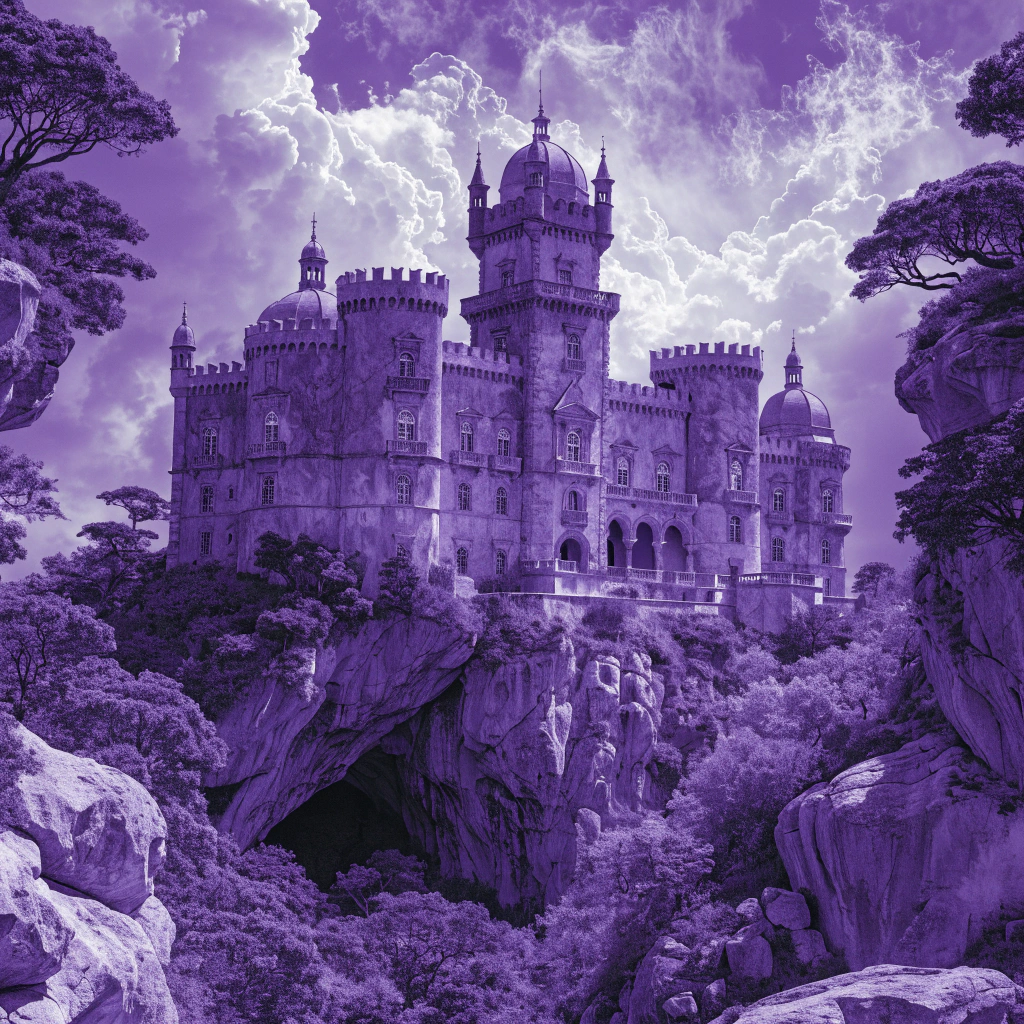
قصر بينا الجميل
هذا قصر بينا في دولة البرتغال. هو مكان جميل جداً ومشهور. القصر يقع في مدينة سنترا. هو على جبل عالٍ، والمنظر من هناك رائع. القصر له ألوان كثيرة ومشرقة، مثل الأحمر والأصفر والأزرق. هذه الألوان تجعله مميزاً. كان الملك فرديناند الثاني يحب الفن كثيراً. هو بنى هذا القصر ليكون بيتاً له ولعائلته في الصيف. الناس من كل مكان في العالم يحبون زيارة قصر بينا. إنه مكان رائع جداً للسياحة ومشاهدة الجمال والتاريخ. القصر يبدو مثل قصة قديمة وجميلة من كتاب.
تسليط الضوء على القواعد
نمط: أسماء الإشارة (هذا / هذه)
"هذا قصر بينا في دولة البرتغال."
نستخدم 'هذا' للمذكر المفرد، مثل 'هذا قصر'. ونستخدم 'هذه' للمؤنث المفرد، مثل 'هذه مدينة'. هي كلمات تشير إلى الأشياء القريبة.
نمط: الصفة والموصوف
"هو مكان جميل جداً ومشهور."
الصفة تصف الاسم (الموصوف). تأتي الصفة بعد الاسم وتتبع الاسم في المذكر والمؤنث. مثال: 'مكان جميل' (مذكر)، 'قصة جميلة' (مؤنث).
اختبر فهمك
10 أسئلة · A1 مبتدئ · معاينة مجانية واحدة
اختبر ما تعلمته من هذا المقال. أجب على جميع الأسئلة لكسب نقاط خبرة!
أين يقع قصر بينا؟
هل تريد إنهاء الاختبار؟
9 أسئلة أخرى بانتظارك. سجّل مجاناً لفتح الاختبار الكامل وكسب نقاط خبرة!
سجل مجاناًلديك حساب بالفعل؟ دخول
تفصيل الأسئلة
أين يقع قصر بينا؟
إجابتك:
الإجابة الصحيحة: في البرتغال
القصر له ألوان قليلة وغير مشرقة.
إجابتك:
الإجابة الصحيحة: خطأ
ماذا تعني كلمة 'ملك'؟
إجابتك:
الإجابة الصحيحة: رجل يحكم دولة
القصر يبدو مثل _____ قديمة وجميلة من كتاب.
إجابتك:
الإجابة الصحيحة: قصة
The Colorful Palace of Portugal
Pena Palace is a very famous building in Portugal. It sits on a high hill in the Sintra Mountains. The palace is special because it has many bright colors like yellow, red, and blue. It looks like a castle from a storybook. Many people think it is the most beautiful palace in the world.
In the past, the building was an old monastery. In the 19th century, King Ferdinand II decided to change it. He was an 'Artist-King' and he loved art. He wanted to build a beautiful summer home for his family. The palace is bigger and more colorful than many other old buildings in the country.
Today, many people visit Pena Palace every year. They walk through the large gardens and look at the amazing views from the top. It is now a very important symbol of Portugal. Visitors love the palace because the architecture is unique and the history is interesting. It is a great place to learn about the past.
تسليط الضوء على القواعد
نمط: Past Simple
"King Ferdinand II decided to change it."
The Past Simple is used to talk about actions that finished in the past. To form it, we usually add '-ed' to the end of regular verbs. We use it to describe historical events.
نمط: Comparatives
"The palace is bigger and more colorful than many other old buildings in the country."
Comparatives are used to compare two things. For short adjectives, we add '-er' to the end, and for long adjectives, we use 'more' before the word. We usually use 'than' after the adjective.
اختبر فهمك
11 أسئلة · A2 ابتدائي · معاينة مجانية واحدة
اختبر ما تعلمته من هذا المقال. أجب على جميع الأسئلة لكسب نقاط خبرة!
Where is Pena Palace located?
هل تريد إنهاء الاختبار؟
10 أسئلة أخرى بانتظارك. سجّل مجاناً لفتح الاختبار الكامل وكسب نقاط خبرة!
سجل مجاناًلديك حساب بالفعل؟ دخول
تفصيل الأسئلة
Where is Pena Palace located?
إجابتك:
الإجابة الصحيحة: In the Sintra Mountains
The building was a monastery before it became a palace.
إجابتك:
الإجابة الصحيحة: صحيح
What does 'unique' mean?
إجابتك:
الإجابة الصحيحة: The only one of its kind
The palace is _____ and more colorful than many other old buildings.
إجابتك:
الإجابة الصحيحة: bigger
Who wanted to change the old building into a home?
إجابتك:
الإجابة الصحيحة: King Ferdinand II
قصر بينا: جوهرة البرتغال الملونة في جبال سينترا
يُعدّ قصر بينا تحفة فنية معمارية مدهشة تقع في جبال سينترا الساحرة بالبرتغال. يُعرف هذا القصر بألوانه الزاهية وتصميمه الخيالي الذي يبدو وكأنه خرج مباشرة من قصة خرافية. لقد أصبح القصر رمزاً مهماً للبرتغال، ويُعتبر من أبرز الأمثلة على الفن الرومانسي في القرن التاسع عشر، مما يجعله وجهة لا بد من زيارتها.
كان هذا الموقع في الأصل ديرًا قديمًا يعود تاريخه إلى القرن السادس عشر، وقد تعرض للتلف بسبب الزلازل. ولكن في القرن التاسع عشر، قرر الملك فرديناند الثاني، المعروف بلقب "الملك الفنان"، تحويل أنقاض الدير إلى قصر صيفي ملكي. كان الملك فرديناند شخصية مبدعة أحب الفن والعمارة بشكل كبير، وقد أشرف بنفسه على الكثير من تفاصيل التصميم والبناء. لقد أراد أن يكون القصر مكاناً فريداً يعكس رؤيته الفنية الطموحة ويجمع بين الثقافات المختلفة.
يتميز قصر بينا بمزيج رائع من الأساليب المعمارية المتنوعة، بما في ذلك العناصر القوطية، والمغربية، وعصر النهضة، وحتى لمسات من الطراز المانويلي البرتغالي. الألوان الحمراء والصفراء الزاهية التي تغطي جدرانه تجعله يبرز بشكل لافت للنظر فوق التلال الخضراء المحيطة. تم تصميم حدائق القصر أيضاً بعناية فائقة، وتحتوي على مجموعة متنوعة من النباتات الغريبة من جميع أنحاء العالم، مما يضيف إلى سحره الخاص. يُمكن للزوار استكشاف الغرف الداخلية الفاخرة التي لا تزال تحتفظ بأثاثها الأصلي وديكوراتها التاريخية، مما يمنحهم لمحة عن الحياة الملكية في تلك الحقبة.
اليوم، يُعتبر قصر بينا من أشهر الوجهات السياحية في البرتغال، وقد تم إدراجه ضمن مواقع التراث العالمي لليونسكو. يزوره آلاف السياح سنوياً من كل مكان في العالم للاستمتاع بجماله الفريد وإطلالاته البانورامية الخلابة على المنطقة المحيطة ومدينة سينترا. إنه مكان رائع يجمع بين التاريخ العريق والفن المعماري المبدع والطبيعة الخلابة، ويقدم تجربة ثقافية وتاريخية لا تُنسى لكل من يزوره.
تسليط الضوء على القواعد
نمط: الفعل المبني للمجهول (Passive Voice)
"يُعدّ قصر بينا تحفة فنية معمارية مدهشة."
يُستخدم الفعل المبني للمجهول عندما لا يكون الفاعل معروفًا، أو عندما يكون المفعول به أهم من الفاعل. في العربية، يتغير شكل الفعل ليدل على المجهول، ويتحول المفعول به إلى نائب فاعل مرفوع. مثال: يُعدّ (فعل مبني للمجهول) + قصر بينا (نائب فاعل).
نمط: الأسماء الموصولة (Relative Pronouns)
"الملك فرديناند الثاني، المعروف بلقب "الملك الفنان"، تحويل أنقاض الدير إلى قصر صيفي ملكي."
تُستخدم الأسماء الموصولة (مثل: الذي، التي، الذين) لربط جملتين وتوفير معلومات إضافية عن اسم سبقها. في هذا المثال، "الذي" تربط الملك فرديناند بمعلومة إضافية عنه، وهي أنه كان يُعرف بلقب "الملك الفنان".
اختبر فهمك
11 أسئلة · B1 متوسط · معاينة مجانية واحدة
اختبر ما تعلمته من هذا المقال. أجب على جميع الأسئلة لكسب نقاط خبرة!
ما هو الوصف الأفضل لقصر بينا؟
هل تريد إنهاء الاختبار؟
10 أسئلة أخرى بانتظارك. سجّل مجاناً لفتح الاختبار الكامل وكسب نقاط خبرة!
سجل مجاناًلديك حساب بالفعل؟ دخول
تفصيل الأسئلة
ما هو الوصف الأفضل لقصر بينا؟
إجابتك:
الإجابة الصحيحة: تحفة فنية معمارية ملونة.
كان موقع قصر بينا في الأصل ديرًا يعود للقرن السادس عشر.
إجابتك:
الإجابة الصحيحة: صحيح
ماذا تعني كلمة "أنقاض"؟
إجابتك:
الإجابة الصحيحة: بقايا مبانٍ قديمة تهدمت
في القرن التاسع عشر، قرر الملك فرديناند الثاني تحويل _____ الدير إلى قصر صيفي ملكي.
إجابتك:
الإجابة الصحيحة: أنقاض
ما هي الألوان التي تغطي جدران قصر بينا وتجعله يبرز؟
إجابتك:
الإجابة الصحيحة: الأحمر والأصفر
قصر بينا: تحفة معمارية من الخيال الرومانسي في البرتغال
يُعتبر قصر بينا، الذي يتربع على قمة جبلية وعرة في جبال سينترا الساحرة بالبرتغال، بمثابة انفجار حيوي للألوان وخيال معماري يبدو وكأنه ينتمي إلى قصة خرافية. إنه حقًا تجسيد فريد للرومانسية في القرن التاسع عشر، ويُصنف على نطاق واسع كأحد أبرز الرموز الأيقونية للأمة البرتغالية.
لم يكن هذا القصر مجرد بناء عادي، بل كان مشروعًا رؤيويًا للملك فرناندو الثاني، المعروف بـ "الملك الفنان". لقد أخذ على عاتقه تحويل بقايا دير مانويليني يعود للقرن السادس عشر إلى مقر إقامة صيفي مذهل للعائلة المالكة البرتغالية. كانت رؤيته تتجاوز مجرد ترميم الأنقاض؛ فقد سعى إلى إنشاء مكان يعكس شغفه بالفن والطبيعة، ويمزج بين العناصر المعمارية المختلفة بطريقة غير تقليدية.
تتجلى في تصميم القصر مجموعة متنوعة من الأساليب المعمارية، بما في ذلك القوطية الجديدة وعصر النهضة والعمارة المورية. هذه المزيج الغني يمنح القصر طابعًا فريدًا لا مثيل له، حيث تتناغم الأبراج الملونة والقباب اللامعة والمنحوتات المعقدة لتخلق مشهدًا بصريًا آسرًا. علاوة على ذلك، فإن الألوان الزاهية التي تزين واجهات القصر، من الأحمر الياقوتي إلى الأصفر الذهبي، تضفي عليه حيوية لا تُضاهى، مما يجعله يبرز بشكل دراماتيكي وسط الخضرة الوفيرة للمتنزه المحيط به.
يُعد متنزه بينا المحيط بالقصر جزءًا لا يتجزأ من هذه التحفة الفنية. لقد صُمم هذا المتنزه بعناية فائقة ليعكس روح الرومانسية، حيث يضم مسارات متعرجة وحدائق غناء ونوافير خلابة، بالإضافة إلى أنواع نادرة من النباتات والأشجار التي جُلبت من مختلف أنحاء العالم. يمكن للزوار التجول في هذه المساحات الخضراء الشاسعة والاستمتاع بالمناظر البانورامية الخلابة التي تطل على المحيط الأطلسي والريف البرتغالي.
بالرغم من أن قصر بينا لم يعد مقرًا ملكيًا، إلا أنه لا يزال يستقبل آلاف الزوار سنويًا من جميع أنحاء العالم، والذين يأتون للاستمتاع بجماله الفريد وفهم قصته العميقة. إنه يقف شامخًا كشاهد على حقبة تاريخية مهمة، ويجسد براعة فنية لا تعرف الحدود، ويذكرنا بأن الخيال يمكن أن يتحول إلى واقع ملموس يدهش الأجيال.
تسليط الضوء على القواعد
نمط: الفعل المبني للمجهول
"يُعتبر قصر بينا، الذي يتربع على قمة جبلية وعرة في جبال سينترا الساحرة بالبرتغال، بمثابة انفجار حيوي للألوان."
يُستخدم الفعل المبني للمجهول (مثل "يُعتبر") عندما يكون الفاعل غير معروف أو غير مهم، أو عندما نريد التركيز على الفعل نفسه أو المفعول به. يُصاغ من الفعل الماضي بضم الحرف الأول وكسر ما قبل الأخير، ومن المضارع بضم الحرف الأول وفتح ما قبل الأخير.
نمط: التركيب الشرطي "بالرغم من... إلا أن..."
"بالرغم من أن قصر بينا لم يعد مقرًا ملكيًا، إلا أنه لا يزال يستقبل آلاف الزوار سنويًا من جميع أنحاء العالم."
يُستخدم هذا التركيب للتعبير عن التناقض أو الاستثناء. "بالرغم من" تأتي لتقديم معلومة أو حقيقة، و"إلا أن" تأتي لتقديم حقيقة مناقضة أو نتيجة غير متوقعة بالنسبة للمعلومة الأولى. إنه يعزز الربط بين الجمل ويضيف عمقًا للمعنى.
نمط: المصدر المؤول (أنْ + الفعل المضارع)
"فقد سعى إلى إنشاء مكان يعكس شغفه بالفن والطبيعة، ويمزج بين العناصر المعمارية المختلفة بطريقة غير تقليدية."
يُستخدم المصدر المؤول (أنْ + الفعل المضارع) ليحل محل المصدر الصريح، ويعطي معنى الفعل في صيغة اسمية. في هذا المثال، "أنْ ينشئ" تعني "إنشاء". يُستخدم غالبًا بعد حروف الجر أو الأفعال التي تتطلب مصدرًا كـ "سعى إلى".
اختبر فهمك
11 أسئلة · B2 فوق المتوسط · معاينة مجانية واحدة
اختبر ما تعلمته من هذا المقال. أجب على جميع الأسئلة لكسب نقاط خبرة!
ما هو لقب الملك فرناندو الثاني المذكور في المقال؟
هل تريد إنهاء الاختبار؟
10 أسئلة أخرى بانتظارك. سجّل مجاناً لفتح الاختبار الكامل وكسب نقاط خبرة!
سجل مجاناًلديك حساب بالفعل؟ دخول
تفصيل الأسئلة
ما هو لقب الملك فرناندو الثاني المذكور في المقال؟
إجابتك:
الإجابة الصحيحة: الملك الفنان
يقع قصر بينا في جبال سينترا وهو رمز أيقوني للبرتغال.
إجابتك:
الإجابة الصحيحة: صحيح
ما معنى كلمة "أنقاض"؟
إجابتك:
الإجابة الصحيحة: بقايا أبنية مهدمة
تتجلى في تصميم القصر مجموعة متنوعة من الأساليب المعمارية، بما في ذلك القوطية الجديدة و______ والعمارة المورية.
إجابتك:
الإجابة الصحيحة: النهضة
ما هو الغرض الأساسي من مشروع الملك فرناندو الثاني لقصر بينا؟
إجابتك:
الإجابة الصحيحة: تحويل دير قديم إلى مقر إقامة صيفي
A Kaleidoscope of Romanticism: Deconstructing the Architectural Enigma of Pena Palace
Perched atop the jagged peaks of the Sintra Mountains, the Pena Palace stands as a flamboyant testament to the 19th-century Romantic movement. Rarely does a structure so boldly defy the conventional constraints of architectural sobriety as this vibrant citadel. What initially appears to be a chaotic assemblage of colors and styles is, upon closer inspection, a deliberate synthesis of historical narratives and aesthetic rebellion. It was the visionary King Ferdinand II, often dubbed the 'Artist-King,' who orchestrated this metamorphosis. The transformation of the 16th-century Manueline monastery into a vibrant summer residence serves as a testament to his artistic sensibilities, effectively repurposing skeletal vestiges into a residence of unparalleled grandeur.
The palace is an architectural manifestation of the Romantic obsession with the sublime and the exotic. Throughout the 19th century, European nobility sought to escape the rigid rationalism of the Enlightenment, turning instead to a nostalgic and often idealized past. In Sintra, this manifested as an eclectic fusion of Neo-Gothic, Neo-Manueline, Neo-Islamic, and Neo-Renaissance elements. The interplay between these diverse styles creates an ethereal atmosphere, where the crenellated towers and domes seem to emerge organically from the surrounding mist. This stylistic diversity was not a mere whim; it was a calculated effort to evoke a sense of timelessness and universality, bridging the gap between the medieval past and the modern era.
One cannot overlook the idiosyncratic nature of the palace’s design. Ferdinand’s involvement was not merely that of a patron but that of a creative director, ensuring that the opulence of the interior matched the eccentricity of the facade. The transformation of the monastery’s ruins into a palace involved not just structural renovation but a conceptual reimagining of the landscape. The surrounding park, with its labyrinthine paths and exotic flora, was designed to evoke a sense of mystery and discovery, mirroring the winding corridors of the palace itself.
Critical analysis of the palace often highlights its role in the construction of Portuguese national identity during a period of political instability. By incorporating Manueline motifs—a style unique to Portugal's Age of Discovery—Ferdinand anchored his fantastical creation in the nation's historical glory. This deliberate nod to the era of maritime exploration served to bolster national pride and provide a sense of continuity. However, some critics argue that such a pastiche of styles risks descending into kitsch, suggesting that the palace’s aesthetic exuberance lacks genuine cohesion. Yet, it is precisely this tension between historical homage and whimsical artifice that defines the palace's enduring appeal.
Ultimately, the Pena Palace remains a profound symbol of the Romantic spirit. It challenges the viewer to look beyond the superficiality of its bright yellows and reds and to appreciate the complex intellectual currents that shaped its construction. Not only does it represent a pinnacle of Portuguese Romanticism, but it also serves as a reminder of the power of individual vision to reshape the physical world. In the quiet solitude of the Sintra hills, the palace continues to whisper stories of a king who dared to build a dream.
تسليط الضوء على القواعد
نمط: Negative Inversion
"Rarely does a structure so boldly defy the conventional constraints of architectural sobriety as this vibrant citadel."
This pattern places a negative adverbial at the beginning of the sentence for emphasis, requiring the auxiliary verb to come before the subject. It is used in formal writing to create a more dramatic or rhetorical effect.
نمط: Cleft Sentences
"It was the visionary King Ferdinand II, often dubbed the 'Artist-King,' who orchestrated this metamorphosis."
Cleft sentences use 'It + be + subject + relative clause' to focus on a specific piece of information. Here, it emphasizes that Ferdinand II, and no one else, was responsible for the project.
نمط: Nominalisation
"The transformation of the 16th-century Manueline monastery into a vibrant summer residence serves as a testament to his artistic sensibilities."
Nominalisation involves turning verbs (transform) into nouns (transformation). This allows for more complex sentence structures and a higher level of abstraction, typical of academic and advanced English.
اختبر فهمك
12 أسئلة · C1 متقدم · معاينة مجانية واحدة
اختبر ما تعلمته من هذا المقال. أجب على جميع الأسئلة لكسب نقاط خبرة!
What does the author suggest about the architectural style of Pena Palace?
هل تريد إنهاء الاختبار؟
11 أسئلة أخرى بانتظارك. سجّل مجاناً لفتح الاختبار الكامل وكسب نقاط خبرة!
سجل مجاناًلديك حساب بالفعل؟ دخول
تفصيل الأسئلة
What does the author suggest about the architectural style of Pena Palace?
إجابتك:
الإجابة الصحيحة: It is a deliberate fusion of diverse historical and exotic styles.
The surrounding park was designed to be simple and straightforward to balance the palace's complexity.
إجابتك:
الإجابة الصحيحة: خطأ
Which word describes something that is extremely delicate and seems too perfect for this world?
إجابتك:
الإجابة الصحيحة: Ethereal
The palace serves as an architectural _____ of the Romantic obsession with the sublime.
إجابتك:
الإجابة الصحيحة: manifestation
How did Ferdinand II incorporate Portuguese identity into the palace?
إجابتك:
الإجابة الصحيحة: By including Manueline motifs related to the Age of Discovery.
Some critics believe the palace's variety of styles might be considered kitsch.
إجابتك:
الإجابة الصحيحة: صحيح
The Pena Palace: A Chromatic Palimpsest of Romantic Syncretism
Perched upon the jagged precipice of the Sintra Mountains, the Pena Palace stands not merely as a monument, but as a vivid manifestation of nineteenth-century Romanticism. Were one to gaze upon its eclectic silhouette from the valley below, the initial impression might be one of architectural dissonance, yet upon closer inspection, this chromatic palimpsest reveals a profound syncretism of historical narratives. It was King Ferdinand II, the so-called 'Artist-King,' who envisioned this phantasmagoria, transforming the skeletal vestiges of a sixteenth-century Manueline monastery into a residence that defied the rigid neoclassicism of his era.
The palace’s aesthetic is characterized by an idiosyncratic fusion of Neo-Gothic, Neo-Manueline, Neo-Islamic, and Neo-Renaissance elements. This stylistic plurality is not accidental; rather, it reflects the Romantic preoccupation with the exotic and the sublime. The architecture functions as a bridge between the tangible world and a mythologized past. It is essential that the observer recognize the deliberate juxtaposition of the rugged, moss-covered granite and the ostentatious, polychromatic façades. This contrast underscores the Romantic belief that nature and artifice are inextricably linked, each heightening the intensity of the other.
Furthermore, the palace serves as a quintessential example of the 'Gesamtkunstwerk'—a total work of art. Ferdinand II did not merely commission a building; he orchestrated an entire sensory experience. The surrounding park, with its labyrinthine paths and imported arboreal species, was designed to evoke a sense of wandering through a living poem. It is as if the King demanded that the landscape itself should mirror the internal complexities of the human soul. Such a project required a departure from traditional architectural paradigms, favoring instead an emotional resonance that borders on the ethereal.
Scholars have often argued that the Pena Palace might be construed as a political statement as much as an artistic one. By integrating the ruins of the Hieronymite monastery, Ferdinand sought to legitimize his reign through a physical connection to Portugal’s Golden Age of Discovery. The Neo-Manueline motifs—the ropes, the corals, and the armillary spheres—are didactic symbols of maritime prowess, repurposed to bolster a nineteenth-century national identity. However, one must approach this interpretation with caution; while the nationalist undertones are undeniable, the palace remains fundamentally a product of individual genius and personal whimsy.
The interior of the palace is no less remarkable, featuring intricate stuccowork and trompe-l’œil paintings that challenge the viewer’s perception of space. It is imperative that we consider the technical prowess required to execute such a vision on such an inhospitable site. The logistical challenges of transporting materials to the summit were immense, yet the result is a structure that appears to have sprouted organically from the rock. This organic integration is a hallmark of the Romantic vanguard, which sought to dissolve the boundaries between the man-made and the natural world.
In conclusion, the Pena Palace is a testament to the enduring power of the Romantic imagination. It stands as a vanguard of architectural experimentation, inviting us to contemplate the interstices between history and fantasy. Whether viewed as an ostentatious folly or a sublime masterpiece, its significance in the cultural landscape of Portugal is indisputable. It remains a place where the past is not merely preserved but is actively reimagined for the delectation of the modern observer, ensuring that the legacy of the Artist-King continues to inspire awe and academic inquiry alike.
تسليط الضوء على القواعد
نمط: Inverted Conditionals
"Were one to gaze upon its eclectic silhouette from the valley below, the initial impression might be one of architectural dissonance..."
This formal structure replaces 'If one were to gaze'. It is used in academic or literary English to express a hypothetical situation with a more sophisticated tone.
نمط: Subjunctive Mood
"It is essential that the observer recognize the deliberate juxtaposition of the rugged, moss-covered granite and the ostentatious, polychromatic façades."
The subjunctive 'recognize' (instead of recognizes) follows adjectives of urgency or importance. It emphasizes the necessity of the action.
نمط: Modal Verbs for Academic Hedging
"Scholars have often argued that the Pena Palace might be construed as a political statement as much as an artistic one."
The use of 'might be construed' allows the author to present a theory without stating it as an absolute fact, which is a hallmark of C2-level analytical writing.
اختبر فهمك
12 أسئلة · C2 إتقان · معاينة مجانية واحدة
اختبر ما تعلمته من هذا المقال. أجب على جميع الأسئلة لكسب نقاط خبرة!
What was the original state of the site before King Ferdinand II's intervention?
هل تريد إنهاء الاختبار؟
11 أسئلة أخرى بانتظارك. سجّل مجاناً لفتح الاختبار الكامل وكسب نقاط خبرة!
سجل مجاناًلديك حساب بالفعل؟ دخول
تفصيل الأسئلة
What was the original state of the site before King Ferdinand II's intervention?
إجابتك:
الإجابة الصحيحة: A sixteenth-century Manueline monastery
The architectural style of the palace is strictly Neo-Gothic to maintain historical accuracy.
إجابتك:
الإجابة الصحيحة: خطأ
What does the word 'syncretism' refer to in the context of the article?
إجابتك:
الإجابة الصحيحة: The blending of different historical and cultural influences
The palace is described as a _____ palimpsest, revealing historical narratives.
إجابتك:
الإجابة الصحيحة: chromatic
Which term describes the 'total work of art' concept mentioned in the text?
إجابتك:
الإجابة الصحيحة: Gesamtkunstwerk
The author suggests that the palace's design was intended to evoke emotional resonance.
إجابتك:
الإجابة الصحيحة: صحيح

