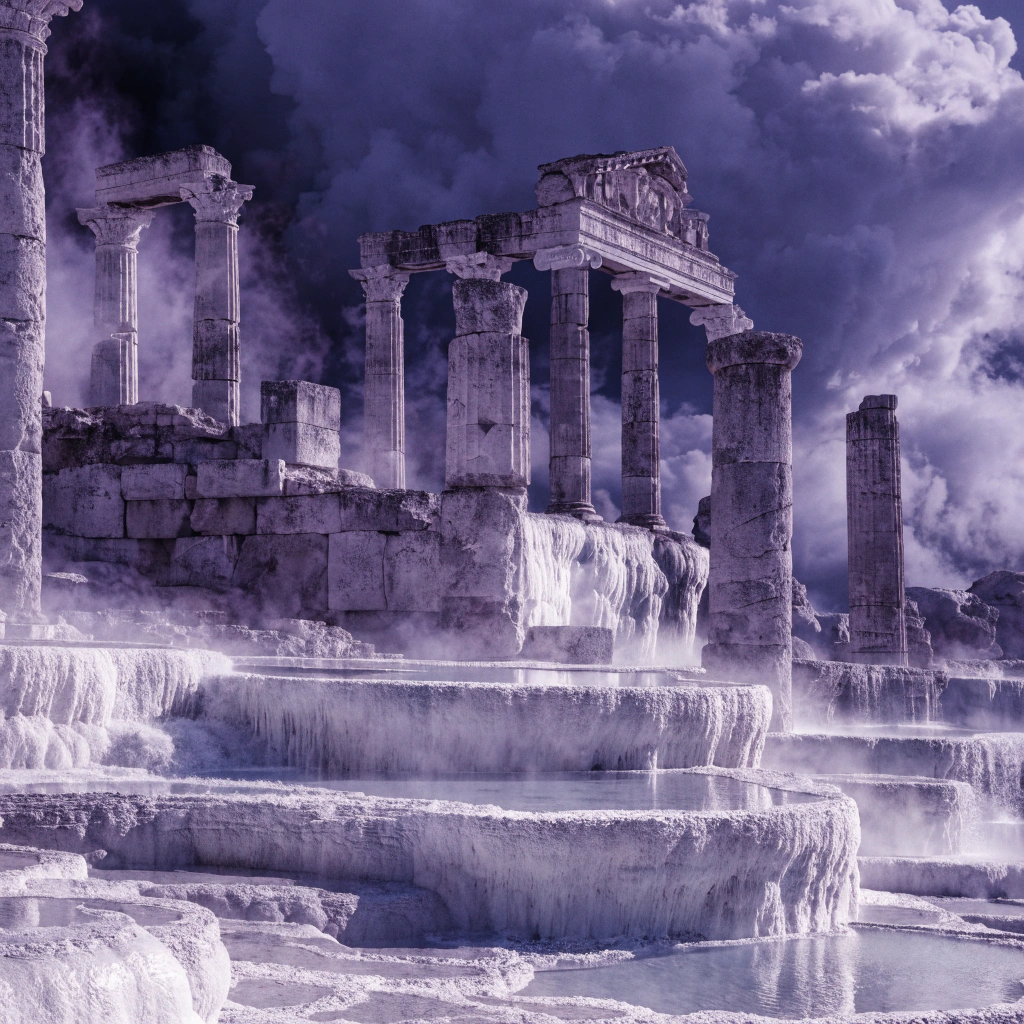
Beautiful Pamukkale
Pamukkale is a famous place in Turkey. It is very beautiful. In English, the name means "Cotton Castle." It looks like a big white mountain with snow. But it is not snow. It is white rock.
There is hot water in Pamukkale. The water comes from the ground. It is warm and good for your body. Many people visit this place. They walk on the white rocks and swim in the water.
The sun is bright here. You can take many photos. It is a special place for a holiday.
نکته دستوری
الگو: Present Simple 'to be'
"Pamukkale is a famous place in Turkey."
We use 'is' for one person or thing. It helps us describe what something is or where it is located.
الگو: There is / There are
"There is hot water in Pamukkale."
We use 'there is' to show that one thing exists in a place. It is a common way to start a description.
درک خود را بسنجید
10 سوال · A1 مبتدی · 1 پیشنمایش رایگان
آنچه از این مقاله آموختید را بسنجید. به همه سؤالات پاسخ دهید و XP کسب کنید!
Where is Pamukkale?
آیا میخواهید آزمون را تمام کنید؟
9 سؤال دیگر منتظر شماست. ثبتنام رایگان کنید تا آزمون کامل را باز کنید و XP کسب کنید!
ثبتنام رایگانقبلاً ثبتنام کردی؟ ورود
جزئیات سؤالات
Where is Pamukkale?
پاسخ شما:
پاسخ درست: Turkey
The name 'Pamukkale' means 'Cotton Castle' in English.
پاسخ شما:
پاسخ درست: درست
What does 'special' mean?
پاسخ شما:
پاسخ درست: Not usual or different in a good way
The water comes from the _____.
پاسخ شما:
پاسخ درست: ground
پاموکاله: قلعه پنبهای ترکیه
پاموکاله یک جای بسیار زیبا و خاص در کشور ترکیه است. اسم این مکان در زبان ترکی به معنی "قلعه پنبهای" است. این یک پدیده طبیعی شگفتانگیز است که خیلی از مردم دنیا آن را دوست دارند.
پاموکاله شبیه به یک آبشار سفید و بزرگ است که از بالای یک کوه پایین میآید. این منظره سفید رنگ، از آب چشمههای آب گرم به وجود آمده است. آب این چشمهها خیلی گرم است، معمولاً بین ۳۵ تا ۱۰۰ درجه سانتیگراد دما دارد.
آب گرم دارای مقدار زیادی ماده معدنی به نام کلسیم است. وقتی این آب از بالای تپهها سرازیر میشود و روی زمین میریزد، کلسیم روی سنگها میماند. این کلسیمها به مرور زمان سفت میشوند و شکلهای پلهای سفید و قشنگی درست میکنند. این پلهها شبیه به پنبه هستند و برای همین به آن "قلعه پنبهای" میگویند.
مردم زیادی هر سال از کشورهای مختلف به پاموکاله سفر میکنند. آنها میآیند تا این طبیعت زیبا را از نزدیک ببینند و در حوضچههای طبیعی آب گرم آن شنا کنند. پاموکاله واقعاً یک مکان تاریخی و طبیعی مهم است. در گذشته، مردم زیادی به این مکان آمدند و از زیباییهای آن لذت بردند. این مکان تجربه جالبی برای بازدیدکنندگان دارد.
نکته دستوری
الگو: زمان گذشته ساده (Past Simple)
"در گذشته، مردم زیادی به این مکان آمدند."
از زمان گذشته ساده برای صحبت کردن درباره کارهایی استفاده میکنیم که در گذشته شروع شده و در گذشته تمام شدهاند. فعل اصلی تغییر میکند.
الگو: ساختار صفت + ی (Adjective + 'i' suffix)
"قلعه پنبهای"
ما میتوانیم با اضافه کردن حرف 'ی' به بعضی از اسمها، صفت بسازیم. این صفت نشان میدهد که چیزی شبیه آن اسم است یا از آن ساخته شده است. مثلاً 'پنبه' (cotton) میشود 'پنبهای' (cottony).
درک خود را بسنجید
11 سوال · A2 مقدماتی · 1 پیشنمایش رایگان
آنچه از این مقاله آموختید را بسنجید. به همه سؤالات پاسخ دهید و XP کسب کنید!
نام پاموکاله در زبان ترکی به چه معنی است؟
آیا میخواهید آزمون را تمام کنید؟
10 سؤال دیگر منتظر شماست. ثبتنام رایگان کنید تا آزمون کامل را باز کنید و XP کسب کنید!
ثبتنام رایگانقبلاً ثبتنام کردی؟ ورود
جزئیات سؤالات
نام پاموکاله در زبان ترکی به چه معنی است؟
پاسخ شما:
پاسخ درست: قلعه پنبهای
آب چشمههای پاموکاله سرد است.
پاسخ شما:
پاسخ درست: نادرست
کلمه 'پدیده' به چه معنی است؟
پاسخ شما:
پاسخ درست: یک اتفاق خاص در طبیعت
پاموکاله یک جای بسیار زیبا و خاص در کشور _____ است.
پاسخ شما:
پاسخ درست: ترکیه
چه چیزی باعث میشود پاموکاله سفید به نظر برسد؟
پاسخ شما:
پاسخ درست: کلسیم موجود در آب
پاموککاله: قلعهای از پنبه در ترکیه
پاموککاله یکی از شگفتانگیزترین جاذبههای طبیعی ترکیه است که در جنوب غربی این کشور واقع شده است. نام آن در زبان ترکی به معنای "قلعه پنبهای" است و وقتی برای اولین بار این منظره را میبینید، کاملاً متوجه میشوید که چرا چنین نامی برای آن انتخاب شده است. این پدیده طبیعی بینظیر، سالانه هزاران گردشگر را از سراسر جهان به خود جذب میکند و به یکی از مقاصد محبوب تبدیل شده است.
این منظره سفید و درخشان چگونه شکل گرفته است؟ آبهای گرم چشمههای زیرزمینی، که دمای آنها بین ۳۵ تا ۱۰۰ درجه سانتیگراد است، سرشار از کلسیم بیکربنات هستند. وقتی این آبهای معدنی از لبه فلات سرازیر میشوند و در معرض هوای آزاد قرار میگیرند، دیاکسید کربن از آنها خارج میشود. این فرآیند شیمیایی باعث میشود که کلسیم بیکربنات به کربنات کلسیم تبدیل شود و به صورت لایههای سفید و سخت بر روی کوه رسوب کند. در طول هزاران سال، این رسوبات آهکی، حوضچههای طبیعی و تراسهای پلکانی زیبایی را ایجاد کردهاند که شبیه به آبشارهای یخزده یا تودههای عظیم پنبهای به نظر میرسند.
این زیبایی طبیعی خیرهکننده، تنها جاذبه این منطقه نیست. در کنار پاموککاله، شهر باستانی هیراپولیس نیز وجود دارد که در دوران روم باستان ساخته شده است. این شهر تاریخی در قرن دوم قبل از میلاد تأسیس شده و در طول تاریخ، اهمیت زیادی داشته است. بقایای این شهر قدیمی شامل یک تئاتر بزرگ، حمامهای رومی، و یک گورستان وسیع است که اطلاعات جالبی درباره زندگی مردم آن زمان به ما میدهد. این مکانها توسط یونسکو به عنوان میراث جهانی ثبت شدهاند و از آنها به خوبی محافظت میشود.
پاموککاله نه تنها یک پدیده طبیعی منحصر به فرد است، بلکه یک مکان تاریخی مهم نیز محسوب میشود که میتواند تجربه فرهنگی غنیای را ارائه دهد. اگر به ترکیه سفر کردهاید یا قصد سفر به آنجا را دارید، بازدید از این "قلعه پنبهای" شگفتانگیز و شهر باستانی هیراپولیس را حتماً در برنامه خود قرار دهید. این تجربه قطعاً یکی از بهیادماندنیترین خاطرات شما خواهد بود.
نکته دستوری
الگو: فعل مجهول (زمان حال کامل)
"نام آن در زبان ترکی به معنای "قلعه پنبهای" است و وقتی برای اولین بار این منظره را میبینید، کاملاً متوجه میشوید که چرا چنین نامی برای آن **انتخاب شده است**."
فعل مجهول برای زمانی استفاده میشود که فاعل (انجامدهنده کار) مشخص نیست یا اهمیت کمتری دارد. در زمان حال کامل، ساختار آن به صورت "مفعول + اسم مفعول (participle) + شده است" میباشد. این ساختار نشان میدهد که کاری در گذشته انجام شده و نتیجه آن هنوز در زمان حال باقی است.
الگو: جملات موصولی با "که"
"آبهای گرم چشمههای زیرزمینی، **که دمای آنها بین ۳۵ تا ۱۰۰ درجه سانتیگراد است**، سرشار از کلسیم بیکربنات هستند."
از "که" برای اضافه کردن اطلاعات بیشتر درباره یک اسم یا عبارت در جمله استفاده میشود. این "که" مانند "which" یا "that" در انگلیسی عمل میکند و جمله را طولانیتر و با جزئیات بیشتری بیان میکند. جمله بعد از "که" اطلاعات اضافی را به ما میدهد.
درک خود را بسنجید
11 سوال · B1 متوسط · 1 پیشنمایش رایگان
آنچه از این مقاله آموختید را بسنجید. به همه سؤالات پاسخ دهید و XP کسب کنید!
درباره پاموککاله کدام جمله درست است؟
آیا میخواهید آزمون را تمام کنید؟
10 سؤال دیگر منتظر شماست. ثبتنام رایگان کنید تا آزمون کامل را باز کنید و XP کسب کنید!
ثبتنام رایگانقبلاً ثبتنام کردی؟ ورود
جزئیات سؤالات
درباره پاموککاله کدام جمله درست است؟
پاسخ شما:
پاسخ درست: هزاران گردشگر را جذب میکند.
شهر باستانی هیراپولیس در کنار پاموککاله، در دوران یونان باستان ساخته شده است.
پاسخ شما:
پاسخ درست: نادرست
معنی کلمه "جاذبه" چیست؟
پاسخ شما:
پاسخ درست: کشش/محل دیدنی
آبهای گرم چشمههای زیرزمینی سرشار از کلسیم ____ هستند.
پاسخ شما:
پاسخ درست: بیکربنات
چه چیزی باعث میشود کلسیم بیکربنات به کربنات کلسیم تبدیل شود؟
پاسخ شما:
پاسخ درست: خروج دیاکسید کربن از آب
The Timeless Allure of Pamukkale: Turkey’s Cotton Castle
Situated in the Denizli Province of southwestern Turkey, Pamukkale presents one of the most spectacular natural sights in the world. Often referred to as the 'Cotton Castle' due to its fluffy appearance, this geological phenomenon consists of a series of white travertine terraces that appear to cascade down the mountainside like a frozen waterfall. This unique landscape was formed over millennia as thermal spring water, emerging from the earth at temperatures between 35 and 100 degrees Celsius, flowed over the cliffs. As the water spilled over the plateau and the carbon dioxide escaped, calcium carbonate was deposited as a soft gel, eventually hardening into the brilliant white limestone structures that visitors marvel at today.
Historically, Pamukkale has been recognized not only for its aesthetic beauty but also for its therapeutic properties. The ancient Greco-Roman city of Hierapolis was established atop the white 'castle' during the second century BC, allowing citizens to benefit from the mineral-rich waters which were believed to cure various ailments. Even today, the archaeological ruins of Hierapolis, including a remarkably well-preserved theater, a grand colonnaded street, and a vast necropolis, stand as a testament to the region's historical significance. Consequently, the site was designated a UNESCO World Heritage site in 1988, acknowledging both its natural and cultural importance as a bridge between the physical world and human antiquity.
Nevertheless, the immense popularity of Pamukkale has brought significant challenges regarding its preservation. In the mid-20th century, the site faced a crisis when the construction of hotels and roads directly on the travertines led to severe damage and discoloration. The delicate ecosystem was nearly destroyed by unregulated tourism and the diversion of thermal waters for hotel pools. Since then, the Turkish government has implemented strict measures to ensure sustainable tourism. For instance, visitors are now required to remove their shoes before walking on the terraces to prevent erosion and pollution. Furthermore, the flow of water is now carefully managed by a computerized system to ensure that the terraces maintain their iconic white color and do not turn grey due to algae growth.
In conclusion, Pamukkale represents a delicate balance between natural wonder and human history. While the site continues to attract millions of tourists seeking the healing power of its thermal springs, the ongoing efforts to protect the environment are crucial. If the authorities had not intervened decades ago, the 'Cotton Castle' might have lost its luster entirely. Today, it remains a breathtaking symbol of how geological processes and human civilization can coexist, provided that preservation remains a top priority for future generations.
نکته دستوری
الگو: Passive Voice
"This unique landscape was formed over millennia as thermal spring water... flowed over the cliffs."
The passive voice is used here to focus on the action (the formation of the landscape) rather than the agent. It is formed using 'was/were' followed by the past participle.
الگو: Relative Clauses
"The ancient Greco-Roman city of Hierapolis was established atop the white 'castle' during the second century BC, allowing citizens to benefit from the mineral-rich waters which were believed to cure various ailments."
The word 'which' introduces a relative clause that provides additional information about the 'waters'. In B2 English, these are used to combine ideas and add detail to nouns.
الگو: Third Conditional
"If the authorities had not intervened decades ago, the 'Cotton Castle' might have lost its luster entirely."
This pattern is used to talk about an imaginary situation in the past and its imaginary result. It uses 'if + past perfect' and 'might/would have + past participle'.
درک خود را بسنجید
11 سوال · B2 بالاتر از متوسط · 1 پیشنمایش رایگان
آنچه از این مقاله آموختید را بسنجید. به همه سؤالات پاسخ دهید و XP کسب کنید!
What is the main chemical component responsible for the white terraces?
آیا میخواهید آزمون را تمام کنید؟
10 سؤال دیگر منتظر شماست. ثبتنام رایگان کنید تا آزمون کامل را باز کنید و XP کسب کنید!
ثبتنام رایگانقبلاً ثبتنام کردی؟ ورود
جزئیات سؤالات
What is the main chemical component responsible for the white terraces?
پاسخ شما:
پاسخ درست: Calcium carbonate
The city of Hierapolis was built primarily for military defense purposes.
پاسخ شما:
پاسخ درست: نادرست
What does 'sustainable' mean in the context of tourism?
پاسخ شما:
پاسخ درست: Meeting current needs without compromising future generations
To prevent damage to the terraces, visitors are required to remove their _____.
پاسخ شما:
پاسخ درست: shoes
Why is the water flow currently managed by a computerized system?
پاسخ شما:
پاسخ درست: To prevent algae growth and maintain the white color
جلوه بیبدیل طبیعت در پاموککاله: قلعهای از پنبه
در جنوب غربی ترکیه، جایی که فلات آناتولی به سوی دریای اژه کشیده میشود، پدیدهای شگرف و خیرهکننده انتظار بیننده را میکشد؛ پاموککاله، به معنای «قلعه پنبهای» در زبان ترکی، نامی است برازنده برای منظرهای که گویی از دل افسانهها سر برآورده است. این مجموعه بینظیر از استخرهای تراورتنی سفیدپوش که همچون آبشارهای یخزده از دامنه کوه سرازیر شدهاند، نه تنها چشماندازی رویایی خلق میکند، بلکه شاهدی بر قدرت بیکران فرآیندهای زمینشناختی طبیعت است.
آنچه پاموککاله را از سایر جاذبههای طبیعی متمایز میسازد، همین ویژگی زمینشناختی منحصر به فرد آن است. شکلگیری این تراسهای سفیدپوش، نتیجه فرآیندی پیچیده و مداوم است که طی هزاران سال به وقوع پیوسته است. از اعماق زمین، چشمههای آب گرمی با دمای بین ۳۵ تا ۱۰۰ درجه سانتیگراد به سطح میجوشند. این آبها به شدت از کربنات کلسیم اشباع شدهاند. هنگامی که آب داغ سرشار از مواد معدنی از لبه فلات سرازیر میشود و با هوای آزاد تماس پیدا میکند، دیاکسید کربن آن آزاد شده و کربنات کلسیم به صورت رسوبات سفیدرنگ تهنشین میگردد. این رسوبات که به نام تراورتن شناخته میشوند، به مرور زمان لایه به لایه روی هم انباشته شده و ساختارهای پلکانی و حوضچههای طبیعی را پدید میآورند که گویی خالق طبیعت با دستان هنرمند خود، معماری بینظیری را رقم زده است.
منظرهای که پیش روی بازدیدکنندگان قرار میگیرد، به واقع مسحورکننده است. استخرهای فیروزهای کوچک و بزرگ، پر از آبی زلال و گرم، در میان صخرههای سفید و درخشان تراورتنی جای گرفتهاند. انعکاس آسمان آبی در این حوضچهها، جلوهای دوچندان به این نگارخانه طبیعی میبخشد. کمتر کسی است که با دیدن این مناظر شگفتانگیز، به قدرت خالق هستی اقرار نکند و عظمت طبیعت را با تمام وجود درک ننماید. این زیبایی خیرهکننده، پاموککاله را به یکی از پرطرفدارترین مقاصد گردشگری در جهان تبدیل کرده است.
علاوه بر جذابیتهای طبیعی، پاموککاله دارای پیشینهای تاریخی غنی نیز هست. در بالای این تراسهای طبیعی، ویرانههای شهر باستانی هیراپولیس (Hierapolis) قرار گرفته است که قدمت آن به قرن دوم پیش از میلاد بازمیگردد. هیراپولیس که به دلیل خواص درمانی آبهای گرم پاموککاله توسعه یافت، زمانی یک مرکز مهم درمانی و مذهبی به شمار میرفت. بقایای تئاتر رومی، حمامهای باستانی و نکروپولیس (گورستان) وسیع آن، حکایت از دوران شکوه و رونق این شهر دارد و به بازدیدکنندگان امکان میدهد تا در کنار لذت بردن از زیباییهای طبیعی، سفری به دل تاریخ نیز داشته باشند.
امروزه، پاموککاله و هیراپولیس به عنوان میراث جهانی یونسکو ثبت شدهاند که بر اهمیت جهانی این مکان تأکید دارد. اما حفظ و نگهداری از این گنجینه طبیعی و تاریخی، مستلزم توجه و برنامهریزی دقیق است. افزایش روزافزون گردشگران و عوامل محیطی میتوانند به تخریب این ساختارهای ظریف تراورتنی منجر شوند. از این رو، تدابیر ویژهای برای مدیریت بازدیدکنندگان، حفاظت از منابع آبی و جلوگیری از آلودگی اتخاذ شده است تا نسلهای آینده نیز بتوانند از این جلوه بیبدیل طبیعت بهرهمند شوند.
پاموککاله بیش از یک جاذبه گردشگری صرف است؛ این مکان نمادی از همزیستی شگفتانگیز زمینشناسی، تاریخ و زیباییشناسی است که هر بازدیدکنندهای را به تأمل در پیچیدگیهای طبیعت و مسئولیت انسان در قبال حفظ آن وامیدارد. بیشک، تجربه قدم زدن در میان این قلعه پنبهای، خاطرهای فراموشنشدنی را در ذهن هر مسافری حک خواهد کرد.
نکته دستوری
الگو: ساختار تأکیدی (Cleft Sentence) با «آنچه… است»
"آنچه پاموککاله را از سایر جاذبههای طبیعی متمایز میسازد، همین ویژگی زمینشناختی منحصر به فرد آن است."
این ساختار برای تأکید بر یک بخش خاص از جمله استفاده میشود. با شروع جمله با «آنچه» و سپس آوردن فعل و در نهایت بخش مورد تأکید با «همین… است» یا «همان… است» ساخته میشود. این الگو به شنونده یا خواننده نشان میدهد که بخش تأکید شده، اطلاعات اصلی و مهمی است.
الگو: اسم مصدر (Nominalisation)
"شکلگیری این تراسهای سفیدپوش، نتیجه فرآیندی پیچیده و مداوم است."
اسم مصدر، فعلی است که به صورت اسم به کار میرود (مانند «شکلگیری» از «شکل گرفتن»). این ساختار به جملات رسمیت و پیچیدگی میبخشد و برای بیان مفاهیم انتزاعی یا فشردهسازی اطلاعات به کار میرود. در متون علمی و رسمی بسیار رایج است.
الگو: تقدیم و تأخیر اجزای جمله (Inversion)
"کمتر کسی است که با دیدن این مناظر شگفتانگیز، به قدرت خالق هستی اقرار نکند."
این الگو به معنای تغییر ترتیب معمول اجزای جمله (فاعل، فعل، مفعول) است تا بر یک بخش خاص تأکید شود یا لحنی ادبیتر و رسمیتر ایجاد گردد. در این مثال، «کمتر کسی» که معمولاً فاعل است، در ابتدای جمله آمده تا بر نادر بودن چنین افرادی تأکید کند و جمله را زیباتر سازد.
درک خود را بسنجید
12 سوال · C1 پیشرفته · 1 پیشنمایش رایگان
آنچه از این مقاله آموختید را بسنجید. به همه سؤالات پاسخ دهید و XP کسب کنید!
معنای تحتاللفظی «پاموککاله» چیست؟
آیا میخواهید آزمون را تمام کنید؟
11 سؤال دیگر منتظر شماست. ثبتنام رایگان کنید تا آزمون کامل را باز کنید و XP کسب کنید!
ثبتنام رایگانقبلاً ثبتنام کردی؟ ورود
جزئیات سؤالات
معنای تحتاللفظی «پاموککاله» چیست؟
پاسخ شما:
پاسخ درست: قلعه پنبهای
آبهای چشمههای پاموککاله دارای دمای بسیار پایینی هستند.
پاسخ شما:
پاسخ درست: نادرست
کدام گزینه بهترین تعریف برای واژه «مستلزم» است؟
پاسخ شما:
پاسخ درست: چیزی که نیازمند یا وابسته به دیگری است
رسوبات کربنات کلسیم در پاموککاله به نام _______ شناخته میشوند.
پاسخ شما:
پاسخ درست: تراورتن
چه عاملی باعث ته نشین شدن کربنات کلسیم و تشکیل تراورتن میشود؟
پاسخ شما:
پاسخ درست: تماس آب با هوای آزاد و آزاد شدن دیاکسید کربن
شهر باستانی هیراپولیس در کنار پاموککاله قرار ندارد.
پاسخ شما:
پاسخ درست: نادرست
The Petrification of Time: An Ontological Inquiry into the Travertines of Pamukkale
Looming over the Menderes Valley, the calcified terraces of Pamukkale present a tableau so starkly ethereal that they seem to defy the very laws of terrestrial geology. Known colloquially as the 'Cotton Castle,' this site is not merely a topographical anomaly but a profound testament to the intricate interplay between subterranean thermal activity and atmospheric chemistry. Were one to scrutinize the genesis of these travertines, one would find a process of sedimentary precipitation that has unfolded over millennia, whereby hyper-saturated thermal waters, emerging from the earth's crust at temperatures exceeding 35 degrees Celsius, undergo a rapid loss of carbon dioxide upon exposure to the air. This chemical shift facilitates the deposition of calcium carbonate, which, in its nascent form, manifests as a soft gel before eventually hardening into the resilient, gleaming white limestone that characterizes the plateau.
The allure of Pamukkale is further augmented by its juxtaposition with the ruins of Hierapolis, a Greco-Roman spa city established atop the terraces. It is imperative that we recognize the symbiotic relationship between the geological provenance of the site and its historical significance. The ancients, perceiving the therapeutic potential of the mineral-laden waters, sought to harness these natural springs, thereby creating a locus of healing and intellectual exchange. However, the contemporary observer might well ponder whether the anthropogenic pressures of modern tourism have not inadvertently compromised the very integrity of the site. Had the authorities not intervened in the late 20th century to restrict pedestrian access and remove deleterious infrastructure, the pristine whiteness of the travertines might have been irrevocably tarnished by pollution and erosion.
Delving deeper into the chemical idiosyncrasies of the site, the transformation of calcium bicarbonate into calcium carbonate is a quintessential example of equilibrium shift in nature. The thermal springs, emerging from the depths through a fault line, are saturated with dissolved minerals. As the water cascades down the mountain, the decrease in pressure and the turbulence of the flow facilitate the degasification of carbon dioxide. This phenomenon, which can be described as an aqueous exhalation, triggers the precipitation of the mineral deposits. It is a process that defies the conventional speed of geological change, creating a landscape that is ostensibly static yet perpetually in flux. Scholars have hypothesized that the rate of deposition is influenced by seasonal variations in atmospheric humidity and temperature, suggesting a complex feedback loop between the lithosphere and the atmosphere.
The historical narrative of Hierapolis is inextricably woven into the fabric of the travertines. The city, whose name translates to 'Holy City,' was renowned throughout the ancient world for its thermal springs, which were believed to possess curative properties for a myriad of ailments, ranging from rheumatism to digestive disorders. The presence of the Plutonium—a sanctuary dedicated to Pluto, the god of the underworld—highlights the mystical aura that the site commanded. Here, noxious gases emerging from a cavern were utilized by priests to demonstrate divine power, a practice that underscores the intersection of geological reality and mythological interpretation. The sheer architectural grandeur of the Roman theatre, overlooking the white terraces, serves as a poignant reminder of the hubris and sophistication of past civilizations that sought to domesticate this wild, mineralized landscape.
Academic discourse regarding Pamukkale often adopts a tone of cautious optimism, employing hedging to acknowledge the precarious balance between preservation and accessibility. It is argued that while the restoration of the water flow has mitigated some of the damage, the long-term viability of the ecosystem remains subject to the vicissitudes of climate change and regional water management. Furthermore, the ontological status of Pamukkale—as both a natural monument and a cultural artifact—demands a multi-disciplinary approach to its stewardship. Little did the early excavators realize that the preservation of the limestone would require such a sophisticated understanding of hydrogeology.
In conclusion, Pamukkale stands as a palimpsest of geological and human history. It serves as a reminder that the most seemingly enduring landscapes are often the most fragile. Should we fail to uphold our collective responsibility toward this UNESCO World Heritage site, we risk losing a unique window into the Earth's transformative power. The ethereal beauty of the 'Cotton Castle' invites us not only to marvel at its aesthetic splendor but also to reflect upon the temporal nature of our own existence within the vast expanse of geological time.
نکته دستوری
الگو: Inverted Conditional
"Were one to scrutinize the genesis of these travertines, one would find a process of sedimentary precipitation..."
This is a formal alternative to 'If one were to scrutinize'. It uses inversion by placing the verb before the subject to convey a hypothetical or formal tone.
الگو: Negative Inversion
"Little did the early excavators realize that the preservation of the limestone would require such a sophisticated understanding of hydrogeology."
Starting a sentence with a negative adverbial like 'Little' requires the auxiliary verb to come before the subject. This structure is used for rhetorical emphasis.
الگو: Subjunctive Mood
"It is imperative that we recognize the symbiotic relationship between the geological provenance of the site and its historical significance."
The subjunctive mood is used after adjectives of necessity (imperative, vital, essential). It uses the base form of the verb regardless of the subject.
درک خود را بسنجید
12 سوال · C2 تسلط · 1 پیشنمایش رایگان
آنچه از این مقاله آموختید را بسنجید. به همه سؤالات پاسخ دهید و XP کسب کنید!
What primary chemical process results in the formation of the white terraces?
آیا میخواهید آزمون را تمام کنید؟
11 سؤال دیگر منتظر شماست. ثبتنام رایگان کنید تا آزمون کامل را باز کنید و XP کسب کنید!
ثبتنام رایگانقبلاً ثبتنام کردی؟ ورود
جزئیات سؤالات
What primary chemical process results in the formation of the white terraces?
پاسخ شما:
پاسخ درست: The precipitation of calcium carbonate following CO2 degasification
The city of Hierapolis was founded primarily for its military strategic location.
پاسخ شما:
پاسخ درست: نادرست
What does 'deleterious' mean in the context of the article?
پاسخ شما:
پاسخ درست: Harmful or damaging
The allure of Pamukkale is further _____ by its juxtaposition with the ruins of Hierapolis.
پاسخ شما:
پاسخ درست: augmented
What does the term 'aqueous exhalation' refer to in the text?
پاسخ شما:
پاسخ درست: The release of carbon dioxide from the water
Government intervention in the late 20th century was necessary to prevent the permanent discoloration of the site.
پاسخ شما:
پاسخ درست: درست

