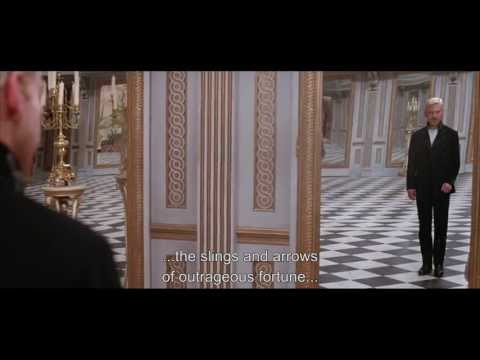
pause در ۳۰ ثانیه
- To pause is to stop an action temporarily with the clear intention of starting it again soon, making it a transitional moment rather than a final end.
- It is commonly used in technology to suspend media playback and in speech to allow for reflection, emphasis, or a brief moment to catch one's breath.
- Grammatically, it can be used with an object (pause the video) or without one (he paused to think), often followed by prepositions like 'for' or 'to'.
- It differs from 'stop' by its temporary nature and from 'hesitate' by its lack of necessary negative emotion or uncertainty, serving as a neutral temporal marker.
The verb pause is a fundamental element of human communication, physical activity, and technological interaction. At its core, to pause means to interrupt an ongoing action with the specific intention of resuming it later. Unlike the word 'stop,' which often implies a finality or a permanent cessation, pausing is inherently transitional. It is the space between two states of being or two parts of a process. In the modern digital era, we pause videos, music, and downloads, creating a static moment in a dynamic stream of data. In physical terms, an athlete might pause to catch their breath, or a worker might pause to wipe sweat from their brow. The essence of the word lies in its temporary nature; it is a bridge of silence or stillness that connects what came before with what will follow. When you pause, you are not giving up; you are simply gathering resources, whether those resources are physical air, mental clarity, or simply the time needed to attend to a secondary task like answering a doorbell while watching a film.
- Temporal Aspect
- The duration of a pause can range from a fraction of a second in speech to several days in a long-term project, but the defining characteristic is the expectation of continuation.
The speaker decided to pause for a moment to let the weight of her words sink into the audience's minds.
Linguistically, pausing serves as a powerful rhetorical tool. Great orators understand that silence is often as communicative as speech. By pausing before a significant point, a speaker builds anticipation; by pausing after a point, they allow for reflection. This is often referred to as a 'dramatic pause' or a 'rhetorical pause.' In social settings, pausing can indicate hesitation, thoughtfulness, or even a lack of confidence, depending on the context and the length of the silence. For example, if someone asks you a difficult question and you pause before answering, it suggests you are giving the matter serious consideration. However, a pause that lasts too long might be interpreted as confusion or a desire to avoid the question entirely. Thus, the verb carries significant social weight and requires a nuanced understanding of timing and social cues to use effectively in conversation.
- Technological Usage
- In software and hardware, 'pause' is a command that suspends execution without terminating the process, preserving the current state for immediate resumption.
Please pause the recording while we wait for the late arrivals to find their seats.
Furthermore, the word 'pause' is deeply embedded in our psychological well-being. The 'power of the pause' is a common theme in mindfulness and productivity literature. It refers to the practice of taking a brief moment to breathe and center oneself before reacting to a stressful situation. By pausing, an individual can move from a reactive, emotional state to a proactive, logical state. This mental pause allows for better decision-making and emotional regulation. In this context, pausing is not a sign of weakness or indecision, but rather a strategic choice to improve the quality of one's actions. Whether it is pausing a game to take a break or pausing a heated argument to cool down, the act provides a necessary buffer in the fast-paced flow of modern life.
- Biological Context
- In biology, organisms may pause their growth or metabolic activity during unfavorable conditions, a process known as diapause or dormancy.
The heart does not truly pause in its duty, but the rhythm may slow during deep sleep.
He had to pause his career to care for his aging parents, but he plans to return to the workforce next year.
The rain seemed to pause just long enough for the wedding guests to reach the reception hall.
Using the verb 'pause' correctly involves understanding its grammatical flexibility. It can function as an intransitive verb, meaning it does not require a direct object, or as a transitive verb, where it acts upon something. When used intransitively, it often describes a person or an entity stopping their own action. For example, 'He paused before entering the room.' Here, the subject (he) is the one performing the pause. This usage is very common in narrative writing to describe the flow of a character's movements or thoughts. It creates a sense of pacing and allows the reader to experience the same hesitation or moment of reflection as the character. The intransitive use is frequently followed by prepositional phrases that indicate the reason or the duration, such as 'pause for breath,' 'pause for thought,' or 'pause for a few seconds.'
- Intransitive Usage
- The subject stops their own activity. Example: 'The music paused, and the room went silent.'
She paused to admire the sunset before continuing her walk home.
In its transitive form, 'pause' is used to stop an external process or device. This is most common in technical contexts. You 'pause' a video, 'pause' a game, or 'pause' a download. In these instances, the verb is followed by a direct object. This usage has become ubiquitous with the rise of digital media. It is important to note that when you pause something, there is an implicit understanding that the state of the object is preserved. If you pause a game, you expect to return to the exact same level and position. If you pause a video, you expect it to resume from the same frame. This distinguishes 'pause' from 'stop' or 'cancel,' which might reset the progress or close the application entirely. Understanding this distinction is crucial for clear communication in technical or instructional settings.
- Transitive Usage
- The subject stops an external object or process. Example: 'Can you pause the movie for a second?'
The technician had to pause the assembly line to fix a minor mechanical error.
Another sophisticated way to use 'pause' is in the context of abstract concepts like time, life, or history. Writers often use it metaphorically to describe a moment where everything seems to stand still. For instance, 'Time seemed to pause as they shared their first kiss.' This usage elevates the word from a simple action to a poetic description of an experience. It suggests that the intensity of the moment is so great that the normal flow of the world is interrupted. Similarly, one might 'pause to consider the implications' of a major decision. This implies a deep, deliberate stop in one's mental processing to ensure that the next step is the correct one. In academic and professional writing, this use of 'pause' signals a transition to a more analytical or reflective section of the text.
- Metaphorical Usage
- Using 'pause' to describe abstract interruptions. Example: 'The world paused in shock at the news of the discovery.'
Let us pause and reflect on the achievements of the past year before we set our new goals.
The software will pause the update if the battery level drops below twenty percent.
He paused mid-sentence, realizing he had almost revealed the surprise.
In everyday life, you will encounter the word 'pause' in a variety of settings, ranging from the most casual to the highly professional. Perhaps the most frequent place you hear it is in the context of home entertainment. Whether you are watching Netflix, YouTube, or playing a video game, the 'pause button' is a constant companion. Friends might say, 'Wait, pause that! I missed what he said,' or 'Can we pause the game? I need to get a snack.' In these contexts, the word is almost always used as a command or a request to stop a digital stream. It is so common that the icon for pause—two vertical lines—is universally recognized across cultures and languages, often serving as a visual synonym for the word itself. This technological ubiquity has made 'pause' one of the first verbs many English learners master in a practical sense.
- Digital Media
- Commonly heard when managing video, audio, or interactive software. Example: 'I'll pause the podcast while you take that call.'
Don't pause the music; I love this song!
In professional and academic environments, 'pause' is used to manage the flow of information and collaboration. During a meeting, a chairperson might say, 'Let's pause here for a moment to see if there are any questions.' This is a polite way to invite feedback and ensure everyone is on the same page. In a classroom, a teacher might pause their lecture to allow students to take notes or to check for understanding. In these scenarios, the pause is a deliberate pedagogical or managerial tool. It creates a space for interaction and prevents the audience from becoming overwhelmed by a continuous stream of information. You might also hear it in the context of project management, where a team might 'pause a project' due to budget constraints or a shift in priorities. Here, it signifies a strategic delay rather than a failure or a permanent cancellation.
- Workplace & Education
- Used to manage discussions, lectures, and project timelines. Example: 'We need to pause the hiring process until the new budget is approved.'
The professor paused to look at his notes before continuing the complex explanation.
Finally, 'pause' is a key term in the world of sports and physical fitness. Coaches often tell their athletes to 'pause at the top of the movement' during weightlifting to ensure proper form and muscle engagement. In team sports, a referee might 'pause the clock' during a timeout or an injury. In these cases, the pause is a formal part of the rules and structure of the activity. Even in casual fitness, like yoga or running, instructors might encourage participants to 'pause and notice how your body feels.' This mindful application of the word helps individuals connect with their physical state. Whether it's a literal button on a screen or a figurative break in a conversation, the word 'pause' is a constant signal that something is being held in place, ready to start again when the time is right.
- Sports & Fitness
- Refers to stopping the game clock or holding a physical position. Example: 'The referee paused the match due to the heavy rain.'
Make sure to pause for two seconds at the bottom of your squat.
The news anchor paused for a moment, waiting for the live feed from the scene to connect.
I had to pause my audiobook because the traffic was getting too loud.
One of the most frequent mistakes learners make is confusing 'pause' with 'stop.' While both involve a cessation of action, the intent behind them is different. 'Stop' is a general term that can mean ending something permanently or temporarily. 'Pause' specifically implies a temporary break with the intent to resume. For example, if you say 'I stopped the movie,' it might mean you finished it or you turned it off for the night. If you say 'I paused the movie,' it clearly means you intend to come back and watch the rest soon. Using 'stop' when you mean 'pause' can lead to minor misunderstandings, especially in technical contexts where 'stopping' a process might lose data while 'pausing' it saves the state. Always consider if the action is truly over or just on hold.
- Pause vs. Stop
- Mistake: 'I need to stop the video to answer the phone.' (Better: 'I need to pause the video.')
Don't say you've stopped your studies if you only intend to take a summer break; say you've paused them.
Another common error is the confusion between 'pause' and 'hesitate.' While they are related, 'hesitate' often carries a negative connotation of being unsure, afraid, or reluctant. 'Pause' is more neutral and simply describes the physical or temporal act of stopping. If you 'hesitate before speaking,' it suggests you are nervous or choosing your words carefully because of the difficulty of the situation. If you 'pause before speaking,' it might just be for dramatic effect or to take a breath. Learners often use 'hesitate' when they simply mean a neutral stop. For instance, 'The computer hesitated' is less common than 'The computer paused' (though 'hesitated' can be used personify the machine). Understanding the emotional undertones of 'hesitate' will help you choose the more accurate 'pause' when the stop is merely functional.
- Pause vs. Hesitate
- Mistake: 'He paused to jump into the cold water.' (Better: 'He hesitated before jumping,' as it implies fear.)
A professional speaker knows how to pause without appearing to hesitate.
Grammatically, some learners struggle with the prepositions that follow 'pause.' It is common to see 'pause to [verb]' (pause to think) or 'pause for [noun]' (pause for a break). A mistake is using 'pause of' or 'pause on' in ways that don't fit the standard English patterns. For example, 'He paused on his work' is incorrect; it should be 'He paused his work' (transitive) or 'He paused in his work' (intransitive). Additionally, ensure you don't confuse the verb 'pause' with the noun 'paws' (the feet of an animal). While they sound identical (homophones), their meanings and spellings are entirely different. This is a common spelling error in written English, even for native speakers in a hurry. Always double-check the context to ensure you are using the temporal stop and not the animal part!
- Preposition Errors
- Mistake: 'Let's pause of the meeting.' (Correct: 'Let's pause the meeting' or 'Let's have a pause in the meeting.')
The cat licked its paws (noun), but the video continued to pause (verb) due to the slow internet.
I paused to check the map, not because I was lost, but to confirm the next turn.
The runner paused at the water station for a quick drink.
To truly master the word 'pause,' it is helpful to compare it with its synonyms and near-synonyms. Each alternative carries a slightly different nuance that can change the tone of your sentence. 'Halt' is a more formal and forceful synonym. It often implies an official or sudden stop, such as 'The soldiers were ordered to halt.' While 'pause' is gentle and temporary, 'halt' can feel more definitive and authoritative. 'Cease' is another formal alternative, often used in legal or official contexts, like 'cease and desist.' It usually implies a more permanent stopping than 'pause.' If you want to sound more professional or serious, you might choose 'suspend.' For example, 'The company decided to suspend operations' sounds more significant than 'The company decided to pause operations,' though both imply the possibility of restarting.
- Pause vs. Halt
- 'Pause' is a brief, often informal stop. 'Halt' is a more sudden, formal, or authoritative stop.
- Pause vs. Suspend
- 'Pause' is used for short durations or media. 'Suspend' is used for formal processes, rules, or official activities.
The referee called for a halt to the proceedings, but the coach just wanted to pause for a timeout.
In more casual or specific contexts, you might use 'wait' or 'rest.' 'Wait' focuses on the time spent during the stop, while 'pause' focuses on the act of stopping the activity itself. For example, 'Wait for me!' focuses on the time the other person needs to spend, whereas 'Pause for a second' focuses on the interruption of their movement. 'Rest' implies a need for recovery or relaxation. You might 'pause your workout' (stop the timer/activity) to 'rest your muscles' (recover). Another interesting alternative is 'intermission' or 'break,' which are nouns often used with the verb 'take.' You 'take a break' or 'take an intermission.' These are more structured and often longer than a simple 'pause.' Using these alternatives correctly will make your English sound more natural and precise.
- Pause vs. Wait
- 'Pause' is the action of stopping. 'Wait' is the state of staying in one place until something happens.
- Pause vs. Break
- A 'pause' is usually very short and immediate. A 'break' is a planned period of rest from work or duty.
We will pause the meeting for ten minutes so everyone can take a short break.
The software will suspend your account if you do not pay the fee, but you can pause your subscription voluntarily.
Please wait while the system pauses all background tasks to speed up the installation.
چقدر رسمی است؟
نکته جالب
The musical term 'pause' (also known as a fermata) tells a performer to hold a note longer than its written value, showing the word's long history in the arts.
راهنمای تلفظ
- Pronouncing it like 'pows' (rhyming with 'cows').
- Confusing the spelling with 'paws' (animal feet).
- Making the 's' sound like a soft 's' instead of a 'z' sound.
- Shortening the vowel sound too much.
- Adding an extra syllable at the end.
سطح دشواری
Very common in all types of texts, easy to recognize.
Requires knowledge of correct prepositions like 'for' and 'to'.
Simple to pronounce and very useful in daily life.
Easy to hear, though sometimes confused with 'paws'.
بعداً چه یاد بگیریم؟
پیشنیازها
بعداً یاد بگیرید
پیشرفته
گرامر لازم
Infinitive of Purpose
He paused to check his phone. (The reason he paused was to check his phone.)
Prepositional Phrases with 'For'
She paused for a moment. (Indicates the duration of the pause.)
Transitive vs. Intransitive
I paused the music (Transitive). I paused (Intransitive).
Gerunds after Prepositions
He left without pausing. ('Pausing' is the gerund form after 'without'.)
Past Participle as Adjective
The paused video stayed on the screen. ('Paused' describes the video.)
مثالها بر اساس سطح
Please pause the video.
Veuillez mettre la vidéo en pause.
Imperative form of the verb.
I pause the music to talk.
J'arrête la musique pour parler.
Present simple tense.
He pauses at the red light.
Il s'arrête au feu rouge.
Third-person singular 's'.
Can you pause for a second?
Peux-tu t'arrêter une seconde ?
Question with modal verb 'can'.
We pause to eat lunch.
Nous nous arrêtons pour déjeuner.
Pause followed by 'to' + infinitive.
She paused the game.
Elle a mis le jeu en pause.
Past simple tense.
They pause in the park.
Ils s'arrêtent dans le parc.
Present simple with a prepositional phrase.
Don't pause the movie yet!
Ne mets pas encore le film en pause !
Negative imperative.
She paused to catch her breath.
Elle s'est arrêtée pour reprendre son souffle.
Past simple showing purpose.
The teacher paused for a moment.
Le professeur s'est arrêté un instant.
Subject + verb + prepositional phrase.
I will pause the download now.
Je vais mettre le téléchargement en pause maintenant.
Future with 'will'.
He paused before he answered me.
Il a hésité avant de me répondre.
Pause used with a time conjunction 'before'.
The rain paused for an hour.
La pluie s'est arrêtée pendant une heure.
Intransitive use with duration.
We should pause and look at the map.
Nous devrions nous arrêter et regarder la carte.
Modal verb 'should' + base form.
She is pausing the recording.
Elle est en train de mettre l'enregistrement en pause.
Present continuous tense.
The bird paused on the branch.
L'oiseau s'est posé un instant sur la branche.
Past simple with location.
He paused to consider the offer.
Il s'est arrêté pour réfléchir à l'offre.
Infinitive of purpose.
The speaker paused for dramatic effect.
L'orateur a marqué une pause pour l'effet dramatique.
Noun phrase 'dramatic effect'.
You can pause the subscription anytime.
Vous pouvez suspendre l'abonnement à tout moment.
Transitive use in a business context.
She paused mid-sentence to listen.
Elle s'est arrêtée au milieu de sa phrase pour écouter.
Compound word 'mid-sentence'.
The music paused, then started again.
La musique s'est arrêtée, puis a recommencé.
Sequence of events in past simple.
Let's pause the meeting for ten minutes.
Suspendons la réunion pendant dix minutes.
Suggestion with 'Let's'.
He paused to wipe the sweat from his brow.
Il s'est arrêté pour s'essuyer le front.
Action followed by a physical detail.
The software paused the update automatically.
Le logiciel a mis la mise à jour en pause automatiquement.
Adverb 'automatically' modifying the verb.
She paused, reflecting on her childhood.
Elle s'est arrêtée, réfléchissant à son enfance.
Participle phrase 'reflecting on...'.
The government paused the new law's rollout.
Le gouvernement a suspendu le déploiement de la nouvelle loi.
Transitive use with a complex object.
He paused, unsure of how to proceed.
Il s'est arrêté, incertain de la marche à suivre.
Adjective phrase describing the subject's state.
The film pauses at a crucial moment.
Le film s'arrête à un moment crucial.
Present simple for literary/artistic description.
We had to pause the project due to funding.
Nous avons dû suspendre le projet à cause du financement.
Modal 'had to' + base form.
She paused to admire the intricate details.
Elle s'est arrêtée pour admirer les détails complexes.
Focus on the reason for the pause.
The athlete paused to adjust his equipment.
L'athlète s'est arrêté pour ajuster son équipement.
Subject + verb + infinitive phrase.
The conversation paused awkwardly.
La conversation s'est arrêtée maladroitement.
Adverb 'awkwardly' modifying the intransitive verb.
He paused, allowing the gravity of the news to sink in.
Il s'est arrêté, laissant la gravité de la nouvelle s'imposer.
Present participle phrase showing consequence.
The author often pauses the narrative to provide backstory.
L'auteur interrompt souvent le récit pour fournir des antécédents.
Transitive use in literary analysis.
The economy paused its growth during the crisis.
L'économie a marqué un temps d'arrêt dans sa croissance pendant la crise.
Metaphorical use in a formal context.
She paused, her eyes searching his for the truth.
Elle s'est arrêtée, ses yeux cherchant la vérité dans les siens.
Absolute construction following the main clause.
The machine will pause if it detects an obstruction.
La machine s'arrêtera si elle détecte une obstruction.
Conditional sentence (Type 1).
Let us pause to honor those who came before us.
Marquons une pause pour honorer ceux qui nous ont précédés.
Formal call to action.
The heart may pause briefly during certain medical procedures.
Le cœur peut s'arrêter brièvement lors de certaines interventions médicales.
Scientific/medical context.
He paused, seemingly lost in a world of his own.
Il s'est arrêté, semblant perdu dans son propre monde.
Adverbial phrase 'seemingly lost...'.
The symphony paused, the silence more profound than the music.
La symphonie s'est tue, le silence étant plus profond que la musique.
Literary use with a comparative clause.
The rapid pace of technological change shows no sign of pausing.
Le rythme rapide du changement technologique ne montre aucun signe de ralentissement.
Gerund 'pausing' as the object of a preposition.
He paused, the weight of history resting on his shoulders.
Il s'est arrêté, le poids de l'histoire reposant sur ses épaules.
Metaphorical absolute construction.
The algorithm is designed to pause when data integrity is compromised.
L'algorithme est conçu pour s'interrompre lorsque l'intégrité des données est compromise.
Passive voice with an infinitive of purpose.
She paused, as if to gather the fragments of her shattered resolve.
Elle s'est arrêtée, comme pour rassembler les fragments de sa résolution brisée.
Conjunction 'as if' + infinitive.
The universe itself seemed to pause in anticipation of the event.
L'univers lui-même semblait s'arrêter dans l'attente de l'événement.
Personification of an abstract concept.
The legislative process was paused to allow for further deliberation.
Le processus législatif a été suspendu pour permettre une délibération plus approfondie.
Formal passive voice.
He paused, his silence a more eloquent rebuttal than any words.
Il s'est arrêté, son silence étant une réfutation plus éloquente que n'importe quel mot.
Appositive phrase describing the effect of the pause.
مترادفها
متضادها
ترکیبهای رایج
عبارات رایج
— To make someone stop and think seriously about something because it is surprising or worrying.
The high cost of the project gave the board pause.
— Doing something continuously without any stops or interruptions.
She worked for six hours without pause.
— To stop speaking for a moment to make what you just said seem more important or dramatic.
The politician paused for effect before announcing the new policy.
— The physical or digital button used to stop media playback temporarily.
Where is the pause button on this remote?
— A silence that is full of meaning or expectation, often because something important is about to happen.
There was a pregnant pause after he asked her to marry him.
— A brief period of quiet or inactivity during a busy event or story.
During a pause in the action, the players grabbed some water.
— To stop an activity briefly to eat something small.
Let's pause for a snack before we finish the hike.
— To stop what you are doing to think deeply about something.
New Year's Eve is a good time to pause to reflect on the past year.
— A very short stop that lasts only a few seconds.
There was a momentary pause in the conversation while they ordered drinks.
— To stop the official timer in a sports game.
The referee paused the clock due to an injury on the field.
اغلب اشتباه گرفته میشود با
Paws are animal feet; pause is a temporary stop. They sound the same.
Pores are small openings in the skin. They sound similar in some accents but have no relation.
Pours means to flow rapidly. It is a homophone in many accents but has a different meaning.
اصطلاحات و عبارات
— To cause someone to hesitate and consider something more carefully.
The recent data should give pause for thought to anyone planning to invest.
Formal— To take a break from a stressful situation or a busy life.
I need to hit the pause button on my career and travel for a while.
Informal— A common phrase encouraging mindfulness and deep thinking.
Before you send that angry email, pause and reflect on the consequences.
Neutral— Doing something immediately without any hesitation.
He jumped into the river without a moment's pause to save the child.
Neutral— A short break that makes you feel more energetic (originally a Coca-Cola slogan).
A quick walk in the park was the pause that refreshes during my long workday.
Informal— The idea that stopping briefly before reacting can lead to better outcomes.
In leadership, the power of the pause is a vital skill for emotional intelligence.
Professional— To stop an activity to support a charitable or social reason.
The company will pause for a cause and donate all profits from today to charity.
Informal— To act impulsively without considering the results.
He didn't pause to think before spending all his savings on the car.
Neutral— To seem to stop moving while off the ground (often used for birds or athletes).
The hummingbird seemed to pause in mid-air as it sipped from the flower.
Descriptive— To step away from all responsibilities for a short time.
Sometimes you just need to press pause on life and spend a weekend in the mountains.
Informalبهراحتی اشتباه گرفته میشود
Both mean ending an action.
'Stop' can be permanent or final, while 'pause' is always temporary with the intent to resume.
I stopped smoking (forever). I paused the movie (for a minute).
Both involve a delay in action.
'Hesitate' implies doubt, fear, or uncertainty. 'Pause' is a neutral physical or temporal stop.
He hesitated to jump (he was scared). He paused to jump (he was waiting for a signal).
Both involve time where nothing is happening.
'Wait' is the state of staying still for something else to happen. 'Pause' is the act of interrupting an ongoing activity.
I am waiting for the bus. I paused my work to answer the phone.
Both mean a temporary stop.
'Suspend' is much more formal and usually refers to official rules, licenses, or large-scale operations.
The driver's license was suspended. The video was paused.
Both refer to a period of rest.
A 'break' is usually a planned, longer period of rest from work. A 'pause' is a very short, often immediate interruption.
Let's take a lunch break. Let's pause the meeting for a second.
الگوهای جملهسازی
Pause the [noun].
Pause the music.
Subject + paused + to + [verb].
He paused to look.
Subject + paused + for + [noun].
She paused for a break.
Can you pause the [noun]?
Can you pause the game?
There was a [adjective] pause.
There was a long pause.
Subject + paused, [participle phrase].
He paused, thinking about the future.
Without + pausing, Subject + [verb].
Without pausing, she ran inside.
Subject + paused + as if + to + [verb].
She paused as if to speak.
خانواده کلمه
اسمها
فعلها
صفتها
مرتبط
نحوه استفاده
Extremely high in both spoken and written English, especially in the context of technology and media.
-
I stopped the video for a second.
→
I paused the video for a second.
While 'stopped' is okay, 'paused' is much better because it clearly shows the stop is temporary and you will continue watching.
-
He paused of his work.
→
He paused his work.
'Pause' is a transitive verb here and does not need the preposition 'of'. You pause something directly.
-
The cat has soft pause.
→
The cat has soft paws.
This is a spelling error. 'Paws' are animal feet; 'pause' is a temporary stop.
-
She hesitated the music.
→
She paused the music.
'Hesitate' is an intransitive verb about a person's feelings; it cannot take an object like 'the music'. Use 'pause' for technology.
-
Let's pause to a break.
→
Let's pause for a break.
The correct preposition to use with a noun like 'break' is 'for'. Use 'to' with verbs (pause to rest).
نکات
Use Pauses for Emphasis
When giving a presentation, pause for two seconds after you say something very important. This gives the audience time to understand your point and makes you sound more confident and professional.
Vary Your Synonyms
Instead of always using 'stopped', try using 'paused' when the action is only temporary. This makes your writing more precise and helps the reader understand the timing of the events better.
Pause vs. Stop in Software
In many computer programs, 'pause' keeps the data in the memory so you can start again quickly. 'Stop' might close the file or reset the progress. Always choose 'pause' if you want to come back soon.
Pause + To vs. Pause + For
Use 'pause to' followed by a verb (pause to think) and 'pause for' followed by a noun (pause for a minute). This is a common pattern that will help you sound more like a native speaker.
Don't Fear the Silence
In a conversation, a pause is not always bad. It can show that you are listening and taking the other person's words seriously. Don't feel like you have to fill every second with talking.
Learn the Homophones
Remember that 'pause' and 'paws' sound the same. If you are writing about a dog, use 'paws'. If you are writing about stopping a video, use 'pause'. This is a very common spelling test question!
The 3-Second Pause
If you feel angry or stressed, try to pause for three seconds before you speak. This small break can help you choose your words more carefully and stay calm in difficult situations.
Look for Punctuation
In literature, commas, dashes, and ellipses (...) are often used to show where a character pauses. When reading aloud, try to actually stop for a moment at these marks to capture the rhythm.
Identify the 'Z' Sound
The 's' in 'pause' is pronounced like a 'z'. Practice saying 'paws' and 'pause'—they are exactly the same. This will help you recognize the word even in fast speech.
Pause Your Notifications
If you need to focus, 'pause' your phone notifications. This is a temporary stop that allows you to work better without being interrupted by every message or email.
حفظ کنید
روش یادسپاری
Think of the 'P' in Pause as a person standing still. The 'ause' sounds like 'laws', and the 'law' says you must stop for a moment!
تداعی تصویری
Visualize the two vertical bars (||) on a remote control. Imagine those bars are two legs standing still on the ground.
شبکه واژگان
چالش
Try to use the word 'pause' three times today: once about technology, once about a physical action, and once about a conversation.
ریشه کلمه
The word 'pause' comes from the Old French 'pause' and directly from the Latin 'pausa', which means a halt or a stop. This Latin term was borrowed from the Greek 'pausis', which means 'stopping' or 'ceasing', derived from the verb 'pauein', meaning 'to stop' or 'to bring to an end'.
معنای اصلی: A temporary stop or cessation in an activity.
Indo-European (Greek -> Latin -> French -> English)بافت فرهنگی
Be aware that in high-stakes negotiations, a deliberate pause can be used as a power move to make the other party feel uncomfortable.
In the UK and US, a 'dramatic pause' is a common technique in storytelling and public speaking to build tension.
تمرین در زندگی واقعی
موقعیتهای واقعی
Watching a Movie
- Pause the video.
- Hit the pause button.
- Where is the pause?
- I paused it.
Public Speaking
- Pause for effect.
- A dramatic pause.
- Pause to let it sink in.
- Take a breath.
Work/Projects
- Pause the project.
- Let's pause here.
- A temporary pause.
- Pause the hiring.
Physical Exercise
- Pause at the top.
- Take a short pause.
- Pause for water.
- Don't pause yet.
Conversations
- He paused before speaking.
- An awkward pause.
- Pause for thought.
- Without a pause.
شروعکنندههای مکالمه
"Do you ever feel like you need to pause your life and just take a long vacation?"
"When you watch a movie with friends, do you hate it when someone pauses it too often?"
"How long do you usually pause to think before making a big decision?"
"Do you think it's important for a public speaker to pause frequently during a speech?"
"What is the longest you have ever had to pause a project you were working on?"
موضوعات نگارش
Describe a moment in your life where time seemed to pause. What was happening and how did it feel?
Write about a project or a hobby you had to pause. Why did you stop, and do you plan to resume it?
Reflect on the 'power of the pause.' How can taking a brief moment to breathe help you in your daily life?
Think about a conversation that had an awkward pause. What caused the silence and how was it broken?
If you could press a 'pause button' on any part of your day, which part would it be and why?
سوالات متداول
10 سوالIt can be both! As a verb, it means the action of stopping temporarily (e.g., 'Please pause the video'). As a noun, it refers to the stop itself (e.g., 'There was a long pause in the conversation').
Usually, we say 'stop the car' or 'park the car'. 'Pause' is rarely used for vehicles unless you are talking about a self-driving car's software or a simulation. In real life, 'stop' is the correct word.
A 'pause' is typically much shorter and happens right in the middle of an action. A 'break' is often a scheduled period of rest, like a coffee break or a school break, and usually lasts longer than a pause.
The plural is 'pauses'. For example, 'The speech was full of long pauses.' It is pronounced with an extra 'iz' sound at the end: /pɔːzɪz/.
Yes, people pause all the time! You can pause to think, pause to catch your breath, or pause before saying something important. It describes a person stopping their own movement or speech.
It is neutral. You can use it in a casual way with friends ('Pause the game!') or in a formal way in business ('We will pause the project for now'). It is appropriate for all situations.
This is an idiom meaning to make someone stop and think carefully about something because it is worrying or unexpected. For example, 'The high price of the house gave us pause.'
The most common opposites are 'continue', 'resume', or 'proceed'. If you pause a video, you 'resume' it or 'play' it again.
Yes, 'pausing' is the present participle and gerund form of the verb. For example, 'He is pausing the music' or 'Pausing to think is a good habit.'
No, 'pause' specifically implies that the stop is temporary. If you want to say something has ended forever, use 'stop', 'finish', 'end', or 'cease'.
خودت رو بسنج 200 سوال
Write a sentence about pausing a video.
خوب نوشتید! تلاش خوبی بود! پاسخ نمونه را ببینید.
Write a sentence using 'pause' to describe a person walking.
خوب نوشتید! تلاش خوبی بود! پاسخ نمونه را ببینید.
Use 'pause for thought' in a sentence.
خوب نوشتید! تلاش خوبی بود! پاسخ نمونه را ببینید.
Write a formal sentence about pausing a project.
خوب نوشتید! تلاش خوبی بود! پاسخ نمونه را ببینید.
Describe a 'dramatic pause' in a sentence.
خوب نوشتید! تلاش خوبی بود! پاسخ نمونه را ببینید.
Write a sentence about pausing a subscription.
خوب نوشتید! تلاش خوبی بود! پاسخ نمونه را ببینید.
Use 'without pause' in a sentence.
خوب نوشتید! تلاش خوبی بود! پاسخ نمونه را ببینید.
Write a sentence about a machine pausing.
خوب نوشتید! تلاش خوبی بود! پاسخ نمونه را ببینید.
Use 'pause mid-sentence' in a sentence.
خوب نوشتید! تلاش خوبی بود! پاسخ نمونه را ببینید.
Write a sentence about the 'power of the pause'.
خوب نوشتید! تلاش خوبی بود! پاسخ نمونه را ببینید.
Write a sentence about a bird pausing.
خوب نوشتید! تلاش خوبی بود! پاسخ نمونه را ببینید.
Use 'pause for breath' in a sentence.
خوب نوشتید! تلاش خوبی بود! پاسخ نمونه را ببینید.
Write a sentence about an awkward pause.
خوب نوشتید! تلاش خوبی بود! پاسخ نمونه را ببینید.
Use 'pause and reflect' in a sentence.
خوب نوشتید! تلاش خوبی بود! پاسخ نمونه را ببینید.
Write a sentence about a referee pausing a game.
خوب نوشتید! تلاش خوبی بود! پاسخ نمونه را ببینید.
Use 'momentary pause' in a sentence.
خوب نوشتید! تلاش خوبی بود! پاسخ نمونه را ببینید.
Write a sentence about pausing a download.
خوب نوشتید! تلاش خوبی بود! پاسخ نمونه را ببینید.
Use 'give someone pause' in a sentence.
خوب نوشتید! تلاش خوبی بود! پاسخ نمونه را ببینید.
Write a sentence about a 'pregnant pause'.
خوب نوشتید! تلاش خوبی بود! پاسخ نمونه را ببینید.
Write a sentence about pausing to admire something.
خوب نوشتید! تلاش خوبی بود! پاسخ نمونه را ببینید.
Tell me about a time you had to pause a project.
این را بلند بخوانید:
تو گفتی:
تشخیص گفتار در مرورگر شما پشتیبانی نمیشود. از کروم یا اج استفاده کنید.
Do you like to pause movies often? Why or why not?
این را بلند بخوانید:
تو گفتی:
تشخیص گفتار در مرورگر شما پشتیبانی نمیشود. از کروم یا اج استفاده کنید.
How do you feel when there is an awkward pause in a conversation?
این را بلند بخوانید:
تو گفتی:
تشخیص گفتار در مرورگر شما پشتیبانی نمیشود. از کروم یا اج استفاده کنید.
Why is it important for a teacher to pause during a lesson?
این را بلند بخوانید:
تو گفتی:
تشخیص گفتار در مرورگر شما پشتیبانی نمیشود. از کروم یا اج استفاده کنید.
Describe a 'dramatic pause' you have seen in a movie.
این را بلند بخوانید:
تو گفتی:
تشخیص گفتار در مرورگر شما پشتیبانی نمیشود. از کروم یا اج استفاده کنید.
Do you ever 'pause and reflect' on your day? How?
این را بلند بخوانید:
تو گفتی:
تشخیص گفتار در مرورگر شما پشتیبانی نمیشود. از کروم یا اج استفاده کنید.
What would you do if you could pause time for one hour?
این را بلند بخوانید:
تو گفتی:
تشخیص گفتار در مرورگر شما پشتیبانی نمیشود. از کروم یا اج استفاده کنید.
Explain the difference between 'pause' and 'stop' to a friend.
این را بلند بخوانید:
تو گفتی:
تشخیص گفتار در مرورگر شما پشتیبانی نمیشود. از کروم یا اج استفاده کنید.
When do you usually 'pause for breath'?
این را بلند بخوانید:
تو گفتی:
تشخیص گفتار در مرورگر شما پشتیبانی نمیشود. از کروم یا اج استفاده کنید.
Is it easy to 'pause' your life when you are busy?
این را بلند بخوانید:
تو گفتی:
تشخیص گفتار در مرورگر شما پشتیبانی نمیشود. از کروم یا اج استفاده کنید.
How do you use the 'pause' button on your phone?
این را بلند بخوانید:
تو گفتی:
تشخیص گفتار در مرورگر شما پشتیبانی نمیشود. از کروم یا اج استفاده کنید.
What kind of news would 'give you pause'?
این را بلند بخوانید:
تو گفتی:
تشخیص گفتار در مرورگر شما پشتیبانی نمیشود. از کروم یا اج استفاده کنید.
Do you think social media should have a 'pause' feature?
این را بلند بخوانید:
تو گفتی:
تشخیص گفتار در مرورگر شما پشتیبانی نمیشود. از کروم یا اج استفاده کنید.
Describe a time you paused to help someone.
این را بلند بخوانید:
تو گفتی:
تشخیص گفتار در مرورگر شما پشتیبانی نمیشود. از کروم یا اج استفاده کنید.
Why do athletes pause at the top of a movement?
این را بلند بخوانید:
تو گفتی:
تشخیص گفتار در مرورگر شما پشتیبانی نمیشود. از کروم یا اج استفاده کنید.
Talk about a 'pregnant pause' you experienced.
این را بلند بخوانید:
تو گفتی:
تشخیص گفتار در مرورگر شما پشتیبانی نمیشود. از کروم یا اج استفاده کنید.
How long is a 'momentary pause' for you?
این را بلند بخوانید:
تو گفتی:
تشخیص گفتار در مرورگر شما پشتیبانی نمیشود. از کروم یا اج استفاده کنید.
Do you pause your music when you are walking in a busy street?
این را بلند بخوانید:
تو گفتی:
تشخیص گفتار در مرورگر شما پشتیبانی نمیشود. از کروم یا اج استفاده کنید.
What is the 'power of the pause' in your opinion?
این را بلند بخوانید:
تو گفتی:
تشخیص گفتار در مرورگر شما پشتیبانی نمیشود. از کروم یا اج استفاده کنید.
When was the last time you paused to admire nature?
این را بلند بخوانید:
تو گفتی:
تشخیص گفتار در مرورگر شما پشتیبانی نمیشود. از کروم یا اج استفاده کنید.
Listen and transcribe: 'Please pause the video now.'
Listen and transcribe: 'He paused to think about the answer.'
Listen and transcribe: 'There was a long pause in the room.'
Listen and transcribe: 'I will pause my subscription for a month.'
Listen and transcribe: 'She paused mid-sentence to listen.'
Listen and transcribe: 'The rain paused for a few minutes.'
Listen and transcribe: 'Don't pause the music yet!'
Listen and transcribe: 'He paused for dramatic effect.'
Listen and transcribe: 'We should pause and reflect on this.'
Listen and transcribe: 'The machine paused due to an error.'
Listen and transcribe: 'I paused the download to save speed.'
Listen and transcribe: 'There was an awkward pause.'
Listen and transcribe: 'He paused to wipe his brow.'
Listen and transcribe: 'Without pause, she continued her work.'
Listen and transcribe: 'The speaker paused, allowing the news to sink in.'
/ 200 درست
نمره کامل!
Summary
The verb 'pause' is essential for describing temporary interruptions in any flow, whether digital, physical, or verbal. For example, 'She paused the music to answer the door' shows a purposeful, temporary stop that preserves the current state for later.
- To pause is to stop an action temporarily with the clear intention of starting it again soon, making it a transitional moment rather than a final end.
- It is commonly used in technology to suspend media playback and in speech to allow for reflection, emphasis, or a brief moment to catch one's breath.
- Grammatically, it can be used with an object (pause the video) or without one (he paused to think), often followed by prepositions like 'for' or 'to'.
- It differs from 'stop' by its temporary nature and from 'hesitate' by its lack of necessary negative emotion or uncertainty, serving as a neutral temporal marker.
Use Pauses for Emphasis
When giving a presentation, pause for two seconds after you say something very important. This gives the audience time to understand your point and makes you sound more confident and professional.
Vary Your Synonyms
Instead of always using 'stopped', try using 'paused' when the action is only temporary. This makes your writing more precise and helps the reader understand the timing of the events better.
Pause vs. Stop in Software
In many computer programs, 'pause' keeps the data in the memory so you can start again quickly. 'Stop' might close the file or reset the progress. Always choose 'pause' if you want to come back soon.
Pause + To vs. Pause + For
Use 'pause to' followed by a verb (pause to think) and 'pause for' followed by a noun (pause for a minute). This is a common pattern that will help you sound more like a native speaker.