









drink 30秒了解
- Action of swallowing liquid.
- Irregular verb: drink, drank, drunk.
- Essential for survival and social life.
- Can be used metaphorically for absorption.
The verb drink is one of the most fundamental actions in the human experience, representing the biological necessity of ingesting liquids to maintain life. At its core, to drink means to take a liquid into the mouth and swallow it. This action is not merely a mechanical process; it is a vital function that supports hydration, nutrition, and temperature regulation within the body. Humans begin the act of drinking almost immediately after birth, and it remains a constant requirement throughout our lives. Beyond the biological imperative, the word 'drink' encompasses a vast array of social, cultural, and psychological dimensions. We drink to quench thirst, but we also drink to celebrate, to comfort ourselves, to socialize, and to participate in rituals that have existed for millennia. Whether it is a glass of cool water on a hot summer day, a warm cup of tea during a quiet afternoon, or a festive beverage at a wedding, the act of drinking is woven into the fabric of daily existence.
- Biological Context
- The body signals the need to drink through the sensation of thirst, triggered by the hypothalamus when fluid levels drop or salt concentrations rise. This physiological drive ensures that we consume enough water to facilitate cellular functions, digestion, and blood circulation.
After the long marathon, the runner needed to drink several liters of water to recover.
In social settings, the verb 'drink' often takes on a broader meaning. When someone asks, 'Would you like to go out for a drink?' they are usually referring to a social gathering where beverages—often, but not exclusively, alcoholic—are consumed. This usage highlights the role of drinking as a catalyst for conversation and community. Different cultures have developed elaborate ceremonies around drinking. For instance, the Japanese tea ceremony is a highly stylized ritual that emphasizes mindfulness and respect, while the British afternoon tea is a social institution that provides a pause in the day for connection and light nourishment. In many Mediterranean cultures, drinking coffee is a slow, deliberate process meant to be shared with friends over several hours. These examples illustrate that the word 'drink' is not just about the liquid itself, but about the context and the intention behind the action.
- Daily Routine
- Most people have a set of drinking habits, such as a morning coffee to wake up, water throughout the workday for focus, and perhaps a glass of milk or herbal tea before bed to promote sleep.
I always drink a large glass of water as soon as I wake up.
Furthermore, the verb 'drink' is used metaphorically in literature and everyday speech to describe the act of absorbing something deeply with the senses. One might 'drink in the beauty' of a sunset or 'drink in the words' of a captivating speaker. This metaphorical extension suggests a level of intensity and appreciation that goes beyond mere observation; it implies that the person is taking the experience into their very being, much like one takes liquid into the body. This versatility makes 'drink' a powerful word in the English language, capable of describing everything from the simplest physical act to the most profound emotional experience. Whether we are talking about survival, celebration, or sensory immersion, 'drink' remains a central verb in our vocabulary, reflecting its central role in our lives.
The tourists stood on the cliff, silent as they drank in the breathtaking view of the ocean.
- Hydration and Health
- Health professionals emphasize the importance of drinking enough water to prevent dehydration, which can lead to fatigue, headaches, and impaired cognitive function.
It is recommended that adults drink at least eight glasses of water a day.
The child watched the kitten drink milk from a small saucer.
Using the verb drink correctly involves understanding its irregular forms and its various grammatical applications. As an irregular verb, its principal parts are drink (present), drank (past), and drunk (past participle). This irregularity is a common source of confusion, even for native speakers, who sometimes mistakenly use 'drunk' as the simple past or 'drank' with auxiliary verbs. For example, the correct past tense is 'I drank the water,' while the correct use of the past participle is 'I have drunk the water.' Mastering these forms is essential for clear and accurate communication in English. The verb can be used transitively, meaning it takes a direct object (e.g., 'She drinks orange juice'), or intransitively, where no object is specified (e.g., 'They sat and drank for hours').
- Transitive Usage
- In transitive sentences, 'drink' is followed by the name of the liquid being consumed. This is the most common way to use the word in daily life.
Would you like to drink some cold lemonade with your lunch?
The verb 'drink' also pairs frequently with adverbs that describe the manner of the action. These adverbs provide more detail about how the person is consuming the liquid. For instance, someone might drink 'quickly' if they are in a hurry, 'slowly' if they are enjoying a hot beverage, 'noisily' (slurping), or 'thirstily' after physical exertion. These modifiers help paint a clearer picture of the scene. Additionally, 'drink' is often used in the imperative mood to give instructions or advice, such as 'Drink your milk' or 'Drink plenty of water.' In these cases, the verb acts as a command or a strong suggestion, emphasizing the importance of the action.
- Intransitive Usage
- When used without an object, 'drink' often refers to the act of consuming alcohol or simply the general act of taking in fluids.
The guests were invited to drink and be merry at the wedding reception.
In terms of sentence structure, 'drink' can appear in various tenses to indicate when the action occurs. The present continuous 'is drinking' describes an action happening right now ('He is drinking water'). The future tense 'will drink' indicates a future intention ('I will drink some tea later'). The perfect tenses, such as 'has drunk' or 'had drunk,' are used to describe completed actions in relation to another point in time. Understanding these temporal nuances allows for more sophisticated storytelling and reporting. Furthermore, the verb can be part of phrasal verbs like 'drink up,' which means to finish a drink completely, or 'drink down,' which often implies drinking something quickly or in one go. These variations add depth and specificity to the basic meaning of the word.
Please drink up your juice so we can leave for school.
- Metaphorical Sentences
- Using 'drink' metaphorically allows for evocative descriptions of sensory experiences, where the person 'consumes' an environment or feeling.
She sat on the porch to drink in the quiet of the early morning.
We watched the dry earth drink the rain after the long summer heat.
The word drink is ubiquitous in everyday English, appearing in a wide variety of contexts ranging from the most casual domestic settings to formal professional environments. In the home, it is a constant presence in conversations about meals and health. Parents might ask their children, 'Did you drink your milk?' or 'Make sure you drink enough water today.' In the kitchen, people discuss what they want to drink with dinner, whether it's water, soda, or wine. This domestic usage is characterized by its simplicity and directness, focusing on the immediate needs and habits of family members. It is one of the first verbs a child learns, as it relates to a basic physical need that is addressed multiple times a day.
- In Restaurants and Cafes
- This is perhaps the most common public setting for the word. Servers use it constantly to take orders and ensure guest satisfaction.
The waiter approached the table and asked, 'Can I get you something to drink while you look at the menu?'
In social and nightlife contexts, 'drink' is a central term. Bars, pubs, and clubs are places specifically designed for people to gather and drink. Here, the word is often used as a noun ('I'll have a drink') or a verb ('Let's drink to your promotion'). The culture of 'toasting' involves raising a glass and drinking together to honor someone or something. In these environments, the word carries connotations of celebration, relaxation, and sometimes excess. You will hear it in phrases like 'happy hour' (where drinks are cheaper) or 'last call' (the final opportunity to order a drink). The social etiquette surrounding drinking—such as who buys the first round—is a significant part of many cultures' social fabric.
- Medical and Health Settings
- Doctors and nurses use the word when giving advice on hydration or when discussing the consumption of certain medications or substances.
The doctor advised the patient to drink plenty of fluids to help recover from the flu.
In the world of sports and fitness, 'drink' is a key verb. Athletes are constantly reminded to drink water or sports drinks to maintain their performance and avoid the dangers of dehydration. You will see advertisements for beverages that claim to be the best thing to drink after a workout. At sporting events, spectators are often seen drinking from large cups as they cheer for their teams. The act of drinking is thus linked to physical health, endurance, and the enjoyment of leisure activities. Furthermore, in literature and film, 'drink' is used to create atmosphere or reveal character. A character who 'drinks alone' might be portrayed as lonely or troubled, while a group 'drinking together' suggests camaraderie and joy.
During the halftime break, the players rushed to the sidelines to drink water and catch their breath.
- In Literature and Media
- The word appears in countless songs, poems, and stories, often symbolizing life, knowledge, or the passage of time.
The poet wrote about how he would drink from the cup of life until it was empty.
The flight attendant asked if I wanted something to drink during the long flight.
One of the most frequent errors associated with the verb drink involves its irregular past forms. Many learners, and even some native speakers, struggle with the distinction between drank and drunk. The rule is straightforward but often misapplied: 'drank' is the simple past tense, used for actions that happened at a specific time in the past (e.g., 'I drank a glass of milk yesterday'). 'Drunk' is the past participle, used with auxiliary verbs like 'have,' 'has,' or 'had' to form perfect tenses (e.g., 'I have drunk three glasses of water today'). A common mistake is saying 'I have drank,' which is grammatically incorrect in standard English. Conversely, using 'drunk' as the simple past ('I drunk the juice') is also incorrect and is often associated with non-standard or informal dialects.
- The Drank vs. Drunk Confusion
- This is the most common grammatical pitfall. Remember: Drank stands alone; Drunk needs a helper (have/has/had).
Incorrect: I have drank all the tea. Correct: I have drunk all the tea.
Another area of confusion is the distinction between 'drink' and 'eat' when it comes to certain foods that are liquid or semi-liquid. For example, in English, we typically 'eat' soup, even if it is a smooth broth, because it is served in a bowl and consumed with a spoon. Saying 'I am drinking soup' can sound strange to native speakers unless the soup is in a cup and being sipped directly. Similarly, we 'eat' yogurt or pudding, even though they are soft. The choice between 'drink' and 'eat' often depends more on the vessel and the method of consumption than the physical state of the food itself. This is a subtle point that requires learners to pay attention to how native speakers describe their meals.
- Drink vs. Sip vs. Gulp
- Using 'drink' as a general term is always safe, but using more specific verbs can make your English more natural. Using 'drink' when 'sip' or 'gulp' is more appropriate can lose nuance.
He didn't just drink the water; he gulped it down in seconds because he was so thirsty.
A third common mistake is the unintended implication of alcohol consumption. As mentioned previously, the intransitive use of 'drink' (without an object) often refers specifically to alcoholic beverages. If a learner says, 'I like to drink in the evening,' a native speaker might assume they are talking about wine or beer. To avoid this confusion, it is better to be specific: 'I like to drink herbal tea in the evening.' Additionally, the adjective 'drunk' (meaning intoxicated) should never be confused with the verb participle. Saying 'I am drunk' means you have had too much alcohol, whereas 'I have drunk' is a statement about the act of consumption. This distinction is crucial for avoiding embarrassing social misunderstandings.
Be careful: 'He has drunk a lot' refers to the quantity, while 'He is drunk' refers to his state of intoxication.
- Countable vs. Uncountable
- While 'water' is uncountable, we often say 'a drink' or 'three drinks,' where 'drink' acts as a countable noun referring to a serving of liquid.
I'll have two drinks, please—one water and one orange juice.
She had to drink the medicine because it was a liquid syrup.
While drink is the most common and versatile verb for consuming liquids, English offers a rich variety of synonyms and alternatives that provide more specific information about how, why, or what someone is drinking. Choosing the right word can significantly enhance the precision and color of your language. For example, if you want to describe someone taking very small, careful amounts of a hot or flavorful liquid, sip is the perfect choice. It suggests a slow, deliberate pace, often associated with enjoyment or caution. On the other hand, if someone is consuming a large amount of liquid very quickly, perhaps because they are extremely thirsty, gulp or guzzle are more appropriate. 'Gulp' focuses on the large swallows, while 'guzzle' often implies a certain lack of manners or an almost desperate speed.
- Sip vs. Gulp
- Sipping is for hot tea or expensive wine; gulping is for cold water after a long run. One is about appreciation, the other about necessity.
She sipped her coffee slowly, enjoying the quiet morning, while her brother gulped down his juice and ran out the door.
In more formal or scientific contexts, you might encounter the verbs imbibe or consume. 'Imbibe' is a sophisticated word that often refers to drinking alcohol, but it can also be used metaphorically to mean absorbing ideas or knowledge. 'Consume' is a more general term that can apply to both food and drink, often used in discussions about nutrition or economics (e.g., 'The average person consumes two liters of water a day'). Another interesting alternative is quaff, a somewhat literary or old-fashioned word that means to drink deeply and with great enjoyment, often in a social or celebratory setting. It evokes images of hearty feasts and overflowing mugs.
- Slurp and Lap
- 'Slurp' describes the noisy sound of drinking, often considered impolite. 'Lap' is used specifically for animals like dogs or cats using their tongues to drink.
The dog lapped up the water from his bowl, making a messy slurping sound.
For those looking to describe the act of drinking in a very casual or slang-heavy way, words like chug or down are common. 'Chug' is specifically used when someone drinks an entire beverage without stopping, often as a challenge or in a party atmosphere. 'Down' is a simple way to say someone finished a drink quickly (e.g., 'He downed his beer and left'). On the opposite end of the spectrum, hydrate is a technical term that has become popular in health and fitness circles, focusing on the biological goal of drinking water rather than the act itself. By understanding these various alternatives, you can tailor your language to fit any situation, from a formal scientific report to a casual chat with friends.
It's important to hydrate properly before and after a long hike in the mountains.
- Formal Alternatives
- In a professional setting, instead of saying 'He drinks a lot of coffee,' you might say 'He has a high consumption of caffeine.'
The participants were asked to imbibe the experimental solution slowly over ten minutes.
He took a quick swig of water from his canteen before continuing the climb.
How Formal Is It?
趣味小知识
The word 'drink' is related to the word 'drench', which means to make something completely wet. Both come from the same ancient root meaning to soak.
发音指南
- Pronouncing the 'dr' as 'jr' (like 'jrink').
- Failing to make the 'ng' sound nasal enough.
- Confusing the short 'i' with a long 'e' (sounding like 'dreenk').
- Dropping the final 'k' sound.
- Over-emphasizing the 'r' sound.
难度评级
The word is very common and easy to recognize in text.
The irregular forms (drank/drunk) can be tricky for learners.
Easy to pronounce, though the 'dr' blend needs practice.
Very distinct sound, usually easy to hear in conversation.
接下来学什么
前置知识
接下来学习
高级
需要掌握的语法
Irregular Past Tense
I drank (not drinked) the water.
Past Participle with Have
I have drunk (not drank) the milk.
Third Person Singular
He drinks (not drink) juice.
Gerund as Subject
Drinking water is important.
Infinitive of Purpose
I went to the kitchen to drink.
按水平分级的例句
I drink water every day.
Je bois de l'eau tous les jours.
Simple present tense for a habit.
Do you drink milk?
Est-ce que tu bois du lait ?
Question form in simple present.
She drinks juice for breakfast.
Elle boit du jus au petit-déjeuner.
Third person singular 's' ending.
We drink tea in the afternoon.
Nous buvons du thé l'après-midi.
Simple present for a routine.
They do not drink coffee.
Ils ne boivent pas de café.
Negative form in simple present.
Please drink your water.
S'il vous plaît, buvez votre eau.
Imperative mood for a request.
The cat drinks milk.
Le chat boit du lait.
Simple present for an animal's action.
I want to drink something cold.
Je veux boire quelque chose de froid.
Infinitive after the verb 'want'.
He drank a large glass of water after the game.
Il a bu un grand verre d'eau après le match.
Simple past tense 'drank'.
Are you drinking enough water today?
Est-ce que tu bois assez d'eau aujourd'hui ?
Present continuous for an ongoing action.
She will drink some tea when she feels better.
Elle boira du thé quand elle se sentira mieux.
Future tense with 'will'.
We drank orange juice at the party last night.
Nous avons bu du jus d'orange à la fête hier soir.
Simple past tense for a completed action.
He drinks his coffee without sugar.
Il boit son café sans sucre.
Simple present for a preference.
The birds are drinking from the fountain.
Les oiseaux boivent à la fontaine.
Present continuous for an action happening now.
You should drink more water in the summer.
Tu devrais boire plus d'eau en été.
Modal verb 'should' for advice.
I like drinking cold lemonade on a hot day.
J'aime boire de la limonade froide par une journée chaude.
Gerund '-ing' form after 'like'.
I have drunk three bottles of water this morning.
J'ai bu trois bouteilles d'eau ce matin.
Present perfect tense with 'drunk'.
She was drinking tea when the phone rang.
Elle buvait du thé quand le téléphone a sonné.
Past continuous for an interrupted action.
If it is hot tomorrow, we will drink plenty of fluids.
S'il fait chaud demain, nous boirons beaucoup de liquides.
First conditional sentence.
He had already drunk his coffee before I arrived.
Il avait déjà bu son café avant mon arrivée.
Past perfect tense for an action before another past action.
Drinking too much soda is not good for your teeth.
Boire trop de soda n'est pas bon pour tes dents.
Gerund used as the subject of the sentence.
They were seen drinking at the local pub.
On les a vus boire au pub du coin.
Passive construction with a gerund.
I prefer to drink sparkling water rather than still water.
Je préfère boire de l'eau gazeuse plutôt que de l'eau plate.
Infinitive used to express preference.
He drank in the beauty of the mountain landscape.
Il s'est imprégné de la beauté du paysage de montagne.
Metaphorical use of 'drink in'.
The athletes had drunk all the electrolyte drinks by noon.
Les athlètes avaient bu toutes les boissons électrolytiques à midi.
Past perfect tense indicating completion.
She has been drinking herbal tea to help her sleep.
Elle boit du thé aux herbes pour l'aider à dormir.
Present perfect continuous for a repeated action.
The dry soil quickly drank up the sudden rainfall.
Le sol sec a rapidement absorbé la pluie soudaine.
Personification/Metaphorical use of 'drink up'.
Having drunk the bitter medicine, he felt much better.
Ayant bu le médicament amer, il s'est senti beaucoup mieux.
Perfect participle clause.
It is essential that he drink enough water during the hike.
Il est essentiel qu'il boive assez d'eau pendant la randonnée.
Subjunctive mood after 'essential that'.
The wine was drunk slowly to appreciate its complex flavor.
Le vin a été bu lentement pour apprécier sa saveur complexe.
Passive voice in the simple past.
He is known to drink quite heavily on the weekends.
Il est connu pour boire assez lourdement le week-end.
Infinitive after a passive construction; implies alcohol.
She sat by the window, drinking in the quiet of the night.
Elle était assise près de la fenêtre, s'imprégnant du calme de la nuit.
Metaphorical use with a present participle.
The protagonist drank deeply from the cup of knowledge.
Le protagoniste a bu profondément à la coupe de la connaissance.
Literary and metaphorical usage.
Seldom have I drunk such an exquisite vintage.
Rarement ai-je bu un cru aussi exquis.
Inversion after a negative adverb 'seldom'.
The plants, parched by the sun, drank greedily of the dew.
Les plantes, desséchées par le soleil, buvaient avidement la rosée.
Metaphorical use with an adverb of manner.
He was accused of drinking on the job, which led to his dismissal.
Il a été accusé de boire au travail, ce qui a conduit à son licenciement.
Gerund after a preposition; implies alcohol.
The community drank from the well of tradition for generations.
La communauté a puisé à la source de la tradition pendant des générations.
Abstract metaphorical usage.
She drank to his success with a mixture of pride and envy.
Elle a bu à son succès avec un mélange de fierté et d'envie.
Idiomatic use 'drink to someone's success'.
The engine drank fuel at an alarming rate during the ascent.
Le moteur consommait du carburant à un rythme alarmant pendant l'ascension.
Metaphorical use for mechanical consumption.
He stood on the balcony, drinking in the vibrant energy of the city.
Il se tenait sur le balcon, s'imprégnant de l'énergie vibrante de la ville.
Sophisticated metaphorical usage.
The philosopher urged his students to drink at the fountain of truth.
Le philosophe a exhorté ses étudiants à boire à la fontaine de la vérité.
High-level allegorical usage.
The thirsty earth drank the blood of the fallen in the ancient myth.
La terre assoiffée a bu le sang des tombés dans le mythe antique.
Archaic and dramatic literary usage.
He had drunk the heady wine of power and could not let it go.
Il avait bu le vin enivrant du pouvoir et ne pouvait plus s'en passer.
Complex metaphor for ambition and control.
The poem describes how the soul drinks of the divine light.
Le poème décrit comment l'âme s'abreuve de la lumière divine.
Mystical and poetic usage.
To drink the bitter cup of defeat is a trial for any athlete.
Boire le calice amer de la défaite est une épreuve pour tout athlète.
Idiomatic and metaphorical expression.
The sea seemed to drink the sun as it set over the horizon.
La mer semblait boire le soleil alors qu'il se couchait à l'horizon.
Personification in a descriptive context.
He was a man who drank life to the lees, experiencing everything.
C'était un homme qui buvait la vie jusqu'à la lie, expérimentant tout.
Idiomatic expression from literature (Tennyson).
The thirsty traveler drank his fill from the crystal-clear stream.
Le voyageur assoiffé a bu tout son soûl au ruisseau limpide.
Idiomatic 'drink one's fill'.
常见搭配
常用短语
— To absorb or enjoy something with your senses.
We sat on the beach, drinking in the sunset.
— To be able to drink more alcohol than someone else.
She can drink most men under the table.
容易混淆的词
Use 'eat' for solids and 'drink' for liquids. For soup, use 'eat' if using a spoon.
Use 'take' for medicine in pill form, but 'drink' for liquid medicine.
'I have drunk' is the action; 'I am drunk' is the state of intoxication.
习语与表达
— To consume excessive amounts of alcohol regularly.
He really needs to stop drinking like a fish.
informal— To blindly accept a dangerous or foolish idea.
Don't just drink the Kool-Aid; think for yourself.
informal— To raise a glass and wish someone well.
Let's drink to the bride's health.
neutral— To be overwhelmed by a large amount of information.
Starting the new job felt like drinking from a firehose.
informal— To look at and enjoy a beautiful view.
They stopped the car to drink in the scenery.
neutral— To experience something very unpleasant or painful.
He had to drink the bitter cup of failure.
literary— To drink as much as one wants or needs.
The cattle drank their fill at the pond.
neutral— A phrase used to show strong agreement with a statement.
'This has been a great day.' 'I'll drink to that!'
informal— To have a strong desire for revenge or to harm someone.
In the old story, the villain wanted to drink his enemy's blood.
literary— To consume alcohol to avoid thinking about problems.
He was drinking to forget his recent breakup.
neutral容易混淆
It is the past tense, often confused with the participle.
'Drank' is used alone for past actions; 'drunk' is used with 'have/has/had'.
I drank water. I have drunk water.
Both involve consuming liquid.
'Sip' is for small amounts, usually slowly; 'drink' is the general action.
He sipped the hot tea. He drank the whole glass.
Both are part of the same process.
'Swallow' is the specific physical act of moving something down the throat; 'drink' is the whole process of ingestion.
He took a drink and then swallowed.
Both relate to liquids.
'Beverage' is a formal noun for a drink; 'drink' is both a verb and a common noun.
Water is a healthy beverage. I want a drink.
Both relate to fluids.
'Liquid' is a scientific state of matter; 'drink' is something intended for consumption.
Oil is a liquid, but you shouldn't drink it.
句型
Subject + drink + object
I drink milk.
Do + subject + drink + object?
Do you drink tea?
Subject + drank + object
She drank the juice.
Subject + will drink + object
We will drink water.
Subject + have/has + drunk + object
He has drunk the water.
Subject + is/are + drinking + object
They are drinking coffee.
Subject + had + drunk + object
I had drunk my tea before he arrived.
Subject + drink in + abstract object
She drank in the silence.
词族
名词
动词
形容词
相关
如何使用
Very high in all domains.
-
I have drank all the water.
→
I have drunk all the water.
'Drunk' is the past participle required after 'have'. 'Drank' is only for the simple past.
-
He is drinking a soup.
→
He is eating soup.
In English, we 'eat' soup with a spoon from a bowl, even though it is liquid.
-
I drunk the milk yesterday.
→
I drank the milk yesterday.
'Drank' is the correct simple past tense form. 'Drunk' is the participle or an adjective.
-
Do you want to drink?
→
Do you want something to drink?
'Do you want to drink?' often implies alcohol. Adding 'something' makes it a general offer of a beverage.
-
I'm going to drink a pill.
→
I'm going to take a pill.
We use 'take' for solid medicine like pills or tablets, not 'drink'.
小贴士
Master the Irregulars
Memorize the sequence: drink (now), drank (yesterday), have drunk (already). This is the most common area for mistakes, so practice it often until it feels natural.
Use Specific Verbs
Instead of always using 'drink,' try 'sip' for hot tea, 'gulp' for cold water, or 'swig' for a quick drink from a bottle. This makes your English sound more descriptive and advanced.
Be Specific with Alcohol
If you don't want to imply alcohol, always add the name of the drink. Say 'I'm drinking juice' instead of just 'I'm drinking' to avoid any social confusion.
The 'DR' Blend
Practice the 'dr' sound by placing your tongue for a 'd' and then quickly moving it back for the 'r'. Avoid making it sound like a 'j' sound.
Drink vs. Eat
Remember the 'vessel rule': if it's in a cup/glass, you drink it. If it's in a bowl with a spoon, you eat it. This applies to things like soup and smoothies.
'Drink to that'
Use the phrase 'I'll drink to that!' when you strongly agree with someone's positive statement or wish. It's a great way to show enthusiasm in a conversation.
Hydration Vocabulary
In fitness contexts, use 'hydrate' or 'fluids.' For example, 'It's important to stay hydrated by drinking plenty of fluids.'
Metaphorical Drinking
Don't be afraid to use 'drink in' for sensory experiences. It's a beautiful way to describe enjoying a sunset, a concert, or a peaceful moment.
Passive Voice
In formal writing, the passive 'was drunk' is rare. Instead, use 'was consumed' or 'was ingested' to sound more professional and precise.
Listen for 'Up'
When you hear 'drink up,' it's a signal that you need to finish your beverage because the group is moving or the event is ending.
记住它
记忆技巧
Think of the 'D' in Drink as a 'Drop' of water falling into your mouth. D-R-I-N-K: Drop Rain Into Nice Kids.
视觉联想
Imagine a large, clear glass of cold water with ice cubes clinking against the side. See yourself lifting it and swallowing.
Word Web
挑战
Try to use 'drink', 'drank', and 'drunk' in three separate sentences about your favorite beverage today.
词源
From the Old English word 'drincan', which means to swallow liquid or to soak up. It has roots in Proto-Germanic 'drinkan'.
原始含义: To swallow liquid, to consume a beverage, or to absorb moisture.
Germanic文化背景
Be aware that 'drinking' often implies alcohol. In professional or diverse settings, it is safer to specify 'water' or 'coffee' to avoid misunderstandings or religious/personal sensitivities.
In the UK and Australia, 'fancy a drink?' almost always means going to a pub for alcohol. In the US, it is slightly more ambiguous but often means the same.
在生活中练习
真实语境
At a restaurant
- What would you like to drink?
- I'll have a drink, please.
- Another drink?
- Just water to drink.
At home
- Drink your milk.
- I'm going to drink some tea.
- Is there anything to drink?
- I drank all the juice.
At the gym
- Remember to drink water.
- Drink plenty of fluids.
- I need a drink.
- Did you drink enough?
At a party
- Let's have a drink.
- What are you drinking?
- I'll buy you a drink.
- Drink to your health!
In a medical setting
- Drink this medicine.
- Can you drink through a straw?
- Don't drink for two hours.
- Drink more water.
对话开场白
"What is your favorite thing to drink in the morning?"
"Do you drink more coffee or tea?"
"How much water do you drink every day?"
"What do people in your country usually drink at a wedding?"
"Is there a drink you really dislike?"
日记主题
Describe the best drink you ever had on a hot day.
Write about a traditional drink from your culture and how it is made.
Do you think people drink enough water? Why or why not?
Describe a cozy place where you like to sit and drink tea or coffee.
Write a story that starts with someone drinking a mysterious liquid.
常见问题
10 个问题The correct form is 'I have drunk.' 'Drunk' is the past participle used with 'have,' 'has,' or 'had.' 'Drank' is the simple past tense and should be used without an auxiliary verb, as in 'I drank water yesterday.'
In English, we usually say 'eat soup' if it is in a bowl and eaten with a spoon. You might say 'drink soup' if it is a thin broth served in a cup that you sip directly from the rim.
Not always, but if used without an object (e.g., 'He drinks'), it often implies alcohol. To be clear, it is better to specify the liquid, like 'He drinks a lot of water.'
'Drink' is the general action of consuming liquid. 'Sip' means to drink in very small amounts, often because the liquid is hot or you want to savor the taste.
Yes, 'drinkable' is an adjective that means something is safe or pleasant to drink. For example, 'The tap water here is drinkable.'
'Drink in' is a metaphorical expression meaning to enjoy or absorb something with your senses, like 'drinking in the view' or 'drinking in the music.'
You can use 'drink' if the medicine is a liquid (like a syrup). If the medicine is a pill, you must use the verb 'take.'
A 'soft drink' is a non-alcoholic beverage, usually carbonated and sweet, like cola or lemonade.
It is an idiom that means to drink a very large amount of alcohol regularly.
It is pronounced /drɪŋk/. The 'dr' is a blend, the 'i' is short like in 'sit', and it ends with a nasal 'ng' and a 'k' sound.
自我测试 200 个问题
Write a sentence about what you drink in the morning.
Well written! Good try! Check the sample answer below.
Write a sentence using the word 'drank'.
Well written! Good try! Check the sample answer below.
Write a sentence using the word 'drunk'.
Well written! Good try! Check the sample answer below.
Describe how you drink a very hot cup of tea.
Well written! Good try! Check the sample answer below.
Write a sentence about the importance of drinking water.
Well written! Good try! Check the sample answer below.
Use 'drink in' in a metaphorical sentence.
Well written! Good try! Check the sample answer below.
Write a short dialogue between a waiter and a customer about drinks.
Well written! Good try! Check the sample answer below.
Write a sentence using the phrasal verb 'drink up'.
Well written! Good try! Check the sample answer below.
Explain the difference between 'sip' and 'gulp'.
Well written! Good try! Check the sample answer below.
Write a sentence about an animal drinking.
Well written! Good try! Check the sample answer below.
Write a sentence about a traditional drink in your country.
Well written! Good try! Check the sample answer below.
Use the word 'drink' as a noun in a sentence.
Well written! Good try! Check the sample answer below.
Write a sentence using 'drink' in the future tense.
Well written! Good try! Check the sample answer below.
Write a sentence about someone drinking something they don't like.
Well written! Good try! Check the sample answer below.
Write a sentence using 'drink' in the present continuous tense.
Well written! Good try! Check the sample answer below.
Write a sentence about a machine 'drinking' fuel.
Well written! Good try! Check the sample answer below.
Write a sentence using the idiom 'drink to that'.
Well written! Good try! Check the sample answer below.
Write a sentence about drinking water during a sports event.
Well written! Good try! Check the sample answer below.
Write a sentence about a ritual involving drinking.
Well written! Good try! Check the sample answer below.
Write a sentence using 'drink' in the subjunctive mood.
Well written! Good try! Check the sample answer below.
Say 'I drink water' out loud.
Read this aloud:
你说的:
Speech recognition is not supported in your browser. Try Chrome or Edge.
Tell a partner what you drank yesterday.
Read this aloud:
你说的:
Speech recognition is not supported in your browser. Try Chrome or Edge.
Practice saying 'drank' and 'drunk' in sentences.
Read this aloud:
你说的:
Speech recognition is not supported in your browser. Try Chrome or Edge.
Order a drink in a pretend restaurant.
Read this aloud:
你说的:
Speech recognition is not supported in your browser. Try Chrome or Edge.
Describe the taste of your favorite drink.
Read this aloud:
你说的:
Speech recognition is not supported in your browser. Try Chrome or Edge.
Explain why it is important to drink water.
Read this aloud:
你说的:
Speech recognition is not supported in your browser. Try Chrome or Edge.
Tell a short story about being very thirsty.
Read this aloud:
你说的:
Speech recognition is not supported in your browser. Try Chrome or Edge.
Discuss the different things people drink in your country.
Read this aloud:
你说的:
Speech recognition is not supported in your browser. Try Chrome or Edge.
Practice the idiom 'drink to that' in a conversation.
Read this aloud:
你说的:
Speech recognition is not supported in your browser. Try Chrome or Edge.
Describe a time you 'drank in' a beautiful view.
Read this aloud:
你说的:
Speech recognition is not supported in your browser. Try Chrome or Edge.
Role-play a doctor giving advice about hydration.
Read this aloud:
你说的:
Speech recognition is not supported in your browser. Try Chrome or Edge.
Talk about the difference between 'sip' and 'gulp'.
Read this aloud:
你说的:
Speech recognition is not supported in your browser. Try Chrome or Edge.
Describe a traditional ceremony that involves drinking.
Read this aloud:
你说的:
Speech recognition is not supported in your browser. Try Chrome or Edge.
Say the sentence: 'She drank the juice quickly.'
Read this aloud:
你说的:
Speech recognition is not supported in your browser. Try Chrome or Edge.
Tell someone to 'drink up' because it's time to leave.
Read this aloud:
你说的:
Speech recognition is not supported in your browser. Try Chrome or Edge.
Discuss whether you prefer hot or cold drinks.
Read this aloud:
你说的:
Speech recognition is not supported in your browser. Try Chrome or Edge.
Explain what a 'soft drink' is to a child.
Read this aloud:
你说的:
Speech recognition is not supported in your browser. Try Chrome or Edge.
Practice saying 'I have drunk three bottles of water today.'
Read this aloud:
你说的:
Speech recognition is not supported in your browser. Try Chrome or Edge.
Describe the sound of someone drinking noisily.
Read this aloud:
你说的:
Speech recognition is not supported in your browser. Try Chrome or Edge.
Talk about a drink you tried once and didn't like.
Read this aloud:
你说的:
Speech recognition is not supported in your browser. Try Chrome or Edge.
Listen and identify the verb: 'I drink milk every morning.'
Listen and identify the tense: 'She drank the water.'
Listen and identify the object: 'He is drinking orange juice.'
Listen for the number: 'I have drunk four glasses of water.'
Listen and identify the phrasal verb: 'You should drink up now.'
Listen and identify the manner: 'He drank the water thirstily.'
Listen for the reason: 'I drink tea because it helps me relax.'
Listen and identify the speaker's preference: 'I'd rather drink water than soda.'
Listen for the time: 'We drank coffee at ten o'clock.'
Listen and identify the idiom: 'He drinks like a fish.'
Listen for the instruction: 'Don't drink the tap water.'
Listen and identify the person: 'My sister drinks a lot of milk.'
Listen for the metaphorical use: 'She drank in the silence of the forest.'
Listen and identify the beverage: 'Would you like some sparkling water?'
Listen for the completed action: 'The dog has drunk all his water.'
/ 200 correct
Perfect score!
Summary
The verb 'drink' is a primary action word used to describe the ingestion of liquids for health, pleasure, or social reasons. Remember its irregular forms (drink, drank, drunk) and its common metaphorical use in 'drinking in' an experience. Example: 'I drink water to stay healthy.'
- Action of swallowing liquid.
- Irregular verb: drink, drank, drunk.
- Essential for survival and social life.
- Can be used metaphorically for absorption.
Master the Irregulars
Memorize the sequence: drink (now), drank (yesterday), have drunk (already). This is the most common area for mistakes, so practice it often until it feels natural.
Use Specific Verbs
Instead of always using 'drink,' try 'sip' for hot tea, 'gulp' for cold water, or 'swig' for a quick drink from a bottle. This makes your English sound more descriptive and advanced.
Be Specific with Alcohol
If you don't want to imply alcohol, always add the name of the drink. Say 'I'm drinking juice' instead of just 'I'm drinking' to avoid any social confusion.
The 'DR' Blend
Practice the 'dr' sound by placing your tongue for a 'd' and then quickly moving it back for the 'r'. Avoid making it sound like a 'j' sound.
例句
I drink every day.
相关内容
在视频中查看
 5:40
5:40
If you had the chance to be immortal, would you take it? - Sarah Stroud and Michael Vazquez
"I drink every day."
 7:21
7:21
Do Glass Bottles Shed More Microplastics Than Plastic?
"I drink every day."
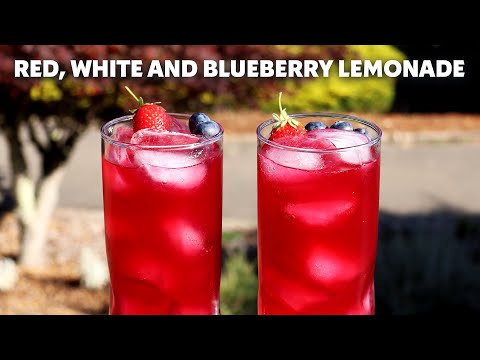 6:44
6:44
Red, White & Blueberry Lemonade | Strawberry Blueberry State Fair Lemonade | Food Wishes
"I drink every day."
在语境中学习
更多Food词汇
additive
B2添加剂是为了改善某种性质而少量加入的物质。
additives
B2添加剂是为了改善食品的保质期、颜色或口感而加入的物质。
almond
B2她有一双漂亮的杏眼。
annatto
B1胭脂树橙是一种从胭脂树种子中提取的天然橙红色食用色素。常用于给奶酪和黄油着色。
appetite
C1食欲是指想吃东西的自然欲望。它也可以指对其他事物的强烈渴望,如冒险或知识。
appetizer
C1开胃菜是主菜前供应的少量食物,用于增进食欲。
appetizing
B2看起来或闻起来非常好,让人有食欲。 / 新烤面包的香味非常诱人。
apple
C1他把房间布置得非常 'apple',简洁而清爽。
apples
A1苹果是圆形的、可食用的水果。
apricot
C1傍晚的天空呈现出迷人的杏黄色。

