bart در ۳۰ ثانیه
- A colloquial and informal noun meaning a bar or pub.
- Often used humorously or to signal a relaxed social atmosphere.
- Derived as a shortened or modified version of 'barroom'.
- Best used in casual settings with friends, not in formal contexts.
The term bart is a fascinating linguistic artifact, primarily serving as a colloquial and often humorous shorthand for a bar or pub. While standard English typically relies on the monosyllabic 'bar' or the British 'pub,' the word 'bart' emerges from a playful truncation of 'barroom' or a stylized alteration of 'bar.' In the landscape of modern social interaction, using the word 'bart' signals a high degree of informality and a desire to cultivate a relaxed, insider atmosphere. It is most frequently encountered in tight-knit social circles where slang is used to reinforce group identity. When someone suggests heading to the 'bart,' they are not merely proposing a location for consumption; they are invoking the entire cultural apparatus of the local watering hole—the dim lighting, the sticky counters, the hum of conversation, and the shared experience of communal relaxation.
- Social Register
- Extremely informal; best reserved for close friends or casual acquaintances in a non-professional setting.
The nuance of 'bart' lies in its phonetic weight. The addition of the 't' sound at the end provides a definitive stop that 'bar' lacks, giving the word a punchy, rhythmic quality often found in urban dialects or specific regional jargons. Historically, the evolution of such terms follows a pattern of 'clipping' and 'suffixation,' where speakers shorten a longer word like 'barroom' and then slightly modify the ending to make it more phonetically satisfying. In contemporary usage, 'bart' might also be used ironically, mocking the overly serious nature of high-end 'mixology' bars by applying a gritty, simplified name to them. It strips away the pretension of the 'cocktail lounge' and returns the establishment to its fundamental roots: a place to sit and drink.
After a long week of spreadsheets and meetings, the team decided to hit the local bart to decompress and share a few laughs.
Understanding the 'bart' requires an appreciation for the 'Third Place'—a sociological term referring to social surroundings separate from the two usual social environments of home ('first place') and the office ('second place'). The 'bart' is the quintessential third place. It is where hierarchies dissolve, and the only requirement for entry is a desire for company and a beverage. When you use this word, you are tapping into a long history of human socialization that dates back to the taverns of antiquity, though filtered through a modern, slang-heavy lens. It is a word that feels 'lived-in,' suggesting a place where the floor might be slightly uneven and the bartender knows your name, or at least your usual order.
Furthermore, the word 'bart' carries a certain rhythmic utility in storytelling. In narrative contexts, authors might use 'bart' to establish a character's background or to ground a scene in a specific gritty reality. It avoids the clinical feel of 'licensed establishment' and the perhaps overly cozy connotations of 'inn.' Instead, it presents a raw, functional view of the drinking space. It is a place of transit, of temporary respite, and of unvarnished truth. Whether it's a neon-lit dive in a sprawling metropolis or a quiet corner in a sleepy village, the 'bart' remains a universal symbol of the human need to gather and unwind.
- Connotation
- Often implies a slightly rugged, unpretentious, or 'divey' atmosphere rather than a luxury hotel bar.
I found him hunched over a glass of rye at the bart near the docks, looking like he had the weight of the world on his shoulders.
In terms of frequency, 'bart' is a low-frequency word in formal writing but shows up with surprising regularity in dialogue-heavy fiction, scripts, and casual digital communication. Its brevity makes it ideal for texting or quick social media updates. However, its rarity in standard dictionaries means that learners must be careful; using it in a formal essay or a business presentation would be a significant stylistic error. It is a word that belongs to the night, to the weekend, and to the company of friends. It represents the linguistic 'off-duty' mode of the English speaker.
Finally, the 'bart' serves as a focal point for community news and gossip. In many small towns, the local bart is the unofficial town hall. By using this specific slang term, you acknowledge this central role. You aren't just going to a place that sells drinks; you are going to the heart of the neighborhood. It is a word that carries the smell of hops, the sound of clinking glass, and the warmth of a crowded room on a cold night. It is, in every sense, a 'homely' word, despite its rough-around-the-edges sound.
- Usage Frequency
- Rare in formal contexts; common in specific subcultures and informal regional speech.
The neon sign outside the bart flickered rhythmically, casting a red glow over the rain-slicked pavement.
'You coming to the bart?' she asked, already grabbing her coat and heading for the door.
There's a certain kind of magic in a quiet bart on a Tuesday afternoon, where the only sound is the hum of the refrigerator.
Using the word bart effectively requires a keen understanding of prepositional collocations and the social context of the sentence. Because 'bart' is a noun denoting a physical location, it typically follows prepositions like 'at,' 'to,' 'in,' or 'behind.' However, because of its informal nature, it often appears in truncated or slang-heavy sentence structures. For example, instead of saying 'I am going to the barroom,' a speaker would say 'I'm heading to the bart.' This shift not only changes the word but also the entire tone of the sentence, moving it from a formal statement of intent to a casual declaration of social activity.
- Prepositional Use
- 'At the bart' (location), 'To the bart' (direction), 'Behind the bart' (working or hiding).
When 'bart' is used as the subject of a sentence, it often personifies the establishment. You might hear someone say, 'The bart was jumping tonight,' which uses the 'bart' to represent the collective energy of the people inside. This metonymy—where the place stands in for the people—is a common feature of English slang. It allows the speaker to describe a complex social atmosphere with a single, punchy noun. Additionally, 'bart' can be modified by adjectives that emphasize its character. A 'smoky bart,' a 'divey bart,' or a 'friendly bart' all paint vivid pictures for the listener, leveraging the word's inherent informality to enhance the descriptive quality of the phrase.
We spent the whole evening at the bart, losing track of time as we swapped stories about our travels.
In imperative sentences, 'bart' is a call to action. 'Meet me at the bart' is a classic invitation. Here, the word functions as a shorthand for a shared understanding of where the group usually meets. It implies a level of familiarity; you wouldn't usually tell a stranger to meet you at the 'bart' unless you were trying to project a very specific, casual persona. The word also fits well into 'if-then' structures common in casual conversation: 'If you're looking for Mike, he's probably down at the bart.' This usage highlights the 'bart' as a predictable, reliable fixture in a person's routine.
Another interesting way to use 'bart' is in the possessive form or as part of a compound noun. While 'the bart's atmosphere' is grammatically correct, it's more common to see it used as an attributive noun, such as 'bart stool' or 'bart menu.' However, in these cases, speakers often revert to the standard 'bar stool' unless they are being intentionally consistent with their slang usage. The flexibility of 'bart' allows it to slip into various parts of a sentence, acting as a versatile tool for anyone looking to add a bit of local flavor to their English. It's a word that rewards creativity and a relaxed approach to grammar.
- Common Verb Pairings
- Hit the bart, close the bart, run the bart, frequent the bart.
The old man had been frequenting the same bart for forty years, sitting in the same corner every Friday.
Furthermore, 'bart' can be used in the plural—'barts'—to refer to multiple establishments, perhaps during a 'bart crawl' (a slang variation of a bar crawl). This pluralization follows standard English rules but retains the slangy 't' ending, which can be a bit of a tongue-twister for non-native speakers. Practicing the transition from the 'r' to the 't' is essential for sounding natural. The word's usage in the plural often suggests a night of variety and movement, contrasting with the singular 'bart,' which suggests a more settled, stationary evening.
In more complex sentences, 'bart' can be part of a subordinate clause that provides context for a main action. 'While I was waiting at the bart, I happened to overhear a very interesting conversation.' Here, 'bart' sets the scene, immediately informing the listener about the environment—likely noisy, public, and informal. This helps manage the listener's expectations for the rest of the story. The word 'bart' is a powerful tool for setting the 'vibe' of a narrative without needing long, flowery descriptions.
- Sentence Variation
- 'The bart is closed' (Simple), 'Having found the bart empty, we left' (Participial), 'It was the bart where we first met' (Cleft).
If you ever find yourself in this part of town, you really should check out that little bart on the corner.
The bart was so crowded that we had to stand by the door just to get a breath of air.
She works behind the bart on weekends to save up money for her tuition.
The word bart is not a word you will find in a textbook or hear in a BBC news broadcast. Instead, it lives in the vibrant, messy world of spoken English, particularly in regions where 'clipping'—the process of shortening words—is a common linguistic feature. You are most likely to hear it in urban centers, among younger generations who enjoy playing with the sounds of language, or in specific subcultures like the underground music scene or certain sports fanbases. In these environments, 'bart' acts as a linguistic shibboleth, a way of identifying who belongs to the group and who is an outsider. If you use the word correctly, you signal that you are 'in the know.'
- Common Locations
- Dive bars, college campuses, music venues, and informal social gatherings.
Beyond physical locations, 'bart' is increasingly common in digital spaces. On platforms like Twitter (X), Reddit, or Discord, where brevity is prized and slang evolves at lightning speed, 'bart' might appear in a post about a night out or in a meme about 'bart culture.' It's a word that fits perfectly into a hashtag or a quick caption. In these contexts, the word often takes on a slightly ironic or self-aware tone. Users might post a photo of a particularly dingy-looking pub with the caption 'Peak bart vibes,' using the slang to celebrate the unpolished nature of the establishment.
'Yo, we're at the bart on 5th if you want to join,' he texted, knowing his friends would understand exactly where he meant.
You might also encounter 'bart' in contemporary fiction, especially in genres like 'grit-lit' or urban noir. Authors use the term to ground their dialogue in reality, making their characters sound like real people rather than mouthpieces for the author's prose. When a character in a novel says they're 'heading to the bart,' it immediately tells the reader something about their social class, their mood, and the kind of environment they feel comfortable in. It’s a small detail that does a lot of heavy lifting in terms of world-building and characterization.
In some English-speaking regions, particularly parts of Australia or the North of England, similar-sounding truncations are common. While 'bart' itself might be a specific variation, the *pattern* of adding a consonant to a shortened word is a widespread phenomenon. Listening for these patterns can help you understand a wide range of regional slangs. For instance, if you hear someone say 'bart,' you might also hear them say 'pub-t' or 'club-t' in similar contexts, though these are even rarer. The 'bart' is the most established of these playful variations.
- Media Representation
- Indie films, modern TV dramas set in working-class areas, and casual YouTube vlogs.
The protagonist of the movie spent most of his nights at the bart, trying to forget the events of the day.
Interestingly, you might also hear 'bart' used by non-native speakers who have picked up the term from specific online communities or from living in a particular neighborhood. In this case, the word becomes a symbol of their integration into the local culture. However, it's a risky word for a learner to use without a high level of fluency, as mispronouncing it or using it in the wrong context can make the speaker sound confused rather than 'cool.' It is a 'high-reward, high-risk' vocabulary choice.
In summary, 'bart' is a word of the streets, the screens, and the social circles. It is a word that thrives in the gaps between formal rules, providing a colorful alternative to more standard terms. Whether you hear it in a crowded city pub, read it in a gritty novel, or see it in a fast-moving group chat, 'bart' always carries with it a sense of community, relaxation, and unpretentious fun. It is a small word that says a lot about the person using it and the place they are describing.
- Audience
- Primarily peers, close friends, and members of specific subcultures.
'Don't wait up, I'm just going to the bart for one quick drink,' he shouted as he left.
The bart was the only place in town that stayed open past midnight on a Sunday.
Walking into the bart, she was immediately hit by the smell of stale beer and old wood.
The most frequent mistake learners make with the word bart is using it in the wrong social context. Because 'bart' is highly informal slang, using it in a professional environment—such as asking a boss, 'Would you like to go to the bart after the meeting?'—can come across as disrespectful or simply bizarre. In a business setting, 'bar' or 'restaurant' is always the safer choice. Slang like 'bart' requires a foundation of shared casualness that doesn't exist in most formal hierarchies. Using it inappropriately can make you seem like you don't understand the social 'rules' of the language.
- Mistake 1: Formal Overuse
- Using 'bart' in emails, business meetings, or with people you don't know well.
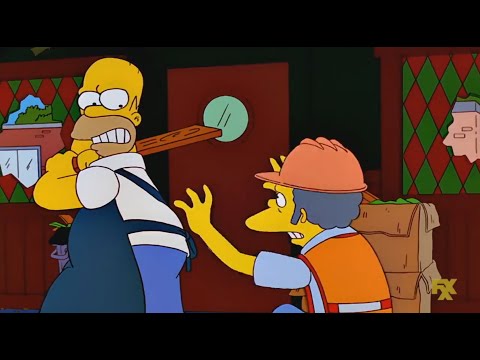
Another common error is confusing 'bart' with the proper noun 'Bart.' As mentioned earlier, 'Bart' is a common nickname for Bartholomew (most famously Bart Simpson). If you say, 'I love Bart,' without any context, people will assume you are talking about a person, not a pub. To avoid this, always use an article ('the bart') or provide enough context so that the meaning is clear. For example, 'I love the local bart' is much clearer than 'I love bart.' This distinction is crucial for clear communication, especially in spoken English where capitalization isn't visible.
Incorrect: 'I am meeting Bart at 8 PM.' (Could mean a person). Correct: 'I am meeting you at the bart at 8 PM.'
Pronunciation is also a major pitfall. Some learners might over-emphasize the 't' to the point where it sounds like two syllables ('bar-tuh'), or they might omit it entirely, making it sound like 'bar.' The 't' should be a 'glottal stop' or a very light, crisp 't' depending on the regional accent you are mimicking. If you mispronounce it, the word loses its slangy charm and just sounds like a mistake. It's often helpful to listen to native speakers use similar slang terms to get a feel for the rhythm and 'weight' of the final consonant.
There is also the risk of 'slang-stacking'—using too many slang words in one sentence. For example, 'Yo, let's hit the bart for some brews, fam!' can sound forced or like you're trying too hard to sound 'cool.' Natural slang usage is usually sparse and effortless. Overusing 'bart' or pairing it with too many other informal terms can make your speech sound like a caricature. The goal of using slang is to blend in, not to stand out as someone who is trying to memorize a slang dictionary.
- Mistake 2: Phonetic Confusion
- Confusing 'bart' with 'bark' (dog sound) or 'part' (a piece of something).
He said he was going to the bart, but I thought he said he was going to the 'park.' Context matters!
Finally, learners often forget that 'bart' is a noun and try to use it as a verb. While English is famous for 'verbing' nouns (e.g., 'Let's bar-hop'), 'barting' is not a standard or even a common slang term. You don't 'bart' a drink; you 'serve' a drink at the bart. You don't 'bart' with friends; you 'hang out' at the bart. Keeping the word in its proper grammatical category—the noun—is essential for maintaining clarity and sounding like a proficient speaker.
In summary, the key to avoiding mistakes with 'bart' is to treat it with caution. It is a 'flavor' word—something to be used sparingly and only in the right conditions. By being aware of social context, clear pronunciation, and proper grammatical usage, you can use 'bart' to add a touch of authentic, casual English to your vocabulary without falling into the common traps that many learners encounter.
- Mistake 3: Regional Mismatch
- Using 'bart' in a region where it isn't recognized, which might lead to blank stares.
I tried using the word bart in a very fancy hotel in London, and the concierge looked very confused.
Don't confuse 'bart' with 'bath.' They sound similar in some accents but have very different meanings!
Remember: 'the bart' is a location, not an action. You go there; you don't do it.
When exploring alternatives to bart, it's important to consider the specific 'flavor' of the establishment you are describing. While 'bart' is a catch-all for an informal drinking spot, other words offer more precision. For instance, a 'pub' (short for public house) carries a British connotation of a cozy, community-focused place that often serves food. A 'tavern' sounds more historical or rustic, perhaps something you'd find in a fantasy novel or a rural village. Choosing the right word helps you communicate the atmosphere of the place more effectively than 'bart' alone might.
- Comparison: Bart vs. Pub
- 'Bart' is more slangy and American-influenced; 'Pub' is more traditional and British.
Another popular alternative is 'dive bar.' A dive bar is a specific kind of 'bart'—one that is unpretentious, often a bit run-down, and usually has cheap drinks and a local clientele. If you call a place a 'bart,' you might be implying it's a dive, but 'dive bar' makes it explicit. On the other end of the spectrum is the 'lounge' or 'cocktail bar.' These terms suggest a more sophisticated, expensive, and perhaps quieter environment. You would almost never call a high-end hotel lounge a 'bart' unless you were being very sarcastic.
While some prefer the sleek lines of a modern lounge, I've always been partial to the gritty charm of a neighborhood bart.
In the United States, 'watering hole' is a colorful, slightly old-fashioned idiom for a bar. It suggests a place where everyone in the 'herd' (the community) goes to drink. It’s a bit more playful and less 'street' than 'bart.' Similarly, 'gin joint' is a classic slang term from the mid-20th century, often associated with film noir. Using 'gin joint' instead of 'bart' gives your speech a vintage, cinematic feel. Each of these alternatives carries its own baggage and history, allowing you to fine-tune your linguistic 'vibe.'
For those looking for even more informal terms, 'the local' is a very common British and Australian expression. It simply means the pub nearest to one's home that one frequents regularly. 'I'm heading down to the local' is the semantic equivalent of 'I'm heading to the bart,' but it feels more grounded in community tradition. In some circles, you might also hear 'boozer,' though this can sometimes have a slightly negative connotation, implying a place where people go specifically to get drunk rather than to socialize.
- Comparison: Bart vs. Watering Hole
- 'Bart' is short and modern; 'Watering hole' is idiomatic and slightly humorous.
The city is full of expensive clubs, but we prefer the quiet 'watering hole' near the park over any flashy bart.
When writing, you might choose 'establishment' or 'venue' if you need to be more formal or objective. These words strip away the social connotations and focus on the business aspect. However, in most casual conversations, these will sound too stiff. The beauty of 'bart' and its synonyms is that they allow you to express your personality and your relationship to the place you are describing. Whether it's a 'pub,' a 'dive,' a 'lounge,' or a 'bart,' the word you choose tells a story.
In conclusion, while 'bart' is a unique and punchy term, it exists within a rich ecosystem of related words. Understanding the differences between a 'bart,' a 'pub,' a 'tavern,' and a 'lounge' is a key part of mastering English social vocabulary. By choosing the right word for the right occasion, you can ensure that your meaning is always clear and that your tone is perfectly suited to the situation. The world of drinking establishments is diverse, and your vocabulary should be too.
- Quick Reference
- Lounge (Fancy), Pub (Traditional), Dive (Gritty), Bart (Slangy/Informal).
They call it a 'bistro,' but everyone knows it's just a glorified bart with better snacks.
Every bart has its own unique character, shaped by the people who frequent it.
Is there a bart around here where we can get a decent craft beer?
چقدر رسمی است؟
نکته جالب
Slang terms for bars often involve shortening words to make them faster to say in loud environments, which is likely how 'bart' gained traction.
راهنمای تلفظ
- Pronouncing it as 'bar-tuh' (adding an extra vowel).
- Confusing it with 'bad' in fast speech.
- Dropping the 't' so it sounds exactly like 'bar'.
- Over-aspirating the 't' so it sounds like 'bart-h'.
- Confusing the vowel with 'bat'.
سطح دشواری
Easy to recognize in context.
Hard to know when it is appropriate.
Requires good pronunciation of the final 't'.
Can be confused with other words.
بعداً چه یاد بگیریم؟
پیشنیازها
بعداً یاد بگیرید
پیشرفته
گرامر لازم
Clipping in Slang
Barroom -> Bart
Articles with Places
The bart (specific), A bart (general)
Prepositions of Place
At the bart
Metonymy
The bart was laughing (The people in the bart were laughing)
Adjective Order
The small, dark, local bart
مثالها بر اساس سطح
I go to the bart.
I go to the bar.
Subject + Verb + Prepositional Phrase.
The bart is big.
The bar is large.
Simple adjective use.
Where is the bart?
Where is the bar?
Question form.
I like the bart.
I like the bar.
Direct object.
The bart has drinks.
The bar has beverages.
Third person singular verb.
Is this the bart?
Is this the bar?
Inverted question.
We see the bart.
We see the bar.
Plural subject.
The bart is closed.
The bar is not open.
Passive state.
Let's meet at the bart tonight.
Let's meet at the bar this evening.
Imperative 'Let's'.
The bart is near my house.
The bar is close to where I live.
Prepositional phrase of place.
I saw him at the bart yesterday.
I saw him at the bar yesterday.
Past simple tense.
Is the bart open on Sundays?
Is the bar open on the weekend?
Time preposition 'on'.
The bart serves good food too.
The bar also has good meals.
Adverb 'too' at the end.
We are going to the bart now.
We are heading to the bar at this moment.
Present continuous.
He works at the local bart.
He has a job at the nearby bar.
Adjective 'local'.
There is a small bart on this street.
There is a tiny bar on this road.
'There is' construction.
The bart was so loud that we couldn't hear each other.
The bar was very noisy.
Result clause with 'so...that'.
If you want a quiet drink, don't go to that bart.
Avoid that bar if you want peace.
First conditional.
I've been going to this bart since I moved here.
I have frequented this bar for a long time.
Present perfect continuous.
She was sitting at the bart, waiting for her friend.
She was at the bar, expecting someone.
Past continuous for background action.
The bart's atmosphere is really cozy in the winter.
The bar feels warm and nice during cold months.
Possessive noun.
You should check out the new bart downtown.
I recommend the new bar in the city center.
Modal verb for advice.
I found my keys under a table at the bart.
I discovered my keys at the bar.
Preposition 'under'.
They decided to hit the bart after the movie.
They went to the bar after the cinema.
Slang idiom 'hit the bart'.
The bart serves as a hub for the local music scene.
The bar is a central place for local musicians.
Verb 'serves as'.
Despite its rough exterior, the bart is quite welcoming.
The bar is friendly even if it looks old.
Concession with 'Despite'.
He spent the afternoon at the bart, nursing a single beer.
He was at the bar drinking very slowly.
Participle phrase 'nursing a single beer'.
The bart was packed to the rafters with football fans.
The bar was extremely crowded with sports fans.
Idiomatic expression 'packed to the rafters'.
I'd rather stay at this bart than go to a fancy club.
I prefer this bar over an expensive club.
'Would rather...than' for preference.
The bart is famous for its extensive selection of ales.
The bar is well-known for having many types of beer.
Adjective + preposition 'famous for'.
Walking into the bart, I immediately felt at home.
I felt comfortable as soon as I entered the bar.
Present participle as a time clause.
The bart's neon sign flickered, casting a blue glow on the street.
The bar's light was blinking.
Participial phrase for description.
The bart, once a bustling social center, now stood derelict.
The bar was once busy but is now abandoned.
Appositive phrase for extra detail.
Such was the popularity of the bart that people queued for hours.
The bar was so popular that there were long lines.
Inversion for emphasis.
The bart provides a sanctuary for those seeking to escape the city's grind.
The bar is a peaceful place for stressed people.
Metaphorical use of 'sanctuary'.
It is at the bart where the town's most enduring legends are born.
Important local stories start at the bar.
Cleft sentence for focus.
The bart's charm lies in its utter lack of pretension.
The bar is nice because it is simple and honest.
Abstract noun 'pretension'.
Having frequented the bart for years, he knew every crack in the counter.
He knew the bar very well because he went there often.
Perfect participle for reason.
The bart acted as a catalyst for the neighborhood's revitalization.
The bar helped the neighborhood become better.
Noun 'catalyst' in a social context.
Few places can match the vibrant energy of a Friday night at the bart.
The bar is very lively on Friday nights.
Negative subject 'Few places'.
The bart exists as a liminal space where the mundane meets the extraordinary.
The bar is a special place between two worlds.
Academic term 'liminal space'.
To describe it merely as a 'bart' is to overlook its profound cultural significance.
Calling it a bar doesn't show how important it is.
Infinitive phrase as subject.
The bart’s atmosphere was thick with the scent of nostalgia and tobacco.
The bar felt like the past.
Metonymy and sensory imagery.
In the quietude of the early afternoon, the bart revealed its skeletal beauty.
The empty bar looked beautiful in a simple way.
Personification and sophisticated vocabulary.
The bart, in all its dilapidated glory, remained the heart of the community.
The old, broken bar was still very important.
Oxymoron 'dilapidated glory'.
One cannot help but marvel at the social alchemy that occurs within the bart.
The way people interact at the bar is amazing.
Formal 'One' and 'cannot help but'.
The bart's history is inextricably linked with the rise and fall of the local industry.
The bar's story is tied to the local factories.
Adverb 'inextricably'.
Whether a haven or a den of iniquity, the bart remains a fixture of urban life.
The bar is a permanent part of the city, good or bad.
Correlative conjunction 'Whether...or'.
ترکیبهای رایج
عبارات رایج
— The atmosphere is very exciting (slang).
The bart's on fire tonight, the music is great!
اغلب اشتباه گرفته میشود با
A common male name. Always use 'the' to clarify you mean the place.
The sound a dog makes. The 'k' and 't' sounds are distinct but can be confused in noise.
A piece of something. Ensure the 'b' sound is voiced and clear.
اصطلاحات و عبارات
— To approach the bar and prepare to drink.
He bellied up to the bart and ordered a double.
Informal— To make something easier (a pun on 'lower the bar').
They really lowered the bart for entry tonight.
Humorous— A bartender's ability to talk to customers (a pun on 'bedside manner').
He has a great bart-side manner.
Informal— Leaning against the bar for a long time, usually while drinking.
He's been propping up the bart since 5 PM.
Informal— Feeling the urge to go get a drink.
It's been a long day; the bart is calling my name.
Casual— A pun on 'part of the deal' regarding social drinking.
Coming to the bart was bart of the deal!
Humorous— Being in a difficult position while at a bar.
I'm behind the bart eight ball with this tab.
Slang— Moving from one bar to another in one night.
We spent the whole Saturday bart-hopping.
Informal— A pun on 'the buck stops here,' meaning no more drinking.
That's my last drink; the bart stops here.
Humorous— A pun on 'heart and soul,' referring to the essence of a pub.
He put his bart and soul into this place.
Humorousبهراحتی اشتباه گرفته میشود
It is the root word.
'Bar' is standard; 'bart' is informal slang.
He's at the bar. vs. He's at the bart.
Similar vowel sound in some accents.
A bath is for washing; a bart is for drinking.
I need a bath. vs. I need a bart.
Similar length and starting sound.
A board is wood or a committee; a bart is a pub.
The board met today. vs. The bart was full.
Rhyming word.
A dart is a small pointed object often thrown *in* a bart.
He threw a dart at the bart.
Rhyming word.
A cart is a vehicle for carrying goods.
The horse pulled the cart past the bart.
الگوهای جملهسازی
I like the [noun].
I like the bart.
Let's go to the [noun].
Let's go to the bart.
I've been [verb-ing] at the [noun].
I've been waiting at the bart.
Despite the [noun], it was [adjective].
Despite the crowded bart, it was fun.
It was at the [noun] where [clause].
It was at the bart where we first met.
The [noun] serves as a [metaphor].
The bart serves as a sanctuary.
If we go to the [noun], we can [verb].
If we go to the bart, we can talk.
The [noun] is [adjective] enough to [verb].
The bart is quiet enough to study.
خانواده کلمه
اسمها
فعلها
صفتها
مرتبط
نحوه استفاده
Low in writing, Moderate in specific spoken dialects.
-
I'm going to bart.
→
I'm going to the bart.
You need the definite article 'the' for specific places.
-
He is barting tonight.
→
He is at the bart tonight.
'Bart' is a noun, not a verb.
-
I like Bart very much.
→
I like the bart very much.
Without 'the', it sounds like you like a person named Bart.
-
Let's meet at the bart-room.
→
Let's meet at the bart.
'Bart' is already the shortened form; 'bart-room' is redundant.
-
The bart was very delicious.
→
The drink at the bart was very delicious.
You can't eat or drink a 'bart'; it's the building.
نکات
Know Your Audience
Only use 'bart' with people you are very comfortable with.
The Final T
Practice the 'rt' transition to make it sound natural.
The 'The' Rule
Always use 'the bart' to avoid confusion with the name Bart.
Dialogue Only
Keep 'bart' for spoken English or informal texting.
Synonym Choice
If you want to sound cozy, use 'pub' instead of 'bart'.
Building Rapport
Using local slang like 'bart' can help you bond with new friends.
Catch the Slang
Listen for 'bart' in modern TV shows set in cities.
Noun Only
Remember that 'bart' is a place, not an action.
Safe Bet
When in doubt, 'bar' is always correct.
Word Play
Use 'bart' to add a bit of humor to your social invitations.
حفظ کنید
روش یادسپاری
Think of **Bart** Simpson sitting at a **bart** (bar). It’s a funny image that links the name to the place.
تداعی تصویری
Imagine a neon sign that says 'BART' in bright pink letters over a small, wooden door.
شبکه واژگان
چالش
Try to use 'bart' in three different text messages to friends today. See if they understand you!
ریشه کلمه
The word 'bart' is a modern colloquialism derived from the clipping of 'barroom' or the playful modification of 'bar.' It emerged in urban slang as a way to differentiate casual drinking spots from more formal ones.
معنای اصلی: A place where alcoholic drinks are served over a counter.
Germanic (via Old French and Middle English).بافت فرهنگی
Be aware that in some cultures, drinking establishments are viewed negatively. Use the term 'bart' only in appropriate social contexts.
The 'local' is a sacred institution in British and Australian culture, often referred to with deep affection.
تمرین در زندگی واقعی
موقعیتهای واقعی
Friday Night
- TGIF, let's hit the bart!
- The bart will be packed.
- Meet you at the bart at 8.
- First round's on me at the bart.
After Work
- Need a drink at the bart.
- The bart is just around the corner.
- Let's decompress at the bart.
- Is the bart open yet?
Meeting Someone
- I'm waiting at the bart.
- Which bart are you at?
- The bart near the station.
- See you behind the bart.
Describing a Place
- It's a cozy little bart.
- That bart is too noisy.
- A very friendly bart.
- The best bart in town.
Working
- I work at the bart.
- Behind the bart tonight.
- Cleaning the bart.
- The bart manager is nice.
شروعکنندههای مکالمه
"Do you have a favorite local bart that you go to often?"
"What makes a bart 'good' in your opinion—the music or the drinks?"
"Have you ever been to a bart that was so crowded you couldn't move?"
"If you were to open your own bart, what would you name it?"
"Do you prefer a quiet bart or one with a lot of energy and noise?"
موضوعات نگارش
Describe the most interesting bart you have ever visited. What was the atmosphere like?
Write about a time you met someone new at a bart. What did you talk about?
Do you think barts are important for a community? Why or why not?
Imagine a bart in the year 2100. How would it be different from a bart today?
Write a fictional story that takes place entirely inside a small, smoky bart.
سوالات متداول
10 سوالYes, but it is highly informal slang. You won't find it in most standard dictionaries, but you will hear it in casual conversation.
It is not recommended. Use 'bar' or 'restaurant' to remain professional.
In this context, yes. It is a colloquial term for any drinking establishment.
It is more common in certain urban US dialects, but slang travels fast and it can be heard elsewhere.
It should be a short, sharp sound. Don't let it disappear, but don't make it a full extra syllable.
Yes, the plural is 'barts.' For example, 'There are many barts on this street.'
It's a slang version of 'bar-hop,' meaning to visit several bars in one night.
No, it is almost exclusively used as a noun.
To sound more casual, friendly, or to fit into a specific social group's way of speaking.
No, it is not offensive, but it is very informal.
خودت رو بسنج 190 سوال
Write a sentence about a bart.
خوب نوشتید! تلاش خوبی بود! پاسخ نمونه را ببینید.
Where is your favorite bart?
خوب نوشتید! تلاش خوبی بود! پاسخ نمونه را ببینید.
Describe a busy bart.
خوب نوشتید! تلاش خوبی بود! پاسخ نمونه را ببینید.
Why do people go to the bart?
خوب نوشتید! تلاش خوبی بود! پاسخ نمونه را ببینید.
Discuss the social role of the bart.
خوب نوشتید! تلاش خوبی بود! پاسخ نمونه را ببینید.
Analyze the etymology of 'bart'.
خوب نوشتید! تلاش خوبی بود! پاسخ نمونه را ببینید.
Who is at the bart?
خوب نوشتید! تلاش خوبی بود! پاسخ نمونه را ببینید.
What do you drink at a bart?
خوب نوشتید! تلاش خوبی بود! پاسخ نمونه را ببینید.
Write an invitation to a bart.
خوب نوشتید! تلاش خوبی بود! پاسخ نمونه را ببینید.
Compare a bart and a lounge.
خوب نوشتید! تلاش خوبی بود! پاسخ نمونه را ببینید.
Describe the atmosphere of an old bart.
خوب نوشتید! تلاش خوبی بود! پاسخ نمونه را ببینید.
Write a short story opening in a bart.
خوب نوشتید! تلاش خوبی بود! پاسخ نمونه را ببینید.
Is the bart open?
خوب نوشتید! تلاش خوبی بود! پاسخ نمونه را ببینید.
How do you get to the bart?
خوب نوشتید! تلاش خوبی بود! پاسخ نمونه را ببینید.
What is a 'bart fly'?
خوب نوشتید! تلاش خوبی بود! پاسخ نمونه را ببینید.
Describe a 'bart crawl'.
خوب نوشتید! تلاش خوبی بود! پاسخ نمونه را ببینید.
How does slang like 'bart' change language?
خوب نوشتید! تلاش خوبی بود! پاسخ نمونه را ببینید.
Reflect on the 'Third Place' concept.
خوب نوشتید! تلاش خوبی بود! پاسخ نمونه را ببینید.
What are the pros and cons of a bart?
خوب نوشتید! تلاش خوبی بود! پاسخ نمونه را ببینید.
Write a review of a bart.
خوب نوشتید! تلاش خوبی بود! پاسخ نمونه را ببینید.
Say: 'I am at the bart.'
این را بلند بخوانید:
تو گفتی:
تشخیص گفتار در مرورگر شما پشتیبانی نمیشود. از کروم یا اج استفاده کنید.
Ask: 'Where is the bart?'
این را بلند بخوانید:
تو گفتی:
تشخیص گفتار در مرورگر شما پشتیبانی نمیشود. از کروم یا اج استفاده کنید.
Describe your local bart.
این را بلند بخوانید:
تو گفتی:
تشخیص گفتار در مرورگر شما پشتیبانی نمیشود. از کروم یا اج استفاده کنید.
Invite a friend to the bart.
این را بلند بخوانید:
تو گفتی:
تشخیص گفتار در مرورگر شما پشتیبانی نمیشود. از کروم یا اج استفاده کنید.
Explain the difference between a bart and a pub.
این را بلند بخوانید:
تو گفتی:
تشخیص گفتار در مرورگر شما پشتیبانی نمیشود. از کروم یا اج استفاده کنید.
Discuss the phonetic impact of the word 'bart'.
این را بلند بخوانید:
تو گفتی:
تشخیص گفتار در مرورگر شما پشتیبانی نمیشود. از کروم یا اج استفاده کنید.
Say: 'The bart is big.'
این را بلند بخوانید:
تو گفتی:
تشخیص گفتار در مرورگر شما پشتیبانی نمیشود. از کروم یا اج استفاده کنید.
Say: 'Let's meet at the bart.'
این را بلند بخوانید:
تو گفتی:
تشخیص گفتار در مرورگر شما پشتیبانی نمیشود. از کروم یا اج استفاده کنید.
Say: 'The bart is very crowded tonight.'
این را بلند بخوانید:
تو گفتی:
تشخیص گفتار در مرورگر شما پشتیبانی نمیشود. از کروم یا اج استفاده کنید.
Say: 'I've been propping up the bart all evening.'
این را بلند بخوانید:
تو گفتی:
تشخیص گفتار در مرورگر شما پشتیبانی نمیشود. از کروم یا اج استفاده کنید.
Say: 'The bart acts as a community hub.'
این را بلند بخوانید:
تو گفتی:
تشخیص گفتار در مرورگر شما پشتیبانی نمیشود. از کروم یا اج استفاده کنید.
Say: 'The bart is a liminal space.'
این را بلند بخوانید:
تو گفتی:
تشخیص گفتار در مرورگر شما پشتیبانی نمیشود. از کروم یا اج استفاده کنید.
Say: 'I like the bart.'
این را بلند بخوانید:
تو گفتی:
تشخیص گفتار در مرورگر شما پشتیبانی نمیشود. از کروم یا اج استفاده کنید.
Say: 'Is the bart open?'
این را بلند بخوانید:
تو گفتی:
تشخیص گفتار در مرورگر شما پشتیبانی نمیشود. از کروم یا اج استفاده کنید.
Say: 'Meet me behind the bart.'
این را بلند بخوانید:
تو گفتی:
تشخیص گفتار در مرورگر شما پشتیبانی نمیشود. از کروم یا اج استفاده کنید.
Say: 'The bart's neon sign is flickering.'
این را بلند بخوانید:
تو گفتی:
تشخیص گفتار در مرورگر شما پشتیبانی نمیشود. از کروم یا اج استفاده کنید.
Say: 'The bart has a certain magnetic charm.'
این را بلند بخوانید:
تو گفتی:
تشخیص گفتار در مرورگر شما پشتیبانی نمیشود. از کروم یا اج استفاده کنید.
Say: 'The bart's history is inextricably linked to the town.'
این را بلند بخوانید:
تو گفتی:
تشخیص گفتار در مرورگر شما پشتیبانی نمیشود. از کروم یا اج استفاده کنید.
Say: 'Let's go bart-hopping!'
این را بلند بخوانید:
تو گفتی:
تشخیص گفتار در مرورگر شما پشتیبانی نمیشود. از کروم یا اج استفاده کنید.
Say: 'This bart is a total dive.'
این را بلند بخوانید:
تو گفتی:
تشخیص گفتار در مرورگر شما پشتیبانی نمیشود. از کروم یا اج استفاده کنید.
Listen: 'The bart is small.' Is the bart big or small?
Listen: 'Meet me at the bart at six.' What time?
Listen: 'The bart is closed on Sundays.' Is it open on Sunday?
Listen: 'The bart was packed to the rafters.' Was it empty?
Listen: 'The bart's charm lies in its lack of pretension.' What is its charm?
Listen: 'I see the bart.' What do I see?
Listen: 'The bart is near the park.' Where is it?
Listen: 'Hit the bart after work.' When are we going?
Listen: 'He's a bart regular.' Does he go often?
Listen: 'The bart revealed its skeletal beauty.' What was revealed?
Listen: 'The bart is open.' Is it closed?
Listen: 'I work at the bart.' Where do I work?
Listen: 'The bart is too loud.' Why is it bad?
Listen: 'Let's go bart-hopping.' What are we doing?
Listen: 'The bart was a sanctuary.' What was it?
/ 190 درست
نمره کامل!
Summary
The word 'bart' is a punchy, slangy alternative to 'bar.' It’s perfect for casual invitations or describing a local, unpretentious drinking spot. Example: 'Let's head to the bart for a quick pint.'
- A colloquial and informal noun meaning a bar or pub.
- Often used humorously or to signal a relaxed social atmosphere.
- Derived as a shortened or modified version of 'barroom'.
- Best used in casual settings with friends, not in formal contexts.
Know Your Audience
Only use 'bart' with people you are very comfortable with.
The Final T
Practice the 'rt' transition to make it sound natural.
The 'The' Rule
Always use 'the bart' to avoid confusion with the name Bart.
Dialogue Only
Keep 'bart' for spoken English or informal texting.