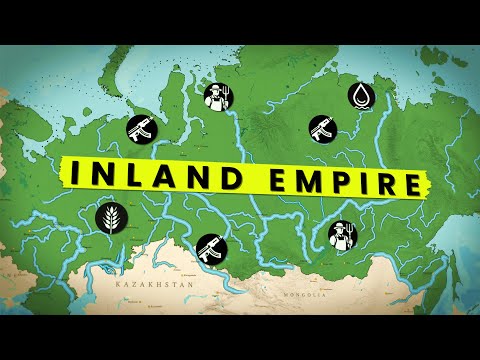
railways در ۳۰ ثانیه
- Railways are a system of tracks and trains for transport.
- The term includes infrastructure, vehicles, and management.
- Commonly used in the plural to describe the entire network.
- A sustainable and efficient alternative to road and air travel.
The term railways refers to a comprehensive and complex system of transportation that relies on permanent tracks, typically constructed from steel rails, to facilitate the movement of trains. This infrastructure is designed to transport both passengers and freight over long distances with high efficiency. When people use the word railways, they are often referring not just to the physical tracks themselves, but to the entire organizational and technical apparatus that keeps the system running, including the rolling stock (locomotives and carriages), the signaling systems, the stations, and the administrative bodies that manage schedules and safety. Historically, the advent of railways marked a turning point in human civilization, catalyzing the Industrial Revolution by allowing for the rapid transit of raw materials and finished goods. In modern contexts, railways are frequently discussed in the framework of sustainable urban planning and international logistics, as they offer a lower carbon footprint compared to air or road travel. The plural form railways is commonly used in British English and other international varieties to describe the national or regional network as a whole, whereas American English often prefers the term 'railroads'.
- Infrastructure Scope
- The term encompasses tracks, sleepers, ballast, and the land they occupy, alongside bridges and tunnels.
The expansion of the national railways in the 19th century transformed the economic landscape of the country.
In everyday conversation, you might hear someone talk about 'the railways' when discussing public transport strikes, government funding, or the history of engineering. It is a word that carries a sense of permanence and reliability. For instance, a commuter might complain about the state of the railways when their morning train is delayed, referring to the entire service rather than a specific rail. In academic or technical writing, railways is used to categorize a specific mode of transport in contrast to maritime or aviation sectors. The word also evokes a sense of nostalgia for the 'Golden Age of Steam,' yet it remains at the forefront of modern technology with the development of high-speed magnetic levitation (maglev) systems and automated freight corridors. Understanding the breadth of this term requires recognizing it as a collective noun for a vital public utility that connects cities, regions, and even continents.
- Economic Impact
- Railways facilitate trade by lowering the cost of transporting heavy bulk items like coal, grain, and minerals.
Investing in high-speed railways is essential for reducing carbon emissions in the transport sector.
Furthermore, the term is deeply embedded in the geography of many nations. You will see it on maps, in the names of government departments (like the Ministry of Railways), and in the titles of historical societies. It is a word that bridges the gap between the physical world of heavy machinery and the abstract world of logistical networks. When a politician promises to 'modernize the railways,' they are talking about upgrading everything from the digital signaling software to the comfort of the seats in the carriages. The versatility of the word allows it to function in both highly technical engineering reports and in casual travel stories. Whether you are discussing the Trans-Siberian Railway or the local commuter line, the word railways serves as the anchor for the entire concept of rail-based movement.
- Technological Evolution
- From steam engines to electric locomotives, railways have consistently adapted to new energy sources.
Many abandoned railways have been converted into scenic cycling paths for the public.
In summary, railways is a term that encompasses the past, present, and future of transport. It is used to describe the physical infrastructure, the service provided, and the organizational structure of the rail industry. Its usage is global, though regional preferences for 'railroad' exist. It is a word of scale, suggesting a network that spans vast distances and serves millions of people. When you use this word, you are acknowledging one of the most significant engineering achievements of the modern era, a system that continues to evolve and remain relevant in an increasingly mobile world.
The government announced a multi-billion dollar plan to electrify the northern railways.
Safety standards on the railways are strictly regulated by international authorities.
Using the word railways correctly requires an understanding of its grammatical role as a plural noun and its typical collocations. Most commonly, it functions as the subject or object in sentences describing transport infrastructure, policy, or history. Because it is a plural noun, it must be paired with plural verb forms (e.g., 'the railways are expanding' rather than 'is expanding'). However, when used as a modifier in a compound noun, it often drops the 's' to become 'railway' (e.g., 'railway station', 'railway bridge'). This distinction is crucial for natural-sounding English. You use railways when referring to the system or multiple lines, and railway when describing a single line or using it as an adjective. For example, you would say 'The country's railways are efficient,' but 'I am going to the railway station.'
- Subject-Verb Agreement
- Always use plural verbs with 'railways' when it is the head of the noun phrase.
Modern railways utilize advanced computer systems to manage train intervals.
Prepositions also play a vital role in how we use this word. We often talk about traveling on the railways or working for the railways. When discussing the physical location, we might say 'near the railways' or 'across the railways.' In a more abstract sense, we speak about 'investing in the railways.' The word is also frequently paired with adjectives that describe the type of service, such as 'high-speed railways,' 'underground railways,' 'light railways,' or 'nationalized railways.' These modifiers help specify which part of the vast transport network is being discussed. For instance, 'underground railways' specifically refers to subway or metro systems like the London Underground or the Paris Métro.
- Common Adjectives
- High-speed, national, private, abandoned, suburban, and international.
The government is under pressure to improve the reliability of the regional railways.
In more formal or academic writing, railways is often used in the context of economic development or urban sociology. You might write about 'the role of railways in the urbanization of the Midwest' or 'the privatization of the British railways in the 1990s.' In these cases, the word acts as a collective noun for an entire industry. It is also common to see it in the context of environmental science, where 'railways' are compared to other modes of transport in terms of energy efficiency. For example: 'Compared to road transport, railways offer a significant reduction in greenhouse gas emissions per ton-mile of freight.' This usage highlights the word's importance in professional and scientific discourse.
- Formal Contexts
- Used in policy documents, engineering reports, and historical analyses.
The historical analysis focuses on how the railways facilitated the movement of labor during the industrial era.
Finally, consider the use of railways in creative writing or journalism. It can be used to set a scene or provide atmosphere. A journalist might write about 'the rhythmic clatter of the railways' to evoke the feeling of a long journey. A novelist might describe a character living 'by the railways,' suggesting a setting that is industrial, noisy, or perhaps connected to the idea of escape and travel. In all these instances, the word carries with it a weight of history and a sense of interconnectedness. By mastering these different ways of using railways, you can communicate more effectively about transport, history, and the modern world.
Despite the rise of air travel, the railways remain the backbone of European transit.
The maintenance of the railways requires constant investment in track and signaling technology.
The word railways is a staple of public life, and you will encounter it in a variety of real-world settings. One of the most common places to hear it is in news broadcasts, particularly those focusing on infrastructure, the economy, or public services. News anchors often report on 'the state of the national railways,' discussing topics like fare increases, service disruptions, or major government investments. In these contexts, the word is used to represent a vital public utility that affects the daily lives of millions. You might also hear it in political debates, where candidates argue over whether the railways should be publicly owned or privatized. This highlights the word's significance in the realm of public policy and governance.
- News & Media
- Frequent mentions in reports about transport strikes, budget allocations, and infrastructure projects.
'The government has pledged to invest billions into the aging railways to improve efficiency,' the reporter stated.
Another common setting is within the transport industry itself. If you work in logistics, engineering, or urban planning, railways will be a part of your professional vocabulary. Engineers discuss 'railway design,' while logisticians talk about 'railway freight capacity.' In these professional environments, the word is used with technical precision. You will also hear it in announcements at train stations, though often in a more specific sense, such as 'This station is managed by Northern Railways.' Here, the word is part of a proper noun, identifying a specific company or authority that operates a portion of the network. This usage is very common in countries like the UK, India, and Australia.
- Professional Settings
- Used by engineers, urban planners, and logistics experts to describe rail-based transit systems.
'We need to coordinate with the national railways to ensure the new freight terminal is accessible,' the planner explained.
In educational and historical contexts, railways is a key term when studying the 19th and 20th centuries. History teachers and documentary narrators use it to explain how the world became interconnected. You might hear about the 'railway mania' of the 1840s or the role of the railways in the World Wars. In these cases, the word is associated with progress, power, and historical change. Museums dedicated to transport often have 'Railways' in their name, serving as a reminder of the industry's long and storied past. This historical usage is often accompanied by a sense of awe at the engineering feats required to lay tracks across mountains and deserts.
- History & Education
- Central to discussions about the Industrial Revolution and the expansion of modern nation-states.
The documentary explores how the railways helped unify the diverse regions of the continent.
Finally, you will hear railways in casual conversations among travelers and commuters. While people might more often say 'I'm taking the train,' they use railways when talking about the broader experience or the system as a whole. For example, a backpacker might say, 'The railways in Europe are so much better than back home,' or a commuter might remark, 'The railways are a mess today because of the weather.' In these instances, the word is a convenient shorthand for the entire rail travel experience, including the trains, the stations, and the reliability of the service. Whether in a formal news report or a casual chat at a coffee shop, railways is a word that connects us to the infrastructure of our world.
'I love traveling on the railways because you get to see the countryside in a way you can't from a plane,' she said.
The local museum features an exhibit on the heritage railways of the region.
One of the most frequent mistakes learners make is confusing the plural railways with the singular 'railway' or the word 'train'. While they are related, they are not interchangeable. Railways refers to the entire system or network, whereas a 'train' is the specific vehicle that runs on that system. You wouldn't say 'I am waiting for the railways,' because you are waiting for a specific train. Conversely, you wouldn't say 'The train is a vital part of the economy' if you mean the entire rail industry; in that case, 'the railways' or 'the rail network' would be more appropriate. Understanding this distinction between the vehicle and the infrastructure is key to using the word correctly.
- Railways vs. Train
- 'Railways' is the system; 'train' is the vehicle. Don't use 'railways' to mean a single locomotive.
Incorrect: I missed the railways this morning.
Correct: I missed the train this morning.
Another common error involves the regional difference between 'railways' and 'railroads'. As mentioned, 'railways' is the standard term in British English, while 'railroads' is preferred in American English. Using 'railways' in a strictly American context might sound slightly formal or British to a native speaker, though it is perfectly understandable. However, using 'railroad' in a British context can sometimes feel out of place. It is important to be aware of your audience and the variety of English you are using. Additionally, learners often struggle with the use of 'railway' as an adjective. Remember that when it modifies another noun, it is almost always singular: 'railway station,' 'railway track,' 'railway worker.' Saying 'railways station' is a common grammatical slip.
- Adjectival Usage
- Use the singular 'railway' when it acts as an adjective modifying another noun.
Incorrect: He works at the railways station.
Correct: He works at the railway station.
There is also a tendency to use 'railways' when 'tracks' or 'rails' would be more precise. If you are talking about the physical metal bars that the train runs on, you should use 'rails' or 'tracks.' For example, 'The train came off the tracks' is correct, whereas 'The train came off the railways' sounds awkward and technically incorrect. Railways is a broad, systemic term, while 'tracks' refers to the specific physical path. Similarly, don't confuse 'railways' with 'metro' or 'subway' when talking about city-specific underground systems, although 'underground railways' is a technically correct but less common way to describe them. Using the more specific term for the city's system (like 'the Tube' in London) is usually better.
- Precision in Vocabulary
- Use 'tracks' for the physical path and 'railways' for the entire transport system.
Incorrect: Children should not play on the railways.
Correct: Children should not play on the railway tracks.
Finally, be careful with the preposition 'by'. We say 'by train' but rarely 'by railways.' You might say 'via the railways' if you are talking about a route, but for the mode of travel, 'by train' is the standard expression. For example, 'I traveled to Edinburgh by train' is natural; 'I traveled to Edinburgh by railways' is not. Avoiding these common pitfalls will make your English sound more natural and precise. By paying attention to whether you are talking about the system, the vehicle, the physical tracks, or the mode of travel, you can choose the right word every time.
Incorrect: It is cheaper to travel by railways than by air.
Correct: It is cheaper to travel by train than by air.
Correct: The railways are a crucial part of the national infrastructure.
To expand your vocabulary, it is helpful to look at words that are similar to railways but have slightly different nuances. The most obvious alternative is 'railroads,' which is the preferred term in North America. While they mean the same thing, using 'railroads' immediately signals an American or Canadian context. Another similar term is 'rail network,' which emphasizes the interconnectedness of the various lines and stations. This is often used in technical or planning contexts. 'Rail transport' is another alternative, focusing on the mode of movement rather than the infrastructure itself. It is a more formal, academic term often used in economics and environmental studies.
- Railways vs. Railroads
- Railways (UK/International) vs. Railroads (US/Canada). Both refer to the same system of tracks and trains.
The European railways are highly integrated, allowing for easy cross-border travel.
For urban transit, you might use terms like 'metro,' 'subway,' 'underground,' or 'light rail.' While these are all types of railways, they refer to specific systems designed for city travel. A 'metro' or 'subway' is usually a high-capacity, underground system, while 'light rail' often refers to modern tram-like systems that run on the street level or on dedicated tracks. 'Tramways' or 'streetcars' are even more specific, referring to rail vehicles that share the road with cars. Understanding these distinctions helps you be more precise. For example, you wouldn't call a city's tram system 'the railways' in a general sense; you would call it the 'tram network' or 'light rail system.'
- Urban Alternatives
- Metro, subway, underground, light rail, and tramway. These are specific types of rail systems.
The city is expanding its light rail railways to reduce traffic congestion in the downtown area.
In a historical or poetic context, you might encounter the term 'the iron road.' This is a more metaphorical way of referring to the railways, highlighting the material they are made of and their role in cutting through the landscape. Similarly, 'permanent way' is a technical term used by railway engineers to refer to the track, including the rails, sleepers, and ballast. While not used in everyday speech, knowing these terms can help you understand more specialized texts. Another term, 'rolling stock,' refers specifically to the vehicles (locomotives, freight cars, passenger carriages) that run on the railways, rather than the tracks themselves.
- Technical & Poetic Terms
- Iron road (poetic), permanent way (engineering), and rolling stock (vehicles).
The poet described the railways as an iron road stretching toward the horizon.
Finally, consider 'transit system' or 'public transport.' These are much broader terms that include buses, ferries, and planes as well as railways. If you are talking about the general concept of moving people around a city or country, these might be more appropriate. However, if your focus is specifically on trains and tracks, railways remains the most accurate and descriptive word. By choosing between these alternatives, you can tailor your language to the specific context, whether it's a technical report, a travel blog, or a historical essay. Each word brings its own shade of meaning to the conversation.
Modern transit systems often rely on a combination of buses and railways.
The maintenance of the permanent way is a never-ending task for the railways authority.
چقدر رسمی است؟
نکته جالب
The earliest railways were called 'wagonways' and were used in the 16th century to transport coal from mines using horse-drawn wagons on wooden tracks.
راهنمای تلفظ
- Pronouncing it as 'rail-way' (singular) when referring to the whole system.
- Mispronouncing the 'ai' sound as 'ah' or 'eye'.
- Dropping the 'l' sound entirely.
- Adding an extra syllable like 'rail-a-ways'.
- Confusing the pronunciation with 'railroads'.
سطح دشواری
Common in news and history texts, but technical terms can be tricky.
Requires understanding of plural vs singular adjective usage.
Easy to pronounce but requires correct context.
Clearly spoken in announcements and reports.
بعداً چه یاد بگیریم؟
پیشنیازها
بعداً یاد بگیرید
پیشرفته
گرامر لازم
Plural Nouns as Subjects
The railways *are* expanding.
Nouns as Adjectives
The *railway* station (singular).
Prepositions of Mode
Traveling *by* rail.
Definite Article with Public Utilities
*The* railways are essential.
Compound Noun Formation
Railway + track = railway track.
مثالها بر اساس سطح
The train is on the railways.
قطار روی راه آهن است.
Simple subject-verb-prepositional phrase.
I see the railways from my window.
من راه آهن را از پنجره ام می بینم.
Direct object usage.
The railways are very long.
راه آهن ها خیلی طولانی هستند.
Plural subject with 'are'.
Where is the railway station?
ایستگاه راه آهن کجاست؟
Railway used as an adjective.
The railways go to the city.
راه آهن به شهر می رود.
Present simple tense.
We travel by the railways.
ما با راه آهن سفر می کنیم.
Preposition 'by' with the system.
The railways are made of metal.
راه آهن ها از فلز ساخته شده اند.
Passive voice 'are made of'.
I like the railways.
من راه آهن را دوست دارم.
Simple preference.
The railways in India are very famous.
راه آهن در هند بسیار مشهور است.
Specific regional reference.
He works for the national railways.
او برای راه آهن ملی کار می کند.
Preposition 'for' indicating employment.
The railways are closed for repairs.
راه آهن برای تعمیرات بسته است.
Passive construction for status.
You need a ticket for the railways.
شما برای راه آهن به بلیط نیاز دارید.
Noun as object of preposition.
The railways were built a long time ago.
راه آهن مدت ها پیش ساخته شد.
Past passive voice.
Is there a map of the railways?
آیا نقشه ای از راه آهن وجود دارد؟
Existential 'there is/are'.
The railways connect many small towns.
راه آهن بسیاری از شهرهای کوچک را به هم متصل می کند.
Verb 'connect' showing function.
We are walking near the railways.
ما نزدیک راه آهن راه می رویم.
Preposition of place 'near'.
Modern railways are much faster than old ones.
راه آهن های مدرن بسیار سریع تر از قدیمی ها هستند.
Comparative structure.
The government is improving the railways.
دولت در حال بهبود راه آهن است.
Present continuous for ongoing action.
Railways are a sustainable way to travel.
راه آهن راهی پایدار برای سفر است.
Gerund phrase as complement.
The expansion of the railways helped the economy.
گسترش راه آهن به اقتصاد کمک کرد.
Noun phrase as subject.
I prefer the railways to flying.
من راه آهن را به پرواز ترجیح می دهم.
Verb 'prefer' with 'to'.
The railways are often delayed in winter.
راه آهن اغلب در زمستان با تاخیر مواجه می شود.
Adverb of frequency 'often'.
She studied the history of the railways.
او تاریخ راه آهن را مطالعه کرد.
Past simple with direct object.
The railways provide many jobs.
راه آهن مشاغل زیادی را فراهم می کند.
Subject-verb-object.
The privatization of the railways remains controversial.
خصوصی سازی راه آهن همچنان بحث برانگیز است.
Complex noun phrase as subject.
High-speed railways have reduced travel times significantly.
راه آهن های پرسرعت زمان سفر را به طور قابل توجهی کاهش داده اند.
Present perfect with adverb.
The railways are essential for freight transport.
راه آهن برای حمل و نقل بار ضروری است.
Adjective 'essential' with 'for'.
Investment in the railways is a priority for the city.
سرمایه گذاری در راه آهن اولویت شهر است.
Prepositional phrase 'in the railways'.
The railways network is being modernized.
شبکه راه آهن در حال مدرن سازی است.
Present continuous passive.
Despite the cost, the railways are worth maintaining.
با وجود هزینه، راه آهن ارزش نگهداری دارد.
Concession clause with 'despite'.
The railways play a vital role in urban planning.
راه آهن نقش حیاتی در برنامه ریزی شهری ایفا می کند.
Idiomatic 'play a role'.
Safety on the railways is regulated by law.
ایمنی در راه آهن توسط قانون تنظیم می شود.
Passive voice with agent.
The railways catalyzed the industrialization of the continent.
راه آهن صنعتی شدن قاره را تسریع کرد.
Advanced verb 'catalyzed'.
The intricacies of the railways' signaling systems are fascinating.
پیچیدگی های سیستم های سیگنالینگ راه آهن جذاب است.
Possessive plural 'railways''.
The railways are a testament to Victorian engineering.
راه آهن گواهی بر مهندسی دوران ویکتوریا است.
Metaphorical 'testament to'.
Subsidizing the railways is a common practice in Europe.
یارانه دادن به راه آهن یک رویه معمول در اروپا است.
Gerund as subject.
The railways' environmental benefits are often highlighted.
مزایای زیست محیطی راه آهن اغلب برجسته می شود.
Plural possessive.
The decline of the railways led to the rise of the automobile.
کاهش راه آهن منجر به ظهور اتومبیل شد.
Cause and effect structure.
The railways are deeply ingrained in the national psyche.
راه آهن عمیقاً در روان ملی ریشه دوانده است.
Advanced idiom 'ingrained in'.
The railways' capacity must be increased to meet demand.
ظرفیت راه آهن باید برای پاسخگویی به تقاضا افزایش یابد.
Modal 'must be' with passive.
The railways' historical trajectory mirrors the nation's growth.
مسیر تاریخی راه آهن منعکس کننده رشد ملت است.
Sophisticated vocabulary 'trajectory'.
The railways' infrastructure is a marvel of logistical coordination.
زیرساخت راه آهن شگفت انگیز از هماهنگی لجستیکی است.
Abstract noun 'marvel'.
The railways' obsolescence was predicted but never materialized.
منسوخ شدن راه آهن پیش بینی شده بود اما هرگز محقق نشد.
Advanced vocabulary 'obsolescence'.
The railways' socio-economic impact is multi-faceted.
تاثیر اجتماعی-اقتصادی راه آهن چند وجهی است.
Compound adjective 'multi-faceted'.
The railways' integration into smart cities is inevitable.
ادغام راه آهن در شهرهای هوشمند اجتناب ناپذیر است.
Adjective 'inevitable'.
The railways' legacy is one of both progress and exploitation.
میراث راه آهن میراثی از پیشرفت و استثمار است.
Balanced 'both... and' structure.
The railways' resilience in the face of competition is noteworthy.
تاب آوری راه آهن در برابر رقابت قابل توجه است.
Noun 'resilience'.
The railways' aesthetic appeal has inspired countless artists.
جذابیت زیبایی شناختی راه آهن الهام بخش هنرمندان بی شماری بوده است.
Present perfect 'has inspired'.
ترکیبهای رایج
عبارات رایج
— Working in or being part of the rail industry.
He spent forty years working on the railways.
— The current condition or quality of the rail system.
The state of the railways is a major political issue.
— A period of intense investment in railways (historical).
The 1840s saw a period of railway mania in Britain.
— Smaller, less heavy rail systems, often for local use.
The city is considering building light railways.
— Rail lines that are no longer in use.
Many abandoned railways are now hiking trails.
— Rail systems owned by private companies.
Some countries have a mix of public and private railways.
— Historical rail lines kept for tourism.
We took a ride on one of the heritage railways.
اغلب اشتباه گرفته میشود با
The American equivalent of railways.
The vehicles that run on the railways.
The physical rails themselves.
اصطلاحات و عبارات
— To be doing something in a way that will lead to success.
We are on the right track with this project.
Informal— To start behaving in a strange or unacceptable way.
The plan went off the rails after the budget cut.
Informal— To not notice how much time has passed.
I was so busy I lost track of time.
Neutral— The final point of something; no further progress possible.
This is the end of the line for our partnership.
Neutral— To make many brief visits to different places in a short time.
The politician went on a whistle-stop tour of the state.
Political— To proceed with maximum speed and energy.
It's full steam ahead for the new product launch.
Informal— To force someone to do something quickly without enough thought.
They railroaded him into signing the contract.
Informal— Thinking about only one thing.
He has a one-track mind when it comes to football.
Informal— Returning to the correct or expected course.
The economy is finally back on track.
Neutral— To release strong emotions or energy.
He went for a run to let off steam.
Informalبهراحتی اشتباه گرفته میشود
Singular vs Plural
Railway is used as an adjective or for a single line; railways refers to the system.
A railway line vs the national railways.
Shortened form
Rail is often used as a modifier or shorthand for the whole industry.
Rail travel vs the railways.
Similar system
Tramways are usually for city streets; railways are for longer distances.
The city tramway vs the intercity railways.
Urban rail
Metro is a specific type of urban underground railway.
The Paris Metro vs the French railways.
Regional term
Subway is the American term for an underground railway.
The New York Subway vs the British railways.
الگوهای جملهسازی
The [noun] is on the railways.
The train is on the railways.
I go to the [adjective] railways.
I go to the national railways.
The railways are [adjective] for the [noun].
The railways are important for the economy.
Investing in the railways [verb] [noun].
Investing in the railways creates jobs.
The [noun] of the railways [verb] [noun].
The modernization of the railways improved efficiency.
The railways' [noun] is a [noun] of [noun].
The railways' legacy is a testament of progress.
Compared to [noun], railways are [comparative].
Compared to cars, railways are cleaner.
Despite [noun], the railways [verb].
Despite the cost, the railways expand.
خانواده کلمه
اسمها
فعلها
صفتها
مرتبط
نحوه استفاده
Common in news, history, and transport contexts.
-
I am waiting for the railways.
→
I am waiting for the train.
You wait for a specific vehicle (train), not the whole system (railways).
-
The railways station is big.
→
The railway station is big.
Use the singular 'railway' when it acts as an adjective.
-
He works at the railroads.
→
He works for the railways.
In British English, 'railways' is preferred; also, use 'for' for employment.
-
The train jumped off the railways.
→
The train derailed from the tracks.
Use 'tracks' for the physical rails. 'Derailed' is the specific verb.
-
Railways is important.
→
Railways are important.
'Railways' is a plural noun and requires a plural verb.
نکات
Plural Agreement
Always use plural verbs with 'railways' when it is the subject (e.g., The railways are...). This is a common mistake for learners.
Adjective Form
When using the word to describe something else, use the singular 'railway' (e.g., railway station, railway bridge).
Regional Usage
Use 'railroads' if you are writing for an American audience and 'railways' for a British or international audience.
Avoid Repetition
Use synonyms like 'rail network' or 'rail transport' to make your writing more varied and professional.
Station Names
Notice that many rail companies have 'Railways' in their name (e.g., Southern Railways). This helps identify the word in the wild.
By Rail
Use the phrase 'by rail' when talking about the mode of transport in a slightly more formal way than 'by train'.
Historical Context
When studying the 19th century, 'railways' is a key term for understanding the Industrial Revolution.
Sustainability
Use 'railways' in discussions about green transport and reducing carbon footprints.
Track Safety
Remember that 'railway tracks' is the correct term for the physical path, not just 'railways'.
Logistics
In a business context, 'railways' often refers to the freight and cargo sector of the industry.
حفظ کنید
روش یادسپاری
Remember 'RAIL' (the metal bars) + 'WAYS' (the paths). The 'S' at the end makes it a whole system, like many 'ways' connected.
تداعی تصویری
Imagine a map of a country covered in a spiderweb of silver lines. Those lines are the railways connecting everything.
شبکه واژگان
چالش
Try to name five famous railways around the world and describe where they go.
ریشه کلمه
The word 'railway' is a compound of 'rail' and 'way'. 'Rail' comes from the Old French 'reille', meaning a bar or rod, which in turn comes from the Latin 'regula', meaning a straight stick or rule. 'Way' comes from the Old English 'weg', meaning a road or path.
معنای اصلی: The term originally referred to a path made of wooden or metal bars used to guide wagons in mines.
Germanic (English) and Italic (Latin/French) roots.بافت فرهنگی
Be aware that in some historical contexts, the building of railways was associated with colonial exploitation or forced labor.
In the UK, 'the railways' are often a topic of public debate regarding nationalization vs. privatization.
تمرین در زندگی واقعی
موقعیتهای واقعی
Travel Planning
- Check the railway schedule
- Book a railway ticket
- Go to the railway station
- Travel by rail
History Class
- The industrial revolution and railways
- Building the transcontinental railway
- The golden age of steam
- Railway expansion
Public Policy
- Funding for the railways
- Privatization of the railways
- Railway safety regulations
- Modernizing the rail network
Logistics
- Freight railways
- Railway capacity
- Transporting goods by rail
- Railway logistics
Daily Commute
- The railways are delayed
- Take the suburban railways
- Railway strikes
- Monthly railway pass
شروعکنندههای مکالمه
"Do you think the railways in your country are efficient?"
"Have you ever taken a long journey on the railways?"
"What is the most beautiful railway line you have ever seen?"
"Should the government invest more money in the railways?"
"Do you prefer traveling by the railways or by plane?"
موضوعات نگارش
Describe a memorable trip you took on the railways.
How have the railways changed the way people live in your country?
Imagine a world without railways. How would it be different?
Write about the future of the railways in the next 50 years.
If you could build a new railway line anywhere, where would it go?
سوالات متداول
10 سوالIn general, 'railway' is used as an adjective (railway station) or to refer to a specific line. 'Railways' is used to refer to the entire system or network of a country or region.
Both are correct. 'Railway' is standard in British English and most other varieties, while 'railroad' is the preferred term in American English.
It is more natural to say 'I'm going by train' or 'I'm traveling by rail.' 'By railways' is rarely used in this context.
No. 'Tracks' refers specifically to the physical metal rails and sleepers. 'Railways' refers to the whole system, including trains, stations, and management.
It is plural because it refers to a network made up of many different lines and routes.
These are specialized rail systems designed for trains that travel significantly faster than traditional rail traffic, often over 250 km/h.
Yes, subways (or metros) are a type of underground railway designed for high-capacity urban transport.
Railways can be managed by government departments (like Indian Railways) or private companies, depending on the country.
A heritage railway is a preserved historical rail line, often using steam trains, operated for tourism and education.
Railways are more energy-efficient and produce fewer emissions per passenger or ton of freight compared to cars, trucks, and planes.
خودت رو بسنج 200 سوال
Describe the benefits of using the railways instead of cars.
خوب نوشتید! تلاش خوبی بود! پاسخ نمونه را ببینید.
Write a short story about a journey on the railways.
خوب نوشتید! تلاش خوبی بود! پاسخ نمونه را ببینید.
Explain the historical importance of the railways in your country.
خوب نوشتید! تلاش خوبی بود! پاسخ نمونه را ببینید.
Compare high-speed railways with traditional ones.
خوب نوشتید! تلاش خوبی بود! پاسخ نمونه را ببینید.
Discuss the impact of the railways on urban development.
خوب نوشتید! تلاش خوبی بود! پاسخ نمونه را ببینید.
Should the railways be privatized? Give your opinion.
خوب نوشتید! تلاش خوبی بود! پاسخ نمونه را ببینید.
Write a formal letter complaining about the state of the railways.
خوب نوشتید! تلاش خوبی بود! پاسخ نمونه را ببینید.
Describe a famous railway station you have visited.
خوب نوشتید! تلاش خوبی بود! پاسخ نمونه را ببینید.
How can the railways be made more sustainable?
خوب نوشتید! تلاش خوبی بود! پاسخ نمونه را ببینید.
Write a poem about the 'iron road'.
خوب نوشتید! تلاش خوبی بود! پاسخ نمونه را ببینید.
Describe the daily life of a railway worker.
خوب نوشتید! تلاش خوبی بود! پاسخ نمونه را ببینید.
Explain the role of the railways in transporting freight.
خوب نوشتید! تلاش خوبی بود! پاسخ نمونه را ببینید.
What are the challenges facing modern railways today?
خوب نوشتید! تلاش خوبی بود! پاسخ نمونه را ببینید.
Write a travel blog post about a railway trip through the mountains.
خوب نوشتید! تلاش خوبی بود! پاسخ نمونه را ببینید.
Discuss the cultural significance of the railways in India.
خوب نوشتید! تلاش خوبی بود! پاسخ نمونه را ببینید.
How did the railways change the world in the 19th century?
خوب نوشتید! تلاش خوبی بود! پاسخ نمونه را ببینید.
Write a dialogue between two people waiting at a railway station.
خوب نوشتید! تلاش خوبی بود! پاسخ نمونه را ببینید.
Describe the different parts of a railway system.
خوب نوشتید! تلاش خوبی بود! پاسخ نمونه را ببینید.
Should the government subsidize the railways?
خوب نوشتید! تلاش خوبی بود! پاسخ نمونه را ببینید.
Write a review of a high-speed railway service.
خوب نوشتید! تلاش خوبی بود! پاسخ نمونه را ببینید.
Talk about your last journey on the railways for two minutes.
این را بلند بخوانید:
تو گفتی:
تشخیص گفتار در مرورگر شما پشتیبانی نمیشود. از کروم یا اج استفاده کنید.
Debate the pros and cons of privatizing the railways.
این را بلند بخوانید:
تو گفتی:
تشخیص گفتار در مرورگر شما پشتیبانی نمیشود. از کروم یا اج استفاده کنید.
Describe a railway station in your city.
این را بلند بخوانید:
تو گفتی:
تشخیص گفتار در مرورگر شما پشتیبانی نمیشود. از کروم یا اج استفاده کنید.
Explain why the railways are important for the environment.
این را بلند بخوانید:
تو گفتی:
تشخیص گفتار در مرورگر شما پشتیبانی نمیشود. از کروم یا اج استفاده کنید.
Role-play: You are buying a railway ticket at a station.
این را بلند بخوانید:
تو گفتی:
تشخیص گفتار در مرورگر شما پشتیبانی نمیشود. از کروم یا اج استفاده کنید.
Give a presentation on the history of the railways.
این را بلند بخوانید:
تو گفتی:
تشخیص گفتار در مرورگر شما پشتیبانی نمیشود. از کروم یا اج استفاده کنید.
Discuss the future of high-speed railways in your country.
این را بلند بخوانید:
تو گفتی:
تشخیص گفتار در مرورگر شما پشتیبانی نمیشود. از کروم یا اج استفاده کنید.
Talk about a famous railway journey you would like to take.
این را بلند بخوانید:
تو گفتی:
تشخیص گفتار در مرورگر شما پشتیبانی نمیشود. از کروم یا اج استفاده کنید.
Explain the difference between a railway and a tramway.
این را بلند بخوانید:
تو گفتی:
تشخیص گفتار در مرورگر شما پشتیبانی نمیشود. از کروم یا اج استفاده کنید.
Describe the challenges of working on the railways.
این را بلند بخوانید:
تو گفتی:
تشخیص گفتار در مرورگر شما پشتیبانی نمیشود. از کروم یا اج استفاده کنید.
How do the railways connect different regions?
این را بلند بخوانید:
تو گفتی:
تشخیص گفتار در مرورگر شما پشتیبانی نمیشود. از کروم یا اج استفاده کنید.
Talk about the impact of railway strikes on commuters.
این را بلند بخوانید:
تو گفتی:
تشخیص گفتار در مرورگر شما پشتیبانی نمیشود. از کروم یا اج استفاده کنید.
Describe the aesthetic appeal of old steam railways.
این را بلند بخوانید:
تو گفتی:
تشخیص گفتار در مرورگر شما پشتیبانی نمیشود. از کروم یا اج استفاده کنید.
Role-play: You are a railway official explaining a delay.
این را بلند بخوانید:
تو گفتی:
تشخیص گفتار در مرورگر شما پشتیبانی نمیشود. از کروم یا اج استفاده کنید.
Discuss the role of railways in the Industrial Revolution.
این را بلند بخوانید:
تو گفتی:
تشخیص گفتار در مرورگر شما پشتیبانی نمیشود. از کروم یا اج استفاده کنید.
How can the railways be made more accessible for disabled people?
این را بلند بخوانید:
تو گفتی:
تشخیص گفتار در مرورگر شما پشتیبانی نمیشود. از کروم یا اج استفاده کنید.
Talk about the 'iron road' as a symbol of progress.
این را بلند بخوانید:
تو گفتی:
تشخیص گفتار در مرورگر شما پشتیبانی نمیشود. از کروم یا اج استفاده کنید.
Describe the technology used in modern railways.
این را بلند بخوانید:
تو گفتی:
تشخیص گفتار در مرورگر شما پشتیبانی نمیشود. از کروم یا اج استفاده کنید.
Compare the railways in two different countries.
این را بلند بخوانید:
تو گفتی:
تشخیص گفتار در مرورگر شما پشتیبانی نمیشود. از کروم یا اج استفاده کنید.
What is your favorite thing about traveling on the railways?
این را بلند بخوانید:
تو گفتی:
تشخیص گفتار در مرورگر شما پشتیبانی نمیشود. از کروم یا اج استفاده کنید.
Listen to a station announcement and identify the platform number.
Listen to a news report about a new railway line and identify the cost.
Listen to a podcast about the history of railways and note three key dates.
Listen to an interview with a railway worker and describe their daily tasks.
Listen to a discussion about high-speed rail and identify the main arguments.
Listen to a documentary clip about the Trans-Siberian Railway.
Listen to a travel guide describing a railway journey through the Alps.
Listen to a political debate about railway funding.
Listen to a technical talk about railway signaling.
Listen to a story about a child's first trip on the railways.
Listen to an announcement about a railway strike.
Listen to a description of a heritage railway museum.
Listen to a report on the environmental benefits of rail freight.
Listen to a poem being read about the railways.
Listen to a conversation about booking a railway ticket online.
/ 200 درست
نمره کامل!
Summary
The term 'railways' refers to the entire system of rail transport, including tracks, trains, and administration. It is a vital public utility and a key driver of economic development and environmental sustainability. Example: 'The national railways are the backbone of the country's transport system.'
- Railways are a system of tracks and trains for transport.
- The term includes infrastructure, vehicles, and management.
- Commonly used in the plural to describe the entire network.
- A sustainable and efficient alternative to road and air travel.
Plural Agreement
Always use plural verbs with 'railways' when it is the subject (e.g., The railways are...). This is a common mistake for learners.
Adjective Form
When using the word to describe something else, use the singular 'railway' (e.g., railway station, railway bridge).
Regional Usage
Use 'railroads' if you are writing for an American audience and 'railways' for a British or international audience.
Avoid Repetition
Use synonyms like 'rail network' or 'rail transport' to make your writing more varied and professional.