The video owner has disabled playback on external websites.
This video is no longer available on YouTube.
This video cannot be played right now.
Watch on YouTube
Desbloqueie ferramentas de aprendizado com IA
Cadastre-se para acessar ferramentas poderosas que ajudam a aprender mais rápido com cada vídeo.
Viking Flatbread | Food Wishes
Resumo IA
Este vídeo de culinária ensina a fazer pão achatado viking usando grãos antigos como farinha de espelta e centeio com leitelho. Os estudantes descobrirão vocabulário de panificação como sovar, abrir a massa e cozinhar em frigideira de ferro fundido, além de referências históricas e culturais à comida da era viking. A narrativa envolvente que mistura instruções culinárias com história é ideal para praticar inglês narrativo e procedimental.
Estatísticas de aprendizado
Nível CEFR
Total de palavras
Palavras únicas
Dificuldade
Legendas (37 segmentos)
Baixar[Music]
[Música]
Hello, this is Chef John from foodwishes.com with Viking flatbread. That's right, as promised during our recent Viking stew video, I'm going to show you my new favorite way to make flatbread, which believe it or not is based on a recipe that's over a thousand years old. And to get started, we will add some wheat flour to a bowl.
Olá, aqui é o Chef John do foodwishes.com com pão achatado viking. Isso mesmo, como prometido durante nosso recente vídeo de ensopado viking, vou mostrar minha nova maneira favorita de fazer pão achatado, que acredite ou não é baseada em uma receita com mais de mil anos. E para começar, vamos adicionar farinha de trigo a uma tigela.
And this would be more authentic if you used whole grain. But to honor a thousand years of evolution, I'm going to use allpurpose for a little bit of a nicer texture. And then to that, we will add a couple very ancient grains. Some spelt flour, which is a relative of wheat. And then last but not least, some rye flour, which probably would have been the most common flour used during the Viking times.
E isso seria mais autêntico se você usasse farinha integral. Mas para honrar mil anos de evolução, vou usar farinha de uso geral para uma textura um pouco mais agradável. E depois disso, vamos adicionar dois grãos muito antigos. Farinha de espelta, que é uma parente do trigo. E por último, mas não menos importante, farinha de centeio, que provavelmente teria sido a farinha mais comum usada durante a era viking.
And then what we'll do is add a nice big pinch of salt before
E então vamos adicionar uma boa pitada de sal antes de
we give our dry ingredients a quick mix with a spoon. And once that's been accomplished, we can pour in our liquid, which is usually water, but this time we're using buttermilk. Oh, yeah. According to historians, the Vikings use something very close to modern buttermilk to make their breads. And what we'll do is start stirring slowly with our spoon, so as not to splash the milk out before this starts to come together.
dar uma misturada rápida nos ingredientes secos com uma colher. E feito isso, podemos despejar nosso líquido, que geralmente é água, mas desta vez estamos usando leitelho. Ah sim. Segundo historiadores, os vikings usavam algo muito parecido com o leitelho moderno para fazer seus pães. E vamos começar a mexer devagar com a colher, para não espirrar o leite antes que isso comece a se juntar.
And we will keep stirring until we formed what we
E vamos continuar mexendo até formarmos o que chamamos
call in the business a shaggy dough. And you could go a little farther if you want, but once I get to this point, I like to clean off my primitive wooden spoon and switch to my even more primitive fingertips. And we will basically pinch, squeeze, and press this dough until it all comes together and all the flour has been incorporated and the sides of our primitive wooden bowl are clean.
no ramo de massa desgrenhada. E você pode ir um pouco mais se quiser, mas quando chego a esse ponto, gosto de limpar minha colher de pau primitiva e trocar para minhas pontas dos dedos ainda mais primitivas. E vamos basicamente apertar, espremer e pressionar essa massa até que tudo se junte e toda a farinha seja incorporada e as laterais da nossa tigela de madeira primitiva estejam limpas.
And once we do eventually get to this point, we will transfer it onto
E quando finalmente chegarmos a esse ponto, vamos transferir para
Legendas completas disponíveis no player de vídeo
Vocabulário-chave (10)
Você é muito especial. (You are very special.)
Pó fino obtido pela moagem de grãos de cereais, principalmente trigo. É o ingrediente principal para fazer pão e bolos.
pequeno
Gramática neste vídeo
Pratique com exercícios
Gere exercícios de vocabulário, gramática e compreensão deste vídeo
Comentários (0)
Faça Login para ComentarCadastre-se para desbloquear todos os recursos
Acompanhe seu progresso, salve vocabulário e pratique com exercícios
Modo interativo
Questionário
Resposta certa:
Categorias
Vídeos relacionados
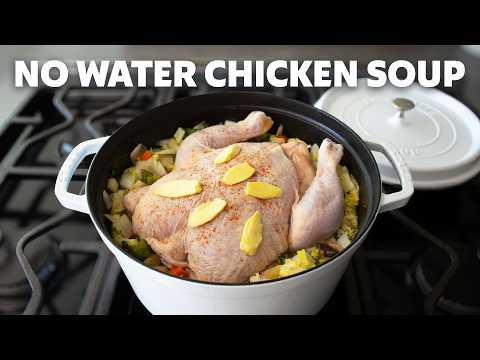
No Water Chicken Soup! Can You Really Make Chicken Soup Without Water? | Food Wishes
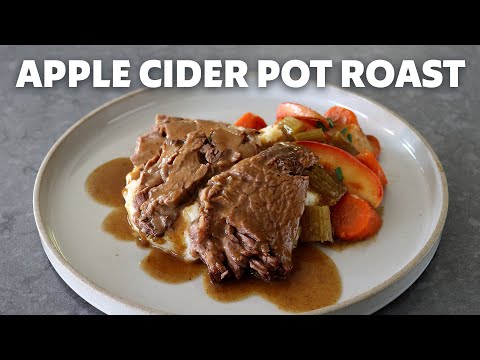
Apple Cider Beef Pot Roast | Food Wishes
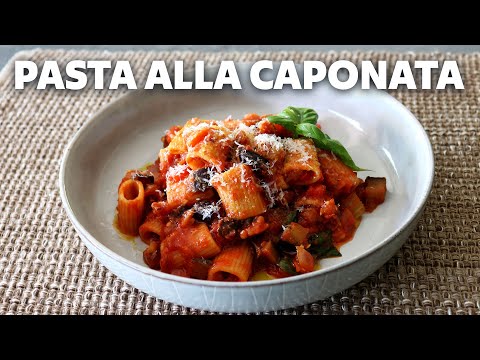
Pasta Alla Caponata | Sicilian Vegetable Pasta | Food Wishes
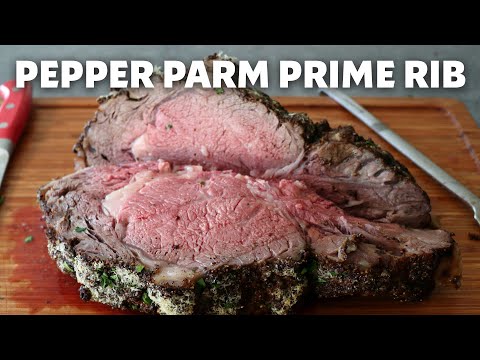
Pepper Parm Prime Rib | Perfectly Juicy Prime Rib Method | Food Wishes
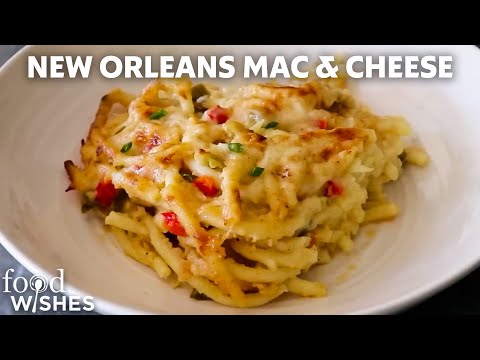
New Orleans Mac & Cheese (Veggie ‘Holy Trinity’ & Bucatini Pasta) | Food Wishes

National Geographic
Questionário
Resposta certa:
Os quizzes aparecem enquanto você assiste ao vídeo
Dica de memorização
Deste vídeo
Aprenda idiomas de grátis

